The Grass Roots

A Monthly Briefing of Seasonal Lawn, Pest and Tree Care by Lawn Doctor

April 2026

Spring Lawn Care Q&A

Q: How often should I water the lawn?

A: When grass is active, your lawn should receive about 1-2 inches of water per week. In the spring, this is heavily assisted by rainfall, so you don't need to water manually very much at all! A rain gauge is a helpful tool to measure the amount of rain your lawn receives and determine if it needs any additional water that week.


Q: Can I seed my lawn in the spring?

A: Spring is not an ideal season for lawn seeding. Important spring weed controls like crabgrass pre-emergent can inhibit seed germination, so the two cannot be on the lawn at the same time. If you have bare spots in the spring, we recommend proceeding with our regular fertilizer and weed control to maintain and enhance what grass your lawn currently has, and then aerate and seed in the fall for best results.


Q: How often should I mow?

A: In the spring, which is the lawn's growing season, we recommend mowing at least once a week to keep up with how quickly the lawn grows. You should avoid cutting off more than one-third of a grass blade at once, so keeping up with growth is important!

5 Places Ticks are Hiding on your Property

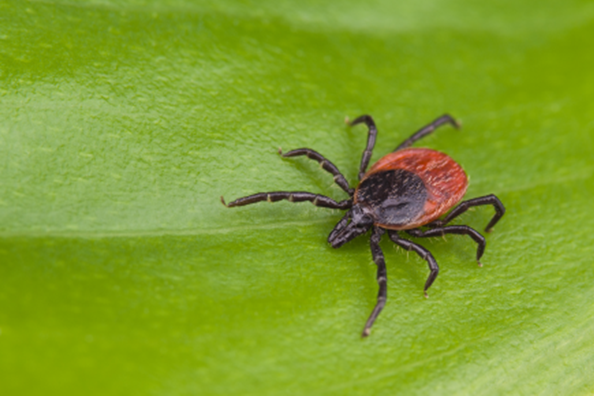
Spring is here, which means ticks are out and looking for hosts. Unlike regular lawn pests, ticks are not likely to be found in the grass of a mowed, maintained lawn. Instead, ticks prefer the cool, damp, shady areas of your property. Here are the top five places to look out for ticks this season:


1) Leaf litter

2) Firewood piles

3) Tall and overgrown grass

4) Hedges

5) Concrete lawn fixtures like fountains and bird baths


Lawn Doctor offers guaranteed Tick and Mosquito Control for extra protection of your property from these harmful pests. Give us a call to learn more about our programs!

How many words can you make with the word:


Fertilizer


We got 34! How about you?

3 Common Lawn Problems to Look Out for in April

(And what can be done about them!)

Broadleaf Weeds

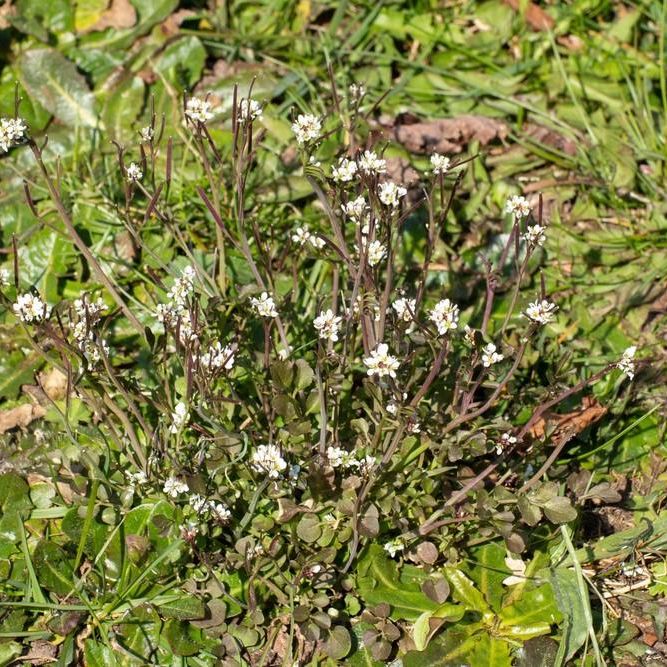
April is the month when weeds start popping up in the lawn like clockwork. The most common weeds you'll find in your lawn this time of year are dandelions, chickweed and hairy bittercress, but there are dozens of lawn weed varieties out there!


Lawn Doctor is the number one trusted weed control company in the area. Our fertilizer and weed control plan takes care of all stubborn weeds in your lawn. For any one-off weed instances between visits, they can be gently pulled by hand from the ground when the soil is damp.

Dog Pee Spots

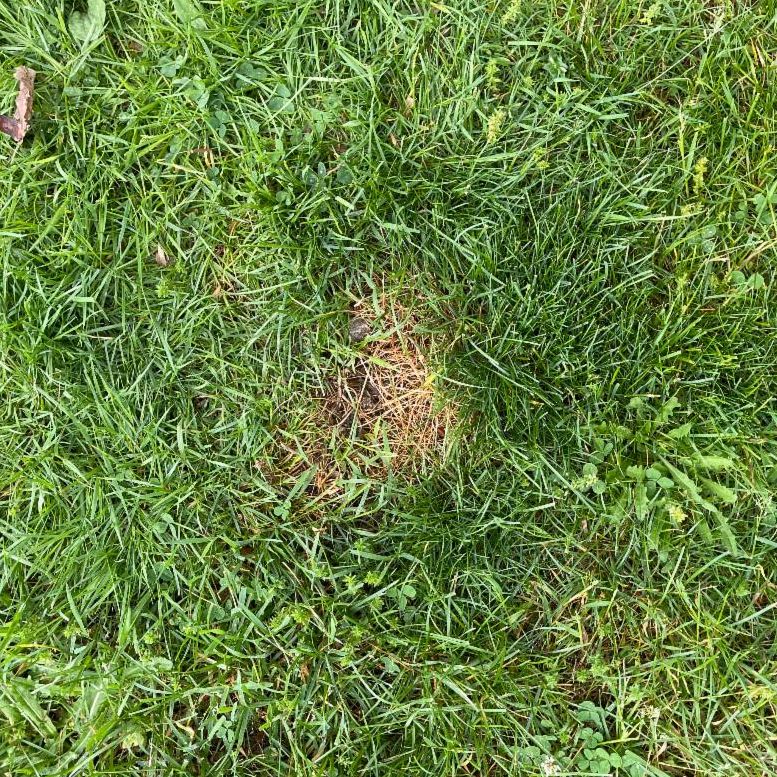
Dog urine is very acidic and can cause the lawn to turn different colors. This time of year, these spots stand out more as most of the lawn is still dormant or just greening up. Dog pee spots will typically be a vibrant green due to the high levels of nitrogen found in dog urine, which is an ingredient also found in lawn fertilizer. But, like the photo above, they can also appear brown and burnt.


To repair pee spots, flush the area with water to help dilute any remaining urine in that spot and prevent further damage. To prevent them in the future, one good practice is to train your dog to pee in one part of the lawn rather than all over.

Onion Grass

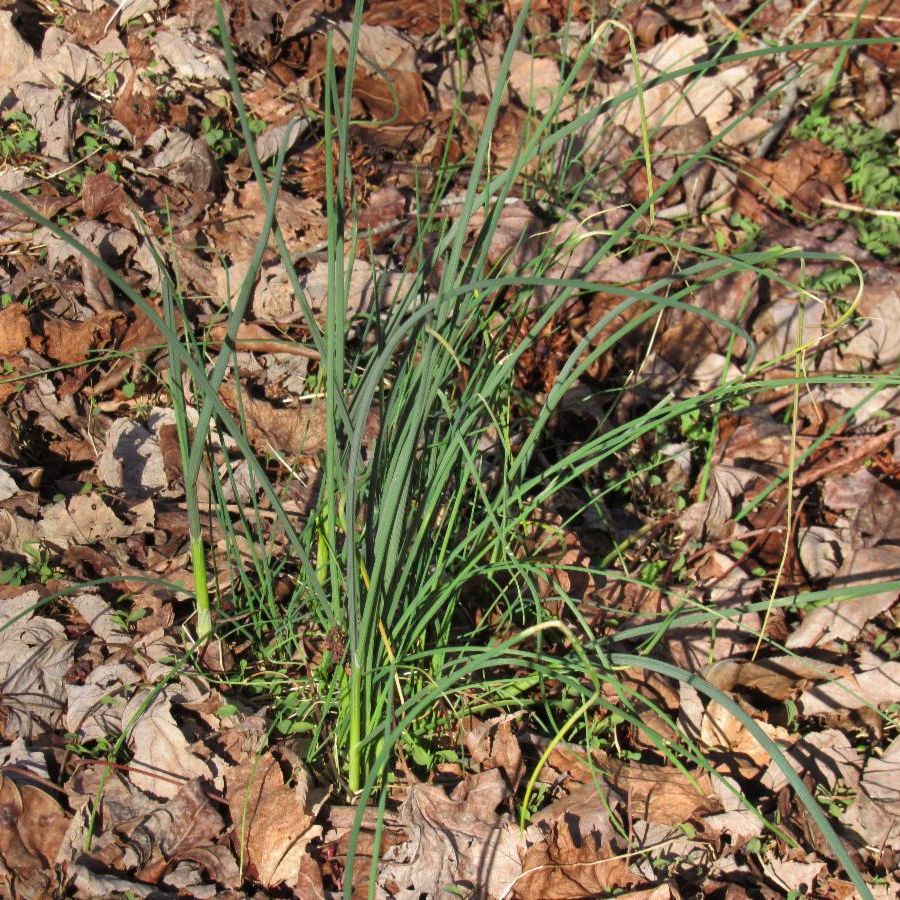
One of the first sure signs of spring is the return of tall, clumpy patches of onion grass, also referred to as wild garlic. Onion grass stands out easily among other grass this time of year. It has slender, hollow, wiry leaves and a vibrant green color. Fun fact: the entire plant is edible!


Regular weed controls won't kill onion grass, so the best course of action is to dig the clumps out when the soil is damp. Be sure to lift and remove the entire bulb from the ground to keep the plant from returning.