| | Follow us on social media! | | You're Invited - Join Us for Plastics Reduction Week! | | |
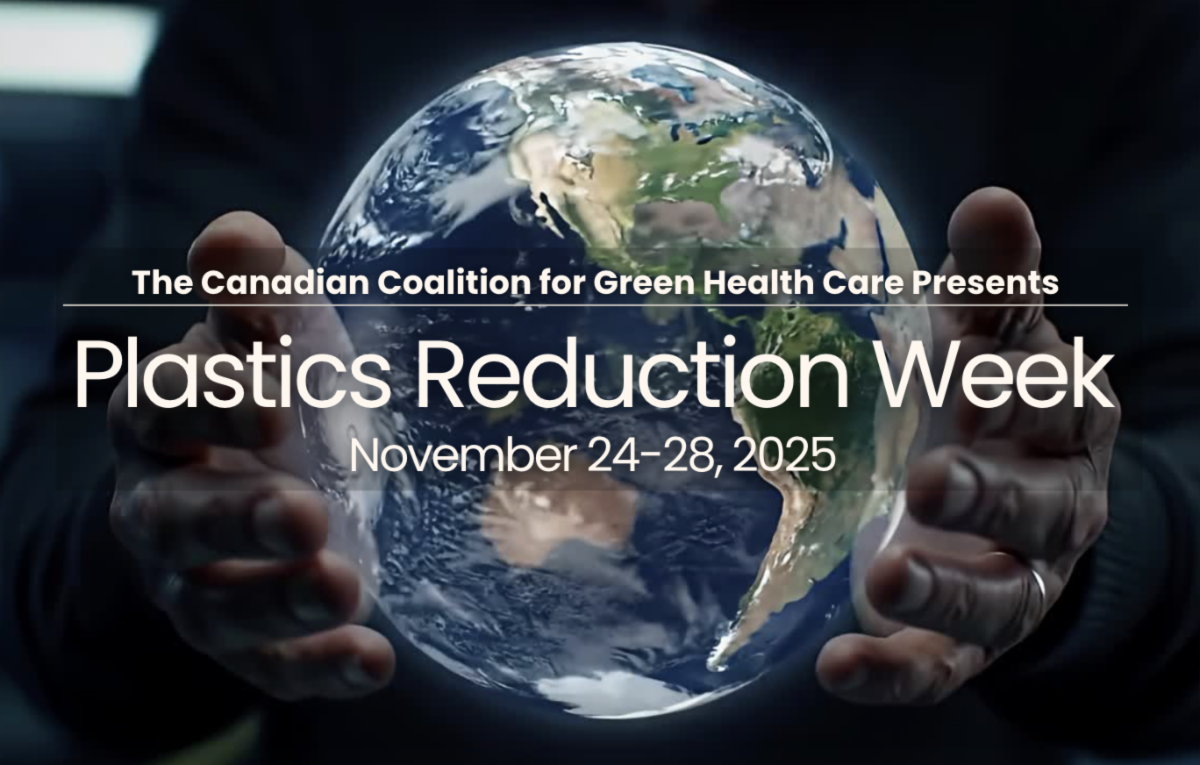
Date: November 24 - 28, 2025
We’re excited to invite you to Plastics Reduction Week, hosted by CCGHC’s Circular Clinical Care: Single-Use Plastics Reduction Project.
This is a free virtual week-long event dedicated to advancing plastics reduction in health care. Throughout the week, the Circular Clinical Care team will share progress from the project’s first 12 months through webinars, interactive sessions, and social media activities.
Each day will explore a key theme from the Single-Use Plastics Reduction initiative:
Join any session—or all of them—to learn, connect, and collaborate on creating a more sustainable health care system.
| | |
Cut the Carbon: Beyond the OR - Environmental Stewardship in Emergency Medicine
Date: November 14, 2025
Time: 9am PT/ 12pm ET
Join the Coalition and PEACH Health Ontario for our next Cut the Carbon: Beyond the OR session to learn actionable strategoes to reduce the environmental footprint of emergency medicine. Guided by Emergency Medicine Guidebook (2025) and Choosing Wisely Canada’s Emergency Medicine recommendations, speakers will highlight evidence-based approaches to waste reduction, energy efficiency, and sustainable operations within the ER.
Learn how targeted, achievable changes in the emergency department can strengthen resilience, improve patient care, and contribute to a healthier planet.
| | |
New Collaboration - Re-Thinking Ventilation for Health and Climate
The Displacement Ventilation Emergence in Healthcare (DiVE) initiative is a multi-year effort to advance the use of displacement ventilation (DV) in Canadian health care facilities.
DV uses the upward movement of warm air to carry contaminants up and out of the breathing zone, improving air quality and infection control while reducing energy use compared to conventional mixing ventilation.
With support from the Coalition, DiVE now has a public landing page for those interested in learning more. Join our growing “coalition of the willing” to catalyze a ventilation re-think and bring this approach into hospitals and care homes across Canada.
| | |
Help Us Build a Greener Health System
The Coalition is now a registered charity—marking a major milestone in its 25-year mission to advance sustainability in health care. Donate today to help build a greener, healthier, and more climate-resilient Canada.
| | |
Taking Action on Planetary Health
Dates: January 16 - April 17, 2026
With the complex connection between environmental health and human health becoming increasingly apparent, the necessity for health care professionals to incorporate planetary health approaches in their practice is more important than ever. Taking Action on Planetary Health introduces learners to the emerging movement of Planetary health and offers the opportunity for learners to develop and implement solutions that will allow humanity and the natural systems we depend on to thrive now and in the future.
Over the course of four synchronous interactive online modules and three asynchronous modules with guided independent group work, participants will explore key planetary health concepts and frameworks, collaborate with a diverse group of learners, and apply planetary health principles.
| | |
Next Gen Opportunities
Planetary Health Alliance
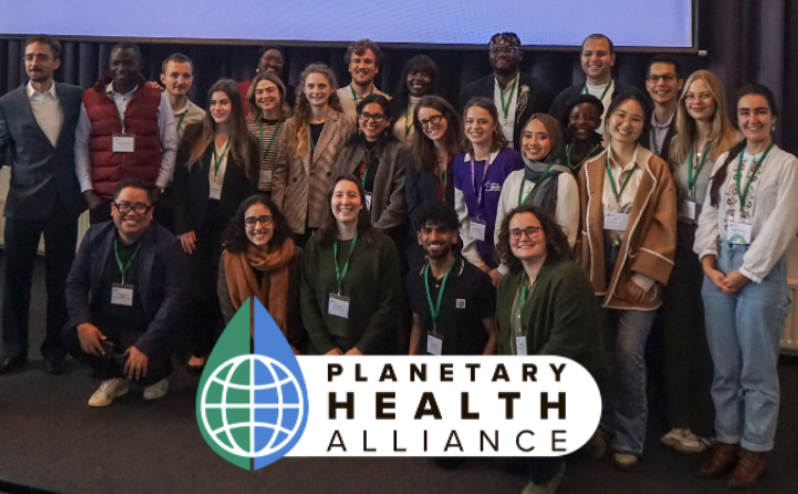
The Planetary Health Alliance (PHA) is excited to share two upcoming opportunities for students and young professionals:
-
Planetary Health Campus Ambassador Program: PHA is looking for 50 student leaders from around the world championing Planetary Health at their university.
-
Planetary Health Impact Fellowship: Two exceptional individuals will be selected to design and lead interdisciplinary projects that bridge science, policy, and community engagement to advance solutions for a thriving planet.
Applications for both programs are due November 9, 2025 at 11:59pm EST.
| | |
Climate Change and the Social Determinants of Health
CAMH Global Learning Academy
The Centre for Addiction and Mental Health’s Global Learning Academy is offering a self-directed, free, online course focused on how income, housing, and access to physical and mental health care can affect vulnerability to climate change.
Individuals who complete the course will receive a Certificate of Completion.
| | |
Climate Fresk
In just three hours, the collaborative Climate Fresk workshop will teach you the fundamental science behind climate change and empower you to take action. But in order to take action and build solutions, we first need to understand the problem. Climate Fresk is a powerful tool for providing a quality climate education. It is accessible to anyone and can be scaled quickly within an organisation or community.
| | |
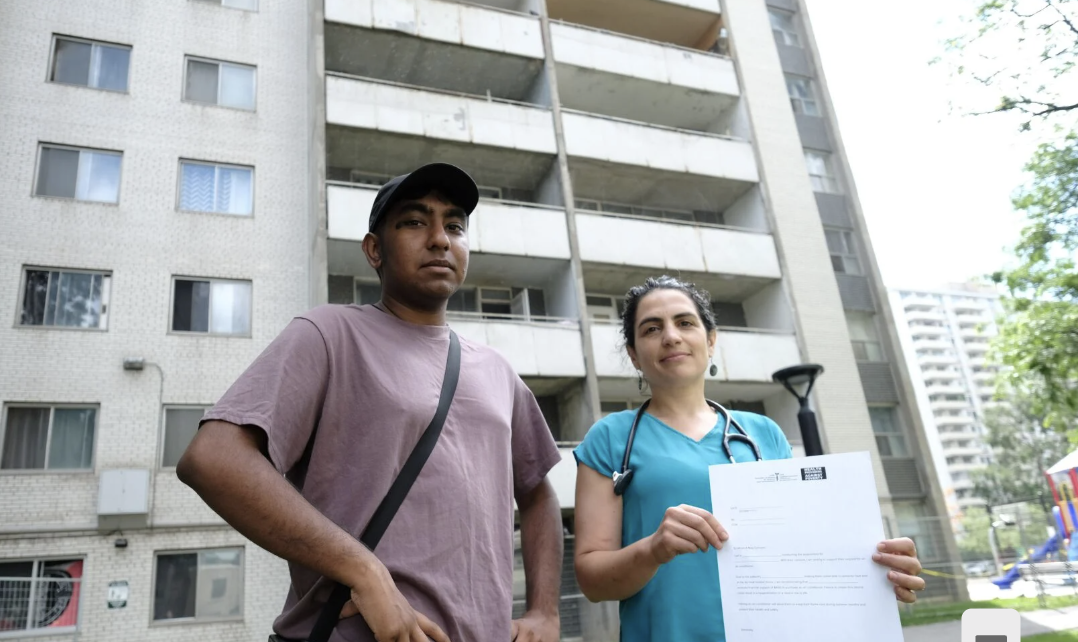
Doctor Gives out Prescriptions for Air Conditioning
Toronto Star
This past Summer, a Toronto physician began prescribing air-conditioning units for medically vulnerable residents as urban heat intensified and access to cooling became a health equity issue.
The initiative enables low-income individuals who lack in-home AC to obtain physician-verified assistance, recognizing extreme heat as a growing public-health threat.
| | |
Addressing Climate Change Impacts on Health
Globe and Mail
Physicians and care providers are treating a growing array of conditions caused or exacerbated by a changing climate. At the same time, the health care sector is working to do its part to reduce emissions.
On October 6, The Globe and Mail hosted an event for health care providers, community and sustainability leaders to share actions for healthier people and a healthier planet. If you missed the event you can now watch the recording using the link below.
| | |
Demand Heat Safety in Your City
CAPE
As climate change worsens, cities across Canada face record-breaking summer heatwaves that threaten health and lives. Many renters lack safe ways to stay cool, yet no Canadian city has adopted maximum indoor temperature limits.
The Canadian Association of Physicians for the Environment (CAPE) is calling for urgent municipal and provincial action to set safe summer temperature standards—just as winter heating is regulated. Join CAPE’s campaign and send a letter to your representatives to help protect lives from deadly heat.
| |
|
Climate and Health Policy Priorities for Canada - 2025
Canadian Public Health Association
This document summarises key priority areas of focus for Canada, supported by evidence from indicators in the 2025 Report of the Lancet Countdown.
Recommendations include:
- Fund and implement the national adaptation strategy to strengthen Canada's health system resilience
- Apply mandatory climate-resilience and low-carbon standards to the affordable housing fund
- Implement and enforce stronger federal methane regulations to protect health
| | |
What is a Wellbeing Economy, and What Might it's Impact be on Population Health?
The Lancet Public Health
The global “polycrisis”—overlapping ecological, social, and economic emergencies—demands a shift from growth-driven economies to ones that prioritize human and planetary wellbeing. A Wellbeing Economy reorients economic systems to serve people and nature rather than profit.
This report explores varying interpretations of such models, from moderate reforms to radical redesigns of capitalism, arguing that deeper transformations offer the greatest potential to resolve the polycrisis and improve population health. Implementing a Wellbeing Economy could provide a holistic, health-promoting response to today’s interconnected global challenges.
| | |
The 2025 State of the Climate Report: A Planet on the Brink
BioScience
Human-driven climate change has pushed the planet into crisis, with record-breaking heat in 2024 marking one of the hottest periods in 125,000 years. Extreme weather events—fires, floods, storms, and droughts—are intensifying as greenhouse gas emissions continue to rise. Global responses remain dangerously inadequate.
This report warns of accelerating planetary breakdown, presents new evidence of Earth’s declining “vital signs,” and calls on scientists, policymakers, and society to act decisively. Building on Ripple et al. (2020)’s climate emergency declaration, it outlines the physical, social, and ethical imperatives for transformative climate action and a livable future.
| | |
A Call to Action for the Health Sector on Planetary Health and a Wellbeing Economy
Healthy Debate
The article argues that the health sector must play a dual role in addressing planetary health: first by reducing its own environmental footprint, and second by supporting societal transformation toward a “well-being society” that respects ecological limits. It notes that seven of nine key Earth systems have already crossed safe boundaries, putting human health at direct risk.
The emerging Canadian Coalition for Planetary Health and a Wellbeing Society is mobilizing health professionals to: educate stakeholders, push for sustainable health systems, and advocate for policies oriented toward equity, Indigenous knowledge, intergenerational justice and living within planetary boundaries.
| | |
Health at COP30
World Health Organization
COP30 will take place in Belém, Brazil, from 10 to 21 November 2025, marking the first UN climate summit held in the Amazon region. The location symbolizes the frontline intersection of climate, biodiversity, development, and health, seeking to spotlight climate resilience, equity and social participation.
The Belém Health Action Plan (BHAP) will be one of the key strategic frameworks of COP30 emphasizing health systems, adaptation, equity, climate justice, and social participation. Set to be launched on the Health Day on 13 November, the Health Action Plan is designed to mobilize the global community toward building climate-resilient and environmentally sustainable health systems. BHAP will be accompanied by two supporting Reports - on Evidence and on Social Participation.
| | |
Modelling the Climate Impact of Inhalers and Mitigation Strategies: A Population-Based Study in British Columbia, Canada (2015–2032)
BMJ Open Respiratory Research
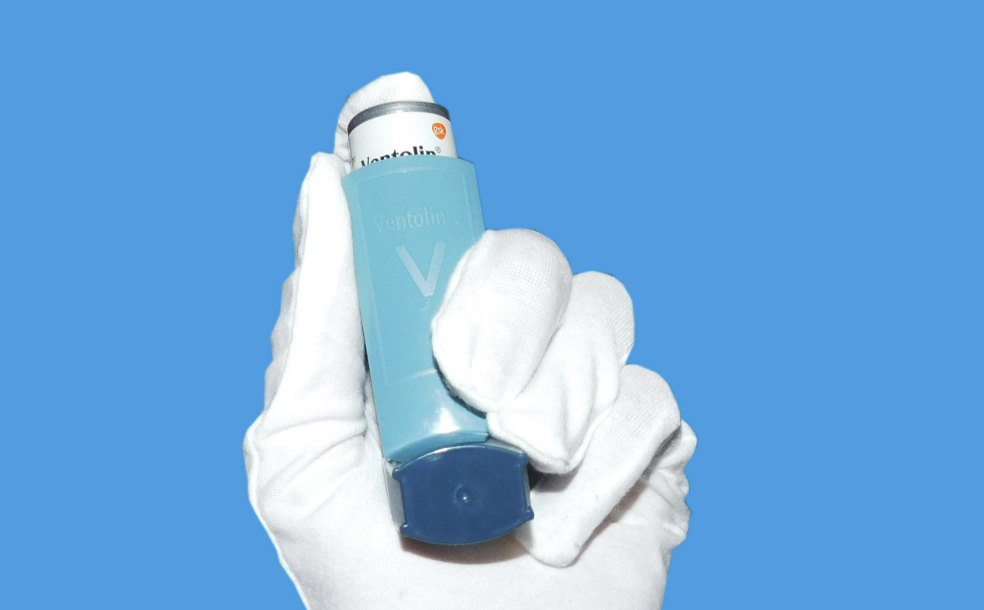
Canada has one of the highest per capita greenhouse gas (GHG) emissions, with health care contributing ~5% of the total. Pressurised metered-dose inhalers (pMDIs) are significant contributors due to their use of hydrofluorocarbon propellants. While propellant-free dry powder inhalers (DPIs) and soft mist inhalers (SMIs) are available, their adoption remains limited.
This population-based study evaluates inhaler dispensation trends in British Columbia (BC), Canada, projects future dispensation and emissions over the next decade, and explores mitigation strategies through pMDI substitution.
| | |
Challenge to Change: Advancing Sustainable Blister Packaging
ATACH
The Global Self-Care Federation (GSCF) launched a major initiative under its Charter for Environmentally Sustainable Self-Care to improve the environmental performance of blister packaging in consumer health care.
Combining research, policy, and practical guidance, it promotes a shift to recyclable alternatives. Since current PVC/Alu blister packs pose recyclability and environmental challenges, this represents the self-care industry’s first coordinated effort toward sustainable packaging. The open-access materials aim to equip industry leaders, policymakers, and advocates with knowledge to drive collective progress toward greener, more sustainable health care packaging.
| | |
UCI Health Making History with Nation's First All-Electric Acute Care Hospital
UCI Health
| | |
UCI Health is poised to make history this December when it opens UCI Health ― Irvine, the nation’s first all-electric acute care hospital.
The 144-bed facility, situated next to the serene San Joaquin Marsh, will merge high-technology with thoughtful design that incorporates the outdoors to promote comfort and healing for all who enter.
Joe Brothman, director of UCI Health General Services, spoke to CBS News about how the innovative, first-of-its-kind facility is different.
| | NEW! RETScreen® Expert Version 9.4 | |
The RETScreen® Clean Energy Management Software Version 9.4 upgrades include automated weather data services. Streaming data is now available from Copernicus – European Centre for Medium-Range Weather Forecasts (ECMWF – global coverage) and Environment and Climate Change Canada (ECCC – ground weather stations across Canada). Both daily and hourly data are available. These new weather data services in RETScreen provide additional sources of surface meteorology data to the global data already provided directly in the software through our collaboration with the National Aeronautics and Space Administration (NASA).
Version 9.4 of the RETScreen® Clean Energy Management Software platform is now available for download from the RETScreen website.
|
| The National Building Decarbonization Forum 2025 | | |
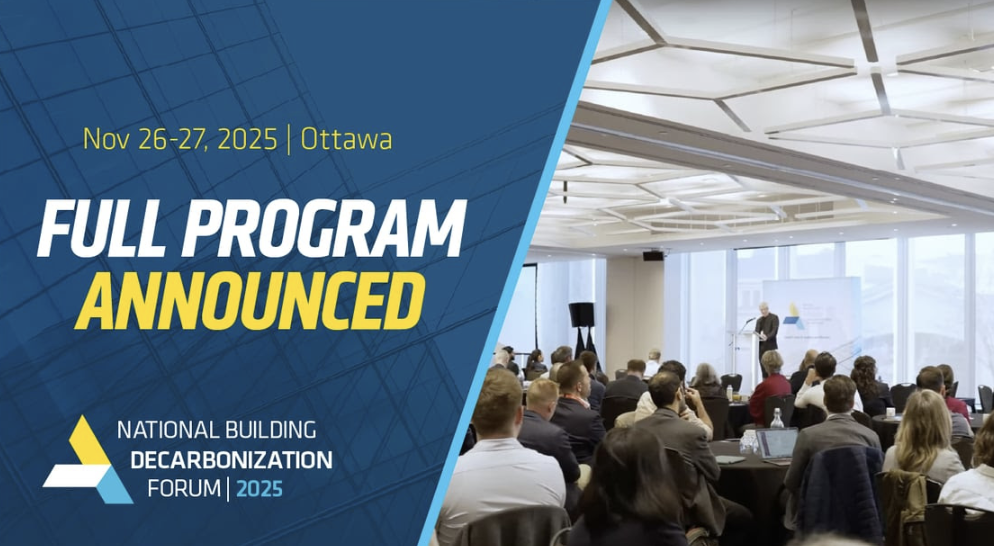
Date: November 26-27, 2025
Location: National Arts Centre, Ottowa, ON
On November 26 and 27, 2025, the Building Decarbonization Alliance is bringing together industry experts, construction professionals, civil society representatives, government officials, Indigenous leaders, and others to explore the most promising pathways to reducing emissions from the building sector, and to develop a plan of action.
The National Building Decarbonization Forum: Insights Into Action will unpack the challenges and opportunities in this transition, and develop a shared vision for action through engaging discussions, information exchange, and opportunities to connect with other professionals committed to moving Canada's building sector towards its emissions goals.
| | |
Have you registered as an organ donor?
Contact your local organ donation agency and speak to your family about your wishes. You have the power to save and transform lives. Learn more and register to donate HERE.
| | The Canadian Coalition for Green Health Care is Canada’s leading network dedicated to advancing environmental sustainability in the health sector. Guided by our vision of a sustainable, resilient, and equitable health system for all, we mobilize change-makers, build capacity, and deliver practical tools and strategies that drive meaningful action. www.greenhealthcare.ca | | Some articles referred to in the Digest make reference to services and/or product offerings from specific suppliers. The CCGHC recommends that readers research the service and product offerings available through a wider range of suppliers for comparison purposes and in keeping with public sector purchasing guidelines. These articles should not be interpreted as an endorsement of any product or service. | | | | |