|
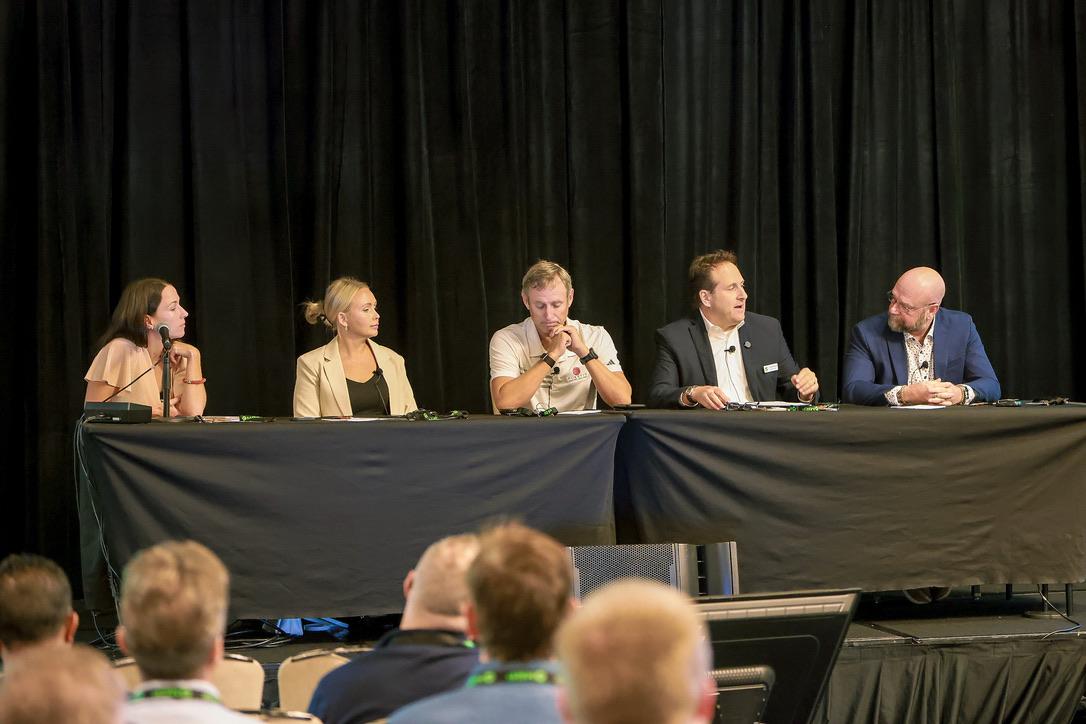
I recently had the pleasure of moderating a panel on where e-plastics stand today. Many thanks to Plastic Recycling Inc., Megan Tabb, Clive Hess, and Ken Thomas for a candid, practical conversation.
When recyclers were posed with questions on the recent e-plastic panel, one item became clear: the U.S. can already process e-plastics, but nobody is lined up to buy the resin. Until OEMs commit to putting this material back into their own products, we'll keep having the same conversation every year.
From the moderator's chair, one thing was clear: everyone on that stage is ready to process this material. The recyclers have the equipment, the know-how and the will.
However I framed the question, the answers came back to one point. Supply is not the bottleneck. The missing piece is a committed market for the resin once it is recycled.
Europe offers a contrast
Recycling Today just published a piece on how Europe is building a future for e-scrap polymers. Its approach is to create demand on purpose.
Policy and OEM commitments work together there. When manufacturers commit to using recycled e-plastics, recyclers can plan, invest, and scale with confidence that the material has somewhere to go.
The gap in the U.S.
Read the panel recap and the Recycling Today article side by side, and the gap is plain. The U.S. already has the processing capacity. It does not have the demand pull.
Without that pull, recycled e-plastics compete on price alone against virgin resin, and capacity sits underused. Good intentions on the supply side cannot close a gap that only buyers can close.
The empty chair: OEMs
Our panel had recyclers in every seat. The next one needs OEMs on stage, ready to commit to taking this material back into their own products. That commitment is what turns processing capacity into a working circular market.
|