The Guardian Newsletter

Summer 2026

Navigating Transparency

in Changing Waters


Executive Director Message


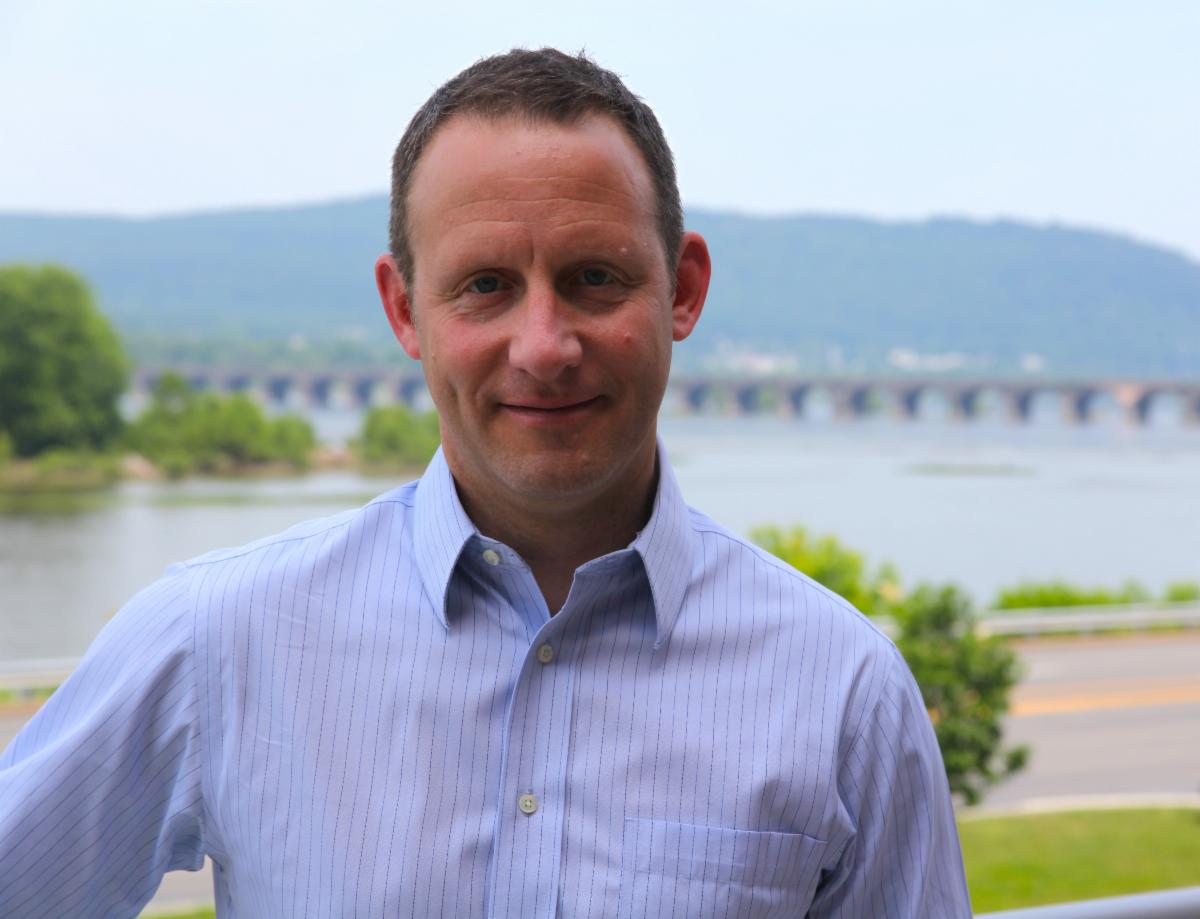
Andrew D. Dehoff, P.E.


In the interest of remaining responsive to the evolving landscape surrounding data centers, we recently made a determination that will affect the public comment process for certain projects in the Susquehanna River Basin.


We realize public interest will only continue to grow as data center development advances in our watershed. At the same time, we are beginning to notice...

It's Sampling Season!

The scientists that work in our Monitoring & Protection Program have been extremely busy with field work the last few months. Sampling season is underway with multiple projects across the basin.


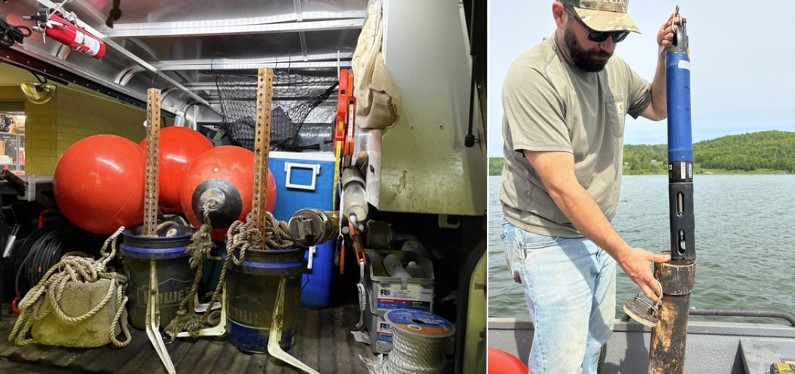
Harmful algal blooms (HABs) produce toxins that can be dangerous to both humans and wildlife. For the 5th year, we deployed a monitoring buoy into the Octararo Reservoir for HABs monitoring and research in cooperation with Chester Water Authority. The buoy will be in the lake through late fall, collecting hourly data.


We're also assisting the Pennsylvania Department of Conservation and Natural Resources with algal sampling at Pinchot State Park beaches to ensure conditions are safe for swimming at this popular summer destination.


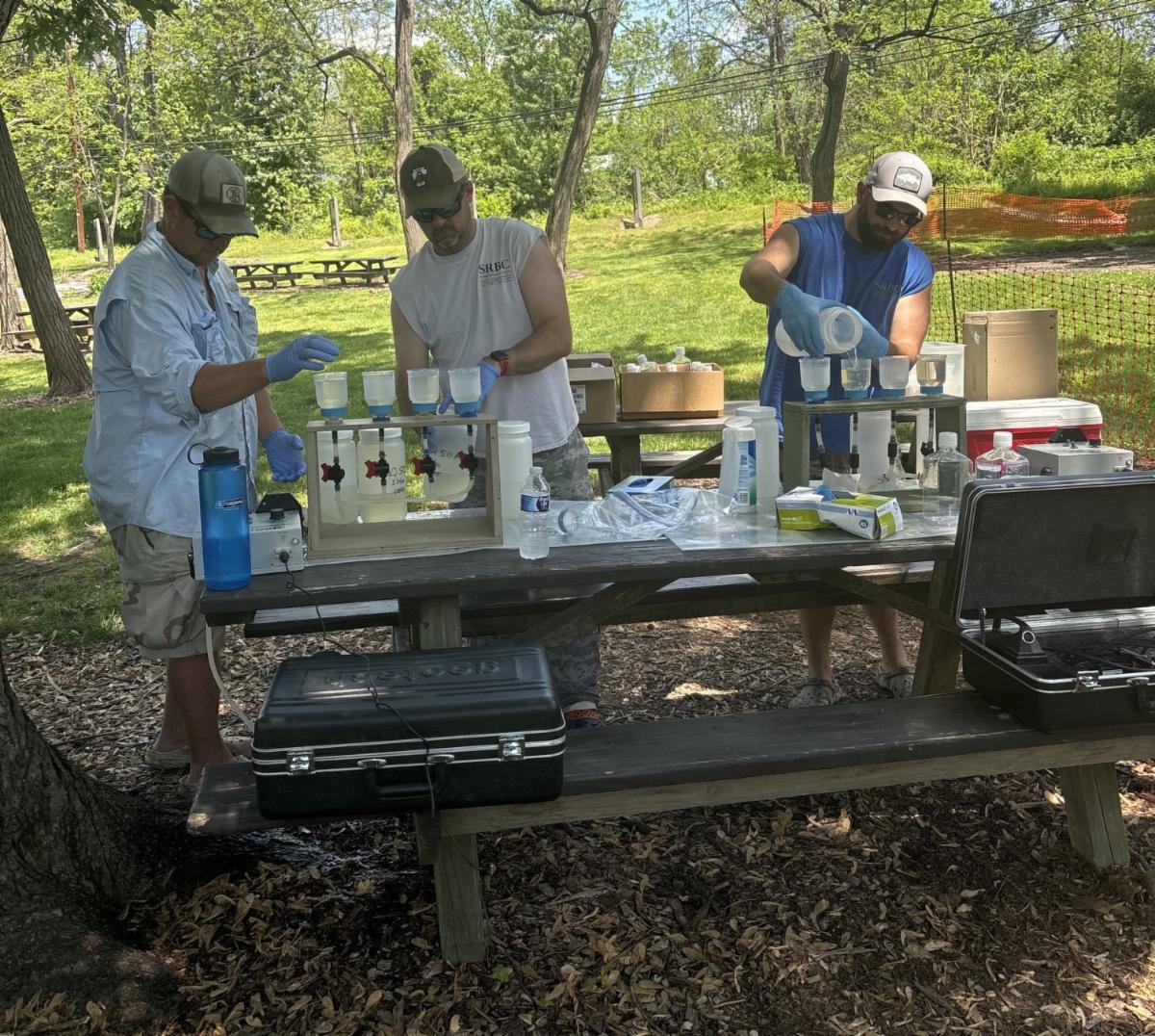
In the lower Susquehanna, our scientists are using eDNA sampling to find the presence of invasive northern snakeheads and blue catfish. The project, in its 8th year, is led by SRBC Aquatic Biologist Luanne Steffy and Fisheries Biologist Aaron Henning. The team collected samples from the Susquehanna River and main tributaries from City Island in Harrisburg south to the Conowingo Dam in Maryland. Processing will be done by the U.S. Fish and Wildlife Service.


To support the U.S. Army Corps of Engineers in their continuing research and management of invasive zebra mussels in Cowanesque Lake, our scientists deployed a data sonde which will collect hourly data throughout the summer. The team also collected water chemistry samples for parameters critical to zebra mussel growth and development.


As you can see, the work being done in our Monitoring & Protection Program helps to fill important gaps for other state and federal agencies. Learn more by following the link below.

Saving 1.5

Billion Gallons!

We recently awarded more than $6.4 million to 19 projects that will improve water availability and quality during critical low flow periods. This marks the fifth year of competitive funding to forward-looking drought resiliency projects through the Commission's Consumptive Use Mitigation Grant Program.


Together these projects are estimated to deliver nearly 1.5 billion gallons of water savings a year; that's more than triple the amount estimated by awarded projects in 2025. This year's awardees include municipalities, golf courses, state government, industry and non-profits.

New Universal Login for Water Users


There's a new way for the regulated community to access SRBC web platforms. The Project Sponsor Portal (PSP) provides a consolidated location for accessing water use related websites that previously required separate logins.


The PSP now allows regulated or registered project sponsors to login once and access everything from one location - from submitting applications to reporting water usage. We hope users find the new portal both convenient and user friendly.

Accepting Public Comment


The Commission is currently seeking public comment on a proposed update to our Sustainable Water Resources Fund Policy. The goal of this policy is to update the prior one to provide for potential sources of revenue to the fund and to provide procedures that will focus on making the fund balance sustainable over a longer planning horizon.


This fund segregates and accumulates monies collected for civil penalties, settlement payments, and the interest earned on these funds. Monies are used for innovative and beneficial water resource projects including water quality monitoring for emerging contaminants, advanced early warning systems for droughts, and assistance to small municipal water suppliers. The deadline for submitting written comments on the policy is Monday, August 10, 2026.

Podcasts & Presentations

Recently SRBC Hydrogeologist Pierre MaCoy appeared on Cumberland County's podcast "Planning in Plain Sight" to discuss the Commission's research on Critical Aquifer Recharge Areas (CARAs).


At the SRBC we focus on the importance of open space and other land uses that provide for increased groundwater recharge. Our scientists in the Planning & Operations Program developed a GIS tool that identifies optimal areas in the basin for sustained or enhanced groundwater recharge based on factors such as land use, slope, soils and geology.


The GIS framework can also determine CARAs where water supplies have become more limited amid development and other increasing impervious cover.


"We look at groundwater as a critical planning objective... specifically to protect critical aquifer recharge areas. Well what is that? How do you determine what is critical? Well that was the first step we were tasked with..."

As an agency that regulates large water users, the Commission is always looking for ways to reduce water use. One success story takes us back a decade when there was rapid expansion and construction of new thermoelectric power plants. With electric power generation accounting for almost 75% of reported consumptive use, there was a unique opportunity to change the status quo at that time.


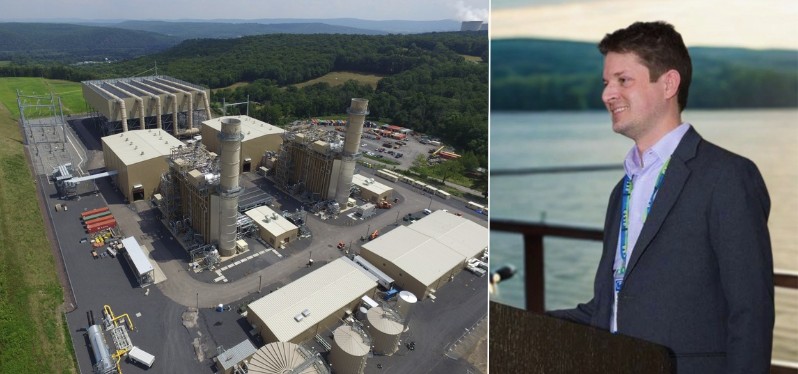
This activity resulted in a resolution promoting and incentivizing dry cooling technology. Since then four dry cooling power plants have operated in the basin with impressive results - more than 45 billion gallons of water use avoided.


Michael College, SRBC Surface Water Supervisor, detailed this dry cooling success story, and how we believe it can be applied to emerging industries including hyperscale data centers in two recent presentations.


The webinar below was hosted by the Pennsylvania Department of Environmental Protection.

Monitoring Tioga's Future

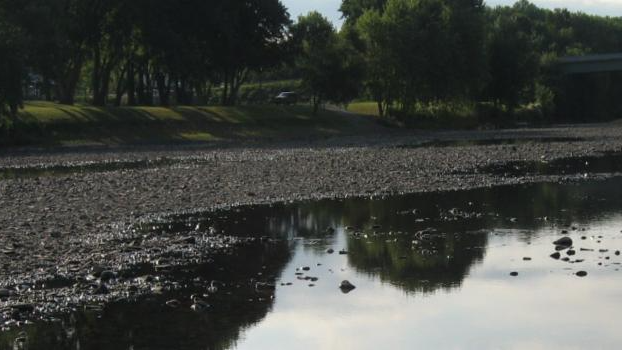
Our work to restore the Tioga River watershed from the impacts of historic abandoned mine drainage (AMD) continues to move forward as construction of a multi-partner, multi-million dollar treatment plant will begin following final design work.


In the meantime, our scientists are advancing research to better understand how improved water quality may affect the Tioga Reservoir once the treatment system is operational. Today, metals associated with AMD bind nutrients such as phosphorus, limiting their availability within the reservoir. But once AMD is treated and those metals are removed from the system, more nutrients may become available, making it important to understand whether changing conditions could result in the formation of harmful algal blooms.


To establish this important baseline, SRBC is continuing to monitor both Tioga Reservoir and neighboring Hammond Lake, which serves as a comparison site because it is not affected by AMD. Surface and bottom sensors in both lakes are collecting dissolved oxygen and temperature data to determine when and how often the lakes stratify and mix—processes that strongly influence nutrient movement and water quality.


In addition to monitoring lake conditions, our team collected water samples and deployed temperature and conductivity loggers in streams flowing into Tioga Reservoir to better understand the characteristics of water entering the reservoir.


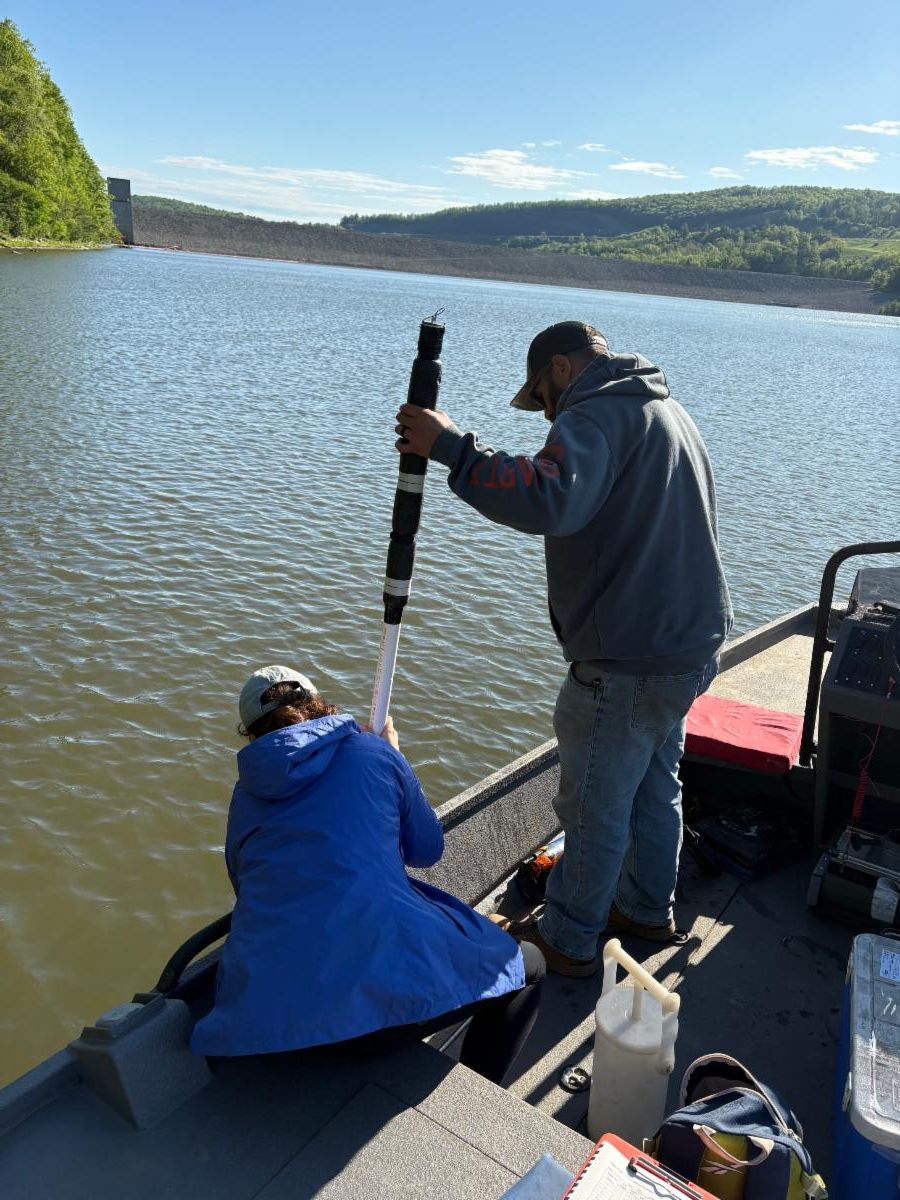
This work also continues to provide hands-on research opportunities through our partnership with Dr. Greg Moyer and Mansfield University. This summer, SRBC scientists welcomed a new graduate student to the field, introducing her to the techniques and equipment used to monitor lake health.


For more background on the future Tioga River AMD Treatment Plant, check out our interactive story map!

Downstream Happenings


July 23rd - 26th : Endless Mountains Heritage Region North Branch Sojourn


July 29th : Camp Hill Stormfest


July 30th : SRBC Public Hearing


August 1st : Susquehanna Greenway Outdoor Expo


August 6th : Chesapeake Bay Foundation's Upper Conestoga Stewardship Event


September 16th : SRBC Public Business Meeting

Instagram  YouTube  LinkedIn  Web