|
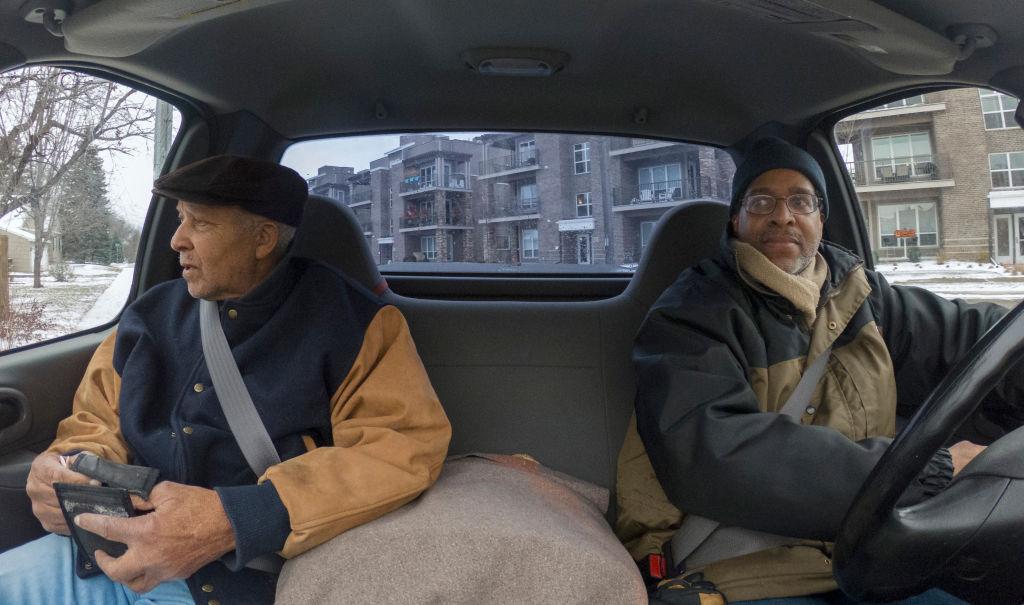
There are nearly 52 million licensed drivers 65 and older in the U.S. This number represents a 77% increase since 2004 and is the highest number of senior drivers ever recorded.
Many seniors stop or limit their driving by 75, but issues arise when they continue to drive despite being unfit to do so. And it’s not just their own safety or that of others that’s at stake in these situations.
When someone loses access to a vehicle in car-dependent regions, it becomes much harder for them to reach medical care, remain connected to their community, purchase groceries, and participate in activities like church or other social events, all of which have deep connections to health and well-being. These losses hit lower-income and rural Americans hardest, since they often lack the resources or public transportation options that might otherwise help them fill the gap.
I know some of these challenges from personal experience. Deciding to take my father’s keys away from him was one of the hardest decisions I had to make for my parents. My mother voluntarily stopped driving at 68 after a driving scare. She couldn’t feel herself pressing the brake and thought she was going to have an accident. My father drove until he was 78, even though I should have taken his keys a year or two earlier.
I didn’t want to acknowledge the warning signs my father was showing. He would come home late after buying his lottery tickets, often explaining his delay by saying he got “turned around” or that things “looked different at night.”
His 2018 Lincoln Town Car had unexplained scratches and dents, and he had been involved in three minor accidents over a two-year period.
We decided to take his keys after he didn't come home one night. The police did not want to issue a Silver Alert because they said he was independent and had not been missing for at least 24 hours. By the third night, we went to the police station to file a missing person's report, only for him to be found while we were filling out the paperwork.
The good news: He was safe. The bad news: He was found four hours away from his home, in Morris, Illinois.
When he stopped at a gas station to get gas, he asked a cashier how far he was from 39th and Capitol Drive. When she informed him that there was no Capitol Drive in that area, he was going to head back to his car, but she kept him in the store with chit-chat and called for the sheriff.
The cashier said my father reminded her of her grandmother, who had dementia, and that she didn’t want him to get back on the road.
I took his keys the next day and put a Club on his steering wheel. He never drove again.
Taking away a parent's car keys is very hard and emotional. It forces a son or daughter to assume a parental role, balancing the parent's independence with the need to maintain safety amid declining health and driving ability.
In my father’s case, he adapted quickly because we had a plan in place to maintain his daily routines. My wife, Damia, understood how important driving was to my father, so she always ensured he didn't feel diminished or alone as a man because he couldn't drive anymore. This was crucial, since studies have shown that older adults who are told they can no longer drive often experience higher rates of isolation and depression.
|