|
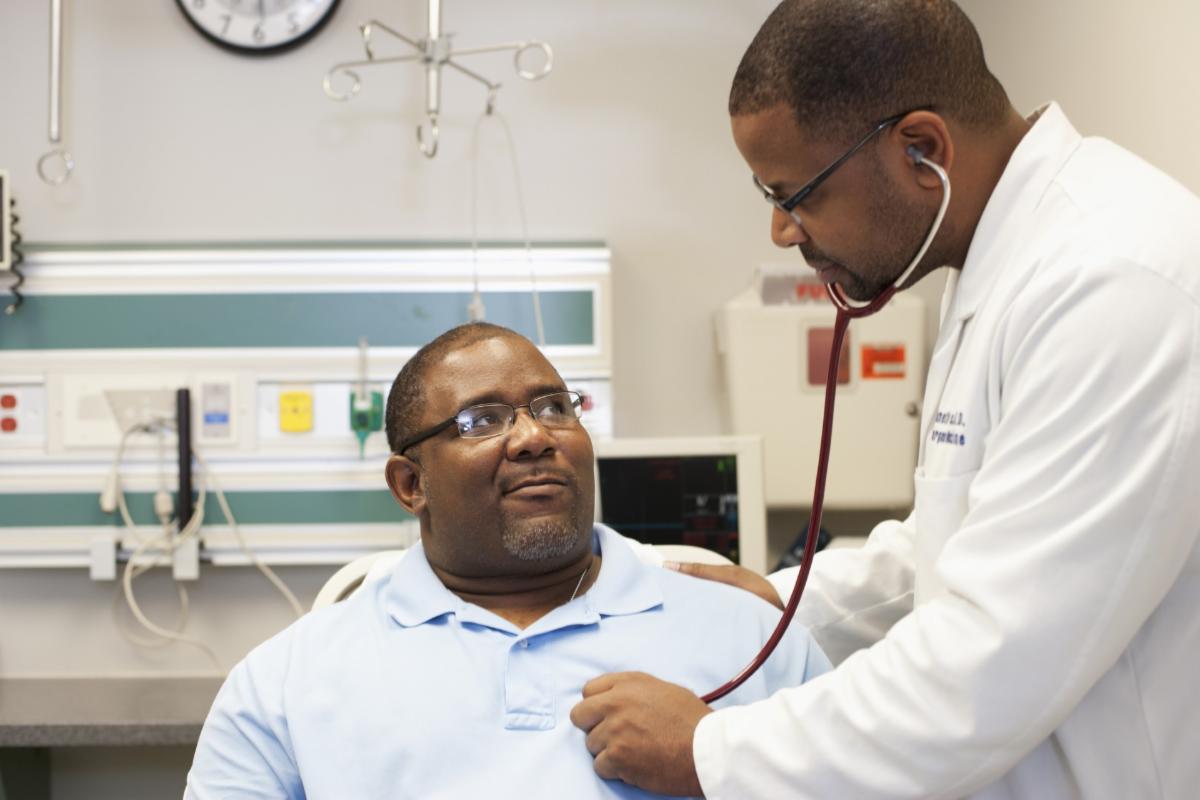
Every year around my birthday on the first of August, I give myself a present: I schedule my annual physical with Dr. William Hall.
I've been seeing him for more than a dozen years. We've built the kind of relationship every patient hopes to have with a physician. I trust him completely, and I know I can talk to him about anything related to my health. We're close enough that I even have his cellphone number.
As a 56-year-old Black man in relatively good health, I know those yearly checkups are about more than confirming everything is fine. They're about finding potential problems early, before they become serious.
That's why this column is personal.
Too many of the men in my family and circle of friends — most of them Black or Hispanic — don't get routine checkups. They wait until something hurts, or they convince themselves the problem will go away on its own.
I also work with a Hispanic colleague, whom I've known for more than two decades. He recently admitted he hasn't seen a doctor in years. He's 56.
Not long ago, I noticed him limping around the newsroom because of a knee injury he'd been dealing with for at least six months. I asked whether he'd gone to see a doctor.
He hadn't. Instead, he offered a list of reasons that probably sound familiar to many men.
"I'm treating it myself."
"It's not as bad as it was a month ago."
"What if the doctor sends me to a specialist? That's going to cost more money."
"And what if they find something else wrong with me?"
None of those reasons surprised me because I've heard them from men my entire life. Those answers may seem reasonable, but delaying medical care often comes at a cost.
When it comes to health care, timing matters. The longer someone waits to see a provider, the longer they may live with an illness or injury that could worsen or become more difficult to treat.
Research shows that Black and Hispanic men, on average, are less likely than some other groups to receive routine preventive care. The reasons are complex and often have less to do with personal choice than with barriers such as cost, work schedules, access to care, a long history of racism that has led to distrust of the health care system, and concerns about what a visit might uncover.
Delaying a checkup doesn't cause a disease, but it can mean conditions such as high blood pressure, diabetes and some cancers aren't detected until they're more advanced, when treatment is often more complicated, more expensive and less effective.
|