The Blue Jeans Blues
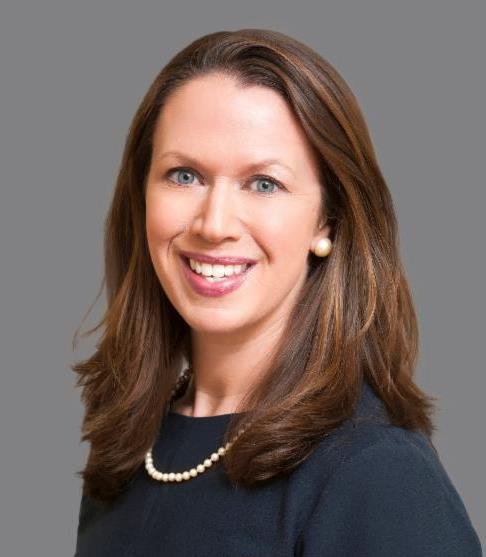
Kristin O'Malley, President and CEO
I have a serious love/hate relationship with blue jeans. LOVE wearing them. HATE shopping for them. But, when I had worn my Lucky Brand dark-washed, gently-whiskered, 5-pocket, zipper-fly, boot-cut besties way beyond respectability, I had no choice but to hit the mall. No biggie. Dash in. Dash out. A new pair of these made-for-me blues was a quick credit-card swipe away. Right? Wrong.
Lucky Brand had changed my go-to style, and I was in full meltdown over the inevitable denim break-up. I thought I'd never find my perfect fit again, but, to my surprise, I soon left with a new boyfriend--boyfriend jean, that is. The world was right again.
And then, something amazing happened. I started venturing out of my comfort zone, trying new styles and different brands that added depth to my wardrobe. I wasn't a one-fit-wonder anymore.
Okay,
now that I've risked
sounding totally superficial, this really does have to do with nonprofit work.
Research consistently shows that structuring teams with people who are different propels innovation. Not angst. Not chaos. Not stagnation. Innovation! Too often we (consciously and unconsciously) assemble homogenous teams. We try to make sure everyone on our staff, board of directors, committees and volunteer groups is a good "fit" for the team, as comfortable and familiar as my favorite Lucky Brand jeans. For some reason, we think that we will work more constructively and harmoniously with people who think, reason and act like we do when, actually, the reverse is true. Homogeneous teams tend to keep the status quo, take fewer calculated risks and effect change more slowly.
Some of our local nonprofits have bravely looked beyond the "usual suspects" when partnering to problem-solve. Cape Cod Commercial Fishermen's Alliance supplies fresh, local fish to The Family Pantry of Cape Cod, assuring a reliable income to one, nutritious meals to another. Cape Abilities runs a farm which produces food for the community, creates skill training opportunities and jobs for its clients with disabilities, and generates revenue for its programs.
And, through its Art and Alzheimer's Program, the Cape Cod Museum of Art helps patients with memory loss engage in the arts and discover gateways to past stories and memories. This month, we've been checking in with the recipients of our 2016 Strategic Focus Grants and will be reporting on their community impact in upcoming issues of the The Hub.
These organizations--and many others--are proving that there are new ways to combat age-old problems and drive social change in our community by thinking outside of the box.
That's what our Strategic Leadership Platform is all about. I've talked about how the Foundation invests in "human capital" through nonprofit leadership development, education and training in earlier columns. In fact, this year's Non-Event directly supports the Institute for Nonprofit Practice's Core Certificate Program, now entering its second year on Cape Cod.
Promoting diversity
within organizations, the nonprofit sector and the community is also an important part of our leadership strategy. People on heterogeneous teams become super-thinkers and more passionate doers. They form more strategic partnerships and create projects and programs that solve problems in new ways. Better ways. And these are the initiatives we are powering up together. These are the initiatives, funded through your generous donations and the discretionary income from our endowment fund, that are experiencing an extended impact in the community. Today and for the future.