The latest news from AICU Mass and its member colleges and universities | |
The Corner Office
Next week, our hearts and homes will be full as many families once again gather in person to celebrate Thanksgiving. In these moments, it’s natural to reflect on the past twenty months, think fondly of those who cannot be with us, and express gratitude for all those who have done so much to help the world move ever closer to the end of this pandemic.
We are incredibly fortunate to live in a Commonwealth where one of our greatest “natural resources” is the abundance of medical professionals, researchers and scientists who have dedicated their professional lives to advancing science that drives the solutions to our most complex problems. Never was this more evident than the past year and half, when our medical and scientific communities came together to develop a national model for COVID-19 testing and galvanized Massachusetts’ leading life sciences infrastructure and foundational research to produce highly effective vaccines to combat a novel virus.
In the summer of 2020, colleges and universities were grappling with how to safely bring students, faculty and staff back to campus. Led by President Paula Johnson at Wellesley College, a group of college presidents recognized that testing would be critical to these efforts, and they began a conversation with the Broad Institute to develop a COVID-19 testing program for colleges throughout New England. In under two weeks, the Broad Institute, a genome research facility founded in collaboration with Harvard and MIT, pivoted to develop a process to rapidly analyze thousands of PCR COVID-19 tests--with results available in less than 24 hours.
Thanks to the Broad’s creative scientists, who were able to troubleshoot a number of logistical challenges, including how to deliver thousands of test swabs from around New England to the Institute’s labs each day, and an investment from the Baker Administration, the Broad launched a testing program with over 100 college and university partners in August 2020. Today, that program has conducted over 12.5 million tests for higher education and has been recognized as a national model for how to successfully manage a robust surveillance testing program. Drawing on what it learned from the college testing program, the Broad successfully expanded its partnerships to include K-12 public school districts around the state, providing rapid pool testing to tens of thousands of students each week and allowing school to return to in-person learning. The resilience and success of Massachusetts in mitigating the worst of what has been a relentless virus can be traced directly back to the Broad Institute and its dedicated team of researchers who launched into action to provide critical testing to Massachusetts when it was most needed.
While testing was one of the critical mitigation measures to ensure the safety of students, faculty and staff during the 2020-21 academic year, it is the rapid creation of safe and highly effective vaccines that has enabled us to move into a new phase of living with COVID-19. Massachusetts has long been renowned for partnerships between higher education and medical institutions that are at the heart of the region’s vibrant life sciences ecosystem. These longstanding partnerships, further fueled by the state’s transformative 2008 investment in the life sciences industry, played a leading role in the development of all three FDA-approved COVID-19 vaccines. From Moderna’s headquarters in the heart of Kendall Square, to Johnson and Johnson’s research partnership with Beth Israel Deaconess Medical Center, and Pfizer’s production of millions of COVID-19 vaccine doses in Andover, the fingerprints of our life science ecosystem are all over the creation and production of these life-saving vaccines. This was not the first, and will certainly not be the last, medical breakthrough that comes directly from our “eds and meds” partnership in Massachusetts.
As I sit down at the Thanksgiving table on Thursday with three generations of my extended family, I will reflect on the many things that I am thankful for this November. That long list will include everyone who sacrificed so much to provide our country – and the world – with a pathway beyond the depths of the pandemic. I hope you will join me in saying thank you to the doctors, nurses, first responders, researchers and scientists who made it possible for us to once again gather around a Thanksgiving table and share a meal with those we love.
| | | |
AICU Mass Fact of the Month | |
The Latest from Beacon Hill and Capitol Hill | |
 | |
ARPA funding:
The House and Senate recently passed separate funding bills that invests approximately $3.8 billion in federal ARPA funds and surplus revenue from FY21. Both branches held back over $2 billion in APRA funds and will look to craft an additional funding plan in early 2022. House and Senate conferees will work to resolve the differences between the bills, with hopes to get a consensus bill to Governor Baker in the coming weeks.
Provisions of the bill that are of interest to AICU Mass members include:
•new funding for the Massachusetts Cultural Facilities Fund, a capital grant program that helps nonprofits renovate, expand or repair their facilities;
•increases to the Workforce Competitive Trust fund; and
•funding for behavioral health programs, including workforce initiatives such as student loan assistance and tuition reimbursement.
Endowment tax proposal:
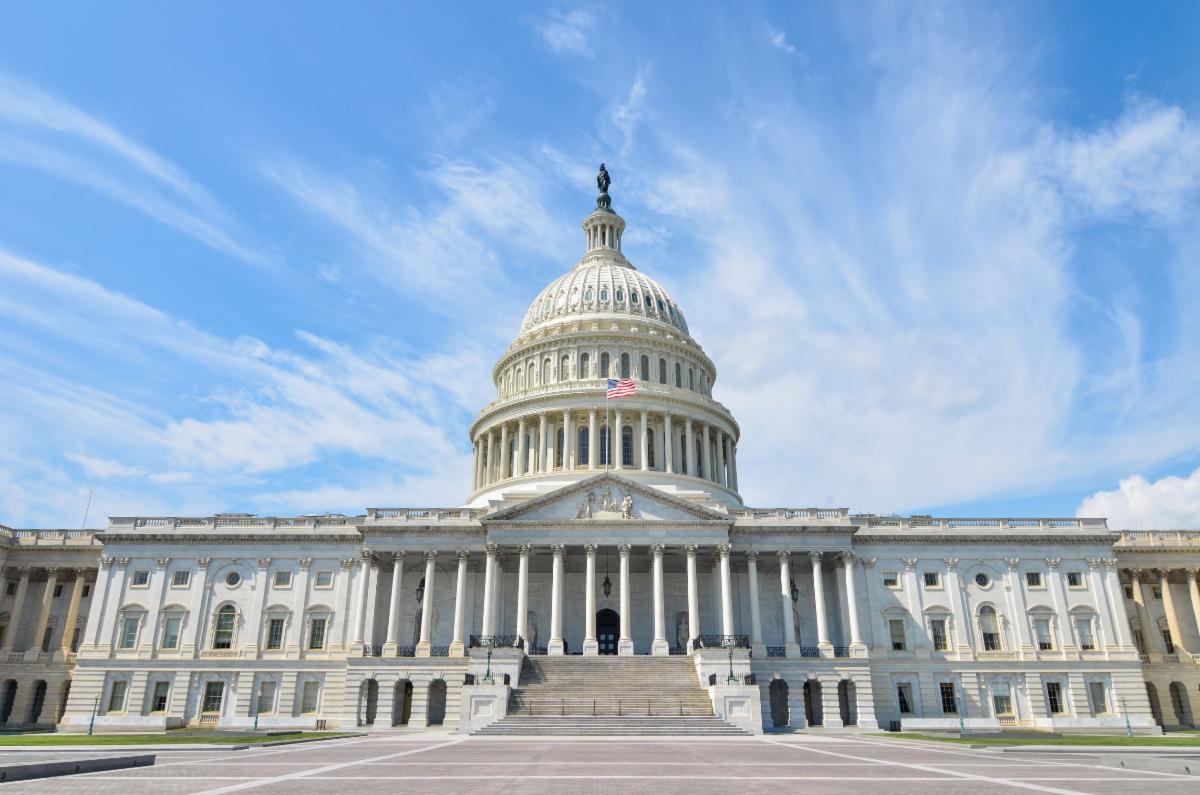
AICU Mass submitted testimony to the Joint Committee on Revenue in opposition to a proposal that would impose a 2.5 percent tax on certain nonprofit colleges and universities in Massachusetts. The damage caused by this unprecedented and misguided tax on one of the Commonwealth’s most vital ecosystems and the driver behind the knowledge-based economy would be profound and immeasurable.
| |
 | |
Build Back Better:
Congress and the Biden administration continue to negotiate language for the Build Back Better reconciliation package, which Congress hopes to pass before the end of the calendar year.
It is expected that a number of higher ed priorities will be included in the final package, including:
•increasing the maximum Pell Grant award by $550 for the next four years (this increase is a direct result of the successful nationwide "Double Pell" advocacy campaign);
•repeal of the taxability of Pell Grants;
•$500 million for college retention and completion grants; and
•additional support for HBCUs, TCUs and MSIs.
We also are continuing to advocate for reform of the endowment tax in order to realign this policy toward access and affordability and tie tax relief to meaningful institutional efforts to support students with grants and reduce the cost of college.
Infrastructure Investment and Jobs Act:
Congress passed a $1 trillion bipartisan infrastructure bill that provides funding for rebuilding the nation's roads and bridges, while also making historic investments in broadband, energy and water infrastructure. This bill includes $65 billion for broadband expansion that will allow more students to access online courses and direct funds to qualifying institutions to provide enhanced online services.
FEMA reimbursement:
The Biden administration recently announced an extension of the FEMA reimbursement program for COVID-19 related expenses incurred by states, municipalities and nonprofit organizations through April 1, 2022. The FEMA reimbursement program has provided eligible nonprofit colleges and universities with reimbursements of costs incurred from surveillance testing and other COVID-19 mitigation measures dating back to March 20, 2020.
| |
AICU Mass Member Spotlight and News from Our Members | |
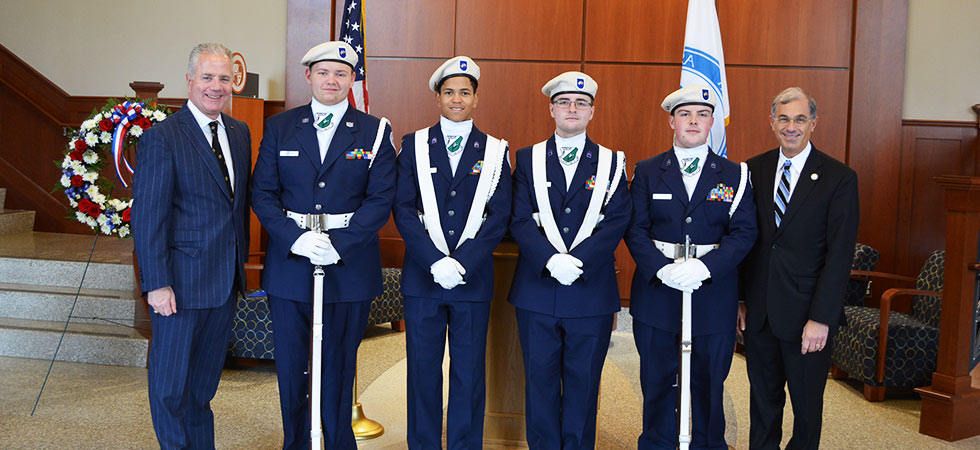 | |
Assumption University
Special Ops: SMVF Program
The needs of Veterans from both pre-911 and post-911 wars and conflicts are well documented and, based on the often-referenced suicide rate, inadequately met by our society. The Veteran’s Administration has made tremendous efforts to meet these needs within their system as well as within communities with programs like Veteran’s Choice. Many Veteran’s prefer to receive health and behavioral services in the community either because of convenience, stigma, or other more complex reasons. The Department of Defense and Veteran’s Administration make considerable efforts to educate civilians working in those systems about military culture. Assumption University recognized the need for individuals in the civilian sector to receive adequate training, including but beyond military culture, to meet the needs of Service Members, Veterans, and their families (SMVF) and launched a specialized graduate certificate program (Special Ops: SMVF) in 2019 to address this need.
The 6-course program utilizes online pedagogy to meet the needs of students throughout the country with courses addressing military culture, disability and treatment (polytrauma, physical, sensory, psychiatric), navigating systems of care, counseling interventions and strategies, and building resilience) Four students have completed the program and four are currently enrolled. Feedback from students has been remarkable and many students from other graduate programs at Assumption (Rehabilitation Counseling, School Counseling, Health Advocacy) are taking the classes in addition to their master’s degree programs of study. Program classes are taught by Veterans or family members, clinicians and leaders from various VA sites, and content experts.
Over the last five years, Assumption University has made a dedicated effort to improve their ability to serve the educational needs of Service Members, Veterans, and their families. Supported by board members with distinguished military careers and senior leadership recognizing the value of combining a liberal arts degree and military service, we have increased enrollments at the undergraduate and graduate level (especially in the MA in Rehabilitation Counseling program), built a Veteran’s Lounge, earned recognition as a Military Friendly institution (the last three years), and secured a VA funded work study position to serve as a direct point of contact between the institution’s Veterans Success Committee and student Veterans.
To learn more about Assumption University's commitment to Veterans and their family members, please visit Assumption's Support for Veterans webpage.
| |
|
Affiliate Member Insight
AICU Mass is pleased to partner with over 30 organizations in our affiliate program, where businesses and nonprofits offer industry expertise to our 60 member colleges and universities.
| |
|
For many New Englanders, fall is a favorite time of year. The start of a new academic season brings excitement, and whether it’s returning to a college campus or transitioning to senior year of high school, students and parents cherish this time filled with anticipation of new opportunities. Though for many families, there are also overwhelming thoughts of navigating the college planning process and paying for college.
MEFA, the Commonwealth’s authority on planning, saving, and paying for college was created by Massachusetts colleges and universities, and is dedicated to assisting students and families in their pursuit of post-secondary success. Since its founding in 1982, MEFA’s mission has been to help students and families access and afford higher education and reach financial goals through education programs, tax-advantaged savings plans, low-cost loans, and expert guidance. All of MEFA’s work aligns with its ever-present goal to support the independence, growth, and success of students and families; and strong partnerships with colleges, universities, high schools, and community-based organizations enable MEFA to assist thousands of families every year with their transition to college and beyond.
As we continue to navigate challenging times resulting from the pandemic, MEFA’s response to the changing environment has been swift and unwavering in support of those seeking assistance with planning, saving, and paying for college and disability-related expenses. Through reimagined virtual community engagement and far-reaching services, MEFA has expanded its impact and offerings across Massachusetts for students and their families at every stage of their education journey.
During this busy time of year as students explore post-secondary opportunities, apply to colleges and universities, and consider financing strategies, MEFA remains an important resource, providing valuable services and tools to guide students and parents. Below are just some of the many ways MEFA is available to colleges and universities and prospective and current students.
To learn more about MEFA’s work across the Commonwealth and to join us in our community based approach to assisting families, please reach out to Julie Shields Rutyna, MEFA’s Director of College Planning, Education, and Training at jshields-rutyna@mefa.org or by phone at 617-224-4820.
| |
Stay up to date with the latest AICUM Insight podcasts | | | | |