Hello PCA Families! My name is Katie Brewer, and I am PCA's Director of Alumni Engagement. I am excited to share information with PCA families that I hope will be helpful and informative.


This year I have gathered statistics regarding higher education and careers of PCA graduates. As current PCA families, I hope you find this information encouraging as it relates to the quality of education at PCA. You will also find some of PCA history that I hope you find heartwarming.


To stay up-to-date on PCA graduates, please follow our alumni social pages: @pantegochristianalumni on Instagram and Pantego Christian Alumni on Facebook.


Feel free to reach out to me with any alumni questions or ideas: kbrewer@pantego.com


Katie Brewer (Class of 2007)

PCA Alumni Survey Highlights

Since its first graduating class in 1992, PCA has celebrated 1,475 graduates. This year, survey questions were sent to PCA alumni, with 470 responses, representing approximately 30% of our alumni. The following insights are based on those responses.


PCA's mission, "Equipping servant leaders to honor Christ and impact the world," guided this survey, which focused on three key areas:


  • Equipping Leaders: College attendance, degrees earned, careers, and athletics
  • Honoring Christ: Alumni values and reflections on their PCA experience
  • Impacting the World: The influence of our graduates in their communities and professions


Equipping Leaders

College attendance data includes 735 alumni (about 50% of all graduates), providing a broader picture of postsecondary education among PCA alumni.


The most attended universities among PCA graduates are:

  1. The University of Texas at Arlington
  2. Texas A&M University
  3. Baylor University


Our alumni continue to pursue academic excellence. Among survey respondents:

  • 26% have earned a master's degree
  • 5.6% have earned a doctoral degree
  • Nearly 2% have earned a law degree


These rates far exceed U.S. averages. PCA alumni have also attended highly selective universities, including Stanford, Brown, Cornell, Duke, Princeton, and Notre Dame. The rates of PCA graduates entering fields such as engineering, medicine, law, education, social work, criminal justice, and business are higher than the national averages.


Athletically, 7.86% of PCA graduates have competed in sports at the collegiate level, exceeding the national average of 7%.


Honoring Christ

Alumni consistently expressed appreciation for the education they received at PCA. Many cited strong academics, college preparedness, opportunities to participate in extracurricular activities, and the school's Christ-centered mission as defining strengths. Many graduates shared that PCA either introduced them to the Gospel or played a significant role in strengthening their faith.


The most common theme throughout the survey was the lasting impact of relationships. Alumni overwhelmingly highlighted the influence of faculty, staff, coaches, classmates, and other PCA families, noting that many of these relationships continue years after graduation.


Impacting the World

Among the sample size, there are graduates living in Japan, Thailand, Sweden, England, Switzerland, Turkey, Australia, South Korea, Hong Kong, and Peru. Others travel the world for work and on mission trips with their churches. Alumni live all across the United States. When PCA says the mission is to have graduates “impact the world,” it is meant literally. PCA desires alumni to be citizens of God’s kingdom here in Arlington, across Texas, across the nation, and around the world. 


Key Takeaways

The survey reflects a strong foundation in both academic preparation and spiritual formation. PCA graduates are attending universities of their choice and entering competitive professions. The findings also affirm that attending a smaller school does not limit opportunities, whether in higher education, career paths, or collegiate athletics. Alumni love Jesus, love others, and care about taking the Gospel to the world.


Most importantly, the relationships and spiritual foundations built at PCA continue to shape the lives of our alumni. Alumni are overwhelmingly grateful for the experience PCA gave them. In short, this survey demonstrates the efficacy of the PCA mission statement: We do equip servant leaders to honor Christ and impact the world.

Coffee and The Women Who Shaped PCA

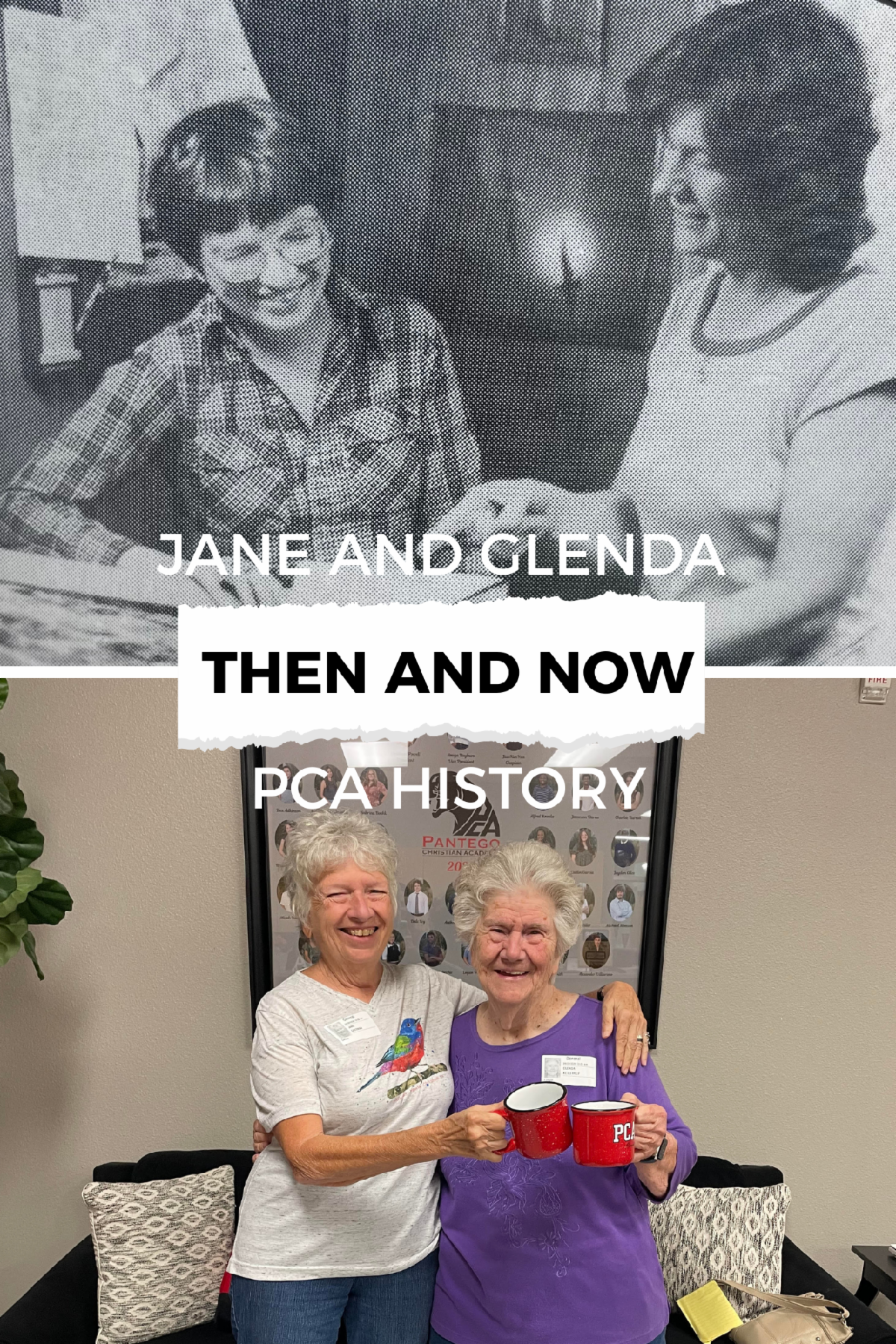
A few months ago I had the pleasure of sitting down with Glenda Keilstrup and Jane Choun Eastman over a cup of coffee, two women whose history with PCA stretches back to the 1970s. As delightful and witty as ever, they are still fast friends and had just returned from a birding trip to the coast. As they laughed and reminisced, they were eager to share memories from the early days of PCA, even showing me a hand-drawn map of PCA's early campus and some notes about PCA's timeline.


Glenda’s journey with PCA began in 1974 when her daughter enrolled in kindergarten. At that time, teachers would visit each student’s home. During one of those visits, Glenda asked what foreign languages were offered, and when she learned there were none, she volunteered to teach German. Jane followed shortly after, arriving in 1975 when her husband (and beloved PCA teacher), Dr. Bob Choun, was hired at Pantego Bible Church as Minister of Christian Education. She began teaching art, Italian, and French.

The Story Behind the PCA Logo


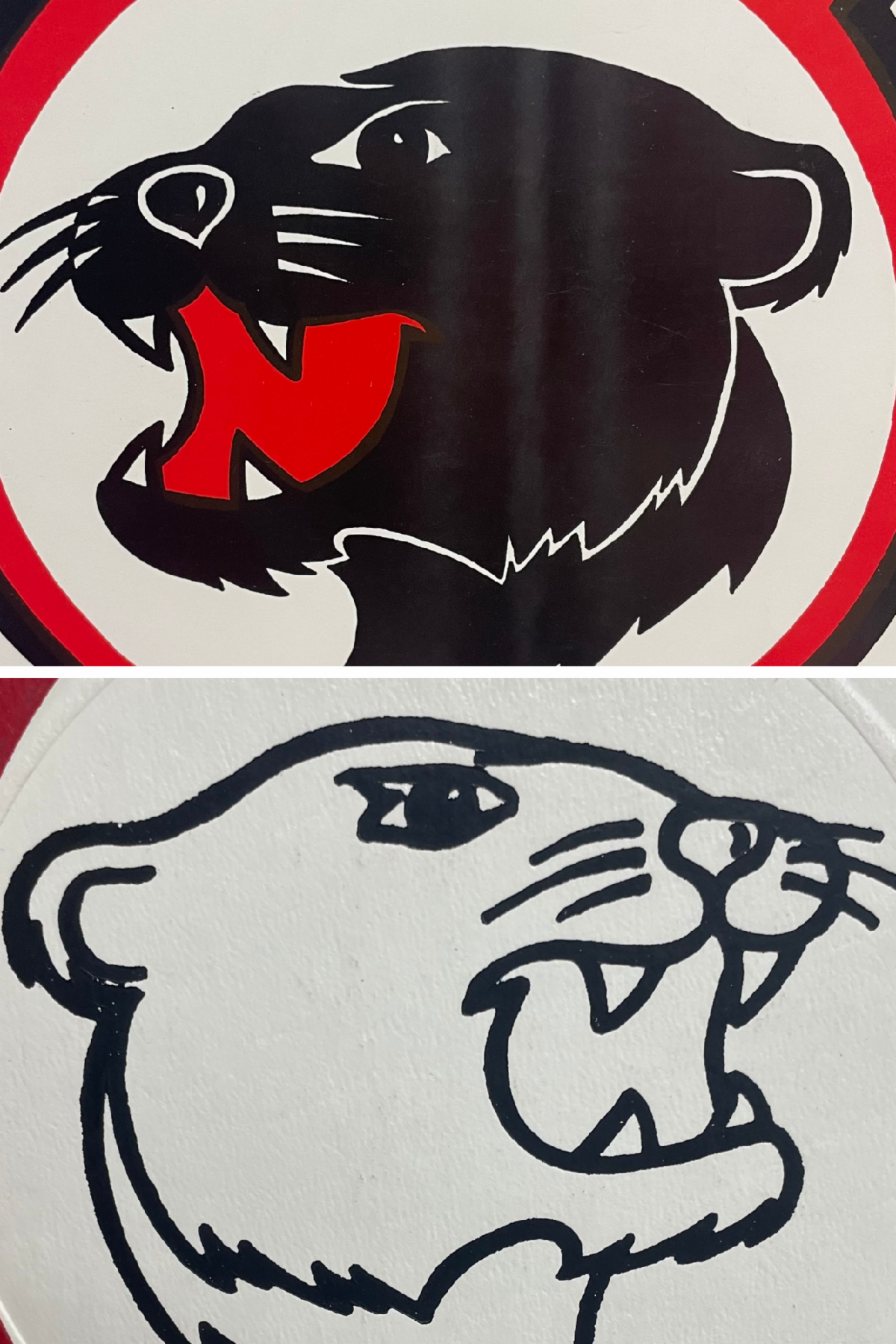
Jane is the artist behind one of the school’s most recognizable symbols, the Panther logo. Today, it is an iconic image both on campus and around town, but its beginnings were lighthearted. Jane remembers that the first version of the Panther looked too friendly.


As the story goes, Coach Hohulin approached her with a simple request: “Jane, we’ve got to do something about this Panther. It’s not intimidating at all! Can't we make it look meaner?” After several revisions, Jane eventually delivered the design that represents PCA today. 


The Origins of the PCA Fight Song


And while Jane shaped the look of the Panther, Coach Hohulin was the one who gave it a voice. He wrote the PCA fight song, which early alumni may not be aware exists: the song only gained familiarity once the school’s band program was established enough to perform it regularly at pep rallies and games. Since then, the fight song has become a cherished part of PCA tradition. (Cha-He-Cha-Ha Forever!)

The History of the Longhorn Lodge


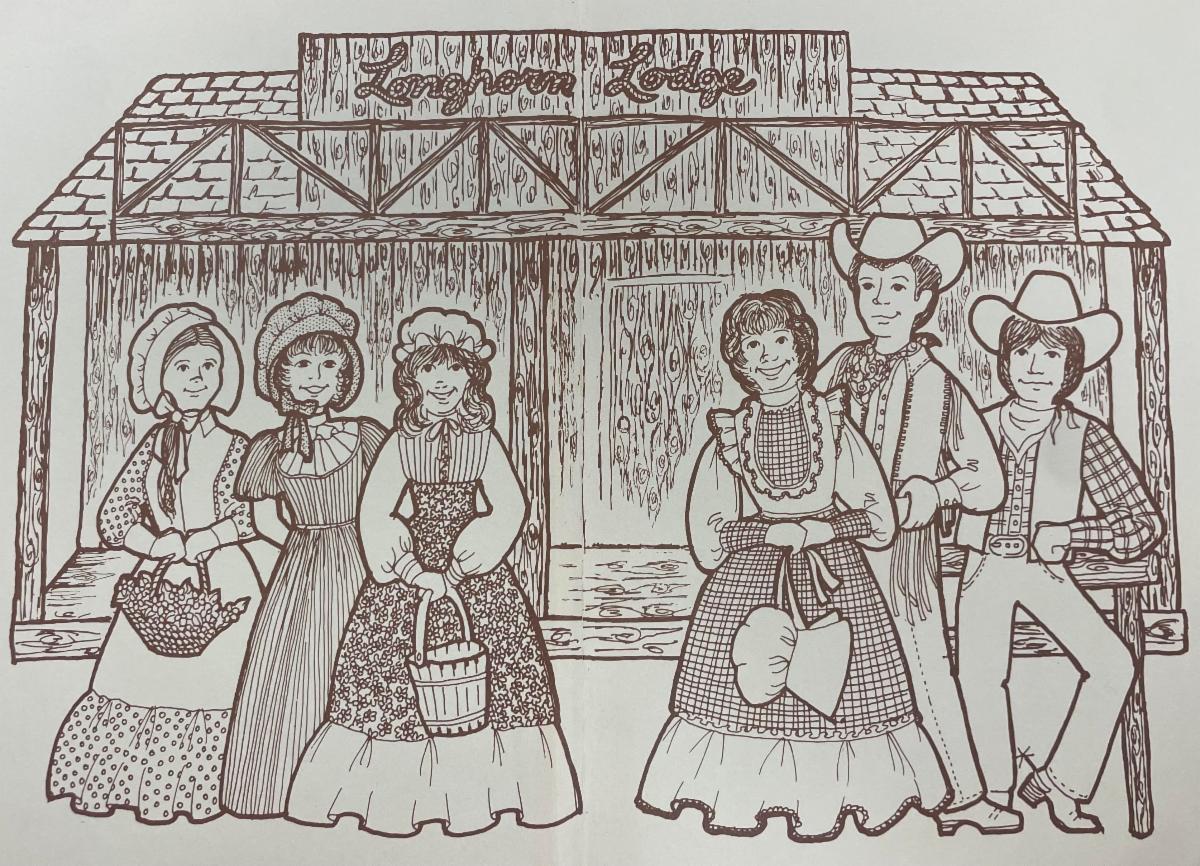
Many alumni have asked about the history of the Longhorn Lodge. As a child, I remember being fascinated by the Wild West-style building on campus. The only information Jane and Glenda could share was that the structure had been moved from another location to provide additional Sunday School space for Pantego Bible Church. They suggested I contact Sharon Wilson, whose great-grandfather founded the church on his front porch and whose mother was PCA's first kindergarten teacher.


Sharon remembers when the structure was moved around 1970 for PBC youth. Her father, Bill Sweany, was one of the men who moved the structure. Mr. Sweany was on the committee that helped build many of the buildings that still house PCA students today. She remembers during a cold snap the men had a large fire going outside what is now PCA’s cafeteria as they built what is now the Early Childhood wing. But the origins of the Longhorn Lodge remain a mystery!


Why PCA Was Founded


Sharon vividly remembers PBC Pastor Ken Kilinski approaching her parents with the idea of starting a school. Ken disliked seeing the facilities at PBC sit empty throughout the week and envisioned filling the campus with life and ministry each day. He saw PCA as a way to reach the community through preschool and kindergarten programs, and Sharon’s parents enthusiastically supported the vision. Sharon said that she likely would have been one of the school’s very first students if she had not been too old to attend at the time.

The New Braunfels Tradition


One of PCA’s most beloved traditions, the New Braunfels trip, also traces back to Glenda’s initiative. What began as a simple outing for her German students grew into something far more meaningful. Over time, the trip evolved into a school-wide tradition, becoming a reward for students who had good behavior. For 28 years, Glenda chaperoned the trip.


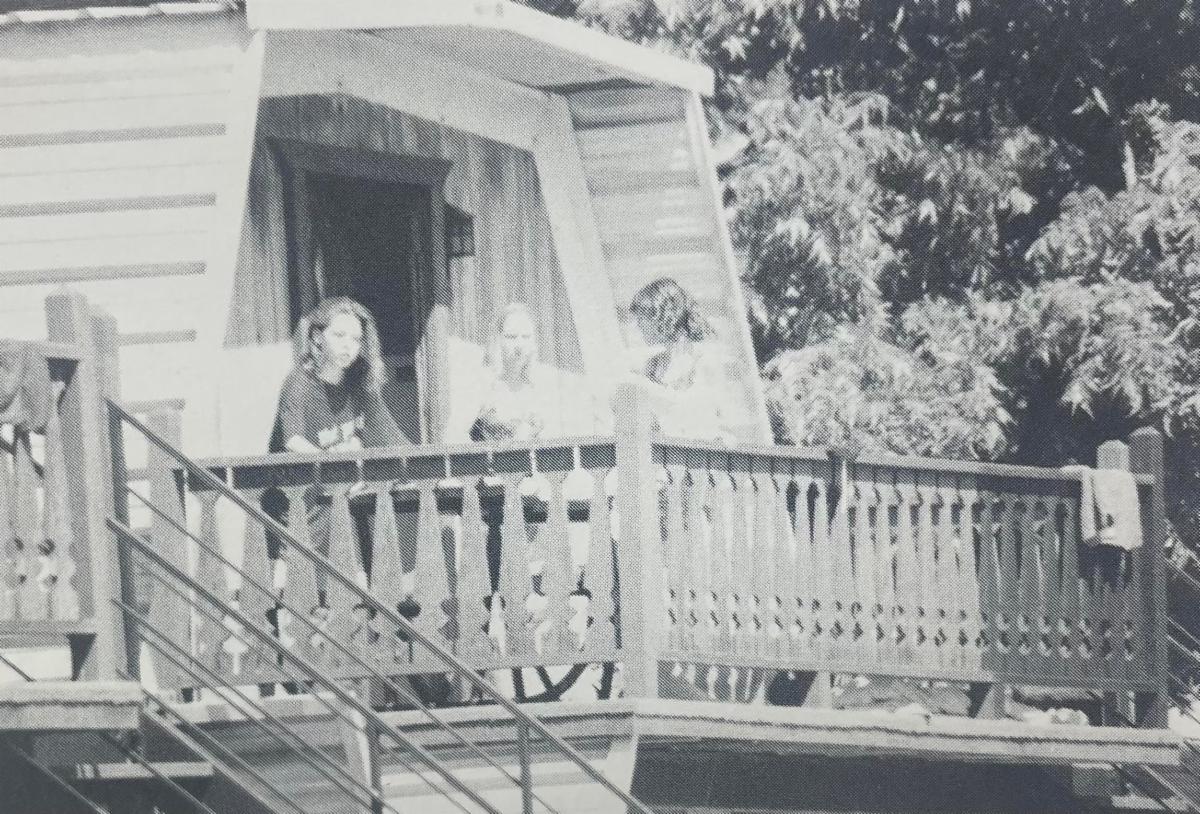
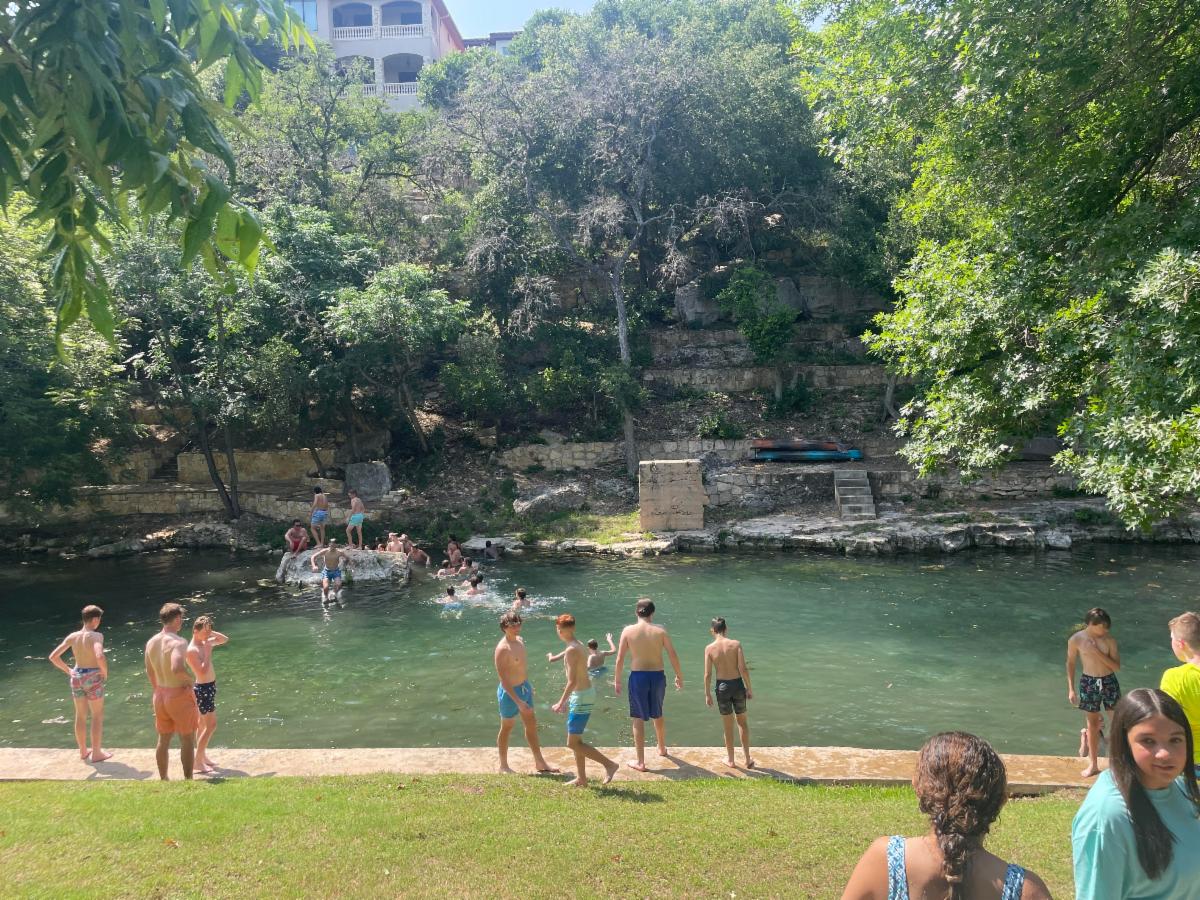
More than four decades after that first visit to New Braunfels, the excitement surrounding the trip remains as strong as ever. Students still stay at the Heidelberg lodges and swim in the river. Glenda saw the trip as an opportunity for students to grow in responsibility and independence. Students cooked for themselves and were expected to maintain their cabins. In many ways, the trip became a rite of passage, offering lessons that extended far beyond the classroom. And the trip is still very much the same today. 

For Glenda, these trips were never just about the destination. “The trips build camaraderie among teachers,” she reflected. “They strengthen the bond between teachers and students. Kids get to see their teachers as people who join in, play games, and have fun. These experiences were valuable social lessons for all of us.” Even now, decades later, the impact endures. Former students, some now in their mid-50s, still recognize her in everyday places and fondly recall their time on those trips.


What Encouragement Have You Found from PCA?


As she reflects on PCA today, Glenda is encouraged by what has remained constant. She points to the enduring sense of community, the presence of longtime faculty, and the generations of families who continue to call PCA home. That continuity, she believes, is one of the school’s greatest strengths. It preserves its identity, honors its history, and serves as a reminder of the perseverance and dedication that built the foundation students benefit from today.

Facebook  X  Instagram