Summer’s algae stresses the importance of nutrient monitoring | | |
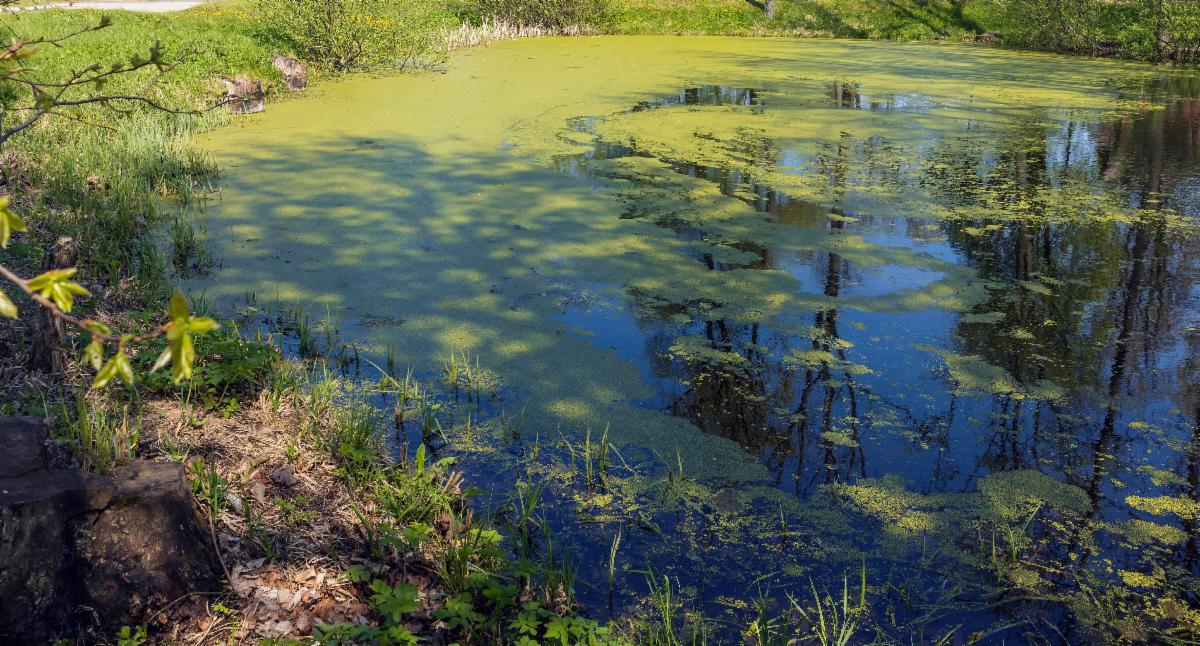
Green. Arguably the color of summer, green is found everywhere, from beautifully tended lawns to rows of corn growing in the field. Warmer temperatures accelerate organic growth until the color appears everywhere — including in our bodies of water. And while bright green mats of algae covering a pond or lake may seem like a seasonal nuisance, they are often a visible sign of a much larger water-quality issue tied to a nutrient imbalance in the surrounding environment.
Within the agricultural world, nutrients represent both opportunity and risk. Nitrogen and phosphorus are essential for healthy crop growth and agricultural productivity, yet when these nutrients move beyond the plant and enter nearby waterways, they can contribute to harmful algal blooms, oxygen depletion, impaired aquatic habitats, and declining water quality. Understanding where these nutrients originate and how they move through a watershed is critical to preventing water-quality degradation and reducing fertilizer losses. That's where nutrient monitoring comes in.
Nutrient monitoring allows us to identify trends, measure nutrient loads, evaluate the effectiveness of Best Management Practices (BMPs), and support science-based decision-making by collecting and analyzing water-quality data over time. Effective nutrient monitoring provides valuable insights into how weather patterns, land use changes, fertilizer application schedules, irrigation practices, and watershed conditions influence nutrient transport. Rather than relying on assumptions, our Waterborne scientists provide measurable data that help our clients understand what is working and where improvements can be made. Because nutrient monitoring delivers benefits that extend far beyond regulatory compliance, growers and land managers see an added benefit from...
>> Read the full article
| | When river restoration benefits both native and invasive species | | |
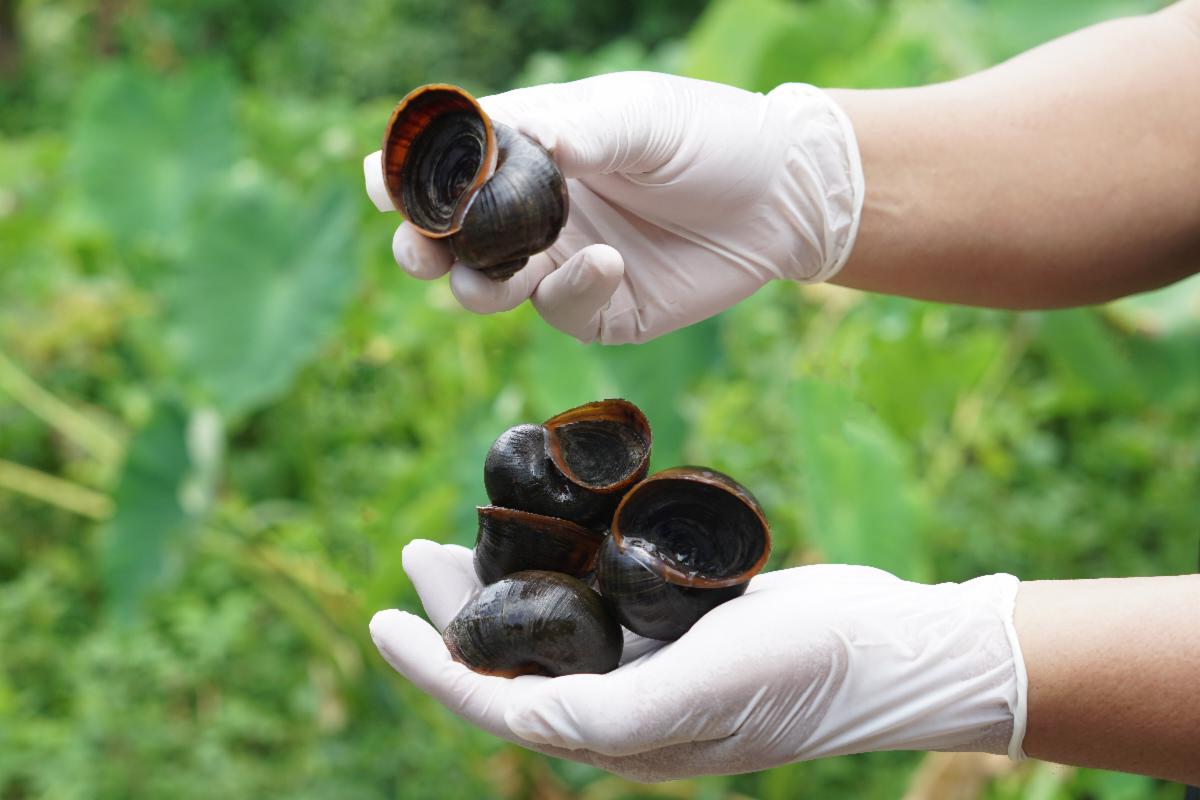
In recent years, removing dams and other barriers from rivers has become one of the most widely adopted strategies for restoring freshwater ecosystems. In fact, between 2020 and 2025, 2,200 dams were removed from Europe's 1.2 million barriered waterways. The goal is to bring back what once was, before industrialization and technology changed the landscape. Just last month, we shared an article on how re-meandering rivers improve habitats. With 25% of the world's freshwater species threatened with extinction, it's easy to grasp the motive for reconnecting fragmented waterways: to improve fish migration, restore natural sediment transport, and support the recovery of native aquatic species. Yet, as with so many attempts to roll back the clock, there are cons working alongside the reconnection pros. Emerging research suggests that restoring connectivity, while for the overall good, can also create a new ecological challenge: giving invasive species a boost.
A recent study by Ellen J. Dolan, Jaimie Dick, and Ross Cuthbert, published in Global Change Biology, analyzed data from 45 freshwater restoration projects worldwide to determine how native and non-native species responded after river barriers were removed. Fortunately, the team's findings showed that native species generally experienced stronger long-term recovery than invasive species following restoration efforts. However, the study also identified a significant increase in invasive freshwater invertebrates across many restored waterways, highlighting what researchers call a “connectivity conundrum.” As rivers become more connected, they not only facilitate the movement of native wildlife, such as the endangered and migratory Atlantic salmon, but also provide pathways for invasive species to expand their range...
>> Read the full article
| |
New Waterborne Publication:
Comparison of aquatic system models using outdoor mesocosm data for ecological risk assessment, part II: results and outlooks
| |
Can aquatic system models (ASMs) be adapted for Ecological Risk Assessment (ERA) to represent mesocosm studies and extrapolate observed dynamics to wider environmental conditions?
To answer this question, Waterborne Senior Scientist Chiara Accolla, supported by Syngenta and partners Eawag, EBP, Gaiac Eco Assessment & Research, GSI Environmental Inc., Integral Environmental Solutions, Institut für Gewässerschutz Mesocosm GmbH, Stantec, and Amelie Schmolke, recently compared the performance of four prominent models (AQUATOX, CASM, StoLaM+, and Streambugs) through an ambitious ring study.
This collaborative effort included mesocosm studies for data collection, data analysis, model application to relevant studies, and model comparison based on criteria developed by the authors. This ring study establishes a basis for adjusting models to mesocosm studies and proposes possible solutions towards advancing capabilities in using ASMs to inform ERA. To dig more into the details, check the three peer-reviewed publications and one comprehensive data repository that resulted from this massive effort (in order of publication):
Mesocosm Data Collection & Analysis:
Ring Study Methodology:
Comparison of Modeling Results:
Congratulations, Chiara!
>> See More Waterborne Publications
| | |
Can machine learning make up for limited data on water evaporation?
A new study shows that machine learning can estimate how much water crops lose to the atmosphere, helping with efficient irrigation planning and water resource management.
Research turns ocean water into drinking water, leaving no waste behind
Researchers have developed a solar-thermal desalination process that requires no chemical additives, produces no liquid brine discharge, and recovers dissolved minerals, including lithium in solid form, from the desalinated residue.
How thousands of small farms collectively shape water demand in a water-stressed region
New research provides insight into how water is distributed among small farms and large commercial operations, offering data that could help shape future water management and conservation strategies in dryland regions.
Fog Is Teeming With Life, And It May Be Doing Us a Surprising Favor
Researchers have found that bacteria are living and growing inside droplets of water in fog, at concentrations comparable to seawater. They've been found to break down pollutants in the air.
Weakening of a major ocean-current system is causing temperatures to drop in a patch of the Atlantic Ocean. If the AMOC collapses entirely, fisheries and agriculture across Europe could be badly affected, worsening food insecurity.
| | |
Waterborne Environmental is a renowned consulting firm that has provided innovative solutions to the world’s most complex environmental problems since 1993. Our experienced, unbiased scientists and engineers work across industries to evaluate environmental, ecological, and human risks. Our work spans across industry and regulatory agencies to support the balance in the needs of a growing population with the environmental impact on our valuable natural resources.
Our The Current Newsletter is published monthly. Visit us online to find more articles, videos, and information about our work. Click here to contact us.
| | |
Waterborne Environmental Inc.
CORPORATE HEADQUARTERS
893-C Harrison Street SE
Leesburg, VA 20175
Phone: +1 (703) 777-0005
| | | | | | |