|
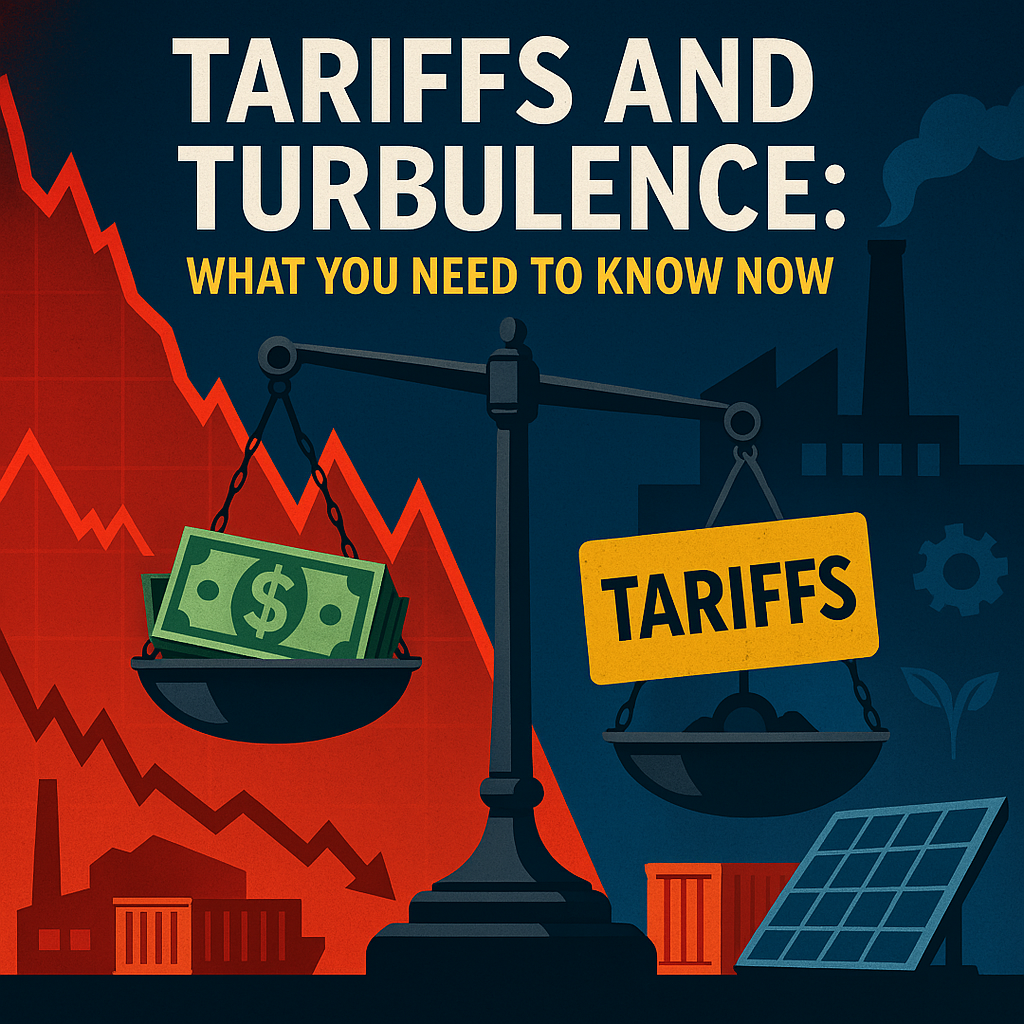
The International Trade Commission backed solar tariffs as high as 3,521 percent in a vote Tuesday, shaking up a renewable industry facing multiple headwinds from potential congressional rollbacks of tax credits and cuts in federal spending.
The ITC, a nonpartisan federal agency, concluded unanimously that U.S. manufacturers were “materially injured” by imported solar cells and panels from four Southeast Asian countries. The Commerce Department had affirmed the tariffs against Cambodia, Malaysia, Thailand and Vietnam in April after an investigation that started during the Biden administration, but the final ITC determination sets the stage for actual enforcement of levies.
The decision is a win for several U.S. solar manufacturers — including industry leader First Solar — that filed a petition claiming China was unfairly subsidizing companies in the four countries to illegally dump solar components into the market. Cambodia, Malaysia, Thailand and Vietnam supply most solar panels coming into the U.S.
Solar manufacturing leaders called the tariffs a victory, but said legislation under consideration in Congress could counter beneficial effects for building out a U.S. industry.
“This ruling is a step forward in addressing China’s continuing efforts to undermine the U.S. manufacturing rebuilding effort,” said Mike Carr, executive director of the Solar Energy Manufacturers for America Coalition. “Unfortunately, Congress appears to be about to take two steps back by retroactively repealing the tax incentives to purchase domestic products … all the trade protections in the world won’t make a difference if Congress backtracks on its commitments to reshore this critical industry.”
GOP lawmakers have been weighing legislation as part of the budget reconciliation process that would phase out or weaken various provisions and tax incentives under the Inflation Reduction Act benefiting the solar industry, including credits for advanced manufacturing.
The Solar Energy Industries Association, the leading U.S. industry trade group, called the ITC decision “concerning,” saying it would add an additional layer of tariffs that will raise costs for solar products.
“U.S. solar cell manufacturing is growing for the first time in years, but it is still not at the scale needed to meet demand. This determination especially harms U.S. solar module producers that depend on access to imported solar cells as we ramp up domestic cell manufacturing capacity. Imposing additional tariffs on cell imports at this stage risks stalling progress and undermining the very industry they are meant to support,” said Abigail Ross Hopper, SEIA’s president and CEO.
SEIA released an analysis Monday concluding that legislation that moved through the House Ways and Means Committee this month could jeopardize 300 solar and storage factories and reduce solar generation by 2030 equivalent to the annual electricity consumption of Pennsylvania.
Domestic production of solar panels has surged sixfold since 2023 with help from climate law incentives for manufacturing and purchases of American products. Solar manufacturing jumped from less than $1 billion in annual investments in 2022 to nearly $6 billion last year, according to Rhodium Group.
The new tariffs affect companies and countries at various levels. The 3,521 percent tariffs would hit some companies in Cambodia, which decided to stop participating in the yearlong U.S. investigation. Other tariffs range from roughly 14 percent to as high as 972 percent. The country averages are approximately 652 percent for Cambodia, 34 percent for Malaysia, 375 percent for Thailand and 396 percent for Vietnam.
Tim Brightbill, the lead counsel for the domestic manufacturers, said Tuesday the Commerce Department has a “rigorous process” in calculating tariff rates. “We’re not trying to cut off imports entirely, we just want to make sure they are fairly traded so that U.S. manufacturing can succeed,” he said.
Despite the high percentage of panels coming into the U.S. from Southeast Asia, Carr said he didn’t believe the tariffs would spike costs for solar installations. The cost of solar components is “very low” compared to factors such as financing and interconnection challenges, he said.
Reprinted and edited by Robert W. Benedict III
What you can do if you require modules
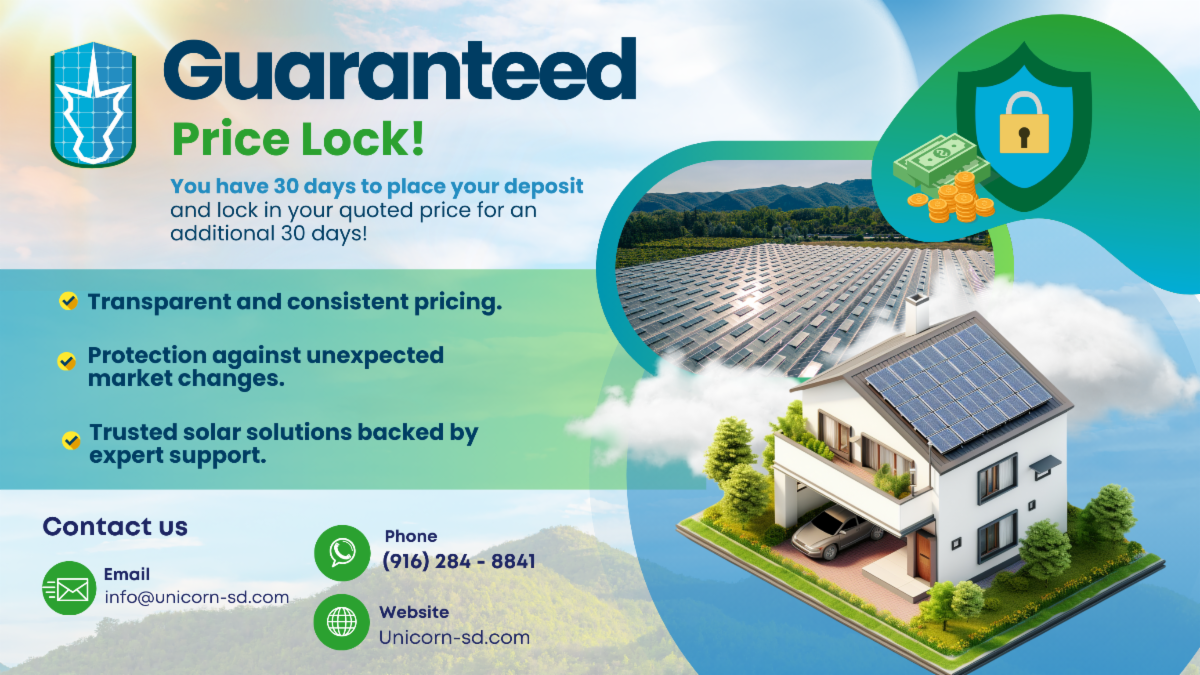
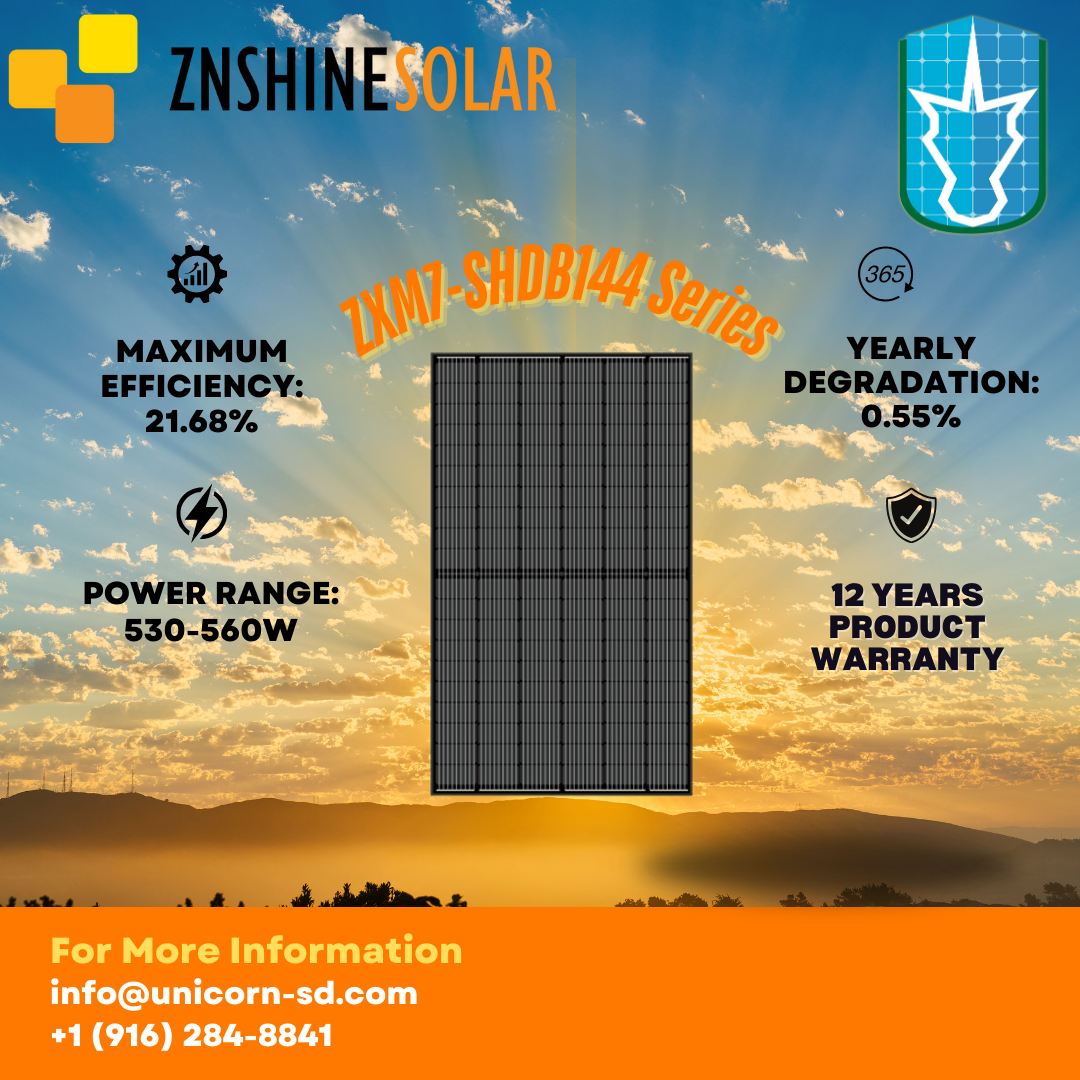
Unicorn Solar invites you to contact us to determine how low your module pricing can be for Tier 1 modules and batteries. They plan to visit a few other countries now involved with setting up factories. These additional countries have only the 10% tariff that was imposed on all countries worldwide. Unicorn Solar understands the value of solar developers, investors, EPCs, and installers getting modules at pricing that keeps their projects alive with healthy returns.
Video clips of the factory visit.
If you want to see video clips and photographs of some of the factories, Unicorn Solar will upload them to their website within a few days. Please get in touch with us directly; we will gladly share them with you. Here is the first video from Robert's trip: Inside Unicorn’s Factories featuring Robert’s trip to Asia
Watch the video in a factory here: Quality you can trust!
Robert's trip to Asia - Episode 1
Inside Unicorn’s Factories featuring Robert’s Trip to Asia - Episode 2
Unicorn Solar is exhibiting at RE+ Booth F15652.
Please note that if you are attending RE+ next month, please visit us at booth F15652. We would love to meet you and help you save money. The Unicorn executives have 20 and 19 years of experience in the solar industry, and we should be able to assist you with any needs, wants, or requirements you have.
|