The Kids Aren't Playing. Neither Are We.
What happens when a generation loses its taste for doing nothing in particular
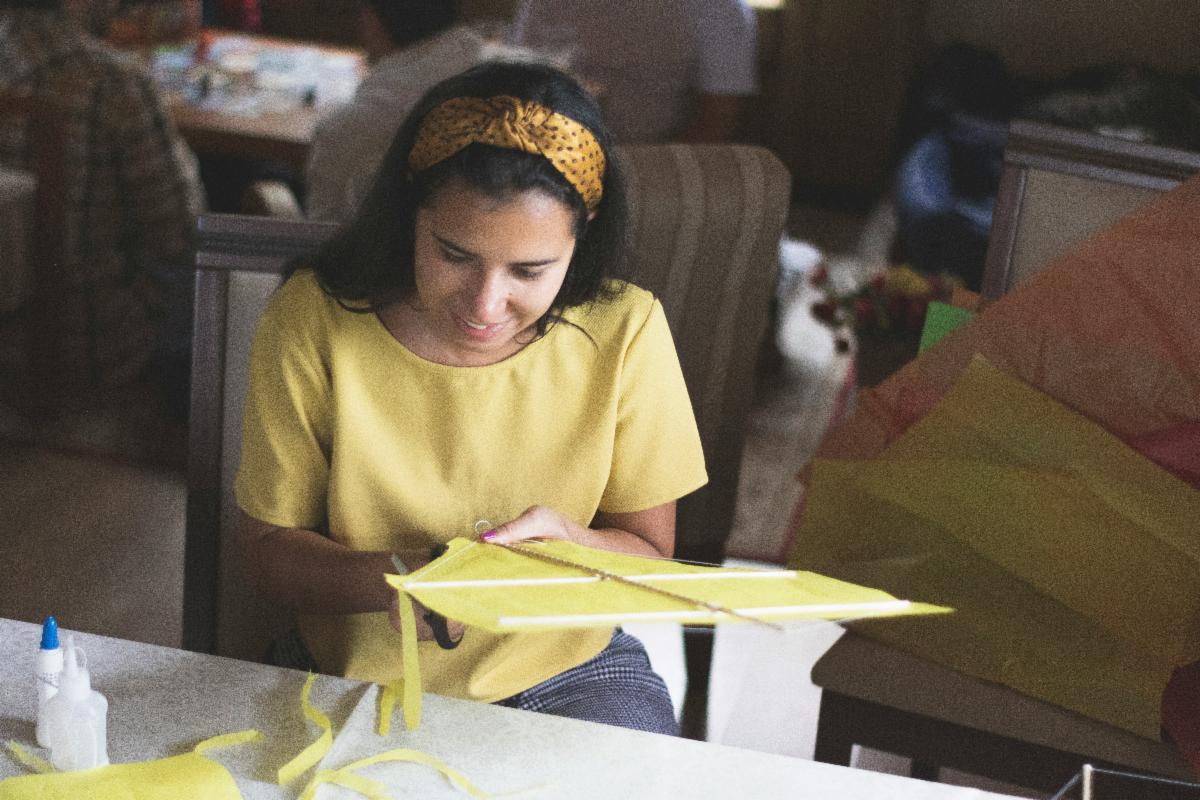
| | A recent essay in Aeon opens with a small scene: a father watches his kids ignore a board game's actual rules to build something imaginary out of its pieces, and realizes he's forgotten how to do that himself.¹ Turns out, play is a a biological system, as real as sleep or appetite, and there's a growing body of research on what happens when we stop using it. | | |
What play actually does in the brain
Play isn't just "fun" - it triggers a specific, measurable set of changes.
Dopamine rises, which increases motivation. Endorphins rise and cortisol drops, helping the body feel safe rather than on alert. A protein called brain-derived neurotrophic factor (BDNF) gets released, which helps the brain form and repair connections.² Neuroscientist Jaak Panksepp, one of the first researchers to study this seriously, found that play circuits sit deep in the brain - the same primitive region shared across mammals - which is part of why rats, dogs, and humans all seem to need it in similar ways.³
The clearest evidence comes from what happens when play is taken away.
In animal studies, young rats denied rough-and-tumble play grew into adults who struggled to recover from stress - they stayed hidden and withdrawn even once a threat was gone, while rats that had been allowed to play bounced back quickly.³ Human studies point the same direction: children raised in severely play-deprived environments, such as some Romanian orphanages, showed measurable differences in brain development.³
Play is a part of what builds the capacity to handle stress.
| | |
Why adults still need play
It's tempting to file all of this under "child development" and move on. But play researcher Dr. Stuart Brown, who has spent decades studying what he calls "play histories" in people from all walks of life, argues that the biological drive to play never turns off in adulthood - we just get better at suppressing it.⁴
Psychoanalyst D.W. Winnicott made a related point decades earlier: unstructured play, with no goal attached, is part of what allows adults to feel genuinely present in their own lives, rather than simply complying with a script written by work, habit, or a screen.⁵ Historian Johan Huizinga went further still, arguing that play isn't separate from serious human achievement - it's the root of it, the source of much of our art, law, and ideas.⁶
| | |
Kids are being trained out of play
This matters even more for the next generation, because children learn what "playing" looks like largely by watching the adults around them - and by what their days actually leave room for.
Social psychologist Jonathan Haidt argues in The Anxious Generation that childhood has been "rewired," with hours that used to go to free, unsupervised play now going to screens, and that this shift tracks closely with rising rates of anxiety and depression in kids.⁷
Researcher Peter Gray has documented the same trend over a longer timeline: structured, adult-organized activity and screen-based entertainment have been steadily replacing open-ended, child-invented play for decades.⁸
The result isn't that kids don't want to play without a goal or a screen - many have simply had less and less practice doing it.
| | |
What healthy play actually looks like
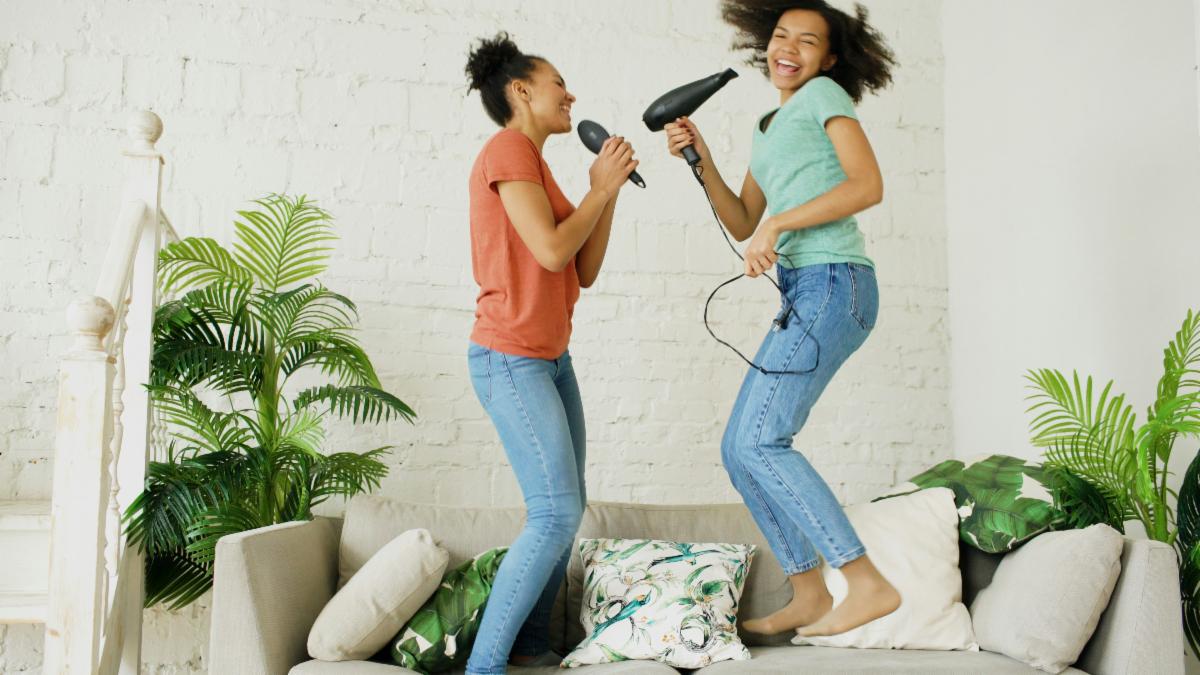
The research points to a few simple markers: it's voluntary, not assigned. It has no real-world stakes or score attached. It can be interrupted or changed on a whim. And it's genuinely enjoyable in the moment, not something you're doing for the outcome. That can look like a walk with no destination, an evening spent building something with your hands, or a kid's board game turning into something the instructions never intended, with you joining in.
| | |
What to do next
So here's a little challenge: this week, do one thing with no goal, no score, and no point - and see how it feels. If you want to talk through how stress or burnout is showing up for you or your family, we're here.
Contact RCM Health: 647-350-5500 | info@rcmhealth.ca | www.rcmhealth.ca
| |
|
Raymond Rupert | CEO
RCM Health Consultancy Inc.
647-350-5500 | info@rcmhealth.ca | rcmhealth.ca
References
-
Play is doing its work even if we're not keeping score. Justin Neuman, Aeon, 2026.
-
"The Neurobiology of Play: The Healing Power of Play." Dr. T. Raster, 2026.
-
Panksepp, Jaak. Affective Neuroscience: The Foundations of Human and Animal Emotions. Oxford University Press, 1998; and Brown, S., interviews on play deprivation research, National Institute for Play (NIFPlay).
-
Brown, Stuart, and Christopher Vaughan. Play: How It Shapes the Brain, Opens the Imagination, and Invigorates the Soul. Avery, 2009.
-
Winnicott, D.W. Playing and Reality. 1971.
-
Huizinga, Johan. Homo Ludens. 1938.
-
Haidt, Jonathan. The Anxious Generation: How the Great Rewiring of Childhood Is Causing an Epidemic of Mental Illness. Penguin Press, 2024.
-
Gray, Peter. "The Decline of Play and the Rise of Psychopathology in Children and Adolescents." American Journal of Play, 2011.
This article is for general information only and is not a substitute for individualized medical advice. Any changes to your routine, activity level, or stress management approach should be discussed with your treating physician.
| | | | |