Deer Exclosure Study Sites Serve as Real-world Experience for Students
<Written by Jacob Tepsa, Wildlife Ecology major at UW - Stevens Point.>
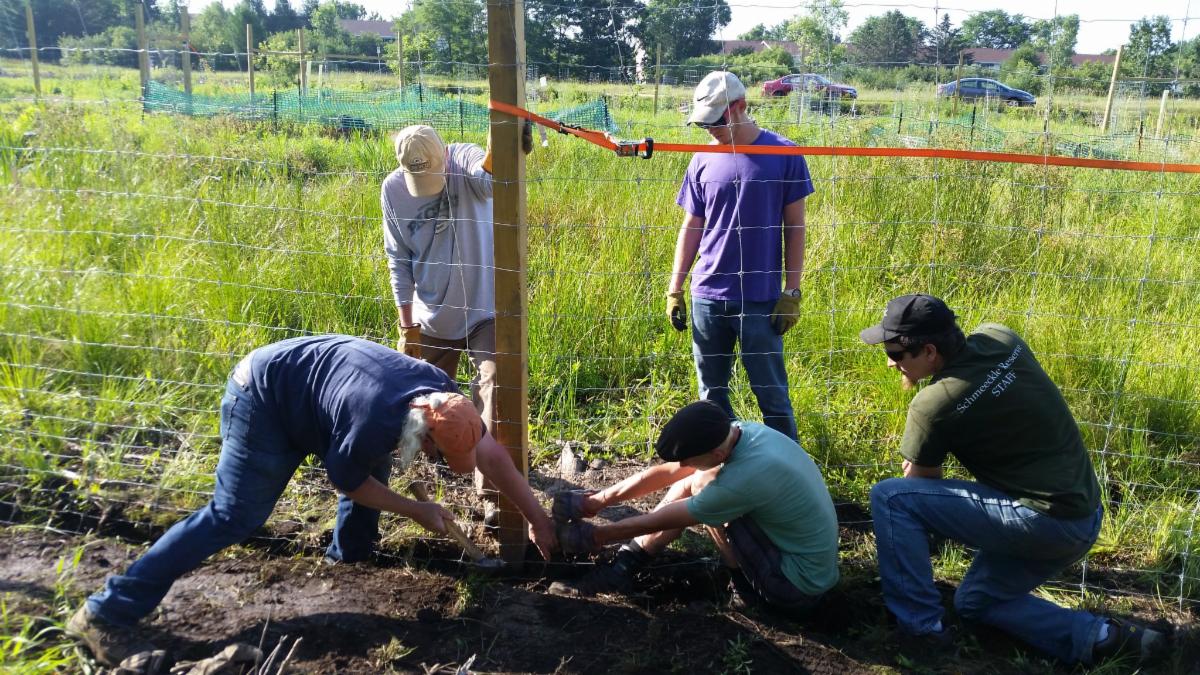
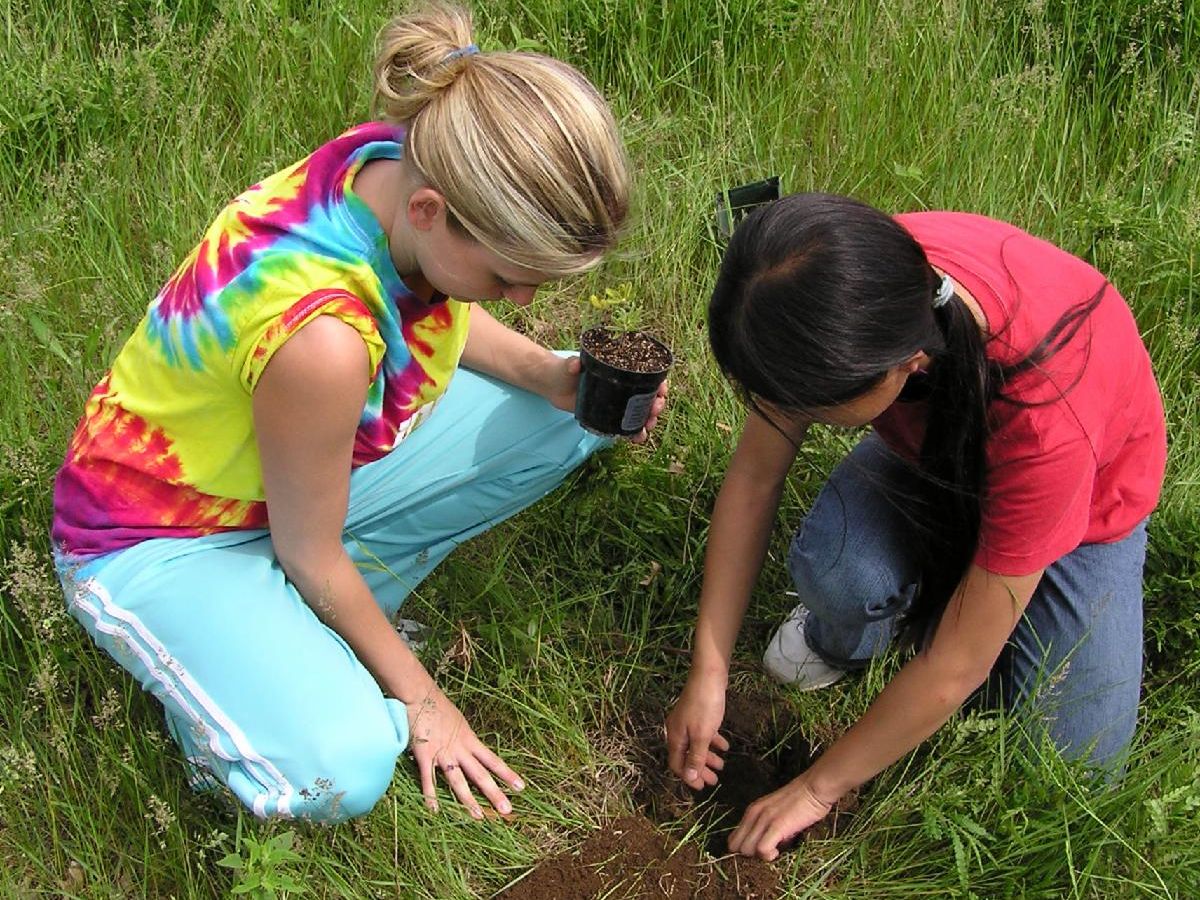
Attaching fence to post at Lake Forest Habitat Restoration deer exclosure site.
(photo credit Schmeeckle Reserve, UW-Stevens Point)
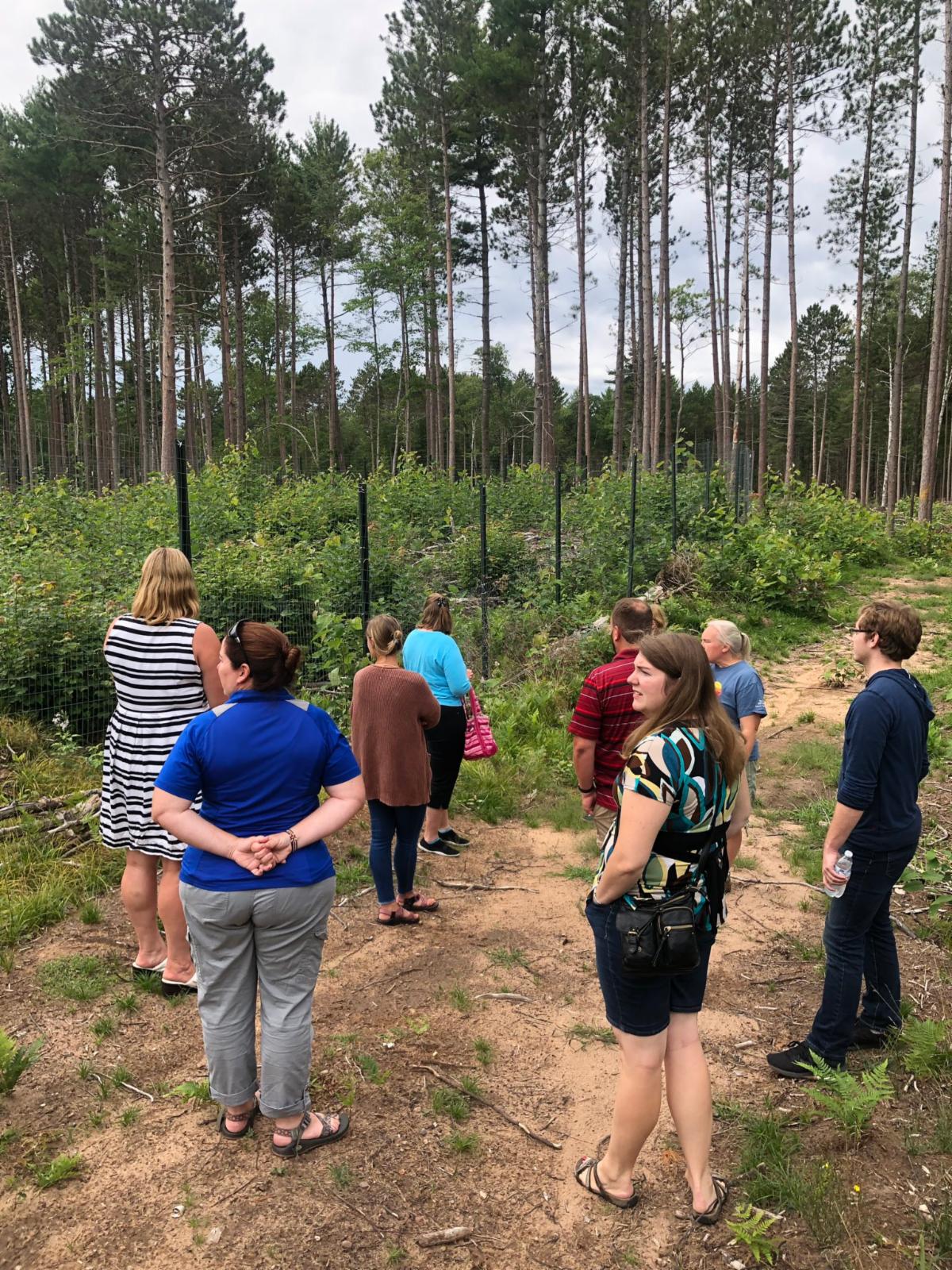
Looking for an exciting way to introduce a new research topic in your outdoor classroom or school forest? When there are large deer populations in one area such as your nearby forest, farm or neighborhood, damages to plants or crops are abundantly common. In the forest setting, large deer herds also influence forest regeneration by thinning the forest of important understory shrubs and flowers. On the other hand, smaller deer herds can have a positive effect by consuming highly competitive plant species and spreading seedlings of certain native species while foraging. One way to investigate the vegetation changes caused by deer browse is to have your students create a deer exclosure, limiting deer access to a study site. Have your students observe, record, and analyze how the changes impact the overall health and habitat of a forest.

Over the years, habitant diversity in the exclosure began to emerge with aspen tree saplings sprouting on their own and American burnweed growing well throughout the disturbed area. Students and volunteers continually assist with maintaining the site including the removal of invasive buckthorn. This is only one example in which deer exclosures are being utilized but there are many school forests in Wisconsin that have similar successful projects. Deer exclosures are not only a great opportunity to get students involved in the construction of such sites, but they also provide a real-world approach to the importance of forest management practices, species diversity, and so much more!
Boston School Forest Deer Exclosure Study
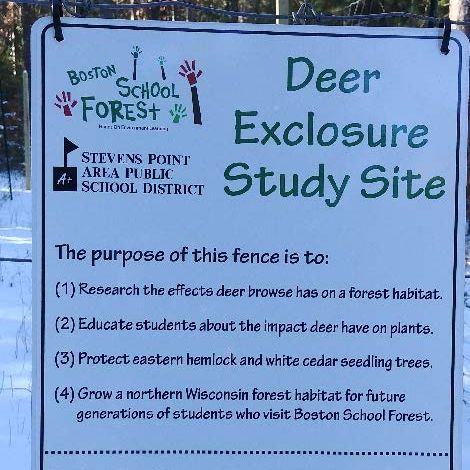
Boston School Forest established three deer exclosure study sites on the northern part of the 80-acre property in 2017 with a grant from the Natural Resources Foundation. The objectives of this project included 1) Protect the seedling trees from deer browse. 2) Grow a forest that is representative of a northern Wisconsin forest and features northern species of conifer trees. 3) Demonstrate to students the effect that deer populations have on an ecosystem. 4) Serve as a research study unit for both UW-SP and SPAPSD students.
Informational sign posted to the deer exclosure sites at Boston School Forest. (photo credit K. Lockman)
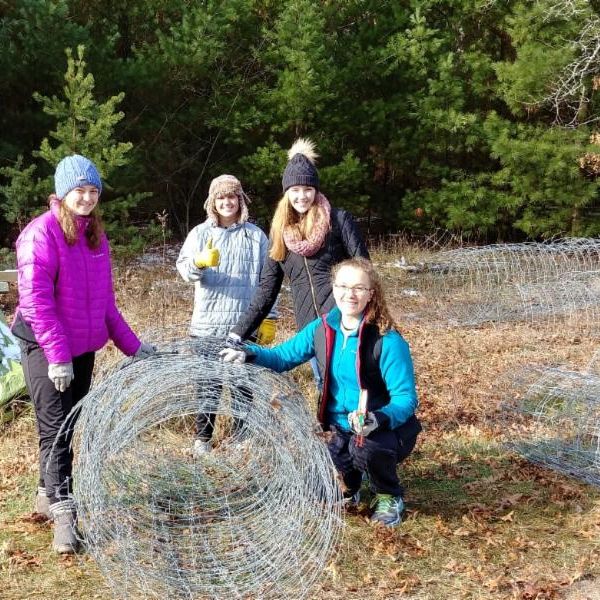
National Honors Society students from the Stevens Point Area Senior High measure and organize rolls of deer fence. (photo credit K. Lockman)
Northland Pines School Forest Deer Exclosure Study
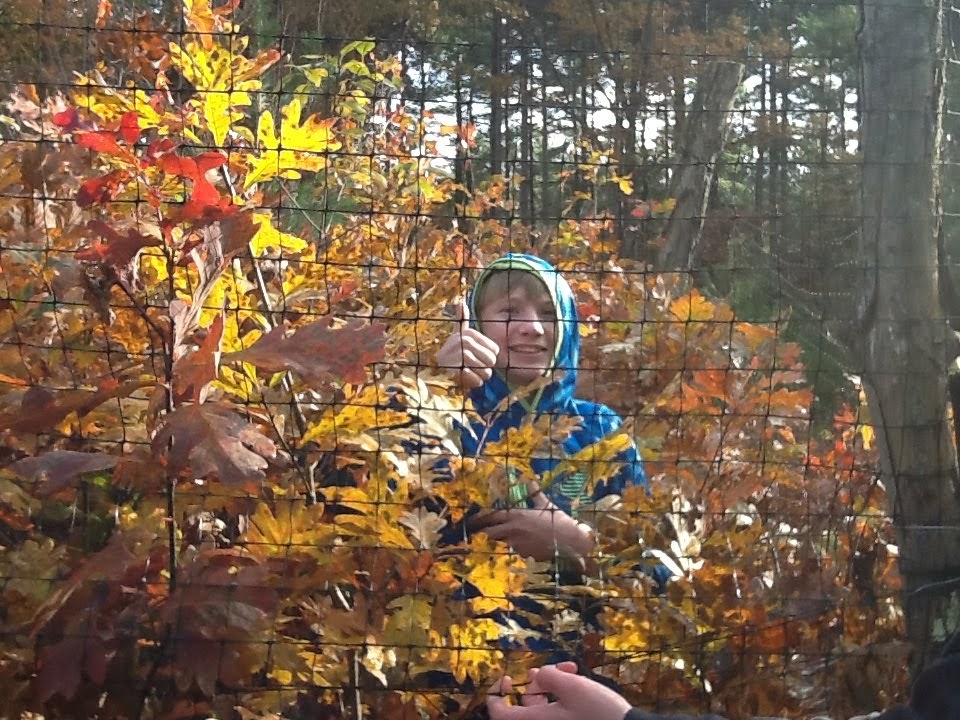
The Northland Pines school forest deer exclosure is ½ an acre in size with an 8-foot tall fence. It was built in October of 2018 in one day by students at the district’s SOAR charter school. On October 14th, as part of the district’s Futures in the Forest event, student scientists participated in a study of the forest floor inside and outside of the exclosure.
Princeton's School Forest
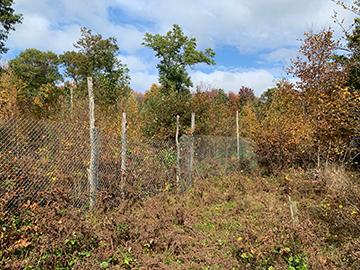
Deer Exclosure
Peshtigo's School Forest
Deer Exclosure
Step Outside and into Health and Wellness Engagement: Outdoor Classroom Leadership
If you want to know more about the benefits of getting students outside for projects like the ones above try out our Step Outside and into Health and Wellness Engagement: Outdoor Classroom Leadership online course. Participants learn how to conduct class outside on any type of school grounds (from urban concrete to rural forests) in order to engage and inspire students in learning.
LEAF Resources
Have questions or need additional resources? Contact us at leaf@uwsp.edu. We are here to support educators and students with forestry opportunities.
Published for November 2021