New research reveals how beech leaf disease, climate change, and plant conservation are reshaping forests.
March 24, 2025
30% of Beech Trees Killed by Beech Leaf Disease, New Study Shows
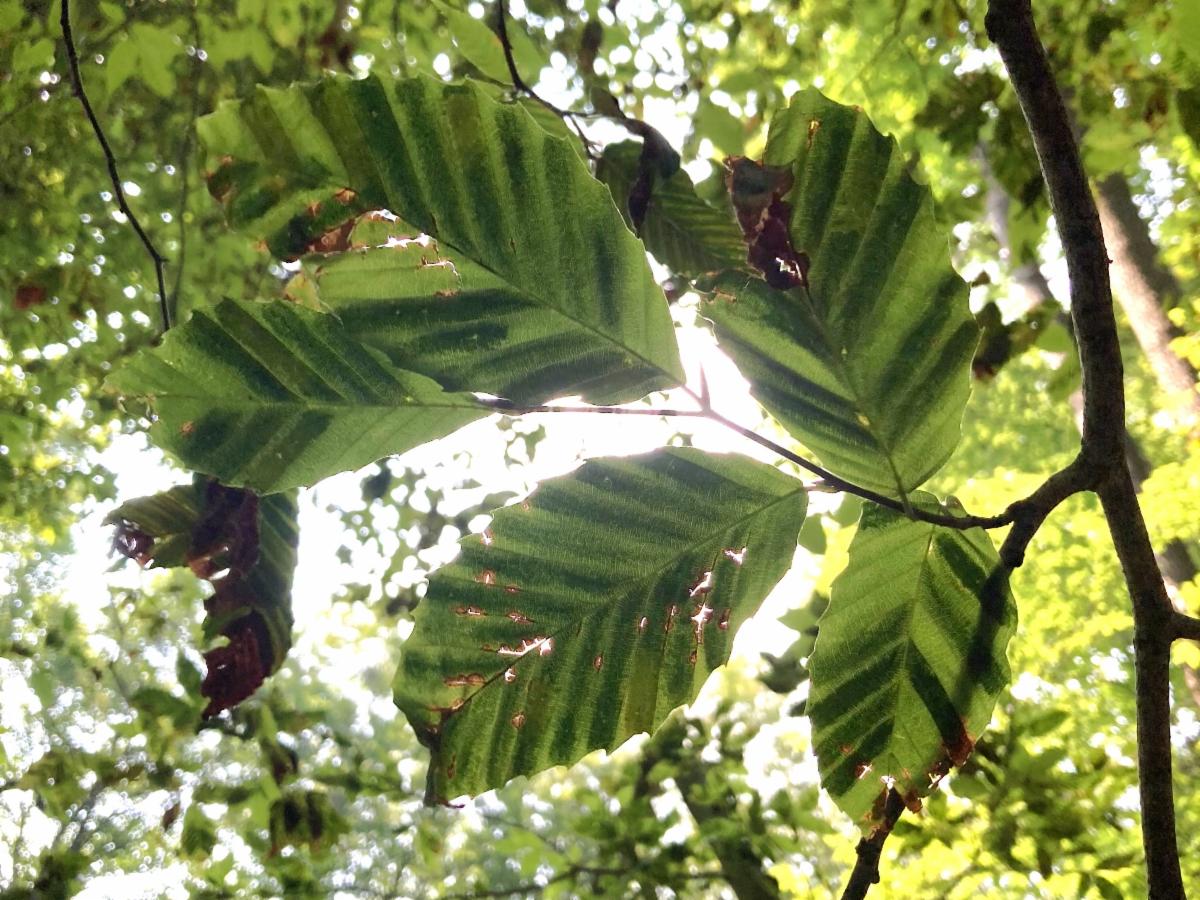
Characteristic beech leaf disease symptoms include dark stripes on leaves called interveinal banding and stunted or shriveled leaves. (Credit: Brianna Shepherd/Holden Forests & Gardens)
Beech leaf disease (BLD) is spreading rapidly across eastern North America, and new research from Holden Forests & Gardens reveals the toll it’s taking. A long-term study near the disease’s epicenter in Ohio found that 30% of tracked American beech trees have died, with survivors growing more slowly. This is the first study to quantify BLD’s long-term impact, and uses rare baseline data collected before the disease appeared. As mortality increases and forests change, researchers stress the need for continued monitoring and mitigation efforts. Read more at Holdenfg.org.
How Nonnative Plants Respond to Climate Change: Holden Arboretum Researchers Report
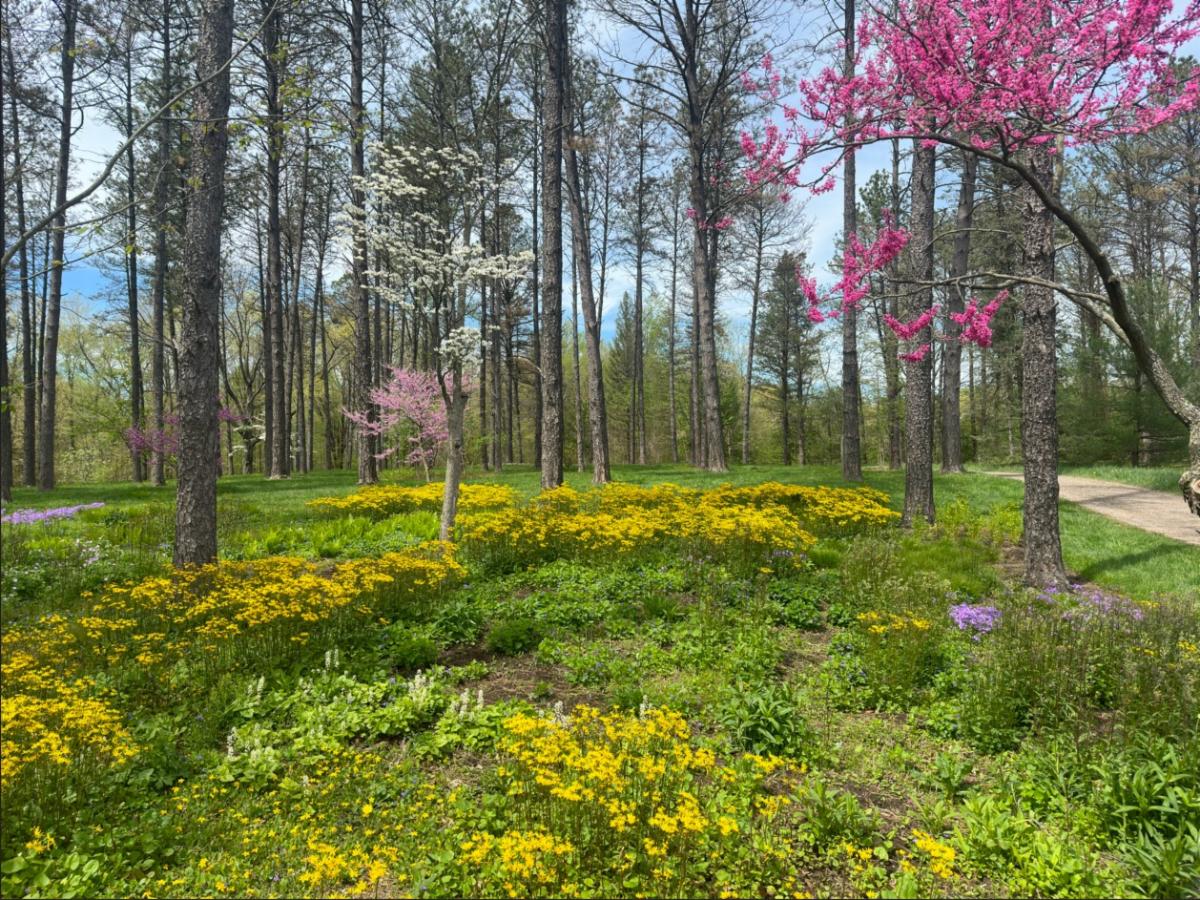
Early spring at HF&G. (Credit: Holden Forests & Gardens)
As the climate warms, some plants may gain a competitive edge over others. A new study from HF&G finds that nonnative plants often adjust their seasonal timing—like leafing out and flowering—more than native species in response to warming. This shift could give invasive species an advantage, altering ecosystems and species interactions. Researchers screened thousands of studies to identify broad patterns, offering new insights into how plant communities may change under future climate scenarios. Published in Annals of Botany, this research underscores the importance of studying these shifts to better anticipate and mitigate ecological disruptions. Read more at Holdenfg.org.
The Power of Plant Records: How Tracking Plants Helps Save Species
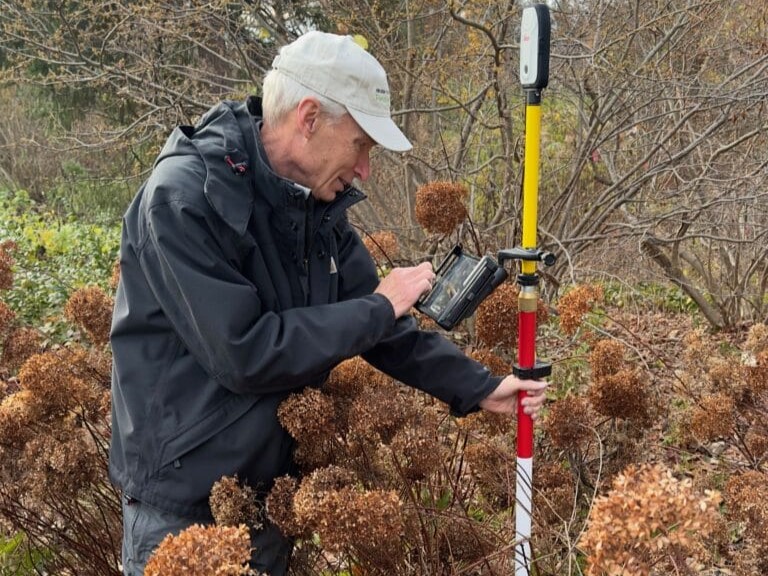
HF&G plant records curator Ethan Johnson at work. (Photo courtesy Tom Arbour/Holden Forests & Gardens)
Botanical gardens play a crucial role in plant conservation, but a new global study published in Nature Ecology & Evolution reveals they are at peak capacity—and struggling to keep pace with the growing number of threatened species. The study, which analyzed a century of plant records from 50 botanical gardens worldwide, including The Holden Arboretum and Cleveland Botanical Garden, highlights major conservation challenges. In this blog post, we go beyond the research, speaking with HF&G’s plant records curator, Ethan Johnson, about the behind-the-scenes work that makes these collections possible—and why meticulous record-keeping is key to the future of plant conservation. Read it at Holdenfg.org.
ICYMI: New! Holden’s® Rhododendrons
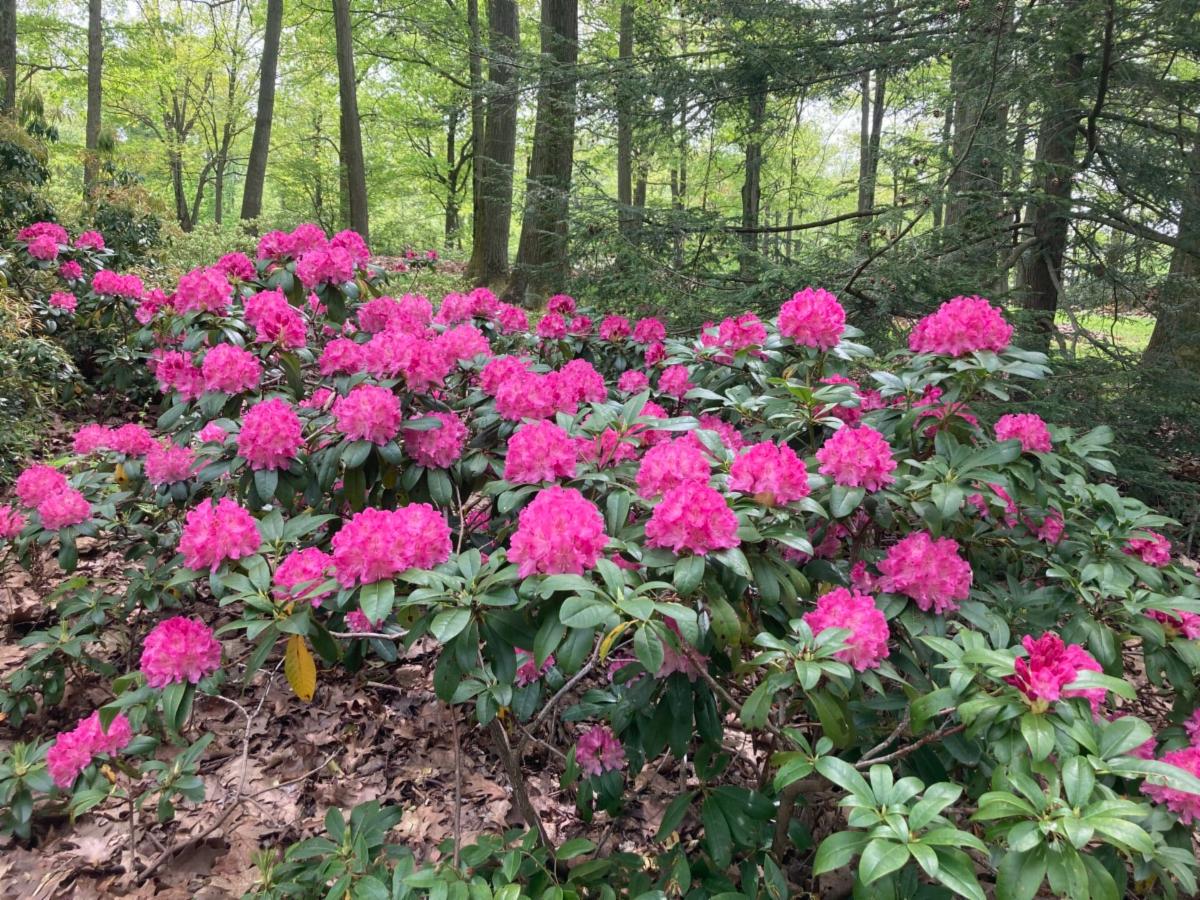
Holden Forests & Gardens recently introduced five new Rhododendron hybrids, bred for beauty and resilience. Developed by Dr. Stephen Krebs, former director of HF&G’s Leach Research Station, the new varieties are now available to growers and home gardeners: Holden’s® Fuchsia, Holden’s® Peach, Holden’s® Pink, Holden’s® Pink Flare, and Holden’s® Red. The hybrids have improved resistance to the root rot disease caused by Phytophthora cinnamomi, are hardy in Zone 5, and have exceptional ornamental appeal. Learn more at Holdenfg.org.
Enjoy this newsletter? Share it with friends and colleagues who might be interested in the latest research, conservation efforts, and innovations from Holden Forests & Gardens. If this was forwarded to you, you cansubscribe to this email list here.