January 4, 2021
Top stories
With the help of inspiring journalistswe learned about writing in many different ways over the last year — from sharing about personal loss to evoking emotions through detail; and finding your focus to turning your memories into a memoir. As we enter the new year, we reached out to our previous writing program instructors to hear about their 2021 writing resolutions.   

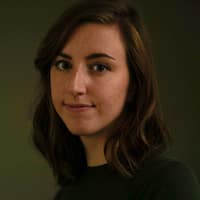
Current job: Enterprise reporter, Washington Post

What are your writing resolutions for 2021?

Contrera: I can’t wait until the day when doing in-person reporting is my default again, and I sure do hope that day comes in 2021. There’s simply no substitute for being in the room when someone is going through a moment that matters to a story, and while that’s not impossible now, it takes a whole lot more coordination, caution and calculated risk. I have a whole new appreciation for what a gift it is to be present with people, and I hope that my writing can reflect that. 

What lesson about writing most influenced your writing during 2020? What do you hope to learn in 2021?

Contrera: I learned how to keep writing even in moments of real fear, like when federal forces were firing tear gas and stun grenades at protestors and my colleagues who were sending me feeds from the ground. I was updating our story every few minutes, and I’ve never typed so fast while simultaneously shouting words not fit for print. In 2021, I hope to improve on just about everything, because there’s always another story to do. 

How did your writing change during the pandemic?

Contrera: My snack-to-sentence ratio is significantly more embarrassing. And I’ve relied on my journalism friends and my editor, Lynda Robinson, more than ever, to push me to keep trying to do ambitious work and to take breaks when I need them. 

Click here to read our Q&A with Contrera on her story that follows a burger from cow to customer.
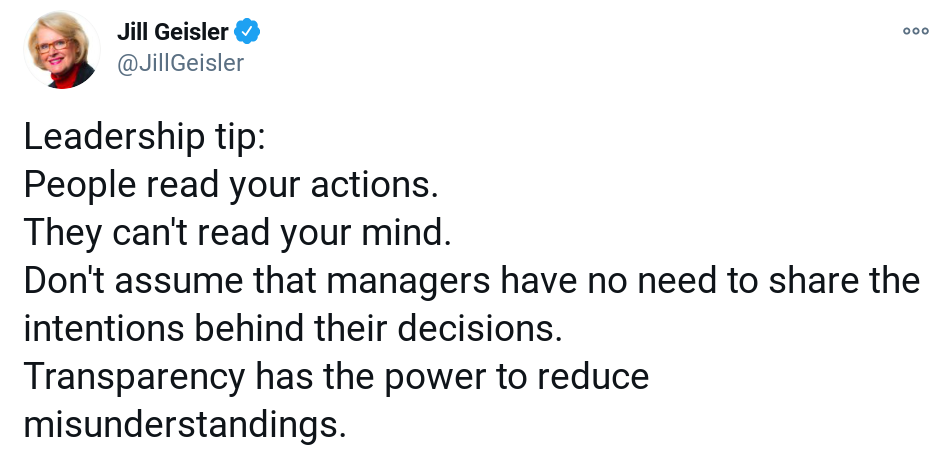
Let’s face it: We tend to read messages through the prism of our worst fears. Leaders can reinforce trust when they share the intention behind feedback or directions. When people share their intentions, they influence whether the message they really mean to share sticks the landing. Remember, your team watches what you say (and don’t), where you are (and aren’t), who you spotlight (and appear to ignore). As the person in charge, you may not be able to share everything you know. Be transparent about all you can, and vocalize your intentions.

Advice from Jill Geisler, Bill Plante Chair in Leadership & Media Integrity, Loyola University Chicago, Freedom Forum Fellow in Women’s Leadership

Click here to read Jill’s previous posts.
The next generation of journalists graduated in 2020 into a challenging job market unlike any other. We spotlighted them last summer, shared advice from their role models, and are checking in with them to see where they are now and what they’re learning about journalism. 

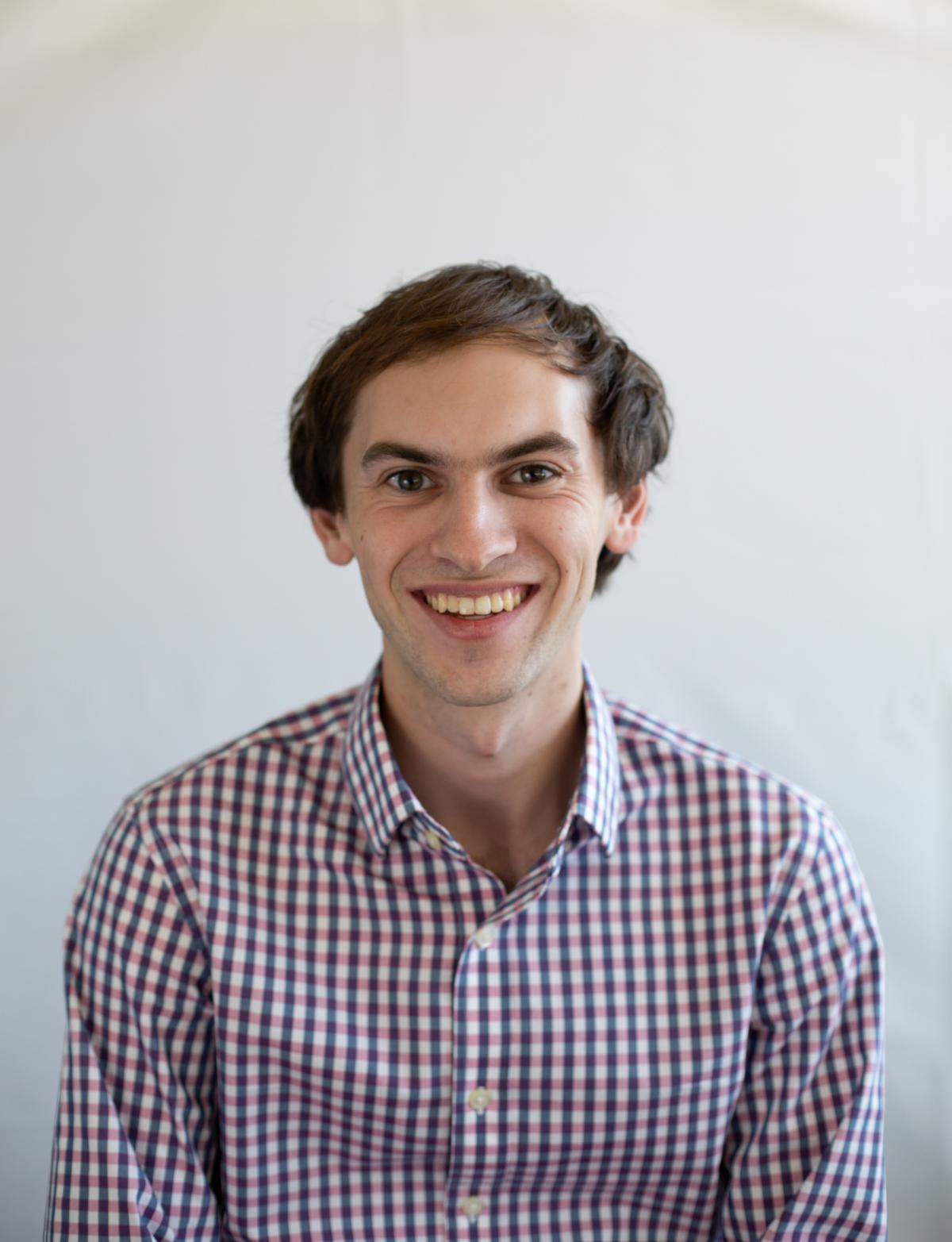
NameMichael Tobin
School: University of Oregon
Current Job: Bloomberg News
New wackiest storyThe national coin shortage

Where are you working right now?

Tobin: I’m working full time at Bloomberg News after interning (remotely) over the summer.

My first rotation at Bloomberg was on the foreign exchange/rates desk. I was completely new to the trade, and it was a steep learning curve. By the end of my first rotation, I produced a few stories I was really proud of after some coaching and mentorship from my editors and I felt much more confident.

What’s the biggest lesson you’ve learned on the job search?

Tobin: Eventually, the hard work that you put in will pay off. It can be really scary waiting to hear back on a job that can change your life, but you have to have faith in yourself and know that you’re good enough. It is scary to wait to hear back, but try and stay positive while you wait.

What’s been your best moment in journalism since graduation?

Tobin: Well, getting a full time job and moving to New York relieved a lot of stress, so that was a huge moment for me. I did a few fun stories about the Kodak film company getting approved for a loan from the government to develop drugs (bizarre, I know), which got the attention of an editor I really like and respect at Bloomberg. His compliments meant a lot! 

What do you wish you had learned as a student that you’re learning on the job?

Tobin: I wish I had been more persistent about contacting sources in college. I hated talking on the phone, but now it’s easy and a lot of fun. People also will talk more freely since they’re working from home, which is a good thing to keep in mind. 

Have your journalism goals changed since graduation, and if so how?

Tobin: I think my goals have changed. I’m more open to pursuing different types of business journalism stories (as opposed to covering one beat or company) and now I want to cover a sector or market like corporate bonds and debt. 

What’s the NEW wackiest story you’ve ever worked on?

Tobin: I did a fun story over the summer for Bloomberg Businessweek about the national coin shortage. I hadn’t seen a good story written about the coin shortage, so I set out to write one and interview the people who were most affected: coin laundromat owners. I found a laundromat owner who drove to six banks a day just to try and stock the coins for his machines. It was a completely bizarre problem, and one that is paradoxical in a way. There’s no coin shortage, the supply of coins remained the same, but there was a problem with coins not moving. It wasn’t a traditional shortage, which I found fascinating.

Apoorva Mandavilli, a science and global health reporter at The New York Times, shared how she’s taking care of herself during the pandemic:

“Now when I take days off, I actually try not to do work at all, whereas earlier, I worked every weekend. I am also reading books again (hallelujah!), watching TV that isn’t just comfort viewing of old favorites, and I still regularly work on the day’s crossword, Spelling Bee and Vertex. And, miracle of miracles, I’ve come up with, and am mostly sticking to, an exercise routine.”


Read on for more self-care tips, or share how you are taking care of yourself right now.
This newsletter is written & edited by the National Press Club Journalism Institute staff: Beth Francesco, Holly Butcher Grant, and Julie Moos. Send us your questions and suggestions for topics to cover.

Get this from a friend? Subscribe, and view the archives.