|
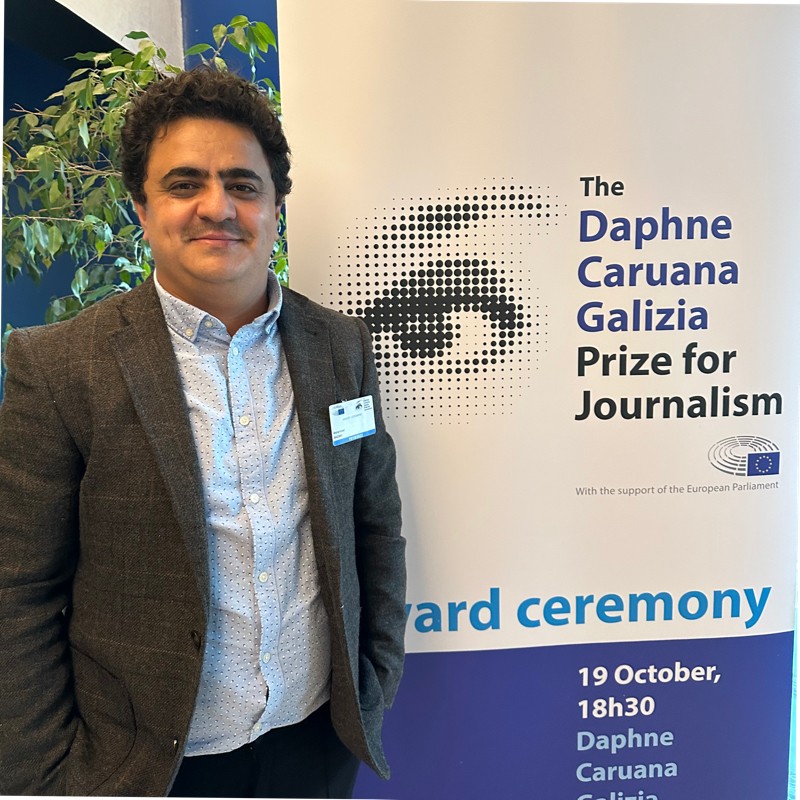
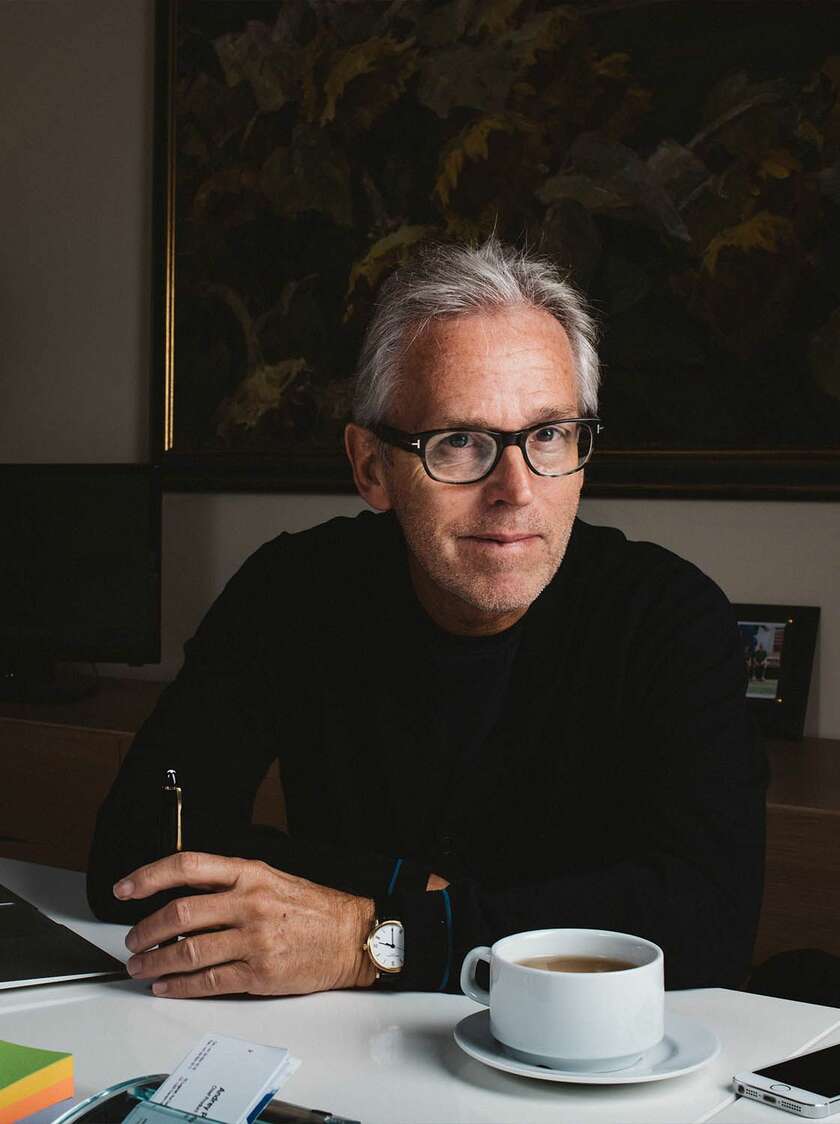
The National Press Club spoke with Bassiki about his career, journalism inside Syria, how journalists are managing to survive within authoritarian regimes, and the story of founding SIRAJ.
What was the first incident that made you understand the situation of the freedom of press in Syria?
Bassiki: Actually, it was a minor incident that was almost natural in Syria back then, but it was an eye-opener to me. During my first days as a journalist, one of my friends kept talking about a certain book he read and helped him in understanding many things regarding the rule of journalism. So automatically, I headed to one of the biggest bookstores in Damascus, and I asked the manager there about the book.
When the man heard the name of the book and the author, he was frightened and stood up. He froze for a couple of minutes staring at me, took me to another closed room, and started whispering to me: “You are young and look naïve. This book is prohibited and just mentioning the name will put you in risk and may cause a lot of troubles. Be cautious; you have a bright future ahead.”
Then he handed me a romance novel and told me: “Take this and write a review about it, this won’t get you in trouble.” At this point, I understood that this must end.
You left Syria in 2013, headed to Turkey before moving again to France in 2016, where you are still living now. When you first moved out of Syria, how did you manage to secure enough funding to live and to pursue your career as a journalist?
Bassiki: When I decided to leave Syria, I was conscious about all the obstacles that I’d face, all the risks that will face my little kid, and my bigger family inside Syria. But I was willing to pay this price just to know what does it mean to be free, to be able to represent the real and honest voices of the Syrian people. My main asset was my credibility and belief in my capabilities, so it did not take me a lot of time to be able to work again.
How did you feel when your first piece was published without any kind of censorship for the first time after leaving Syria?
Bassiki: This was one of the best feelings I witnessed in my life. There are no words that can describe it — a feeling that no one will relate except a journalist. I felt alive, and promised myself I would never give up this feeling and would never go back. It’s dangerous and risky, but my security or even life is not cheaper than the lives of those sacrificing in Syria for a better future.
Click here to read the full interview.
|