Sept. 23, 2025

Top stories

■ Timeline: Trump's fights with media, including Jimmy Kimmel (Associated Press) 


■ Sinclair, Nexstar won’t air Jimmy Kimmel’s late-night return to ABC (Wall Street Journal) / Who exactly are the ABC affiliate owners who issued statements against Jimmy Kimmel? (Los Angeles Times) / Inside the down-to-the-wire talks that led to Kimmel’s return (Deadline) / Disney+, Hulu, ESPN to hike prices again in October (The Wrap) 


■ Wall Street Journal seeks dismissal of Donald Trump’s defamation lawsuit over Jeffrey Epstein report: ‘The article is true’ (Deadline) 


■ Corporation for Public Broadcasting set to make final federal grants to local public media stations (InsideRadio) / Seattle's Cascade PBS announces layoffs, end of online long-form journalism (KUOW) / KBIA, Kansas Public Radio turn football rivalry into fundraising contest (Current) / Indigenous traditions inspire new video game from Nebraska, Wisconsin stations (Current)


■ ‘During a deposition, Kari Lake said she learned of Trump's March executive order dismantling Voice of America that very day. The next day, she put most of the broadcaster's staff on paid administrative leave — where many remain six months later.’ (Scott Nover)


■ DallasNews Corporation shareholders approve Hearst merger (Dallas Morning News) / ICYMI: Is Hearst's Texas newspaper dominance good for journalism — or readers? (Texas Monthly) 


■ ‘In a note to staff, WaPo says it is introducing video comments for staff, allowing WaPo journalists to engage in the comments section of their articles (while using AI to block “hateful” comments and surface interesting comments)’ (Max Tani)


■ Microsoft looks to build AI marketplace for publishers (Axios) / The creative approach behind Penske’s AI lawsuit (Columbia Journalism Review)


■ Remedies vs reality: Publishers weigh what Google's ad tech break up could really deliver (Digiday)


■ Reuters launches Arabic website as key part of its Middle East expansion (Reuters)


■ Marie Claire publisher Future launches creator program (Axios)


■ As Wired turns its journalists into influencers, subscriptions surge (Adweek)


■ Text messaging brings paying readers back to Washington newspaper (A Media Operator) 


■ The New York Times announces new hires in Video (New York Times) / The Guardian hires executive producer Jonathan Menjivar to lead its first US video podcast (Guardian) / FT names Salsbury its chief product and technology officer (Talking Biz News)


■ Annapolis highway marker honors 'Capital Gazette Five' (WBAL-TV 11 Baltimore)

CRAFT

How local LGBTQ+ media provides vital coverage amid rising challenges


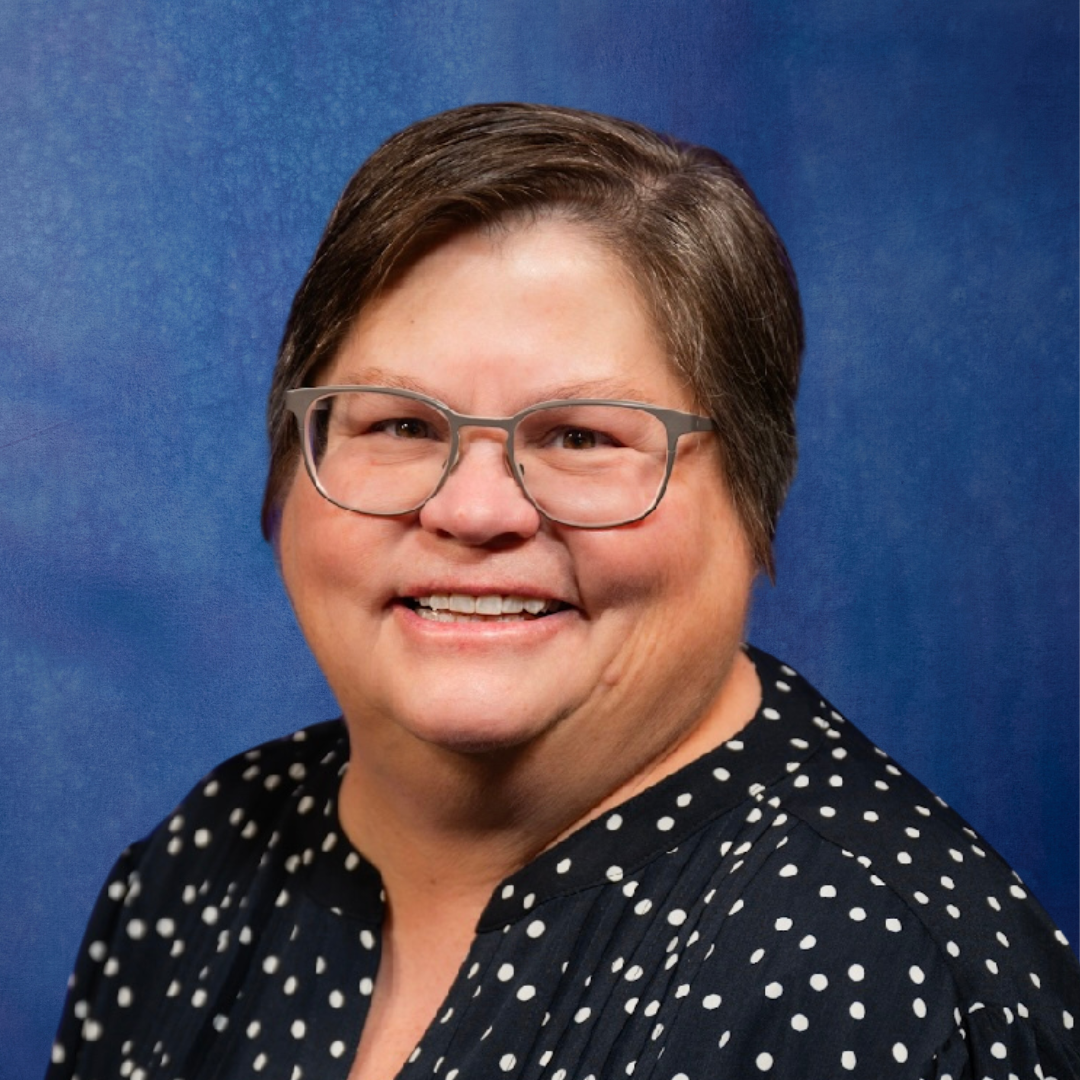
By Holly Butcher Grant


Over the course of a year, the LGBTQ+ Media Mapping Project surveyed more than 115 local and 70 national media outlets to offer a deep dive into how outlets provided vital coverage for LGBTQ+ communities while facing shrinking advertising revenue and foundation support as well as rising external threats. 


The project — a partnership with the MacArthur Foundation, Local Media Foundation, News is Out, and the Craig Newmark Graduate School of Journalism at CUNY — resulted in a comprehensive report that addresses the impact, challenges, and resilience of local LGBTQ+ media outlets across the country.


The findings show the size and scope of LGBTQ+ outlets (the majority are smaller or one-person operations); a strong interest in collaboration; a surge in audience; and geographic gaps in coverage (most LGBTQ+ media are in urban areas). 


The Institute reached out to the project’s director Tracy Baim to learn what journalists and newsrooms can utilize from the results. Baim is also co-founder of Windy City Times, an LGBTQ+ newspaper launched in 1985, and the current executive director of Press Forward Chicago.


What were some of the biggest surprises from the report?

Baim: We sent the first surveys out the end of 2024, and by February most results were in. So it was early in this new presidential administration. DEI backlash had already begun two years ago, along with other changes impacting all media, so the decline in advertising was not surprising. 


But by the time we did focus groups a few weeks later, it was clear the advertising and marketing slide downward was increasing, and added to that are very real fears from some journalists and media that they will be targeted, especially the trans community.

You mention a higher response rate from local media. Tell us more about that.


Baim: Our main goal with this project was to map local LGBTQ+ media. So we did spend far more time on followups of the surveys sent to local outlets. We tried many ways to reach them. That included phone calls, emails, peer pressure from other publishers, contacts from the national advertising rep firm that works with many of them (Rivendell Media), and more. 


We did send the national survey out several times, but with the local one, we made even more attempts. I have to say, I think we got a strong response rate because this was coming from someone who has spent 41 years of her life in LGBTQ+ media, so many of them knew me to be serious about helping. I think that matters because we asked for private business info — we needed trust to make this work. Other publishers and Rivendell contacting them was an additional trust builder. 


One of the trends you mention is the strong interest among LGBTQ+ media to collaborate in new ways. What are other insights that newsrooms across the country can use to bolster their support of LGBTQ+ media?


Baim: Collaboration between LGBTQ+ media and other media is key to solving this problem of limited local coverage of LGBTQ+ issues. In areas with no original reporting on these issues, mainstream media can pick up the slack. But they should be looking to do this authentically. That doesn’t always mean an LGBTQ+ reporter. It can mean training from some of the organizations I list in the report — LGBTQ+ and trans-specific journalism organizations can help newsrooms do a better job at getting it right.


What do you hope other organizations and audiences will take away from the report? 


Baim: I think just knowing that LGBTQ+ media from all over are facing these same issues can be a bonding experience. Even those in big cities are seeing backlash related to DEI. There are examples of collaborations helping, so now that more LGBTQ+ media are willing to work together, this can be one path to a better future. But it is going to be a tough next few years for so many reasons. We will need each other.


Click here to learn more about the project's methodology and how they structured the surveys.

CAREER
 

Next career-focused office hour is Sept. 30


The Institute is supporting job-seekers by offering free career office hours every other week to help journalists with all parts of the job search process. 


These virtual sessions are designed to offer practical skills and tips for journalists looking for work, as well as a sense of community and comfort during what we know can be a deeply difficult time in one’s life.


The next session is Tuesday, Sept. 30, from 11 a.m. to noon ET.


COMMUNITY


Resources

This newsletter is written and edited by the National Press Club Journalism Institute staff: Beth Francesco, Holly Butcher Grant, Elliot C. Williams, and Mitch Harle. Send us your questions and suggestions for topics to cover.


Get this from a friend? Subscribe and view the archives.

Facebook  X  Linkedin  Youtube  

DONATE TO THE INSTITUTE


The National Press Club Journalism Institute promotes an engaged global citizenry through an independent and free press, and equips journalists with skills and standards to inform the public in ways that inspire a more representative democracy. As the non-profit affiliate of the National Press Club, the Institute powers journalism in the public interest. The Institute's tax ID number is 52-1750908.