May 6, 2026

Top stories

■ FBI probing leaks to journalist who wrote explosive article on Kash Patel, sources say (MS NOW) / A dangerous new attack on press freedom (The Atlantic) 


■ World’s most powerful are suing media outlets before stories are even published, says editor (Guardian)


■ The New York Times passes 13 million subscribers (New York Times) / Cutting through the noise: Why NYT sees video as its next battleground (The Wrap)


■ ‘James Murdoch is in advanced talks to purchase Vox Media's podcasting network and New York Magazine — but that's not all… Inside the deal that would give Rupert’s youngest son a media empire of his own.’ (Status)


■ Vice News is being resuscitated with fresh ambitions (Hollywood Reporter) 


■ Why a former New York Times editor blocked Epstein Pulitzer (Semafor)


■ The Intercept didn’t just publish a story about ICE — it drove it around JFK (Nieman Journalism Lab)


■ FCC commissioner demands close scrutiny of 49.5% foreign investment in Paramount's proposed merger with Warner Bros. (The Wrap) 


■ Josh D’Amaro lays out ‘long-term view’ for Disney in first earnings report since taking over as CEO (Hollywood Reporter) 


■ With TV news in free fall, anchors try breaking away (Hollywood Reporter) 


■ Experienced Vermont media leader Brendan Kinney named CEO of Vermont Journalism Trust and VTDigger (VTDigger) / Alden Howard joins Verite News as senior director of development and partnerships (Deep South Today via Editor and Publisher) / WAPT names Mike Machi news director (TV News Check) / Bloomberg hires FT's Brumley as head of podcasts (Talking Biz News) 


■ Media moguls remember Ted Turner, CNN’s founder (New York Times) / ‘News will be the star’: Ted Turner’s extraordinary uphill battle to launch CNN (CNN)

CRAFT

A guide to interviewing people with intellectual and developmental disabilities


By Holly Butcher Grant, NPCJI operations manager


People with intellectual and developmental disabilities (IDD) are part of every community, yet their perspectives are often missing from the news — even when the story is about them. 


IDD is an umbrella term that includes diagnoses like autism, Down syndrome, cerebral palsy, fetal alcohol spectrum disorders, and more.

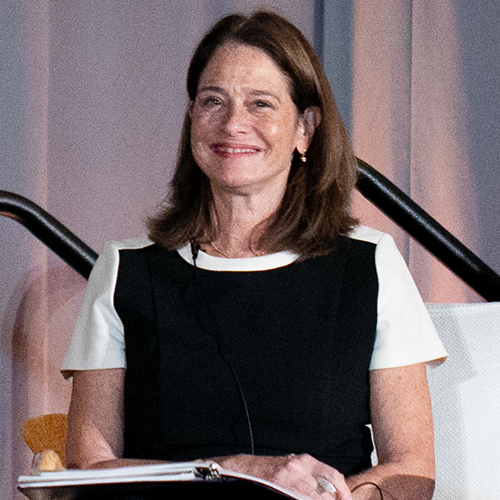
“If you’re not including people with IDD in your reporting, you’re leaving out the source who could be shaping the story from the start,” said Katy Neas, CEO of The Arc, a non-profit organization that promotes disabilities rights. 


To help journalists elevate their coverage of this underrepresented community, we’ve teamed up with The Arc to share a series of actionable tips and resources.


(See previous guidance on framing and language and elevating disability coverage beyond visual clichés.)

How can journalists improve their disability coverage and avoid perpetuating harmful generalizations or prejudice?


Neas: People with IDD deserve the same chance to define their own lives that everyone else gets, and journalists need their perspective to get the story right. When people with IDD are missing from stories, coverage can slip into harmful stereotypes, like pity, a medical-only frame, or treating someone as inspiring simply for existing. This matters because stereotypes in the media create stereotypes and barriers in real life. They shape expectations and how people get treated.


If a story is about disability or federal programs like Medicaid, people with IDD should absolutely be in it. If a story is about community life, people with IDD belong there too. Just like non-disabled people, they live in the community and have something to say.


How can journalists make an interview more accessible and respectful?


Neas: Start with one question: “What would make this interview work best for you?” Then follow their lead. We often see reporters hesitate to offer two important accommodations: Sharing questions in advance and using a different interview format like email or text. 


For some people with IDD, those steps are what make the interview possible. They give people time to process and respond in the way they communicate best, and they help journalists capture what the person actually means.


Keep your questions in plain language and ask one at a time. If you don’t understand a response, say so and try again in a clearer way. 


Be mindful of pace, too. People with IDD often deal with being talked down to or being rushed in everyday conversations. Ask what pace works, then match it. 


And don’t script the takeaway in your head before the interview starts. Ask open questions, then listen intently to get the real answer.


Finally, be thoughtful about risk. Some people are cautious about talking publicly about support and services because they worry it could affect benefits, employment, or other parts of their life. Be clear about what you’ll use, what you won’t, and let them set boundaries.


Some people with IDD have a designated support person who provides assistance with daily tasks. What should journalists know about working with a support person during interviews?


Neas: For some people, a support person is essential for communication. That support might come from a family member, a direct support professional, or someone else the person trusts. If a support person is part of the interview process, the goal is to make sure the person with IDD stays at the center of their own story.


Set expectations upfront with something like: “I’m going to direct questions to you. If you want [support person’s name] to help you answer or clarify, that’s completely fine.” Then keep your attention on the person with IDD. 


If the support person is interpreting, prompting, or filling in details, do quick check-ins to confirm you’ve got it right so the person with IDD stays in control. The story needs to be their words or ideas, not someone else taking over.


Where can journalists find people with IDD to interview as sources or experts?


Neas: People with IDD aren’t only helpful for personal stories. They can also be expert sources on the systems they rely on, the policies that shape daily life, and the barriers they navigate every day. People with IDD should show up in everyday coverage, across every desk, because they’re part of the public.


To find people with IDD, start local and be specific. Reach out to self-advocacy groups and disability organizations, including local chapters of The Arc (we have 549 nationwide!), and ask: “Who are people with IDD who can speak on the record about this issue?” 


When you find a strong source, ask who else they trust. That’s one of the easiest ways to widen your sourcing within the disability community. 


Also, be sure to bring people in early. If people with IDD aren’t part of your first round of interviews, the framing often gets set without them, and it’s hard to fix later.


Go deeper: See previous guidance on framing and language and elevating disability coverage beyond visual clichés.

CAREER


When the boundary between personal and professional identity collides


“Taking things personally at work is not a sign of weakness, but a reflection of your passion, commitment, and deep sense of responsibility. But what if your professional role has become too intertwined with your sense of self? While equating your value as a person with your performance at work is common, it’s also possible to break free from the pattern. ... By approaching situations with more objectivity, you can navigate your professional journey with greater clarity, balance, and effectiveness.”


-- Melody Wilding, executive coach, professor, and author, excerpt from “How to stop taking work so personally” (Harvard Business Review)


COMMUNITY

Resources

This newsletter is written and edited by the National Press Club Journalism Institute staff. Send us your questions and suggestions for topics to cover.


Get this from a friend? Subscribe and view the archives.

Bluesky  Facebook  Linkedin  X  Youtube

DONATE TO THE INSTITUTE


The National Press Club Journalism Institute promotes First Amendment values by equipping journalists in Washington, D.C., and nationwide with the skills, knowledge, standards, resources and networks to empower and inform the public. As the non-profit affiliate of the National Press Club, the Institute powers journalism in the public interest. The Institute's tax ID number is 52-1750908.