|
‘If you have the freedom to speak, you should’: Exiled journalist Gulchera Hoja’s story
In honor of World Press Freedom Day on May 3, members of the National Press Club’s Press Freedom Team have interviewed journalists in exile living in the U.S. We will feature their stories this week to shed light on global press freedom issues.
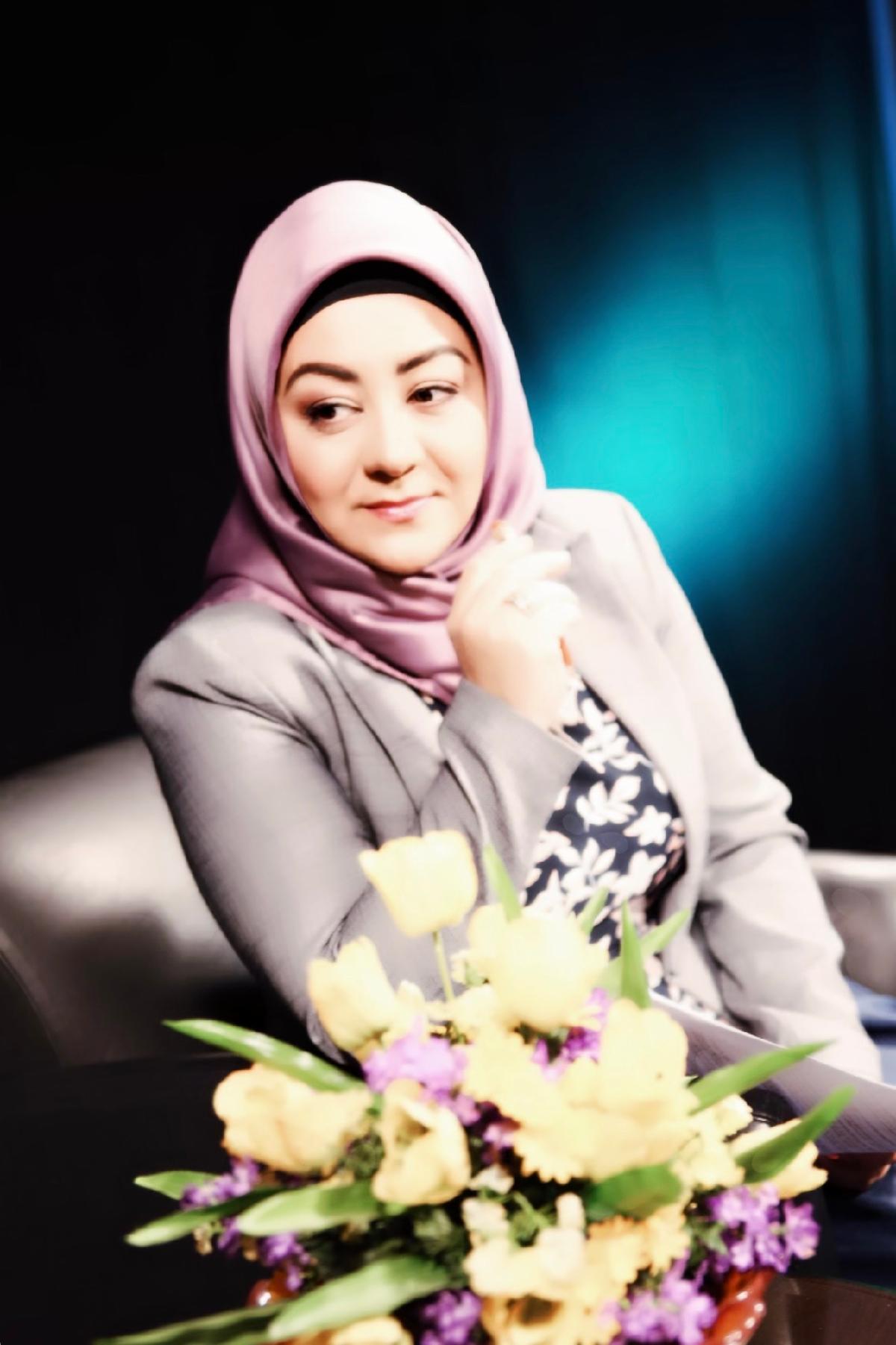
The Uyghurs are a minority ethnic group in China who speak their own language and comprise almost half of the population in Xinjiang, a northwestern region in China. In the 1990s, Gulchera Hoja (shown) was a well-known host of a children's television program on Uyghur language and history at Xinjiang TV in Xinjiang. She says the Chinese government told her to broadcast propaganda teaching Uyghur children to adopt Chinese language and culture to erase Uyghur identity instead. Hoja decided she could not be a part of efforts to "brainwash" Uyghur children and fled China in 2001. She has been reporting on human rights abuses in China for Radio Free Asia since.
Could you please give me a brief description of what led to the Chinese government’s persecution of you as a journalist. What methods did they use?
Hoja: I've been writing about Uyghurs for 20 years and, since about 2016, the Chinese government began their genocidal policies toward the Uyghurs. They have been doing their best to silence Uyghur journalists for a long time, but now they are targeting our families. The Chinese government has been arbitrarily targeting and arresting the family members of Uyghur journalists to silence us, including my parents and 20 other relatives. They ultimately pressured my parents to speak to me and tell me to stop my work and even denounce me publicly.
You wrote an autobiography last year entitled “A Stone Is Most Precious Where it Belongs.” What do you hope your book will accomplish?
Hoja: I dedicated this book to my father, who is a historian and archaeologist. He taught me to love our people, country, dignity, and freedom. The hardest part of my life has been the two decades I've been forbidden to see my father, my family, and my country. My father used to say that even a stone is precious where it belongs. It's a proverb that is felt by Uyghurs who have been separated from their homeland. I hope it will shine beauty and hope on all people who are in exile.
If there's one thing you could tell fellow journalists about yourself and your work, what would it be?
Hoja: If you have the freedom to speak, you should. Journalists are the truth tellers. We can inspire more people to speak the truth.
Read the full Q&A with Hoja on our website.
On Friday, May 3, at 1 p.m. the National Press Club will host a live-streamed roundtable discussion on the state of press freedom. This 90-minute discussion will explore the year’s biggest stories in press freedom and the state of press freedom around the globe.
|