May 13, 2026

Top stories

■ ‘The Axel Springer chief has been quietly pursuing closer ties to Donald Trump through a series of off-the-record efforts, including a planned Washington dinner and a trek to the Middle East.’ (Status)


■ Inside Disney’s defiant shift: Why Josh D’Amaro is fighting back against Trump (The Wrap)


■ ‘While the rest of the TV news world is traveling with Trump to China, CBS Evening News is broadcasting from Taiwan after the network failed to secure a Chinese visa in time for anchor Tony Dokoupil.’ (Max Tani) / Bari Weiss tapped Major Garrett for newsy ‘60 Minutes’ interview after ‘negotiation’ with Netanyahu (New York Post) 


■ Paramount seeks to calm California’s creatives — and a litigious attorney general (Semafor) / Ahead of Paramount mega-merger, WBD bets on agentic ads (Adweek)


■ MS NOW plans new lineup launch ahead of midterm elections coverage (Hollywood Reporter)


■ NBC News aims to steer business coverage beyond stocks, bonds (Variety)


■ Minnesota — and its public radio station — kept everyone’s attention at the start of 2026 (Nieman Journalism Lab) 


■ Condé Nast's CEO says he knows who could replace Anna Wintour one day (Business Insider) / WSJ promotes Bosworth to director of content strategy (Talking Biz News) / Punchbowl News hires Leffert to cover tax and trade (Talking Biz News)


■ NewsGuild of NY-represented journalists at Sports Illustrated win new contract with publisher Minute Media (NewsGuild of NY) 


■ Pulitzer-winning newsrooms are quietly publishing mountains of gambling slop (Popular Information) / ‘A network of prominent news outlets, including The Oregonian, The Plain Dealer, The Star-Ledger, have quietly published more than 17,000 articles since 2022 pushing promo codes for sports books and prediction markets.’ (Judd Legum)


■ Inside a journalist’s year of using AI for (almost) everything (NPR Fresh Air)

CAREER

What hiring managers say about getting a job in business journalism


By Kris Seavers, Training Program Coordinator


The Institute hosted its second virtual Career Office Hour of the year on May 5, this time focused on careers in business journalism and at B2B (business-to-business) or trade publications.


Paul Albergo, a professor at the American University School of Communication and board member of the American Society of Business Publication Editors (ASBPE), moderated the session and was joined by panelists Maya Earls and Davide Savenije.


Earls is a deputy team lead at Bloomberg Law who has covered education, sports, arts, politics, and breaking news for publications including the Associated Press and the Baltimore Sun. Savenije is the senior vice president of editorial at Informa TechTarget, which covers the technology market, and serves as the president of ASBPE’s board of directors.


The conversation covered job seekers’ most pressing questions on applying to business journalism roles, standing out in interviews, and stepping into editorial management. The speakers shared advice on standing out as an applicant and insights into their organizations’ approaches to hiring.


What business publication leaders look for on job applications


All three speakers acknowledged an oversaturation of talent in the business journalism world, which means the job market is competitive. But they also shared what they, as newsroom veterans, seek out when reviewing applicants.


Earls suggested using specific examples of past work that aligns with the hiring organization’s goals and tone, showing how you can contribute your experience and skillset while differentiating yourself from other reporters. The speakers also agreed that illustrating your process of coverage is helpful for demonstrating your work and thought process. 


Similarly, they encouraged applicants to show the impact of their work — both in metrics of engagement, like pageviews, and in broader strokes, like changes to laws or regulations. 


Journalists with experience in community journalism may be particularly equipped for business journalism because of their ability to pursue leads and interact with sources without fear. Savenije pointed out that the business sector itself is a community of its own.


How to set yourself apart in interviews


For many people, the interview is the most daunting part of the job application process. But Earls encouraged job seekers not to “be afraid to brag” when face-to-face with hiring managers.


The speakers echoed the advice in an earlier Career Office Hour from former director of news talent at The Associated Press, Corinne Chin (now the director of video talent at The New York Times), who suggested that journalists use their research prowess to look into the organization and interviewer to show in real-time how you can dig deep. 


The speakers also recommended asking interviewers questions to show curiosity — and to evaluate the organization at the same time they’re evaluating you. The role should be a good fit and “not just a job,” Albergo said. 


Job searching for editorial management positions


While there are different schools of thought when it comes to hiring editorial managers, Savenije said he seeks out applicants who are “really good with people” and demonstrate their abilities to support and nurture reporters, especially those early in their careers. 


To Earls, a strong candidate for an editorial manager should thoroughly demonstrate their approach to various situations and issues in past positions. She added that it’s important to show a “strong vision” for the hiring team with an understanding of where the team is now and how to develop it. 


Savenije also noted an intangible skill that’s harder to develop: “Taste,” or being able to evaluate and appreciate standout journalism in alignment with an organization’s strategy. 


How to network for business and B2B journalism jobs


While the advice for networking is relevant to all journalism jobs, not just those in business, the speakers each noted that attending events like the Institute’s Career Office Hour is a step in the right direction. (We'll share details about the next session here in The Latest soon!)


Albergo recommended not asking directly for a job but for a brief meeting with someone who can help you with your job search. He recommended connecting with organizations like ASBPE to make helpful professional connections. Business journalism is a very small industry, the speakers agreed, and one’s reputation will often precede them.


Earls shared that in addition to networking, seeking out a public speaking class was one of her most formative professional development experiences. 


And while the market is tough, Earl added, it’s important not to get discouraged. She recommended applying to the same organization for different roles, as a “no” can just as easily mean “not right now.”

CRAFT


Tackling mis- and disinformation on the science beat


“It’s critical for journalists to understand the motivations behind mistrust and the different forms that it can take. By narrowing in on the why, journalists can assess how their audience might misinterpret claims, or how bad actors might misrepresent coverage. Talking to social scientists and other experts can be helpful to make sense of these drivers. … The most a reporter covering thorny issues in science can do is provide a well-reported, fair, and nuanced look at the issue at hand. Always get the full story, including the perspective of the alleged wrongdoer. Then, trust that your work speaks for itself.”


-- Cathleen O’Grady, freelance science journalist, excerpt from “Reporting on flaws in science in an era of mistrust” (The Open Notebook)


COMMUNITY

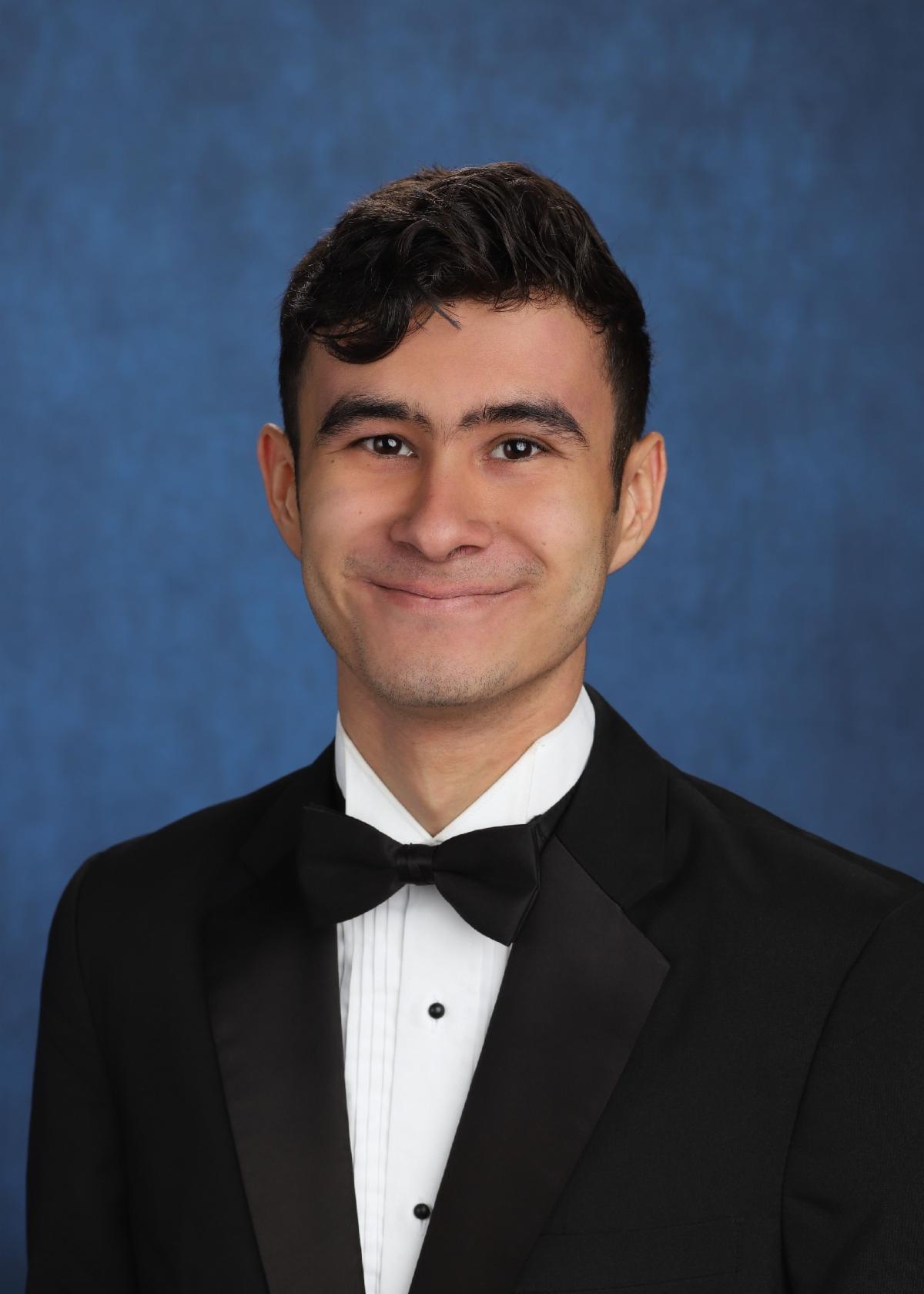
National Press Club awards Santiago Campos with the 2026 Wes Vernon Broadcast Scholarship

The National Press Club has chosen Santiago Campos of Washington, D.C., as the recipient of its 2026 Wes Vernon Broadcast Scholarship. The scholarship, which promotes diversity within the field of broadcast journalism, is awarded to an aspiring journalist and totals up to $20,000 over four years. 


Campos is a senior at the District of Columbia International School, where he began studying video production and broadcast journalism in ninth grade. The judges were impressed by his powerful coverage of how U.S. immigration policies have impacted local communities.  


“Mass deportation policies have created fear and instability for many people around me, including mixed-status families and even U.S. citizens,” Campos said in his application essay.

“I turned to broadcast journalism to raise awareness about these realities and push back against misinformation and harmful stereotypes. … I’ve seen how even small stories can humanize complex political issues and help audiences better understand the people behind the headlines.”


Campos participated in the PBS NewsHour Student Reporting Labs, where he produced a documentary-style piece that featured interviews with his relatives about their deportation stories. He was recognized as a PBS News Student Reporting Labs 20 Under 20 Up & Coming Storytellers.  


“Santiago has already demonstrated a high calibre of visual storytelling and journalistic rigor that many seasoned reporters aspire to,” said National Press Club President Mark Schoeff Jr. “His ability to report on such a deeply personal and important subject as immigration with objectivity and compassion is a testament to his talent. We are pleased to support his continued studies in broadcast journalism.”


National Press Club scholarships are administered by the Institute, the non-profit affiliate of the Club. Support our student-focused programming with a donation today.

Resources

This newsletter is written and edited by the National Press Club Journalism Institute staff. Send us your questions and suggestions for topics to cover.


Get this from a friend? Subscribe and view the archives.

Bluesky  Facebook  Linkedin  X  Youtube

DONATE TO THE INSTITUTE


The National Press Club Journalism Institute promotes First Amendment values by equipping journalists in Washington, D.C., and nationwide with the skills, knowledge, standards, resources and networks to empower and inform the public. As the non-profit affiliate of the National Press Club, the Institute powers journalism in the public interest. The Institute's tax ID number is 52-1750908.