|
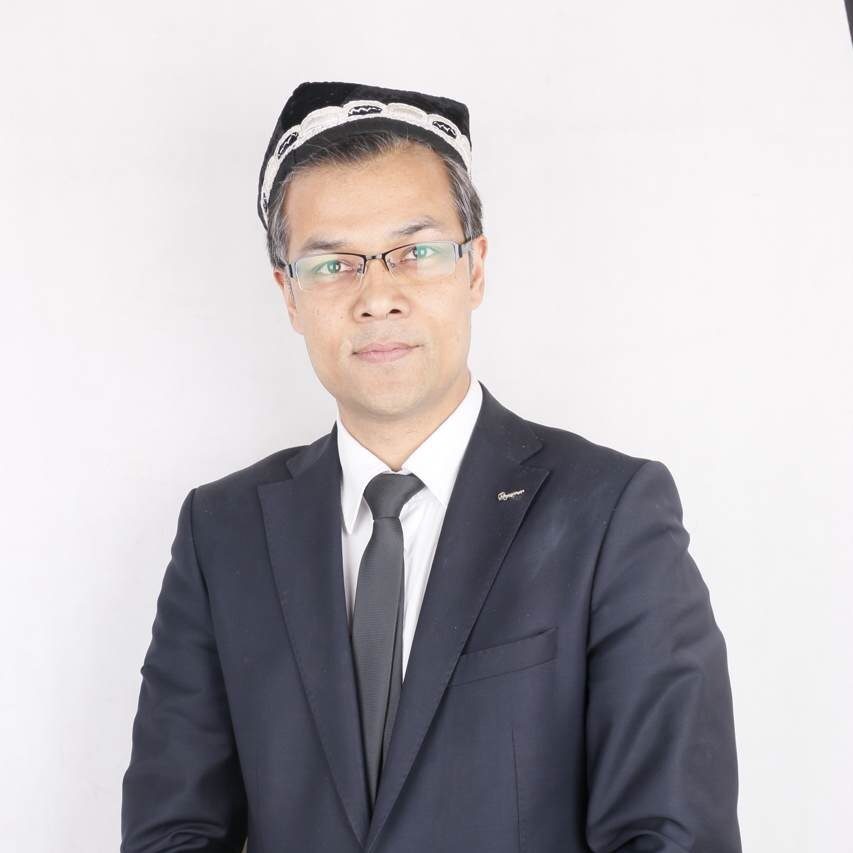
While in exile, Imin observed a lack of media outlets dedicated to documenting the experiences of Uyghurs and the challenges they faced. He launched Uyghur Times in 2018 in response as an English-language outlet focused on Uyghur human rights, culture and the diaspora community.
“We wanted to create a trustworthy source for the community to connect with each other,” Imin said. “We wanted a platform where people could exchange information, share ideas, preserve their voice and create unity.”
Alongside the Uyghur Times, Imin founded Uyghur Post in 2025 as one of the world’s only independent Uyghur-language publications.
Today, the Washington, D.C.-based Uyghur Times and Uyghur Post are one of the few outlets dedicated entirely to covering Uyghur issues, operating through a network of approximately 30 journalists and contributors located in the United States, Turkey and Europe.
Reporting through an information blackout
In China, the Uyghur community has faced a severe humanitarian and human rights crisis for over a decade, marked by family separations, restrictions on religious and cultural freedoms, limited access to information and the enforced detention and imprisonment of Uyghurs.
“The Uyghur people have been experiencing one of the largest human rights persecutions,” Imin said, noting that many families remain uncertain about the fate of relatives who have been “arrested, detained, sentenced for long-term prisons, disappeared or even died.”
His concerns are echoed by findings from the United Nations High Commissioner for Human Rights and the U.S. Department of State, which documented arbitrary detention, restrictions on fundamental freedoms, forced labor and other serious human rights abuses involving Uyghurs in the Xinjiang region.
But for journalists, given the strict information and travel controls applied by China in Xinjiang, documenting conditions and allegations of human rights abuses in the region presents significant challenges.
Imin described an “information blackout and communication blockage” that makes it difficult to communicate with sources, verify information, or report from the ground.
“It’s really hard and difficult for Uyghur diaspora journalists to get access to people, places, or information back home,” he said. “We have very limited access.”
Instead, Uyghur Times journalists piece together information from travelers and family members who have recently left the area and contacts within Xinjiang willing to share information despite the significant risks it can bring.
Other reporting leads come from Chinese social media platforms, where residents and visitors occasionally share photos, videos and personal observations.
Even official Chinese sources can provide valuable clues, Imin said.
“Chinese government documents and state-owned media still provide basic information about what the government is doing in the region,” he said.
“Those four areas are very limited resources for us, but they are among the few ways we can get information.”
Keeping attention on a crisis
International attention to the Uyghur crisis has faded in recent years, as global media shifted its focus to wars and geopolitical conflicts elsewhere. Imin has argued that the international community has allowed one of the world’s most significant human rights crises to slip from the global spotlight.
“International media attention has dropped over the last four or five years,” Imin said. “After the Ukraine war and the Middle East crisis, many outlets moved on.”
As the humanitarian crisis facing the Uyghurs continues, Imin said that journalism that centers marginalized and persecuted communities is even more important.
“Our responsibility is to keep our voice alive,” he said. “We continue reporting because we believe this remains one of the most important human rights crises of our time.”
Today, much of Uyghur Times’ reporting focuses on documenting the experiences of Uyghur families affected by detention, imprisonment and the uncertainty that comes with a lack of communication with relatives who remain in China.
To do so, the outlet regularly engages with members of the Uyghur diaspora whose relatives remain in China’s Xinjiang Uyghur Autonomous Region. By collecting testimonies from family members and community sources, Uyghur Times seeks to preserve personal accounts of separation and loss while drawing attention to human rights concerns affecting the Uyghur community today.
Reporting on these topics carries with it significant risks from a government that has sought to silence reporting on the Uyghurs, Imin said.
He and other Uyghur journalists say they have been targets of transnational repression, including cyberattacks, phishing attempts, coordinated online harassment and fraudulent websites created to closely resemble Uyghur Times. These tactics are intended to intimidate journalists, discredit their work and discourage audiences from accessing their independent reporting.
More than a news outlet
Imin says Uyghur Times was created not only to report the news about the Uyghurs in China but also to strengthen ties among a dispersed diaspora community.
The publication regularly covers cultural preservation efforts, community events and the experiences of Uyghurs living across the diaspora. Recent coverage has highlighted initiatives such as the Uyghur Doppa Cultural Festival in Washington, D.C., Uyghur art exhibitions in Australia and the publication of Uyghur-language educational materials by community organizations.
Through these stories, Uyghur Times intends to document how Uyghurs globally are working to preserve their language, heritage and cultural identity. In doing so, the outlet is creating a shared platform for connection and community engagement, supplementing communication that was once largely confined to social media channels.
The goal is to ensure that Uyghurs remain connected despite the significant geographic distance that exists between different exiled communities.
“Social media was the only platform where people knew what was happening to others,” he said. “I realized there should be a common platform that reports independently, talks to people, asks questions, and reports on cultural, political and human rights events.”
As international attention fluctuates, Uyghur Times remains focused on documenting stories that are otherwise overlooked, while fighting to preserve Uyghur identity, culture and community.
“We have to keep the community voice alive,” Imin said. “Even when there is not much coverage, we still have a responsibility to tell these stories.”
“When larger media organizations are focused on other issues, it becomes the responsibility of community journalists to continue reporting the truth,” he said.
|