Oct. 29, 2026

Top stories

■ Is Fox News pivoting to its post-Trump era? Look at how it’s covering the midterms (CNN) / Piers Morgan wants to conquer America’s midterm election coverage (Hollywood Reporter) 


■ People Inc. cuts 195 staffers over ‘rapid changes’ in media (Hollywood Reporter) / MGM says deal talks with Barry Diller’s People Incorporated are over (Wall Street Journal)


■ Condé Nast disputes reported $40 million ad shortfall amid leadership shakeup (TheWrap) / Condé Nast brings product picks to Shop app (Axios)


■ Feminist publication Jezebel restores over 100 articles after Post story (Washington Post) 


■ ‘Bob Woodward's decision to unmask confidential sources in his forthcoming memoir has sparked an ethical debate among journalists, raising questions about whether promises of anonymity extend after death.’ (Status)


■ The Kremlin is shutting down Russia’s last free newspaper (The Economist)


■ News publishers demand Meta stop using their content without permission (TheWrap) 


■ MS NOW hires CNN veteran Paula Reid as chief White House reporter (TheWrap) / Maria Bartiromo announces first major post-Fox gig with splashy promo video featuring Trump, Jeff Bezos and Messi (Mediaite) / CNBC makes changes to editorial leadership (Talking Biz News) / Washington Post adds to economics coverage (Talking Biz News) / Macon native Micah Johnston named editor and publisher of The Telegraph (AOL) 


■ Student-run newspaper says it obtained essay prompt used to punish fraternity brother (CNY Central)


■ Analysis finds changing market for public media station transactions (Current)


COMMUNITY

Seeking a New Lifeline: How Ethiopian independent media is adapting to declining U.S. funding


By Asmamaw Kassa, NPCJI Press Freedom Fellow


For years, support from U.S.-based media development and democracy organizations helped sustain the global independent media sector. With the sudden loss of funding from the United States Agency for International Development (USAID) and other U.S. foreign assistance programs, that reality is now changing. 


Today, many media organizations that once depended on U.S. support now stand at a crossroads, facing difficult decisions about how to sustain their operations, retain staff, and continue serving their audiences. For Ethiopian independent media, this support ranged from journalist training and newsroom grants to media viability programs, research, fact-checking initiatives, and support for community and independent media. 


The funding freeze disrupted hundreds of media projects and halted grants that many independent news organizations relied on for survival.


The Institute spoke to Argaw Ashine of Wazema Radio and Begna Simesso of OMNI Ethiopia on how Ethiopian independent and exiled media are navigating these challenges.

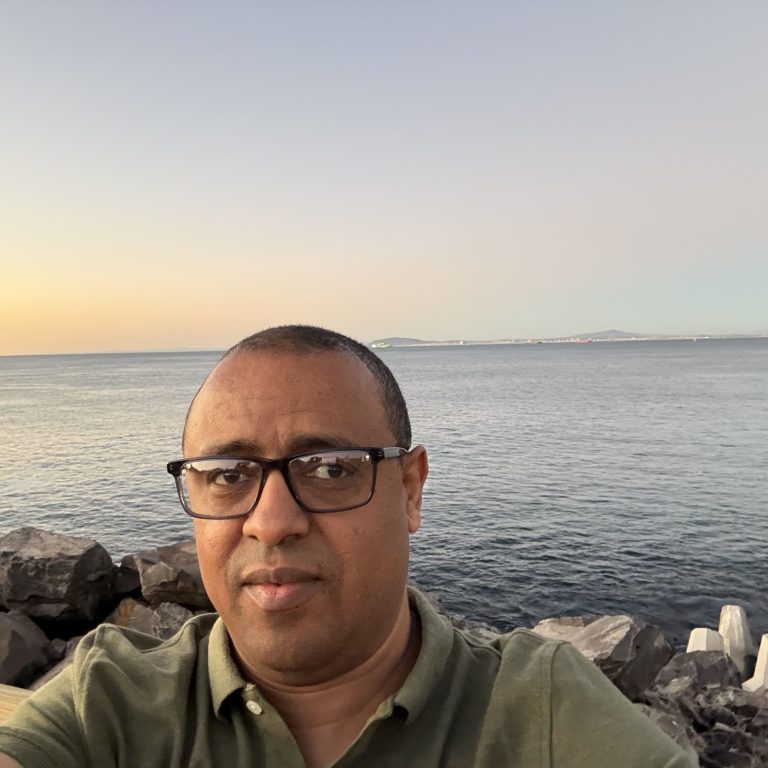
Argaw Ashine is a co-founder and managing editor of Ethiopian exiled media outlet Wazema Radio

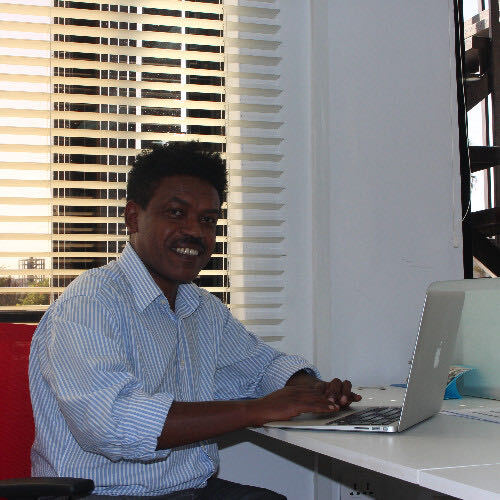
Begna Simesso is the founder and general manager of OMNI Ethiopia, a media development organization

More than financial support


Ethiopia’s media market has long struggled to support independent journalism, Ashine said. While state-owned media benefit from government funding, private outlets rely heavily on advertising and audience revenue, both of which remain limited in the country.


“Many advertisers avoid independent media, especially critical outlets [of the government],” he said. “The revenue simply isn’t enough to sustain independent journalism.”


International support filled that gap by supporting capacity-building initiatives and specialized reporting projects, along with funding technology and operational support.


The impact extended beyond direct funding. Donor-supported programs helped strengthen media institutions, improve reporting standards, and expand access to public-interest information, Simesso said. 


For example, since OMNI Ethiopia was established in 2021, the organization has implemented nine projects in partnership with USAID. These projects focused on areas such as community media development, peacebuilding, civic engagement, combating misinformation, public-interest journalism, and strengthening local media organizations.


U.S. funding also helped small newsrooms grow in scale. While Wazema Radio initially relied on volunteer support and self-funding, as the organization grew, international support became increasingly important. Funding from U.S.-based donors at times accounted for nearly half of the outlet’s annual revenue, Ashine said.


Today, programs that once supported community radio stations, regional broadcasters, and reporting initiatives focused on women, gender-based violence, and underserved communities have been reduced or discontinued across Ethiopia. Training opportunities for journalists have also diminished significantly. 


“For independent media, especially smaller outlets and community broadcasters, the consequences include reduced production, fewer opportunities for journalists, and weaker regional reporting,” Simesso said.


The effects extend far beyond individual organizations, with communities that rely on local-language media particularly affected.


“If fewer resources are available for credible journalism and local-language information, communities may have fewer reliable sources to turn to,” Simesso said. 


Adaptation and survival


Independent Ethiopian media outlets say that USAID cuts have made diversifying revenue sources a matter not just of sustainability, but survival. 


To offset losses, Wazema Radio has pursued support from donors in Europe, explored alternative nongovernmental funding, and supplemented its budget through shareholder contributions. 


“We never rely on a single funding source,” Ashine said.


But many remaining support mechanisms are short-term and uncertain, making long-term planning difficult. While alternative revenue streams have helped keep Wazema Radio afloat, Ashine said they have not fully compensated for the loss of U.S.-backed funding. Meanwhile, severe budget constraints have coincided with political pressures — such as the Ethiopian government’s pattern of suspending independent outlets’ licenses to work in the country — to create enormous sustainability challenges. 


As a result of losing its own license, Wazema Radio ultimately was forced to lay off more than half of its workforce and ceased operating inside Ethiopia.


In response, Ethiopian independent media are turning to new business models, including a greater reliance on audience contributions, memberships, subscriptions, advertising, and diaspora fundraising. Of these, audience-supported fundraising represents the most promising long-term alternative to donor funding, Ashine said. 


“The best model is fundraising built around a strong and independent media outlet,” Ashine said. “People should be willing to support journalism because they respect the quality of the journalism.”


Translating that trust into sustainable revenue remains difficult. Political divisions in Ethiopia often lead audiences to support media outlets that align with their views, making it challenging for politically independent organizations to build a broad financial base. 


“If you remain truly independent, you may find yourself belonging to no political camp,” Ashine said. “And if you belong to no one, you may struggle to find support.”


Ashine also remains skeptical about relying on social media revenue as a reliable funding alternative, given the limited and inconsistent income that can be expected to be generated from it.


The future of independent journalism


Despite shrinking resources, Simesso and Ashine said that independent journalism can survive if media organizations remain focused on producing valuable, trustworthy reporting.


“Quality journalism remains the most sustainable model,” Ashine said. “People support media they trust.”


Rather than chasing clicks, sensationalism, or political loyalties, he argued that media organizations must create content audiences genuinely value and are willing to support.


For Simesso, the funding crisis represents an opportunity to rethink how independent journalism is financed in Ethiopia. Adaptations to funding cuts can help build a more resilient media ecosystem defined by stronger local ownership and diversified revenue streams, he said. 


“The post-U.S. funding era presents both a serious challenge and an opportunity,” Simesso said. “We need to own our problems and find local solutions.”


Meeting Journalists Where They Are: Reflections from the Journalists Recovery Network


By Taylor Six, criminal justice reporter and founder of the Journalists Recovery Network


Editor’s Note: The National Press Club Journalism Institute is committed to providing journalists resources and connections that support their personal and professional lives. Continuing in 2026, we are collaborating with several groups to widen those networks of support.

Recently during an interview talking about my work for the Journalists Recovery Network, someone asked me what I would tell my younger self before joining the journalism industry. 


It's a question I think about often, but somehow it still surprises me each time I've been asked. 


However I am grateful each time the question resurfaces because there was so much I didn't know as an early career journalist that the answer can manage to be different each time.  

Sometimes the answer is that I wish I had learned better boundaries for work-life balance. There are times I wish I had been taught that it's OK to have a life outside of what I do professionally. 


There are times the answer is that I wish someone in my life—like a mentor—had been around to give me all the answers.


But the journey is what made the lessons and their respective answers so rewarding. It wasn't always easy, but eventually, I managed to figure it out. Now, I am in a place where I can give back. 


I am so grateful that in starting the Journalists Recovery Network, I have met people who have provided me with lived-experience navigating working in journalism and living with alcohol or substance use. 


No matter what age or experience, the JRN is able to meet people where they are at to help navigate whatever lesson they face throughout their career and in their lives. 


If you are a journalist in recovery from alcohol or substances and are interested in learning more, email us anytime at journalistsrecoverynetwork@gmail.com.


Resources


This newsletter is written and edited by the National Press Club Journalism Institute staff. Send us your questions and suggestions for topics to cover.


Get this from a friend? Subscribe and view the archives.

Bluesky  Instagram  Facebook  Linkedin  X  Youtube

DONATE TO THE INSTITUTE


The National Press Club Journalism Institute promotes First Amendment values by equipping journalists in Washington, D.C., and nationwide with the skills, knowledge, standards, resources and networks to empower and inform the public. As the non-profit affiliate of the National Press Club, the Institute powers journalism in the public interest. The Institute's tax ID number is 52-1750908.