July 14, 2025

Top stories

■ Senate looks to formalize cuts to public broadcast, USAID by week's end (ABC News) / What would funding cuts do to NPR and PBS? (New York Times) / Trump's proposed public broadcasting cuts build on decades of GOP threats (Axios) / Ohio's public media landscape at risk under potential cuts to Corporation for Public Broadcasting (Ohio Capital Journal) / Montana PBS to acquire three stations in underserved region of the state (Current)


■ MAGA media’s conspiracy theories put Trump in power — and now they’re coming back to bite him (CNN) / The Epstein controversy continues to divide the MAGA movement (Poynter) 


■ Judge orders Los Angeles police to stop shooting projectiles at journalists (New York Times) 


■ ‘The Miami Herald/Tampa Bay Times has obtained a list of more than 700 people who have been detained or appear to be scheduled to be sent to the Florida-run immigration detention facility known as Alligator Alcatraz.’ (Miami Herald) / ‘The Miami Herald is also asking the public for help’ (Brian Stelter)


■ Foreign journalists in the U.S. are self-censoring to protect themselves from the Trump administration (Poynter) / ‘In an interview with Status, FCC Commissioner Anna Gomez turns up the volume as she warns that the body is being used to intimidate journalists and silence dissent.’ (Status)


■ Death threats over Texas flood cartoon prompt postponement of journalism event (Associated Press) / Trump suggests reporter is 'evil' for asking about Texas flood warning system (Associated Press)


■ Skydance in early talks to acquire Bari Weiss’s Free Press (New York Times) / What will it take to get the Paramount-Skydance deal done? (Hollywood Reporter) 


■ ABC News to launch daily short-form news program on Disney+, 'What You Need to Know' (The Wrap) / James Longman, Rachel Scott will anchor ABC News’ daily short-form show for Disney+ (Variety) 


■ ‘New Washington Post opinion editor Adam O'Neal introduces himself to staff, alluding to some significant changes afoot’ (Ben Mullin)


■ Boulder Weekly implodes. 'The newsroom is gone,' fired editor says. Paper's future uncertain (Inside the News in Colorado) / ‘Extra’ lays off staffers ahead of season 32 (Hollywood Reporter)  


■ A thousand days in, there may be an end in sight for the newsroom strike at the Pittsburgh Post-Gazette (Nieman Journalism Lab)  


■ Rod Hicks named STL American executive editor (St. Louis American) / Forbes makes strategic leadership appointments to accelerate growth and innovation (Forbes) / CNBC hires Green as a news editor (Talking Biz News) / Riley Beggin named congressional economic policy correspondent (Washington Post) / Emmy Award-winning journalist Ilona Carson is joining KHOU 11 Morning News (KHOU 11)


■ ‘Dateline’ podcast to launch Spanish-language edition (Semafor) / The Information launches new video product called TITV (Axios)


■ Superman’s other secret weakness? Journalism ethics. (New York Times)

CRAFT

Public Health Journalism: Lessons from our inaugural journalism fellowship cohort


As the National Press Club Journalism Institute’s inaugural Public Health Reporting Fellowship comes to a close, the five journalists who participated will share details from their ambitious reporting projects, including lessons learned, key findings, and their tips for practicing this type of journalism.


The cohort will have completed investigations into the growing disparities and solutions in disease prevention and health care for immigrant workers, rural populations, and elder communities, among other topics.


Join us at noon ET on July 25 for a celebration of their hard work; registration is open.

Meet the 2025 Public Health Reporting fellows:

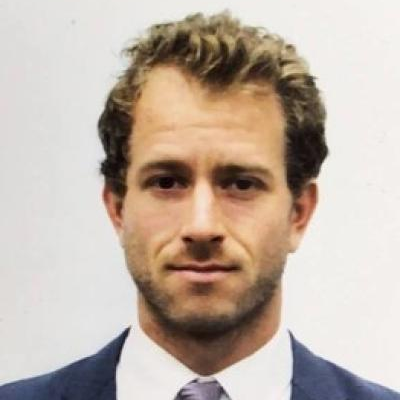
Ted Alcorn is an independent journalist who reports on health and justice for numerous publications and is an adjunct at Columbia University’s Mailman School of Public Health and NYU’s Wagner School of Public Service. His project focuses on the large and growing health disparities between rural and urban areas in cancer treatment and outcomes.

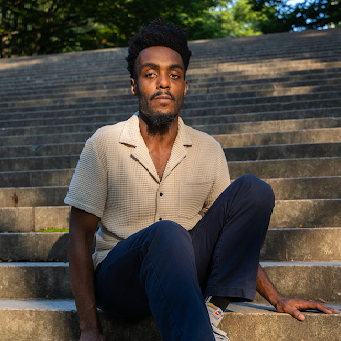
Jamal Jordan is a multimedia documentarian currently working as an audience editor at The Washington Post. He’s the author of “Queer Love in Color,” a book of photos and stories based on his New York Times project of the same name. He is reporting on the ways public health officials, organizers, and community members have addressed America’s loneliness epidemic among senior citizens as a public health issue.

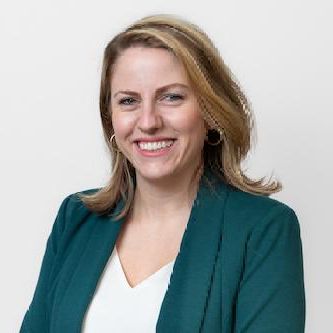
Eleanor Klibanoff is the Texas Tribune’s women’s health reporter based in Austin, where she covers abortion, maternal health care, gender-based violence, and LGBTQ issues. She is reporting on maternal healthcare in rural communities.

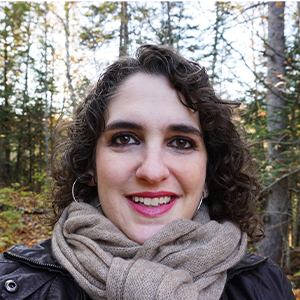
Lygia Navarro is an award-winning bilingual and disabled independent journalist working in long-form narrative print and audio with a focus on health and Latine stories. She is investigating the immigrant workers most affected by H5N1 and how public policy could be improved for the benefit of these workers and the health of the whole country.

Amanda Seitz is a healthcare policy reporter for The Associated Press based in Washington, D.C. Her project is investigating the impact President Donald Trump’s immigration policies have on U.S. public health and how community organizations in Texas are trying to reach migrants to provide health care, despite their concerns about mass deportations and arrests.

CAREER
 

Pressing On: Los Angeles journalists face violence, push for accountability


By Maggie Amacher


When journalist Ben Camacho set out to cover protests in Paramount, California, he did not expect to become a part of the story he was reporting. But that’s what happened after he was shot twice by Los Angeles County Sheriff’s deputies on June 7.


“As a reporter of color, there’s this dynamic where I’m out there on the field and I look like the majority of people that are protesting … there’s this kind of other layer that I feel,” said Camacho, co-founder of The Southlander, during a Freedom of the Press Foundation webinar last week.


Despite having a press badge and camera around his neck, Camacho was hit in the knee and then in the elbow with “less-lethal” projectiles. The pain sent him into shock, screaming and scrambling for cover. The injuries left him unable to work for a week, with lingering pain in his knee and elbow that continues to affect him months later.


Camacho shared his story alongside three other journalists during “Reporting under fire: Protests and press freedom in Los Angeles,” an event spotlighting a growing crisis in California’s streets and newsrooms.


Speakers Adam Rose, press rights chair and secretary at the Los Angeles Press Club, Sean Becker-Carmichael, an independent videographer, and Tina-Desiree Berg, a journalist for Status Coup spoke on the harassment, violence, and intimidation they also faced in their own city covering immigration protests.


They emphasized practical steps journalists can take to protect themselves while continuing to cover critical stories. Among the advice shared:


  • Wear protective gear. Bring a gas mask, ballistic goggles, and keep your press pass clearly visible. Berg recommended wearing Kevlar leggings beneath pants for added protection.
  • Travel with colleagues. Watching out for each other can make all the difference, especially if someone is injured.
  • Be aware of your surroundings. Always assess your surroundings and be prepared to move quickly.
  • Document everything. Keep records and collect evidence of any First Amendment violations or violent incidents.
  • Conduct a mental health check-in. Emotional and psychological impacts from covering trauma should not be overlooked. Camacho shared that he gauges how he’s feeling mentally each day before deciding whether to head out into the field.
  • Utilize your resources. There are numerous training and mental health resources available to journalists. The Dart Center at Columbia University runs a Journalist Trauma Support Network. Many organizations, such as the LA Press Club, offer grants for journalists.


These precautions were shared alongside firsthand accounts, showing how deeply the panelists’ advice is rooted in their lived realities. Click here to learn more.


COMMUNITY


Resources

This newsletter is written and edited by the National Press Club Journalism Institute staff: Beth Francesco, Holly Butcher Grant, Elliot C. Williams, Allison Prang, and Mitch Harle. Send us your questions and suggestions for topics to cover.


Get this from a friend? Subscribe, and view the archives.

Facebook  X  Linkedin  Youtube  

DONATE TO THE INSTITUTE


The National Press Club Journalism Institute promotes an engaged global citizenry through an independent and free press, and equips journalists with skills and standards to inform the public in ways that inspire a more representative democracy. As the non-profit affiliate of the National Press Club, the Institute powers journalism in the public interest. The Institute's tax ID number is 52-1750908.