|
As summer winds down and students return to school, families are focused on new beginnings and making sure their children have the support they need to succeed. For families of students with disabilities, this is especially important.
In this issue, Stephanie Langer offers a unique perspective on the Florida Parents’ Bill of Rights, showing how it can be used as a tool to advocate for and protect the needs of students with disabilities. Her approach is practical, empowering, and a reminder that families have important rights to ensure their children’s education is supported.
Here’s to a strong beginning for the new school year.
| | |
In July 2021, Florida enacted a Parents’ Bill of Rights. (Florida Statute Chapter 1014).
The Parents’ Bill of Rights has been utilized to ban books, change curricula, and put pressure on school districts to remove teachers and subjects being taught in Florida’s public schools.
While its initial purpose and use might be concerning to some, understanding its content and using it strategically will be an important tool for parents to have and use.
What You Should Know About Your Parental Rights?
1. The law is intended to protect the “Fundamental Parental Rights."
- The law states that it is the fundamental right of parents to direct the upbringing, education, and care of their minor children.
-
School districts must NOT withhold information about the child’s health, well-being, and education from their parents.
-
School districts must NOT infringe on the parents’ right to direct their child’s education, upbringing, health care, mental health care, and moral or religious training.
-
School districts must NOT interfere with the Parents' right to school choice. (including the right to attend a religious school or home education program)
What Power Does the Law Provide to Parents?
For the first time, this law expands access to Records & Curriculum. Historically, as experts, the school districts were given wide latitude and deference when it came to selecting curriculum and determining what information should be taught to students and how best to teach those students. The school districts were also given broad discretion to determine what information should be shared with parents. This law changed the balance of power and handed much of that power to parents.
1. This Florida law grants parents the right to:
- Review all instructional materials, curricula, books, and lesson plans/ implementation plans.
Read More Here
| | |
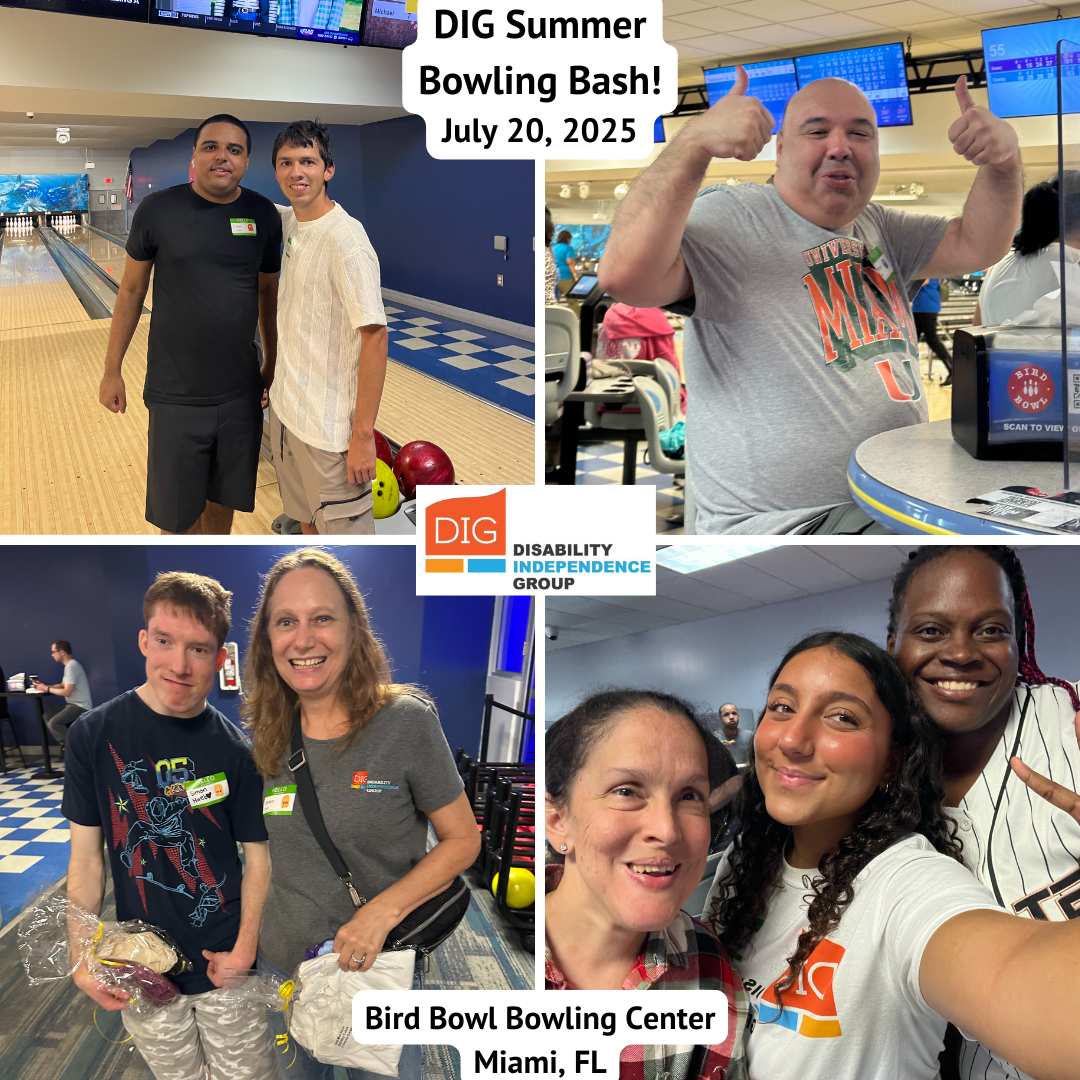
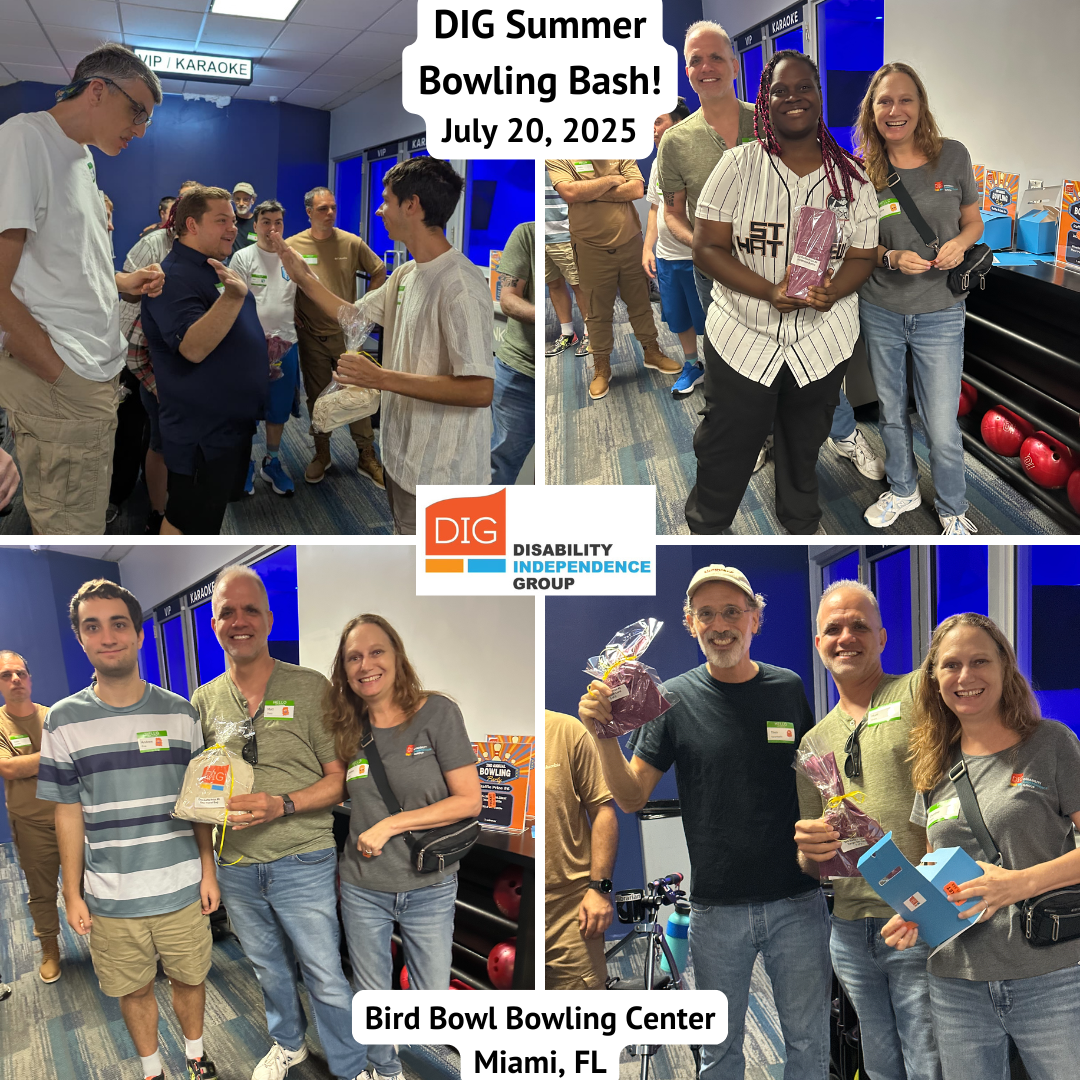
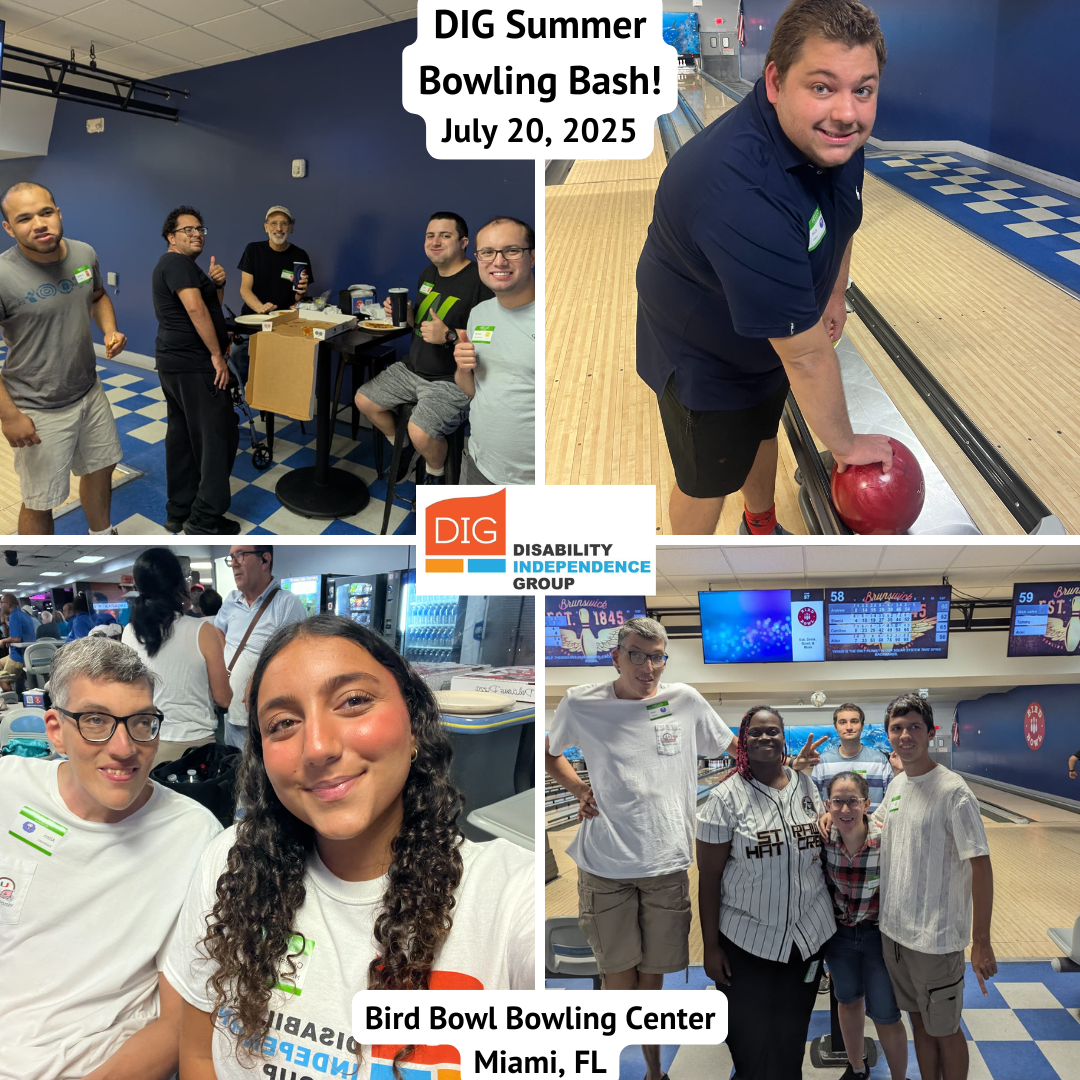
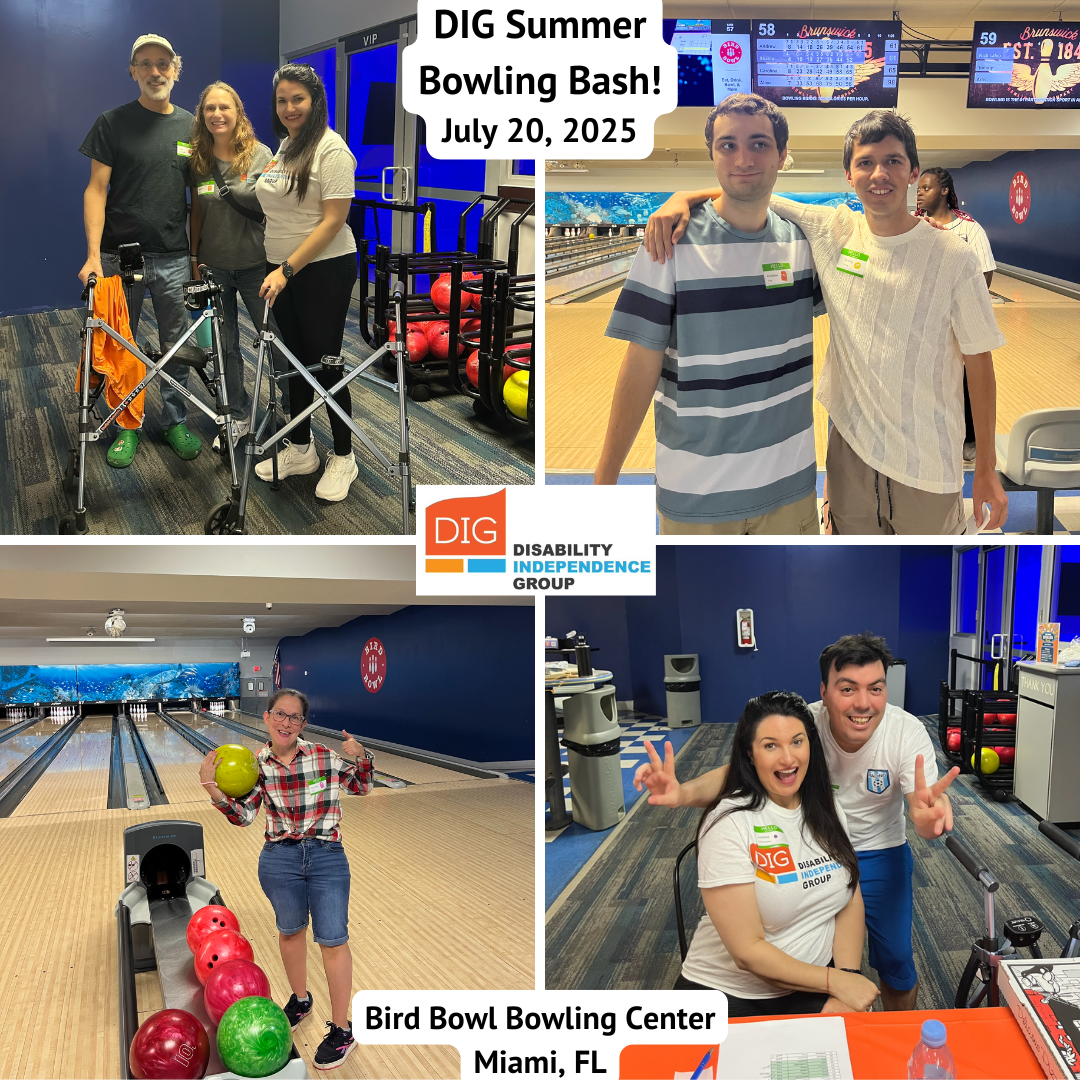
Strikes, Smiles and Success!
DIG's Summer Bowling Bash Brought Us All Together
A Huge Thank You to our Generous Raffle Prize Donors:
Chipotle, Bonnie Blair and the Fink Family
A Very Special Thank You to Bird Bowl for Hosting us and
For Helping Make our Event a Striking Success!
Check Out Some Highlights from the Event Below:
| |
|
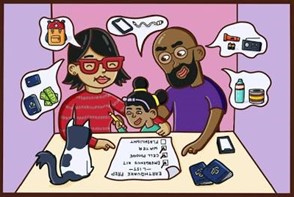
The Wallet Card Project focuses on helping people with disabilities and first responders communicate with each other.
The Wallet Card Project is an initiative designed to improve communication during interactions between individuals with intellectual/developmental disabilities or autism spectrum disorder (ASD) and law enforcement.
Whether you’re a caregiver, teacher, community organization, or part of law enforcement, visit our newly updated Wallet Card Project Page for more information on how to access these resources and apply for a wallet card.
| | | | |
Asset Building for Individuals with Disabilities
By: Lesly Quintanilla Lopez
Disclaimer: The information on this article is for general informational purposes only. The information presented in this article is not legal advice or a legal opinion, and it may not necessarily reflect the most current legal developments. You should seek the advice of legal counsel of your choice before acting upon any of the information in this article.
Public benefit programs for people with disabilities, especially Supplemental Security Income (SSI), are not aimed at increasing assets and independence for people with disabilities as a result individuals with disabilities often have very limited income and few, if any, assets. The intent of asset building initiatives is that as individuals develop assets, they will be able to move out of poverty and remain out of poverty. Many asset building services for people with disabilities will NOT cause loss of critical SSI disability cash payments and essential health insurance such as Medicaid and Medicaid waivers.
Types of asset building services for people with disabilities:
- IDAs: Individual Development Accounts
- ABLE Account
- Work Incentives from SSA: WIPA Program and Work Incentives like PASS, Plan to Achieve Self-Support and Self-Employment/Entrepreneurship
- Earned Income Tax Credit (EITC)
- College Savings Accounts
- Financial Literacy Education
- Specialized Trusts Used for Specific Purposes: D4A, D4B, D4C
Read More Here
| | |
Communication Strategies: Hurricane Preparedness
By: Celeste Mazloum
| | |
Hurricane season officially ends in Florida on November 30th, until then there are a few things to do in order to be prepared. It is important to plan ahead for yourself and your loved ones. You can do this by staying informed during hurricane season. Three strategies we recommend are using weather updates, social media, and having a communication plan with family or loved ones.
In this article, you will learn key communication strategies and essential preparation information!
First, it is important to regularly check weather updates from trusted sources like the National Hurricane Center (NHC) and local news outlets. There you will learn about official watches, warnings, and forecasts.
Accommodations Include:
Visual
● The NHC’s website has accessible features like descriptions of pictures, programs that read the website information aloud, and simple language to convey information.
● The National Oceanic and Atmospheric Administration (NOAA) is another resource that has a weather radio which provides weather and emergency information 24/7. This information can be shared through alerts which inform visually impaired individuals, at night or even during power outages.
Read More Here
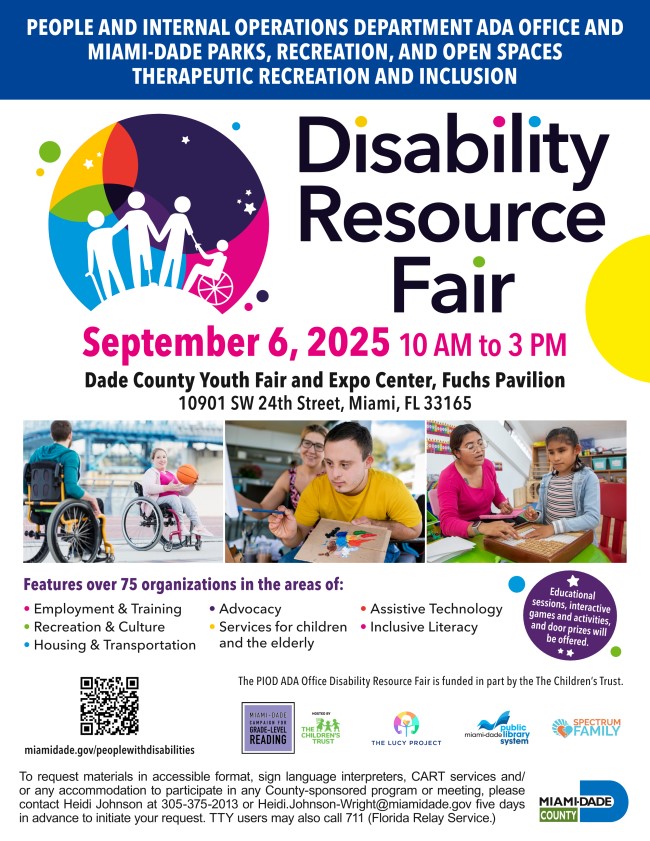
| | Come join the Miami-Dade People and Internal Operations Department ADA Office and the Miami-Dade Parks, Recreation and Open Spaces Department Therapeutic Recreation and Inclusion Division as they host the 2025 Disability Resource Fair on Saturday, September 6th from 10 AM to 3 PM at the Dade County Youth Fair Expo Center, Fuch’s Pavilion. This is the largest resource fair of its kind in Miami-Dade and will feature over 125 different organizations that provide services in the areas of disability advocacy, transportation, public safety, transition programs, literacy, youth and elderly services, recreation and culture, training, employment, and health and wellness. Educational sessions and interactive activities will be provided. Don’t miss this opportunity to connect with resources that will enhance your quality of life and well-being. Admission and parking are free and many door prizes will be awarded. For more information, visit miamidade.gov/peoplewithdisabilities. | |
| | |
Be Sure to Check out Our DIG Blog
for Much More
Important Information and Resources!
| | | | |
Do you have suggestions for future content or articles for our monthly newsletter?
If so, email your ideas and suggestions to our newsletter editor,
Justine Chichester.
| | Follow DIG on Social Media | | | | |