DIG Orange Logo with Yellow and Blue Squares and the text Disability Independence Group Next to the Logo
 

2026 Monthly Newsletter


A Note From Debbie...

Awareness in Action written in Orange text and DIG logo at the bottom center of the image

April is always a meaningful month for our community. It is a time of increased awareness, more conversations, and more opportunities to connect with individuals, families, and organizations who care about inclusion and safety.


Progress happens when people take action, learn, share, and work together to remove barriers. Thank you for being part of this work and for helping us continue to move forward.


Wishing you a meaningful and connected month ahead.

Featured Articles

A Landmark Decision Years in the Making

By: Deborah Dietz

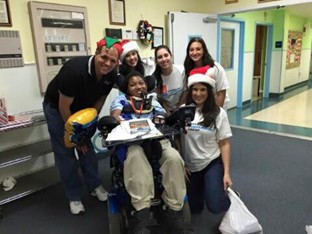
Photo of DIG Team with Deontee

The DIG Team with Deontee


A Case That Changed Everything

This month, the 11th Circuit Court of Appeals ruled on one of DIG’s long-standing cases, one that shaped our work for many years.


This case focused on medically fragile & medically complex children who were living in adult nursing homes in Florida.


How It Started

The case began in 2011, when Larry Forman told Matt that medically fragile children were living in adult nursing homes across the state.


Matt was shocked. We all were.


As he began investigating, it became clear that this was not an isolated issue. Many children were living in these facilities, separated from their families, without access to education, and without the ability to live like children.


They were often left sitting for hours with little interaction. In some cases, they were even served the same food as adult residents. One meal was tilapia fish. I can’t get that image out of my head. What child wants to eat tasteless institutional tilapia?


It was hard to believe this was happening in our state and that nothing was being done to stop it.


Understanding the Problem

As Matt learned more, one issue became clear.


The in-home services these children needed were not being provided. Families were left with impossible choices: try to meet complex medical needs on their own or place their child in a nursing home, sometimes far away.


The Legal Fight

The case was based on a simple idea: Children have the right under the ADA to live at home with their families, not in institutions.


Families should not be forced to choose between inadequate care and institutionalization.


Matt did not take on this fight alone. He worked alongside an incredible team, including Paolo Annino, Ed Grunewald, Jamie Ito, Jill Zebrowski, Caitlyn Clibbon, and attorneys from the U.S. Department of Justice, including Lindsey Weinstock, Justin Park, Beth Esposito, Travis England, and Ann Raish, among many others.


Here is a copy of the original letter that the DOJ sent to the state of Florida.


READ MORE HERE

Photo of Jayden and Beau on a sofa reading I spy books with the facility dog in between them

Jayden and Beau Reading I Spy Books with Callie, the Facility Dog

State Elections: Why They Matter in 2026

By: Deborah Dietz

2026 State Elections written in blue text surrounded by red white and blue stars and stripes with DIG logo in the bottom right hand corner

What Are State Elections?

State elections are how people choose the leaders who run their state government.

Every state has its own government with three parts. The executive branch is led by the Governor. The legislative branch, made up of the state House and Senate, creates laws. The judicial branch, which includes state courts, interprets those laws. These leaders make decisions that directly affect your daily life in your state.


What Does State Government Do?

State government is responsible for many of the services and systems people use every day. This includes schools and education, health care programs, transportation and roads, public safety, and housing and community services. State leaders also decide how money is spent and which programs are funded, which affects what services are available in your community.


Why State Elections Matter to the Disability Community

State decisions have a direct impact on people with disabilities. These decisions affect access to health care and support services, funding for disability programs, and whether housing and transportation are accessible. They also shape education, job training opportunities, and whether voting is accessible and includes the accommodations people need. These choices influence independence, safety, and equal opportunity.


How to Find What Is on Your Ballot

You can use Vote411 to find out what state offices are up for election in 2026. Vote411 will show you only the races you are eligible to vote in, including state elections based on your address.


READ MORE HERE

In The Community

The Wallet Card logo written in white text on a blue background
Wallet Card special discount offer 25% off use code SAVE25

DIG is offering a 25% discount on your very own Wallet Card, during the month of April!

Use the code SAVE25 when you place your order.


Order Your Wallet Card Here


Order Your Caregiver Card Here

Before It Happens Cover Photo

DIG's E-Book, Before It Happens - Your Guide to Staying Safe With Police is now on sale!


Order Your E-Book Here

Benefits Information

Four Logos for Benefits Information

How WIPA Helps You Work Without Fear of Losing Benefits

By: Lesly Quintanilla Lopez


Many people with disabilities want to work, but feel afraid: “Will I lose my benefits if I start working?”


This fear is very common—but the truth is, there is protection in place to help you work safely. You don’t have to figure it out alone.


What Is WIPA? WIPA (Work Incentives Planning and Assistance) is a free service that helps people who receive SSI or SSDI understand how work will impact their benefits. WIPA works in partnership with the Social Security Administration to provide accurate, personalized guidance.


With WIPA, you can learn:

  • How working impacts your monthly benefits
  • How to keep your health insurance (Medicaid or Medicare)
  • How to avoid overpayments
  • What steps to take before starting a job


Work Incentives: Built to Support You

Social Security has special rules called work incentives. These are designed to help you earn money without immediately losing benefits. Some examples include:

  • Trial Work Period (SSDI): test working while still receiving benefits
  • Student Earned Income Exclusion (SSI): students under 22, can earn income with little or no impact
  • 1619(b): keep Medicaid even if SSI payments stop
  • Impairment-Related Work Expenses (IRWE): certain expenses can reduce countable income


These tools are powerful—but only if you understand how to use them.


READ MORE HERE

Important Resources

Open an ABLE United account and get $50 image

As of January 1, 2026, more Floridians are now eligible to open ABLE accounts, thanks to the ABLE Age Adjustment Act—a game-changer for individuals diagnosed with disabilities between ages 27 and 46. Whether you’re a veteran, living with a mental health condition, or managing a diagnosis like MS, Lupus, or Parkinson’s, this expansion could open the door to tax-free savings, new investment options, and financial flexibility - while protecting access to public benefits.


To celebrate, ABLE United is offering a free $50 account contribution to anyone that enrolls by April 30, 2026.


Visit ableunited.com to learn more.

DIG Logo in Blue and Orange with White Text

Be Sure to Check out Our DIG Blog

for Much More

Important Information and Resources!

Do you have suggestions for future content or articles for our monthly newsletter?

If so, email your ideas and suggestions to our newsletter editor,

Justine Chichester.

Follow DIG on Social Media

Facebook  Instagram  YouTube  TikTok