|
|
|
FAYETTE PRAIRIE CHAPTER
THE LATEST DIRT
| |
The Fayette Prairie Chapter of NPAT is committed to local education and native prairie restoration. To support our members, we organize field trips, conduct outreach, and collaborate on conservation and restoration efforts. | |
| Coming
Up | Haven't You
Been Busy! | Toad-aly Awesome | Stewardship
in Action | Technically
Speaking | | |
HANDS-ON CONSERVATION WORKSHOP
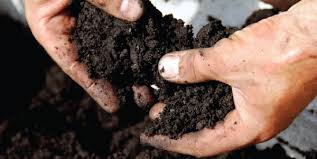
NATIVE PRAIRIE SOIL
| |
Garry Stephens and Nathan Haile Present
- Importance of Soil History
- Identifying Soil Types
- Principles of Soil Health
- Impact of Soil Health on Your Restoration
- Monitoring and Improving Soil for Your Prairie
- Rain Simulator Demonstration
- Post Oak Savannah & Blackland Prairie Soil Tour at One Sky Farm, Round Top
| |
Saturday, February 8, 2025 | 9:00 am - 3:00 pm
Winedale & One Sky Farm, Round Top, Texas
$40, Lunch Provided
FULL - JOIN WAITLIST
| |
Bring: A refillable water bottle
Clothing: Wear boots, a hat, long pants, and sleeves for tall grass and weather.
Provided: Lunch, Water, Snacks
| | | |
|
The Elder Ranch, now known as Elder Prairie Preserve, was donated to NPAT in April 2023. The 203-acre Preserve is one of the most significant examples of the Fayette Prairie in conservation. It is a valuable rescue site for seeds and plants from rapidly disappearing prairie remnants.
| |
Learn more about the Elder Prairie conservation easement history HERE.
Huisache has invaded uplands throughout the property, and removing huisache and other woody species will be an essential management focus.
Enjoy learning about prairie restoration practices you can apply to your prairie project while volunteering to help NPAT restore this important prairie in beautiful Washington County, TX.
| |
Wednesday, March 5, 2025 | 9:00 am - 12:00 noon
Chappell Hill, Washington County
(A map and directions will be provided to
registered volunteers before the event)
VPReservation appreciated
| |
Bring a refillable water bottle and tools if you have them.
Clothing: Wear boots, a hat, long pants, and sleeves for tall grass and weather.
Provided: Water, snacks, and enormous appreciation
| | | |
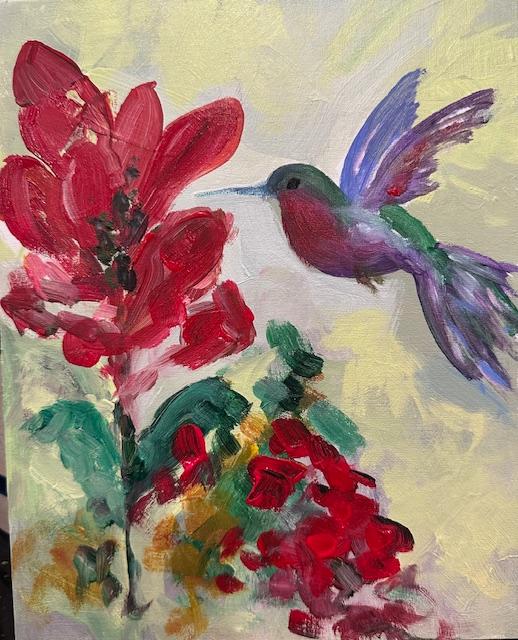
Artful Learning Happy Hour
with Hummingbirds
| |
“Art is the reflection of life, and life is a reflection of the beauty and grandeur of the natural world”
- Thomas Moran
| |
Saturday, March 22, 2025 | 2:00 pm - 6:00 pm
Round Top Family Library Rummel Haus
206 W Mill St, Round Top, TX 78954
Elder Prairie RSVP
Registration Required | $25
Bring one bottle of your favorite afternoon beverage to share.
All materials and light bites are included.
This is a small class with professional instruction, so register early.
Whether you’ve been curious about painting or are a seasoned artist, this class invites you to embrace (or find) your creativity.
No Pressure, Just Fun
| | | |
|
|
|
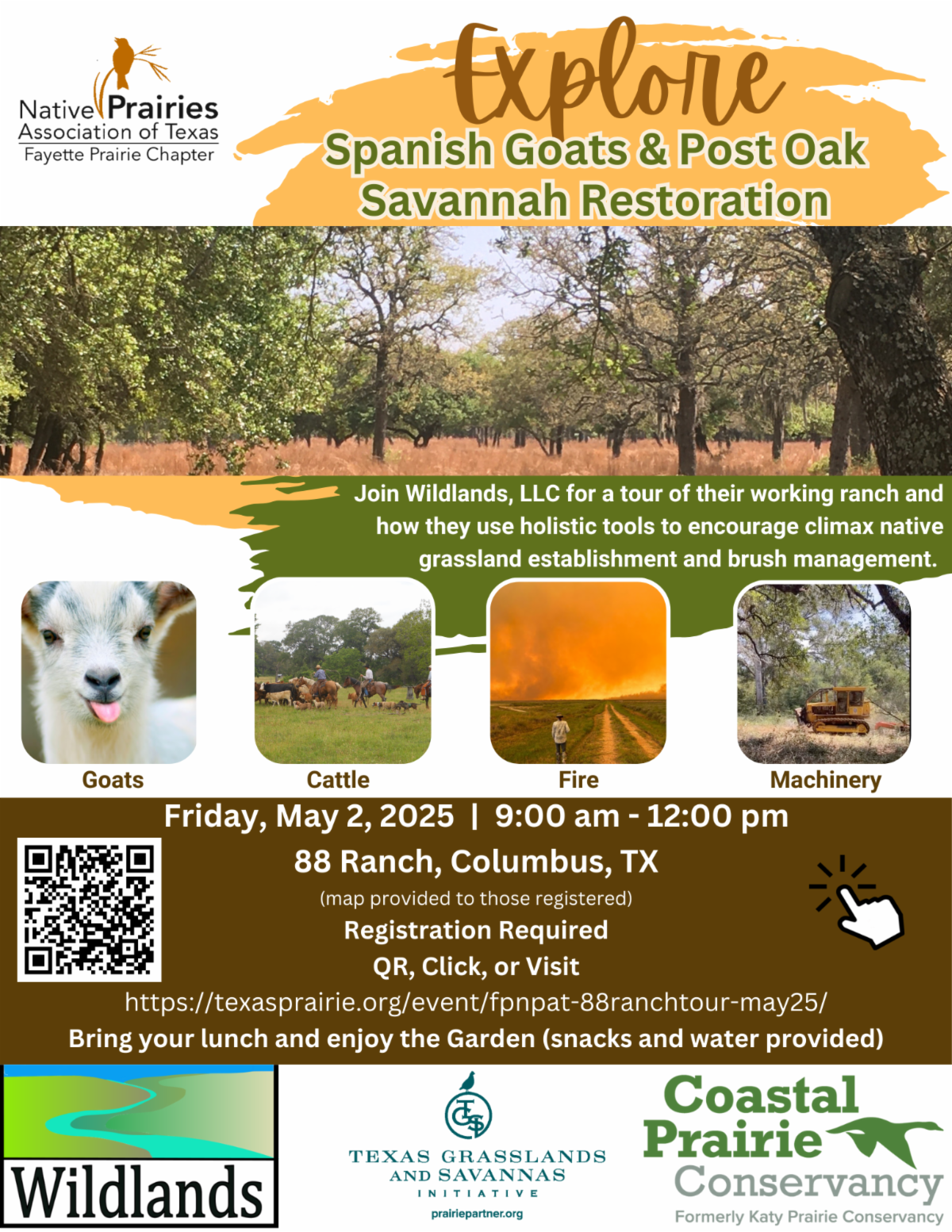
Explore Post Oak Savannah Restoration (with goats!)
Join Wildlands LLC for a tour of their working ranch and how they use holistic tools to encourage climax native grassland establishment and brush management.
Friday, May 2, 2025 | 9:00 am - 12:00 pm
88Ranch, Columbus, TX
Free, but limited space & reservation required.
Share with your prairie-loving friends!
| | | |
More Coming Up
Mark Your Calendar & Watch for Details
| |
| April Date TBD | 9:00 am - 12:00 pm | Seasonal Plant Walk with Tim Siegmund, Elder Prairie, Chappell Hill | | Saturday, April 26 | 9:00 am - 12:00 pm | Hands-On Conservation Workshop:
Native Plant Propagation, Giddings | | Friday, May 2 | 9:00 am - 12:00 pm | Spanish Goats & Post Oak Restoration Tour at 88Ranch in collaboration with Coastal Prairie Conservancy and TGSI | | Wednesday, May 7 | 9:00 am - 12:00 pm | Native Grass Planting, Elder Prairie, Chappell Hill | | Wednesday, June 7 | 9:00 am - 12:00 pm | Seasonal Bird Watch with Eric Wolf,
Elder Prairie, Chappell Hill | | Saturday, June 21 | 9:00 am - 12:00 pm | Hands-On Conservation Workshop:
Grass & Forbs ID (Native & Invasive) with WHF | | |
Elder Prairie
Trail Blazers
| |
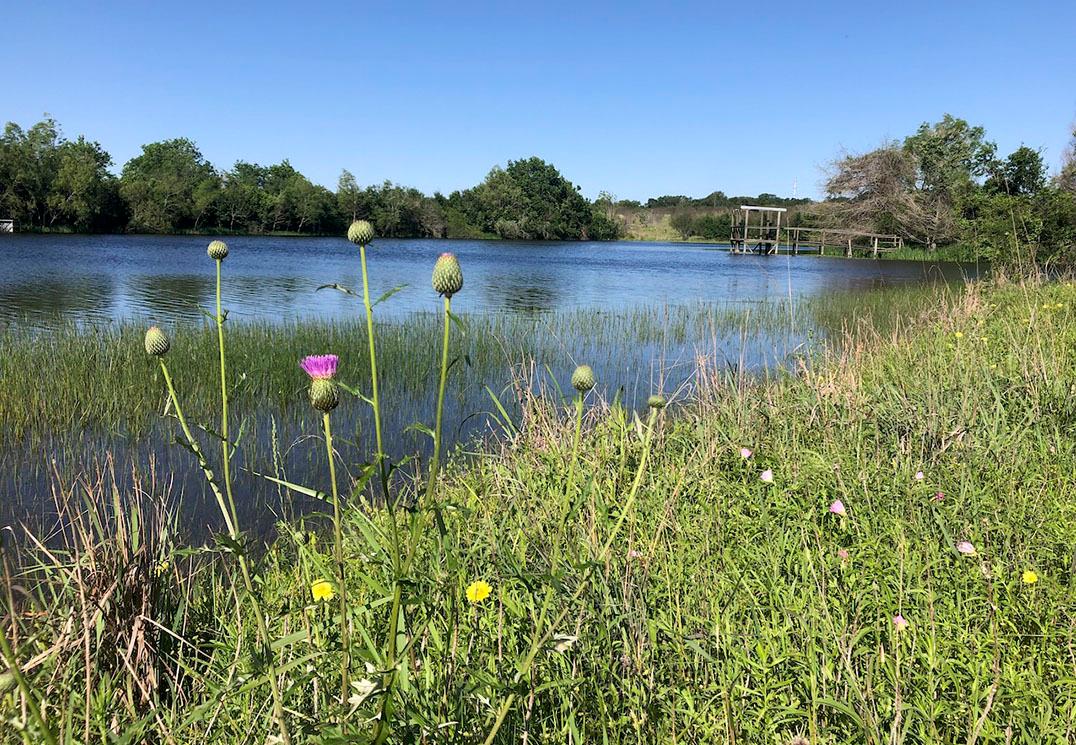
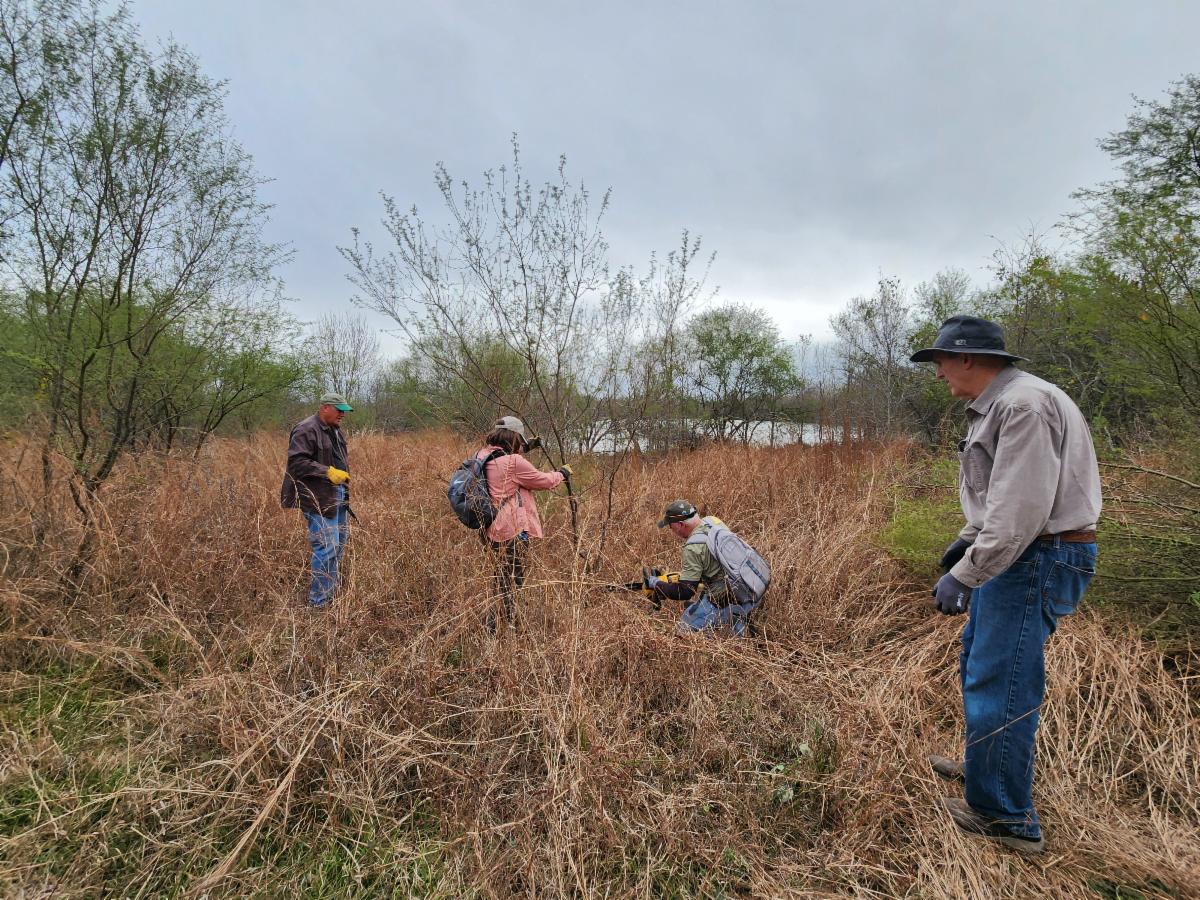
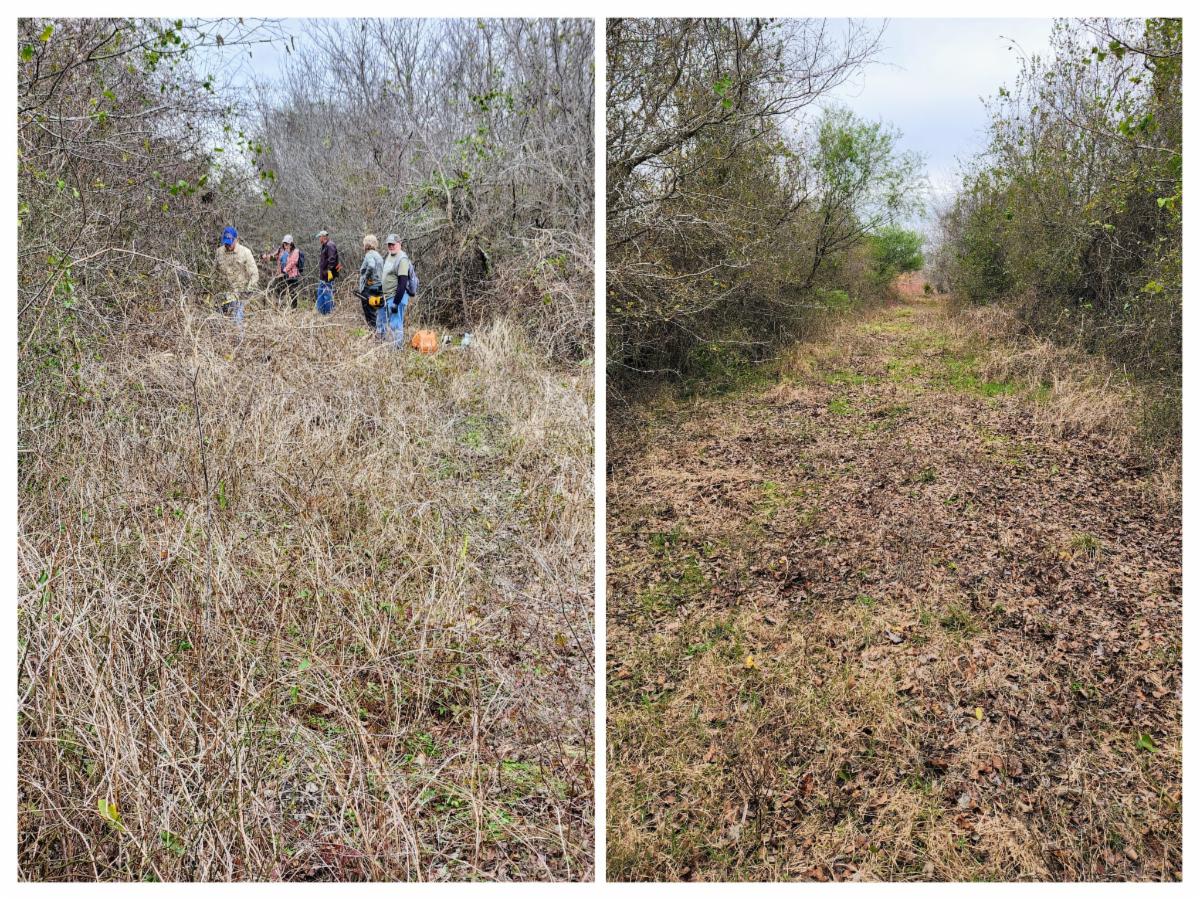
Volunteers worked to remove huisache and cut back overgrown trees and shrubs to re-establish trails around the pond, improving accessibility for future events, such as our upcoming plant walks and bird surveys.
Our volunteers contribute to the restoration of Elder Prairie and take advantage of the opportunity to gain and share new skills by working alongside others with experience and expertise.
Mark your calendar to join us for future workdays and events.
| |
| | |
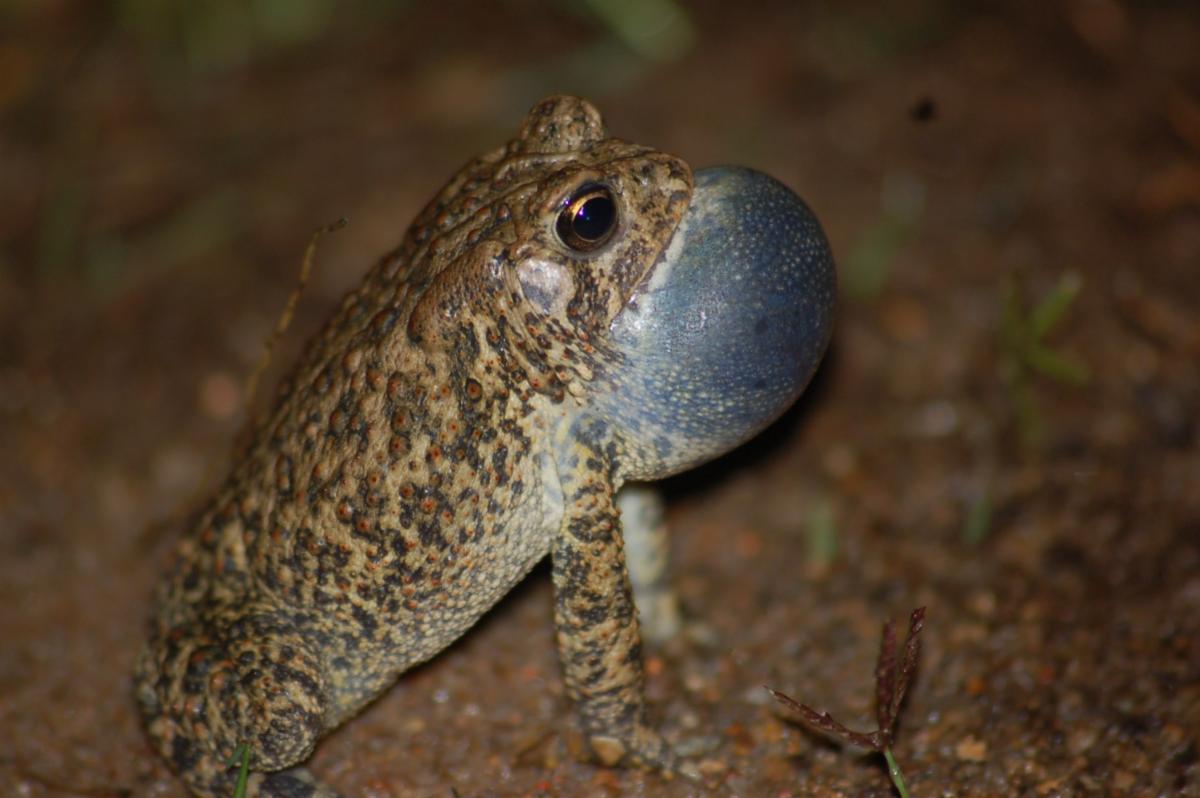
| |  | Texan’s have many reasons to brag about the Lone Star State. We are the nation’s top oil and gas producers, we have more cattle than any other state, and the frozen margarita machine was invented here. Not too shabby. But among the lesser-known areas in which Texas leads the nation is that we have more species of Toad than any other state. It’s close though as you might expect; California has 9 species, but Texas has 10. As Texas is at the crossroads of the great plains, the eastern forests, the tropical thorn scrub, and the western deserts we, predictably, have toad species that are well adapted to those ecoregions and occupy extensive areas both in and outside of Texas. Out of all our toads though, only one species occurs only in Texas. You’d be forgiven for thinking it’s the Texas toad, but even this toad occurs in New Mexico and Oklahoma. The Houston Toad, named for the city in which it was discovered, is our only endemic toad, and one of only 2 endemic anurans (the scientific term for frogs and toads).
Quick sidebar- People often ask what the differences are between frogs and toads. The term frog refers to all squatty jumping, tailless, four legged amphibians, and toads are a type of frog. Think of it like fingers and thumbs, all thumbs are fingers, but not all fingers are thumbs. All toads are frogs, but not all frogs are toads. It’s also mainly a distinction that developed in Europe where amphibian diversity is relatively low, and they didn’t need as many names for things.
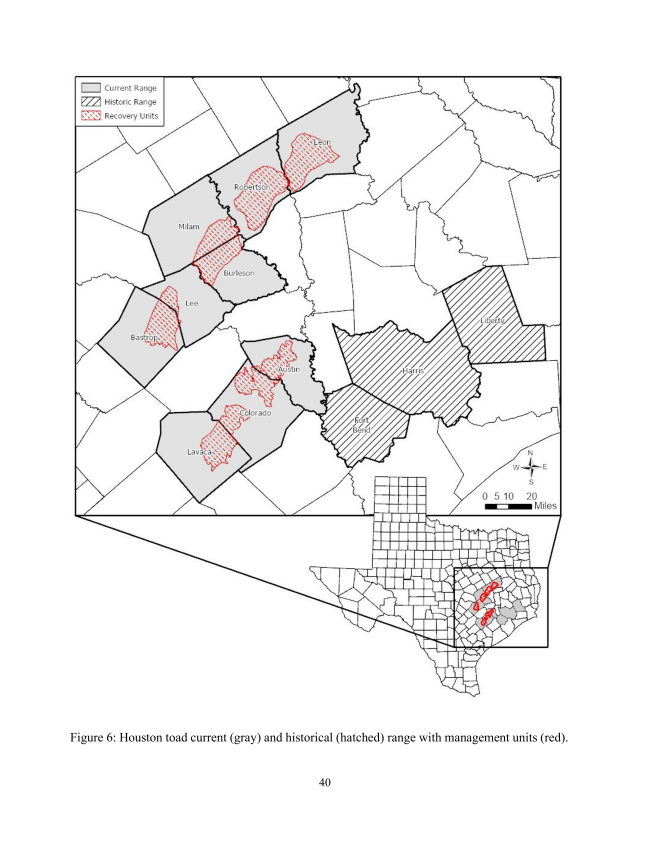
The Houston Toad was only formally described by scientists in 1953 and was unceremoniously added to the Endangered Species Act when it passed in 1973. As a habitat specialist, it doesn’t ever appear to have been common, but we don’t really have good data on the distribution or population sizes before the 1950s. Houston Toads has been found in habitats that vary from the coastal prairies of south Houston, throughout the Post Oak Savannah, to the Lost Pines of Bastrop and Lee counties. The common link among these habitat types seems to be the deep sandy soils that underly them. The expansion of Houston, the conversion of native prairies to non-native pastures, and droughts likely isolated the toad populations in Liberty, Harris, and Fort Bend counties, and eventually they died off. Research led in the 1990’s by TPWD’s Dr. Jim Yantis showed toad populations persisted in Austin, Colorado, Lavaca, Burleson, Milam, Robertson, and Leon counties, in addition to the ones known in Bastrop and Lee counties. This nine-county range makes up the range as we still know it today.
| clickable USFWS 2020 Recovery Plan Map | |
Our best estimate of the habitat that would support Houston Toad populations today is what we think the open pine-oak savannahs would have looked like before fire suppression choked up the woodlands with yaupon and cedar and conversion to non-native pastures for grazing reduced the diversity of species and structure that made up our native prairies. The Houston Toad program has many components including a strong research program and a successful multi-institutional zoo-led reintroduction program, and we are working hard to do a better job engaging private landowners who own property within the toad’s range and providing technical and financial support for the expensive habitat restoration that would benefit this rare Texas native, along with the other species that depend on the same habitats, such as Wild Turkey and quail.
If you are landowner with property in the deep sandy Post Oak Savannah region (link to map) and are interested in helping with Houston Toad monitoring or habitat restoration, please reach out to:
Paul Crump
paul.crump@tpwd.texas.gov
512-989-5467
| | | |
|
Share the Prairie
“The most meaningful way to succeed is to help others succeed.”
– ADAM GRANT
| |
|
Have you appreciated the education and support
gained from your NPAT membership?
Share the importance of native prairies with others looking for information and support. Our chapter has opportunities to "Share the Prairie" at upcoming events with an NPAT-Fayette Prairie Chapter display table.
If you are available to help, drop us a line.
We provide all of the materials; you provide the smile :)
-
Feb 7 | 5:00 pm: Lee County Wildlife Association Annual Dinner at The Silos on 77, Giddings
-
Feb 28 | 8:00 am: Washington County Wildlife Valuation Workshop at Blinn Rankin AG Complex, Brenham
-
Mar 15| 4:00 pm: Colorado County Wildlife Management Association Spring Banquet at Columbus Hall, Columbus
-
Apr 4| 9:00 am: Colorado County Wildlife Tax Valuation Workshop at Colorado County EMS, Columbus
| | | |
|
Pay it Forward -- Be a Prairie Pal
Connect with new members, build up fellow prairie enthusiasts, and share your passion and resources while learning from each other. No expertise is required, just a passion for prairies and a moment to help a new member connect.
Connected People Connect Prairies
| | | |
|
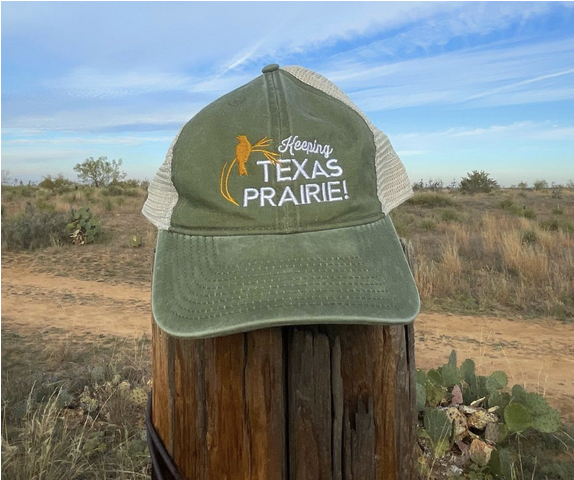
We've got you covered!
$25
| |
|
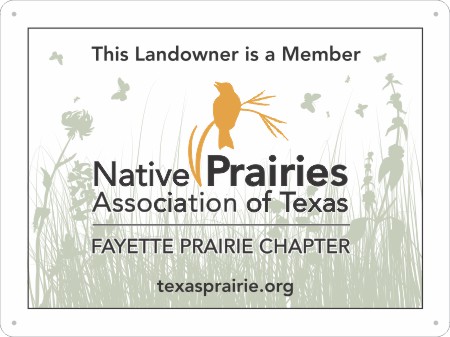
Post your prairie pride with an 18X24 aluminum fence sign
$50
| |
|
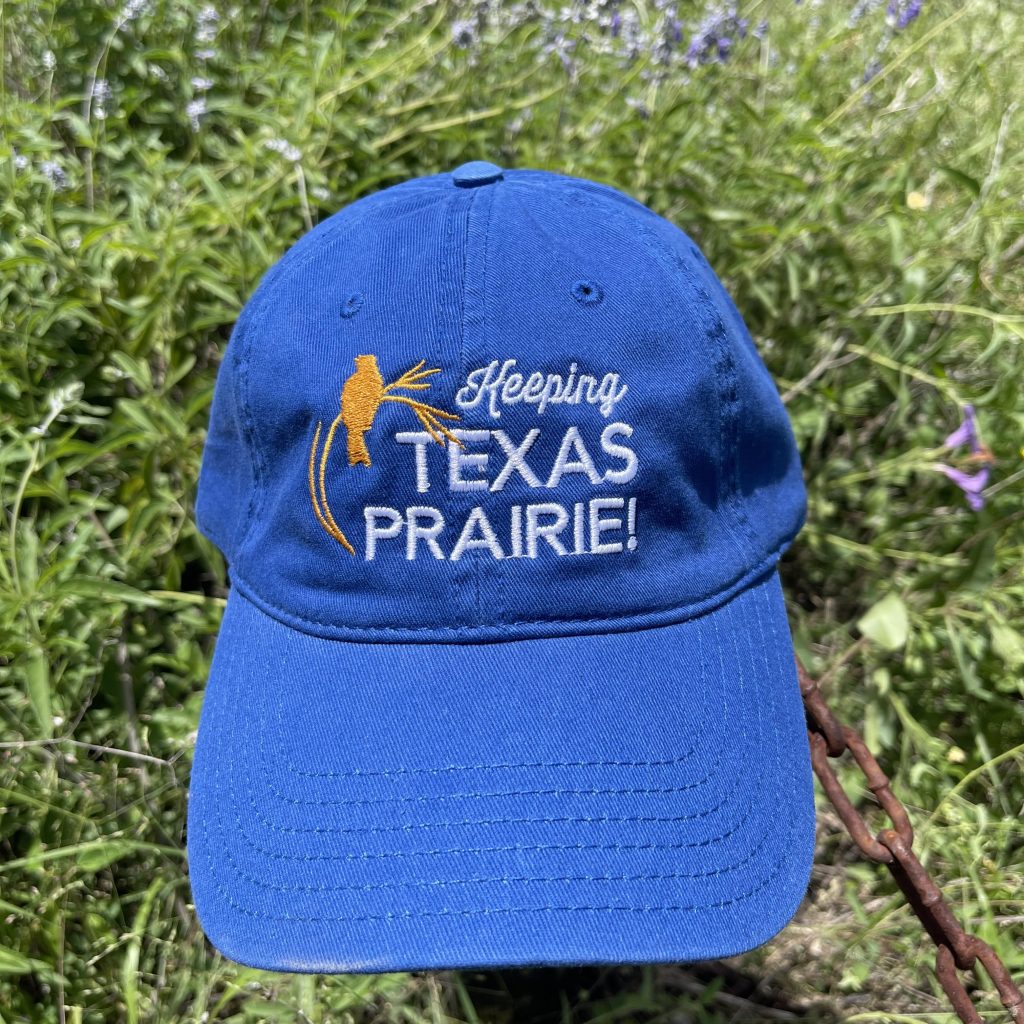
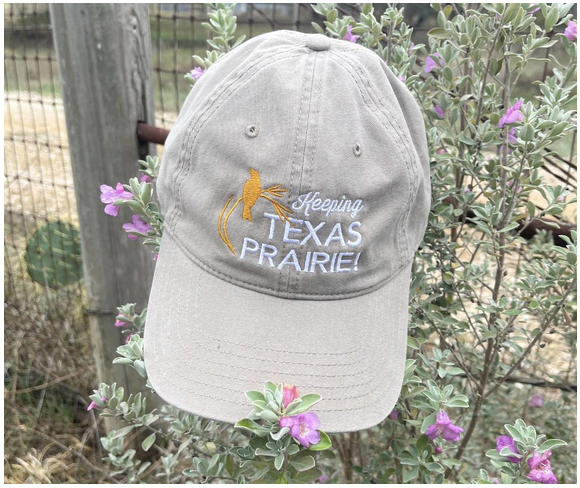
All proceeds from the sale of these caps & signs support our mission to conserve, restore, and educate people about the value of Texas prairies.
Available at Fayette Prairie Chapter Events
| |
Microclimate Monitoring:
From Urban Gardens to Prairie Landscapes
by Connie Shortes
NPAT-FPC member since 2023
| |
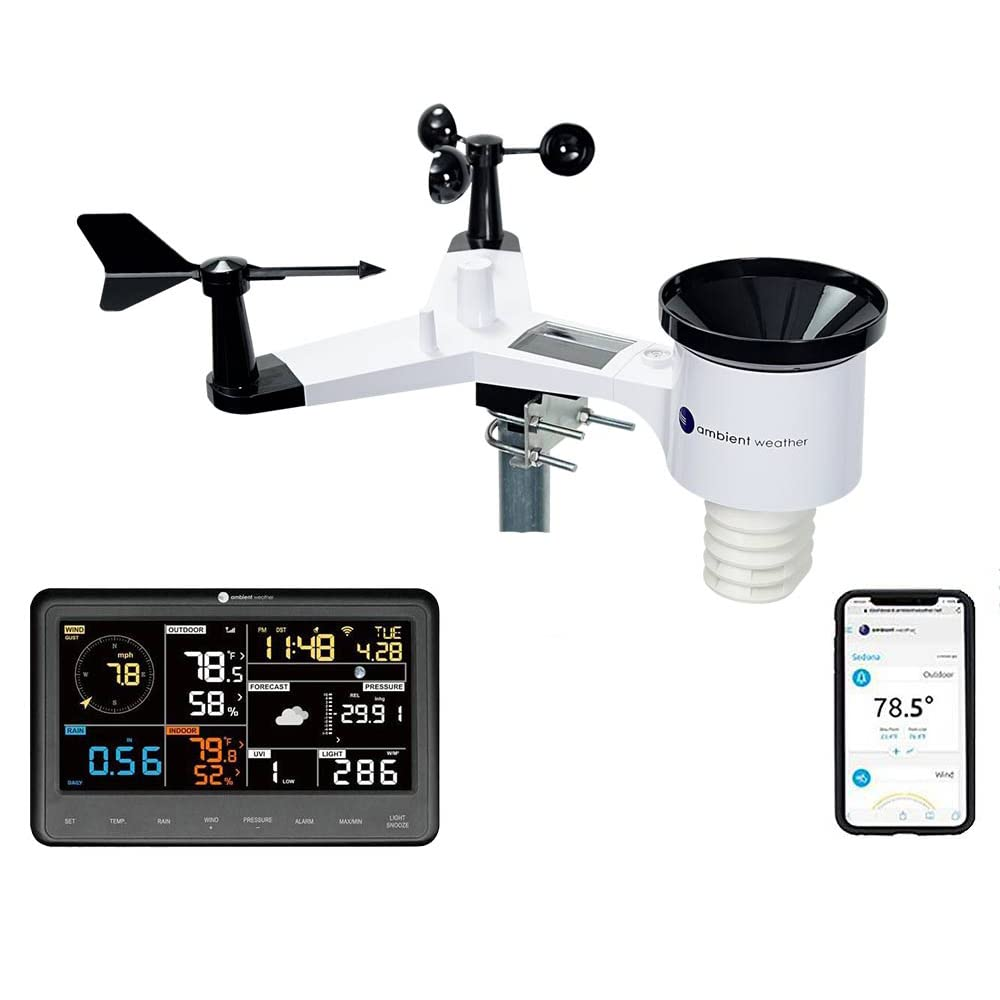
A personal weather station can transform how you care for your native landscape, and today's models are surprisingly affordable and user-friendly.
We've been using the Ambient Weather WS-2902 WiFi Smart Weather Station for three years, and it helps us make better decisions about plant care and land management. We track data like rainfall (did that shower really give our plants enough water?), temperature extremes (crucial during Texas summers), and wind patterns (important for both urban pollinators and prairie burns) on a phone app.
We connected our station to the Ambient Weather Network (AWN), a community of weather observers across the country. Our data contributes to AWN's hyperlocal weather forecasting. This network is particularly valuable in urban areas, where conditions can vary significantly from the nearest official weather station due to buildings, pavement, and other urban structures.
For native plant gardeners, the station helps track moisture levels and temperature variations that affect plant establishment and survival. For prairie managers, it provides critical data for prescribed burn planning and grass management. We especially appreciate monitoring conditions remotely - when we're traveling, we know exactly what's happening weather-wise at our place.
Setting up the station is pretty straightforward, though you'll need to think carefully about placement. Urban gardeners might mount it on a pole or roof where buildings won't interfere with readings, while rural users typically have more placement options. The unit comes with clear instructions, and Ambient's support team is helpful if questions arise. While you may need to supply your own mounting pole, the investment in accurate, hyperlocal weather data makes this an invaluable tool for native plant success.
Do you have a favorite gadget or app that helps you on the prairie?
Could you be sure to share it with us?
| | | | | | |