March 2026

Notice of Funding Opportunity (NOFO) Update


There has been no new movement from HUD or the current lawsuit between National Alliance to End Homelessness and HUD. A final ruling was originally due at the beginning of March, but due to HUD appeals that were eventually denied, progress has been stalled. 


Due to Congress including language within the Consolidated Appropriations Act 2026, HUD funding includes a staggered schedule for renewing Continuum of Care (CoC) projects expiring in 2026. Projects in Quarter 1 of 2026 are to be noncompetitively renewed. If Funding Year 2025 NOFO awards are delayed beyond April 1, projects expiring in Quarter 2 of 2026 are to be renewed noncompetitively. If funding is not awarded by July 1, 2026, all remaining projects expiring in 2026 will be noncompetitively renewed.


MCHH encourages all CoC partners to stay engaged and be ready to act once the 2026-2027 NOFO is released later this year. MCHH will promptly share any updates on the current HUD lawsuit as they become available.

Winter Warming Locations Wrap-Up

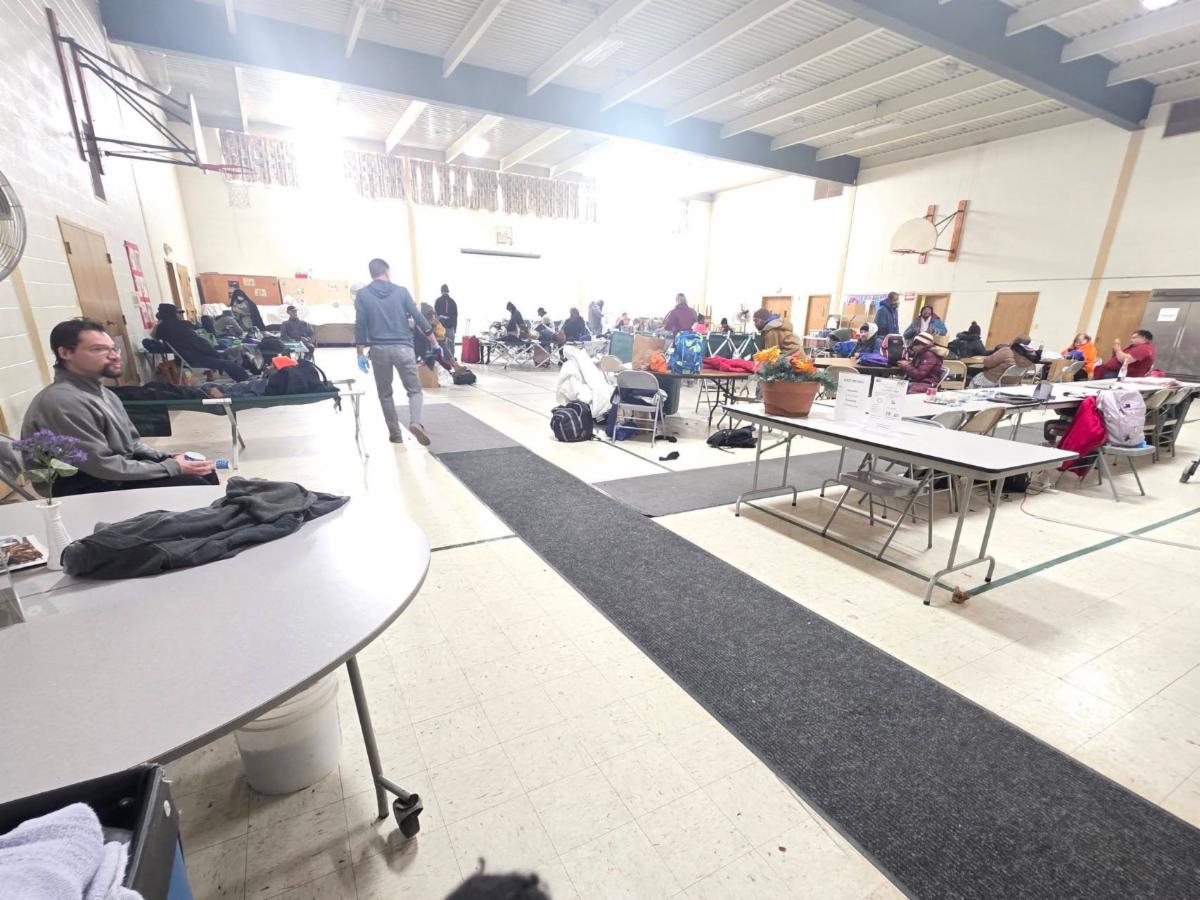
As we approach the end of the warming season, we want to recognize the critical role warming rooms have played in keeping our community safe during the coldest months of the year.


These spaces have not only offered immediate relief from dangerous weather conditions but have also served as an important entry point to connect individuals and families to shelter and longer-term housing resources. This season, we’ve seen strong coordination efforts to transition people, especially families and parenting youth, into more stable shelter placements as quickly as possible.


The data also highlights the wide range of individuals impacted, including young adults, older adults, and veterans, all of whom relied on warming services for safety and support.


While warming rooms are a vital, life-saving resource, they are a temporary solution. As warming operations wind down on April 1, many individuals will face renewed challenges in securing safe and stable shelter. This underscores the ongoing need for increased access to affordable housing and year-round shelter capacity, particularly for families and survivors of domestic violence.

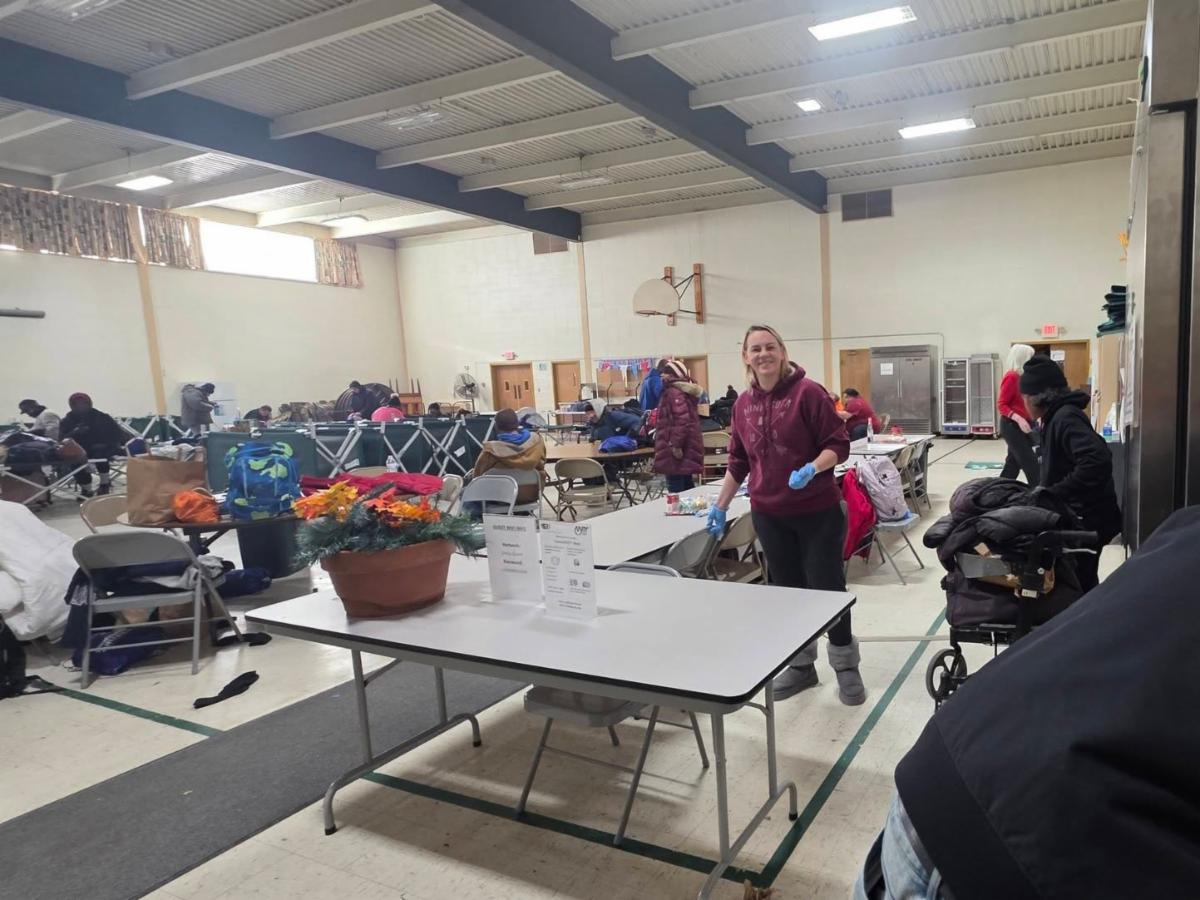
An evening at the Unity Lutheran Church warming winter location in November 2025.

Community support makes this work possible. To help ensure warming rooms can continue to open their doors in future seasons, consider making a donation. Since November 1, over $4,000 has been raised, helping cover essential costs like staffing, laundry services, and daily operations.

These efforts would not be possible without the dedication of our partners and community members. We are deeply grateful for the collaboration that makes this work possible.


Final results from Milwaukee’s 2025–2026 Winter Warming Locations efforts will be shared in an upcoming newsletter.

Strengthening Housing Advocacy in Milwaukee

Supported by funding from the Zilber Foundation, the Shelter and Transitional Housing Taskforce has spearheaded targeted advocacy efforts to educate the community about the instability of federal funding and to address gaps in the housing safety net. This initiative aims to create greater local funding resilience and encourage broader stakeholder responsibility for housing security in Milwaukee.


A major focus of this work included multiple strategic briefings. During these sessions, the Task Force brought together Milwaukee business and community leaders, philanthropy partners, and landlords to highlight

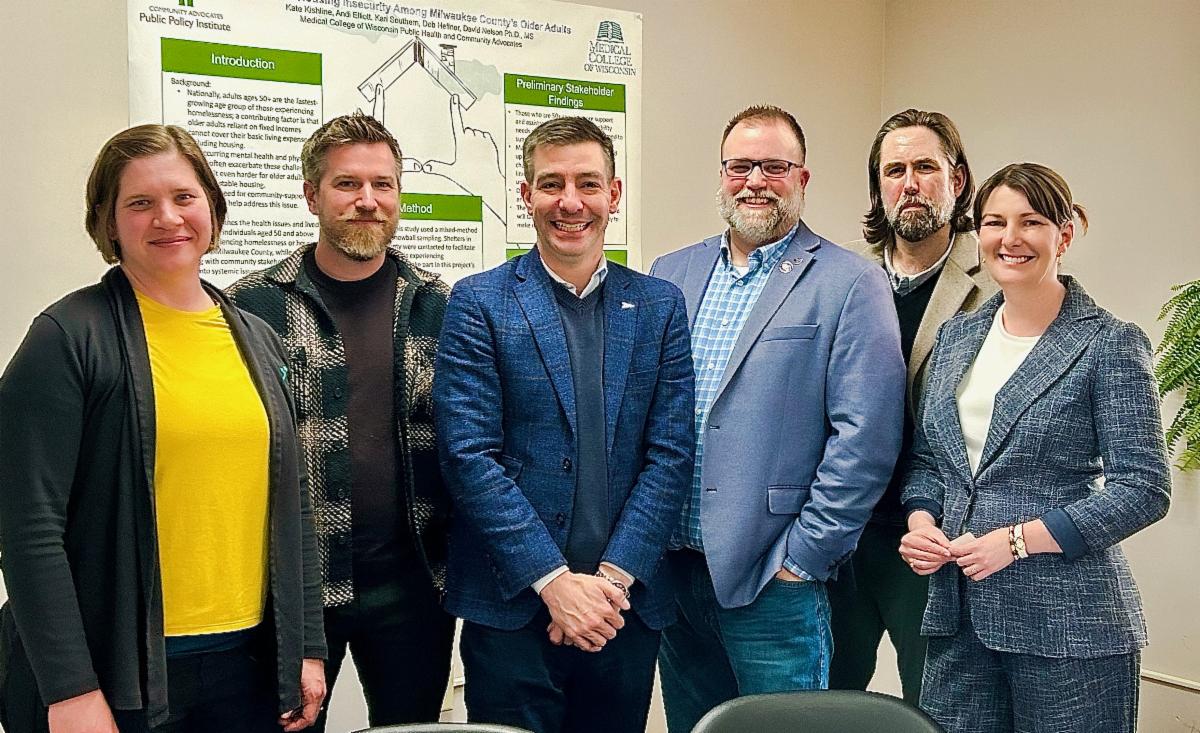
Pictured are presenters from the Local Business Districts Session held on February 24th. From left to right - Beth Lappen and Eric Collins-Dyke, Milwaukee County Housing; Matt Dorner, MKE Downtown; Stephen Bauer, Guest House; Dax Odom, City of Milwaukee Attorney's Office; Emily Adams-Whitcomb, Advocacy Project Consultant, Shelter and Transitional Housing Taskforce. 

funding challenges and their impact on local housing stability. By developing comprehensive policy materials and facilitating these conversations, the Taskforce is helping to elevate the dialogue around homelessness. This work demonstrates that strong shelter and transitional housing systems are essential not only to individual well-being but also to the broader economic vitality of the community.


As the Task Force looks to the future, these advocacy initiatives are transitioning into a more permanent and structured capacity. This work will be integrated into a newly created advocacy position at United Way. This transition ensures that the concerns of shelter and transitional housing providers receive consistent, long-term attention and resources. It also strengthens the collective voice within the Continuum of Care and supports the advancement of sustainable policy solutions.


More information on the task force’s ongoing efforts and resources can be found at sheltertaskforcemke.com. The Task Force would like to thank Emily Adams-Whitcomb for her leadership in this work.

Good News Corner


Big Changes Bring about a Healthy Life


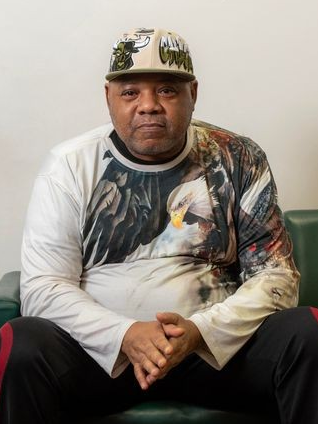
Farrell radiates positivity and joy when he walks into a room. The person Farrell is today is not the same person he was just a few years ago.


After graduating from high school, Farrell became involved in a gang and struggled with his mental health. In 2005, Farrell became homeless, leading to a deterioration of his overall health. Farrell was homeless for nearly two decades and almost gave up hope.


After spending some time in a transitional shelter, Farrell moved into the Johnston Center Residences, a Mercy Housing Lakefront community for people who have experienced homelessness and/or have disabilities. Farrell wanted to make a positive change in his life. “My number one goal was to get a [kidney] transplant. I’d been on dialysis for 13 years. That’s enough depression by itself.”


Thanks to the stability of his Mercy Housing Lakefront home and support from resident programs, like nutrition education classes, Farrell’s health has dramatically improved. He quit smoking, began exercising, and adopted a healthy diet. He also credits Mercy Housing Lakefront staff, especially Brenda Torres, a case manager, for his success.


After losing 100 pounds and reducing his need for blood pressure medication, Farrell achieved his goal to become eligible for a kidney transplant. In 2025, Farrell successfully became a kidney transplant recipient. In addition to Farrell’s positive health transformation, he also reconnected with family members. His once-estranged brother reached out when he learned that Farrell was living at the Johnston Center Residences, and the two reconnected.


Farrell is excited about the positive changes in his life and hopes his story will inspire others. “I want to be happy and have joy and help somebody else,” shared Farrell. 

Facebook

City of Milwaukee | 200 E. Wells Street Room 606 | Milwaukee, WI 53202 US