September 2024 Newsletter
TRANSPORT Summer Highlights
|
| |
TRANSPORT (Translational Program of Health Disparities Research Training) is a research training program that provides a foundation for growing and developing a diverse biomedical research workforce that positions SUNY Downstate as a national leader in translational disparities and population health research. Our efforts focus on recruiting and training junior faculty, postdoctoral candidates and undergraduate students from backgrounds that are underrepresented in biomedicine who come from Brooklyn and other communities that are vulnerable to health disparities. | |
Brooklyn Scholar Athlete with Academic Goals & Community Health Advocates Mentorship Program (BK SWAG CHAMPS) | |
|
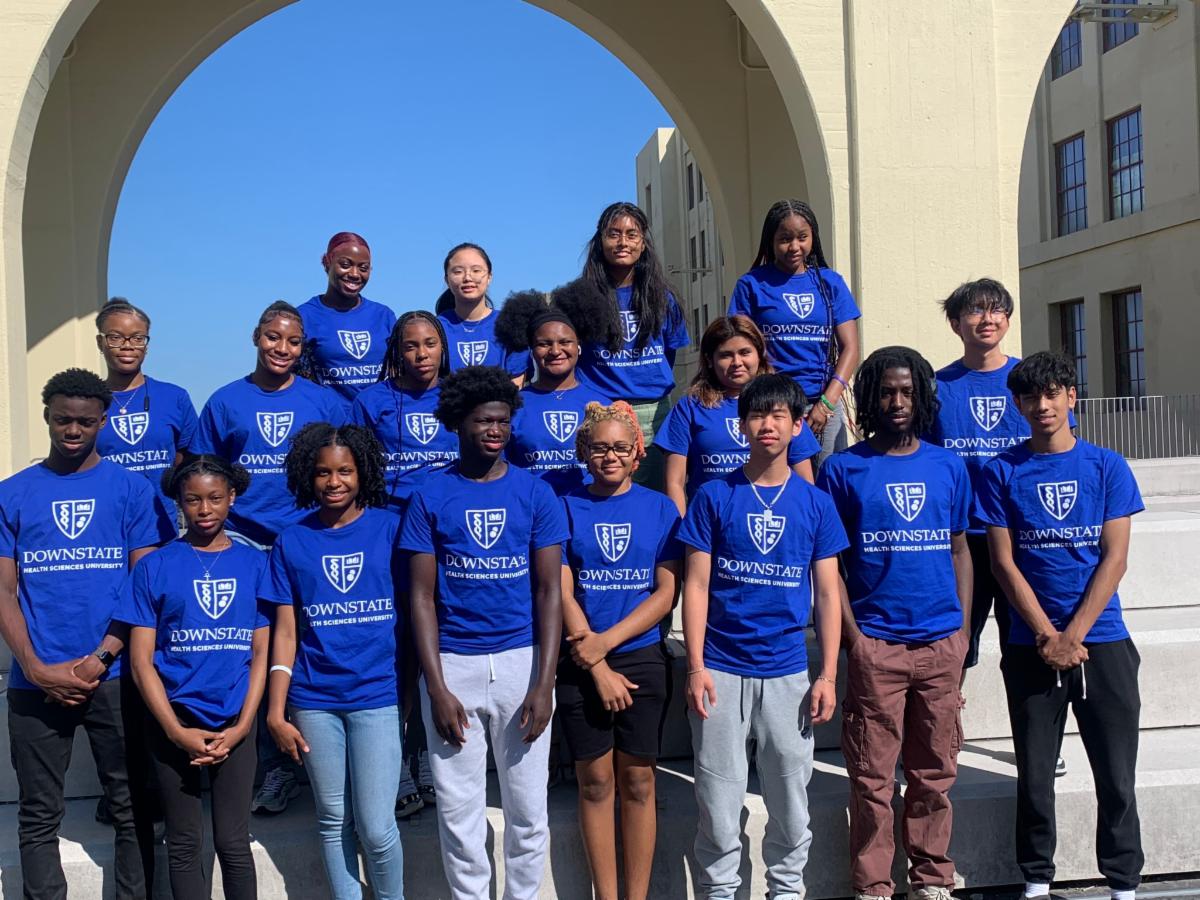
BK SWAG CHAMPS is a 4-week summer program that exposes high school scholar-athletes to careers in healthcare by combining their interest in the health sciences with their love for sports. Students participate in health disparities workshops, engage in community advocacy, meet with providers in sports-related healthcare fields, and receive academic mentorship. Through this summer program, students learn how to contribute to the community while advancing their game and their academic career.
Thank you to our BK SWAG coordinators, Shemeika Bowman and Diedreanna Martin!
| | |
|
Health Disparities in Sports
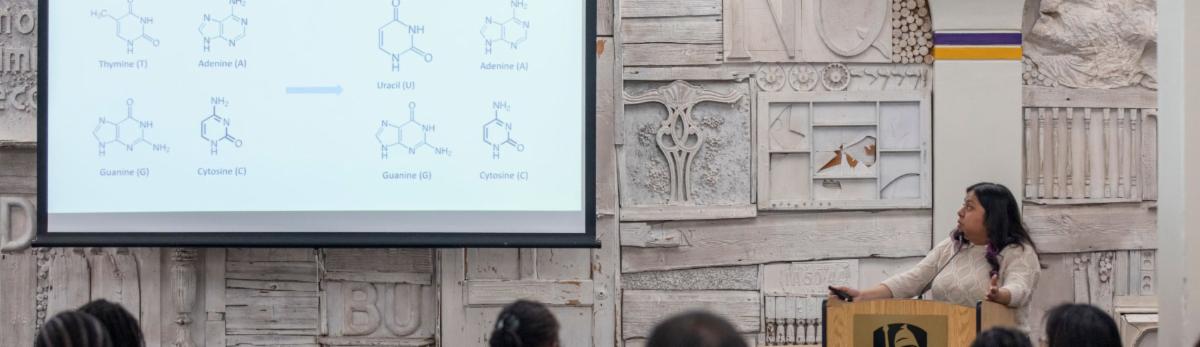
This summer, students created presentations on health disparities in various sports. Check out the list below to see what each student presented.
-
Football: Mia Gabriella Julien, Anson Bai, Chelsea White, Allysse Alexis
-
Rugby: Alison Macareno Moran, Carissa Wilson, Sylas Mark, Gabrielle Bell
-
Ice Hockey: Imani Appolon, Bria Simon, Eric Guo
-
Boxing: Ellis Simpson, Clarisa Quinonez, Rexena Chen, Christopher Antoine
-
Soccer: Farhan Ruhan, Olivia Steele, Sanai James
| | |
Summer Program in Translational Disparities and Community Engagement Research (SPRINTER) | |
|
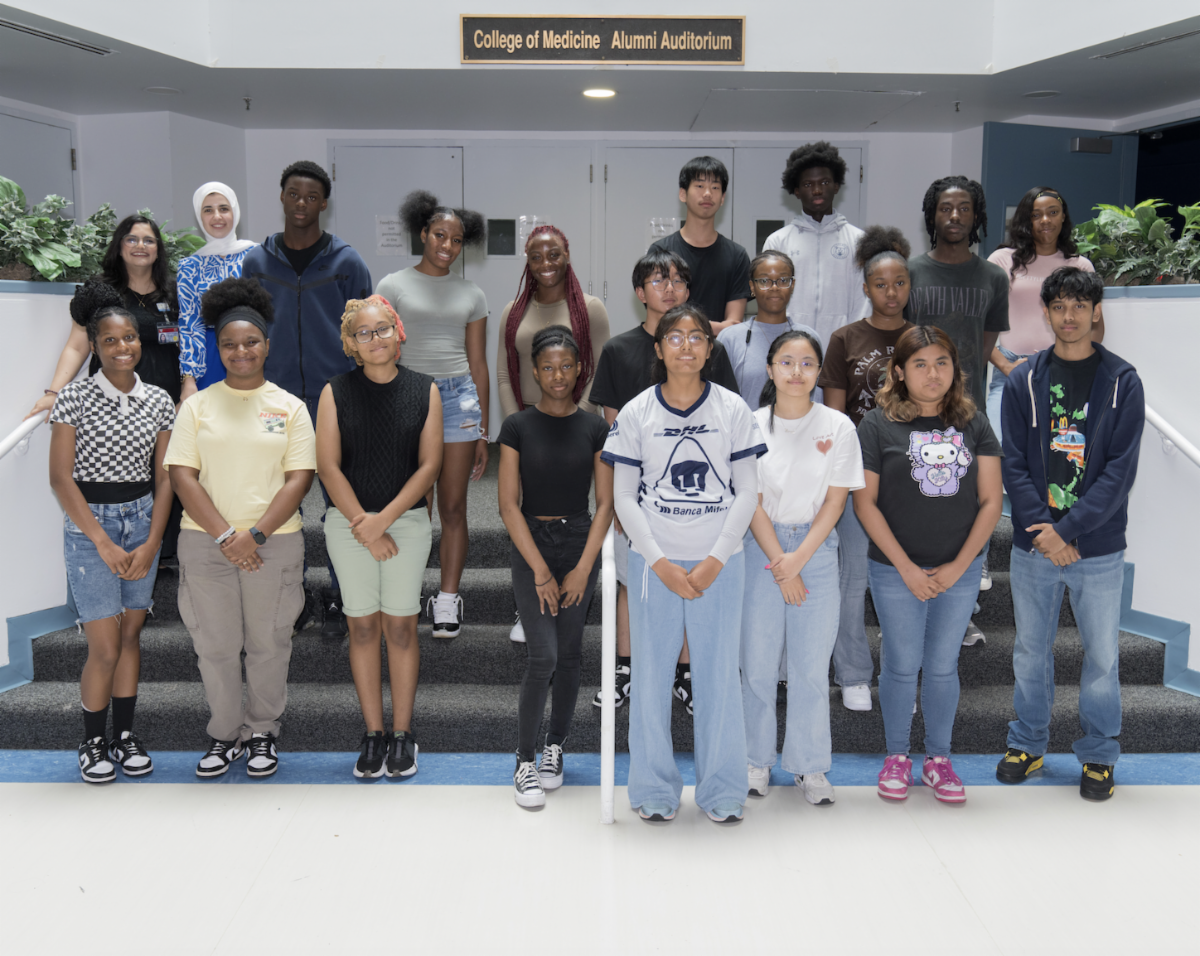
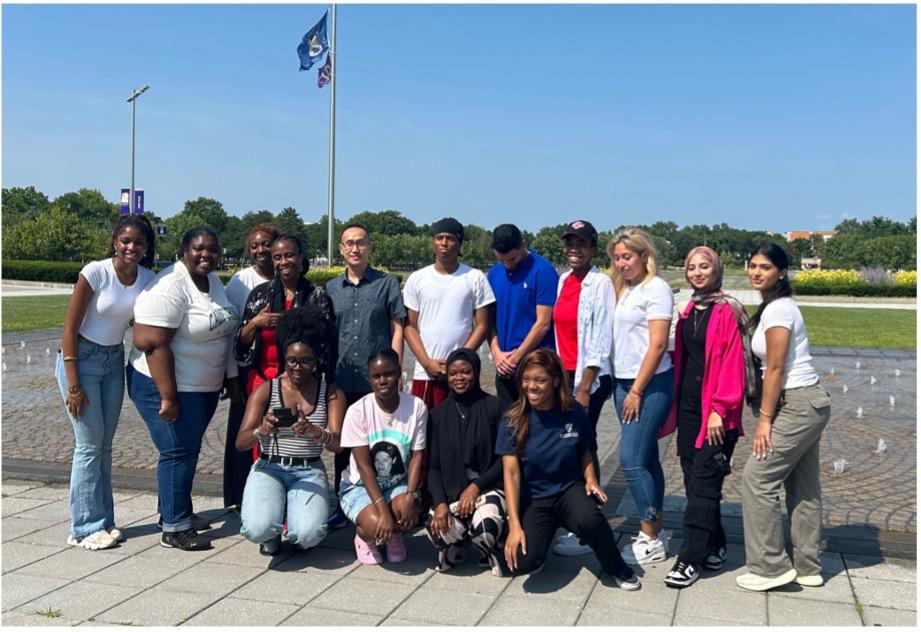
SUMMARY: SPRINTER is a 6-week summer program that provides undergraduate students with experience in research emphasizing health disparities. Recruiting from the City University of New York (CUNY), the State University of New York systems, HBCUs, and private schools, this program includes hands-on research, networking opportunities, and community outreach.
Thank you to our SPRINTER program coordinators, Jenique Reid and Marco Stillo!
| |
- Improving Patient Safety by Standardizing SUNY Downstate Medical Center's NICU & PICU Intravenous (IV) Drug Concentration Library by Rabia Riaz and Rose Blaise
- Does meeting the ACSM Physical Activity Guidelines reduce the likelihood of burnout in PT students by Kiara Cole
- Chronic Disease Prevalence in Safety Net Hospitals in the United States by Ruby Manzoor-Sanchez and Alaina Brown
- Environmental Quality of Life and Understanding The Association Between Living Conditions and Perceptions of Climate-Related Adversities Amongst NYC Residents by Elizette Lakouete and Zaretta Naomie Diffo Teponno
| |
- The Impact of Blood Pressure on Premature Mortality: Insights from NHANES 2015-2016 by Than Han and Ahmed Elfawal
- Colorectal Cancer Screening Among Black and Hispanic Residents of Brooklyn, NY: A Qualitative Study by Cline Morkos and Sharzeeda Diallo
- Determining homozygous and heterozygous alleles of mutated Sgms2 gene in mice using Polymerase Chain Reaction by Mardiyah Usman and Brandon Burnett
- Predicting Sibling Concordance from Polygenetic Heritability by Arianna Arroyo
| |
- The Aftermath: Food Insecurity and Zip Codes in Post-Pandemic Brooklyn, NY by Emed Luangila and Divyesh Parthiban
- Pilot Study: A Systematic Literature Review of the Leadership and Legacy of Foreign-Trained Women of Color in New York's Healthcare: Contributions, Challenges, and Impact by Naomi Hamilton and Fernanda Brevil
- The Association Between Work Situation and Stress Levels for Individuals aged 30-45 in Brooklyn, NY by Ethan Abban and Jermin Culler Jr
| |
Program to Accelerate Academic Careers in Equity Research and Social Justice (PACERS) Clinical Research Training | |
|
PACERS is a four-week research training program which trains first-year medical students to frame health disparities research questions through a health equity and social justice lens.
PACERS provides support for students with:
- with a tentative, early research project or idea
- with an existing research project that needs to be supplemented with additional funding
- with clinical experience; looking to approach shadowing with a health disparities lens
This program is paid. Application information is coming soon. For all questions regarding PACERS, please email diversityprograms@downstate.edu.
| | |
Transitions to Academic Careers (TRACS) | |
TRACS is a one-year paid research training program for medical, graduate, and select post-baccalaureate students. With a research focus on the structural drivers of health and health equity and a one-year stipend, TRACS prepares students for residency or post-doctoral training. Check out this year's cohort below. | | |
|
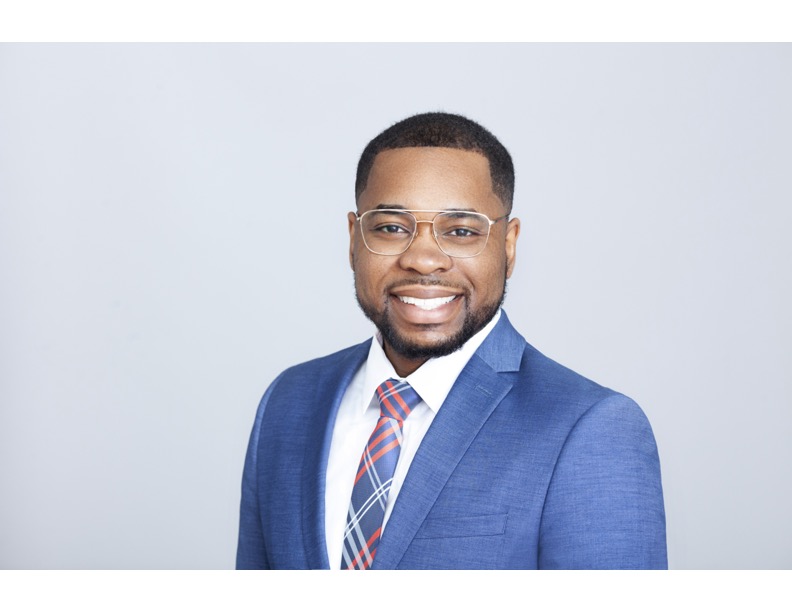
Cordero McCall is a third-year medical student at the Medical College of Wisconsin. He earned both his Bachelor of Science and Master of Public Health degrees at SUNY Albany. In later years, he earned Master of Business at Saint Louis University in hopes of utilizing both his MBA and MPH during his medical endeavors.
McCall is a Nth dimensions scholar, research fellow, and member of the esteemed Alpha Phi Alpha Fraternity, Incorporated. He is also a proud alumnus of Northwestern University's Minority Health and Health Disparities Research Training Program, Northwestern University's Uterine Leiomyoma Research Center Lab Immersion Program, and Rothman's Orthopaedic Summer Immersion Research Program.
His passions are directly focused on bridging the gap between underserved populations and increasing access to care for these vulnerable populations.
His research interests are largely focused on creating more equitable environments for the underserved and advancing health equity. His projects are mostly focused on basic, translational, clinical, and population science. His current research projects include colorectal men's health, prostate cancer, orthopaedics, chronic diseases, and global health. He is currently working in Dr. Camacho Rivera's research lab.
| |
|
What do you look forward to gaining from the TRANSPORT TRACS program?
"I am eager to collaborate with you and your team to better understand how to conduct research at a high level, better develop myself as a growing professional, and meet and retain lifelong mentors. Ultimately, my goal is to become an orthopaedic surgeon and to return to New York so that I can address many of the socioeconomic disparities that I experienced as a child growing up in Brooklyn, NY. I have spent over 10 years working in the medical field in several entry-level and mid-level positions to be able to better address my community. After becoming a medical student, I began to understand that working towards health equity may be the first step in reducing the disparities seen in underserved communities. With this program, leadership, and dedicated faculty and staff, I know that I will become the physician that I’ve always dreamed of becoming."
| | |
|
What do you look forward to gaining from the TRANSPORT TRACS program?
"From the TRANSPORT TRACS program, I look forward to enhancing my research capacity, contributing to scientific publications, and strengthening my foundation in health equity in public health and clinical settings. These skills and opportunities would align perfectly with my aspiration to become a well-rounded physician."
| |
|
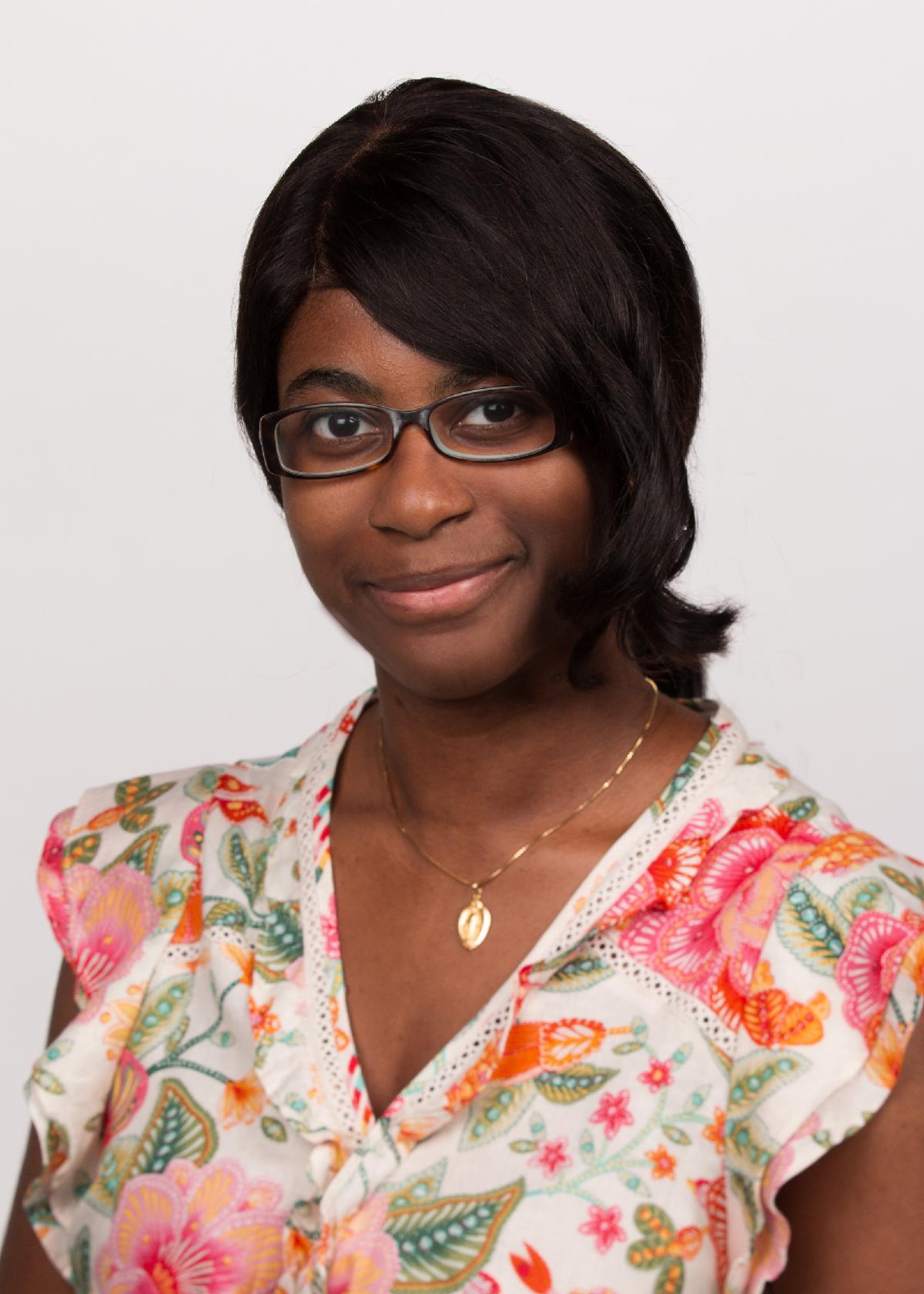
Valerie Chateau's education was at Long Island University, where she graduated Magna Cum Laude with a B.S. in Health Science as a HOPE Scholar. There she grew an interest in biomedicine and public health. She was a 2-year intern at the Brooklyn-Queens-Long Island Area Health Education Center (BQLI-AHEC). She broadened her understanding of healthcare complexities by engaging in interdisciplinary work and contributing to community-based initiatives in medically underserved areas throughout NYC. Notably, she was involved with the Commission on the Public Health System (CPHS) in designing and implementing the "Collecting the Invisible Experiences During COVID-19" survey to address health disparities and advocate for policy changes. As a SPRINTER Student at SUNY Downstate Medical Center, she worked on research to correlate stress levels with educational attainment; shedding light on the intricate relationship between social determinants and health outcomes. Her current TRACS study is focused on advancing health equity in clinical practice by implementing structural competencies and working with the Coalition to Eliminate Racism in Clinical Algorithm (CERCA). She is working under the guidance of Dr. Carla Boutin-Foster, Dr. Margaret Salisu, and Ms. Jenique Reid.
| | |
|
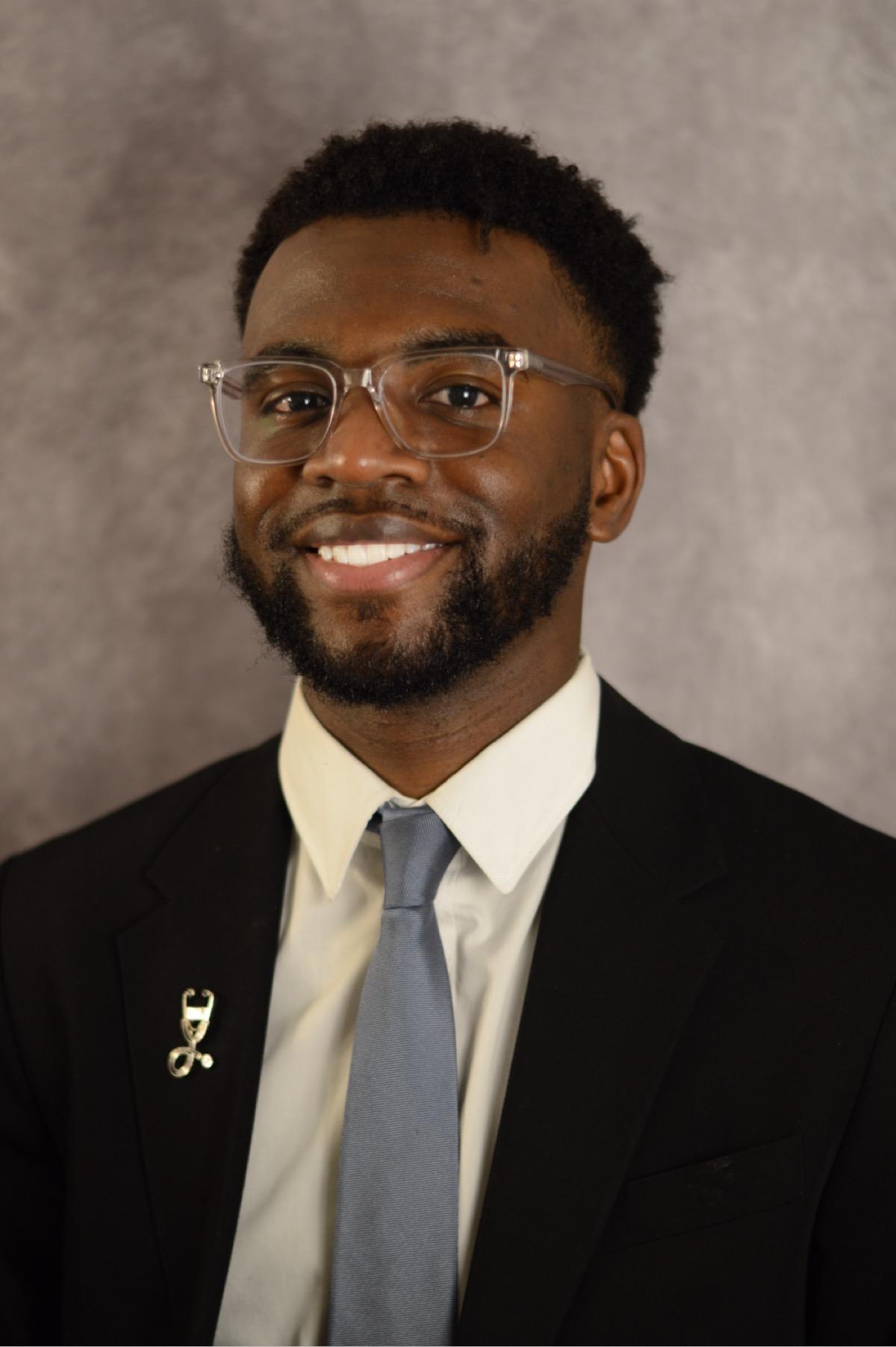
Tobi Somorin is a rising 4th-year MD/MPH candidate at SUNY Downstate College of Medicine.
A lifelong New Yorker, Tobi was born in the Bronx and raised in Middletown, New York. He earned his degree in Biochemistry from Stony Brook University, where he worked with the National Cancer Institute to research cancer health disparities in minority communities. Tobi's passion for addressing institutional-level health disparities and promoting health equity led him to pursue a combined MD/MPH degree with a focus on Health Policy and Healthcare Administration.
Tobi is spending his research year serving as the Craniofacial and Pediatric Plastic Surgery Research Fellow at the Children's Hospital of Pittsburgh, and a Transition to Academic Careers (TRACS) Scholar.
As a research fellow, Tobi is excited to research advancements in pediatric plastic surgery, cleft and craniofacial conditions, and the integrations of imaging and machine learning under the mentorship of Dr. Jesse Goldstein. Tobi is also committed to developing interventions that promote health equity on a systems level through his involvement as a TRACS scholar under the guidance of Dr. Marlene Camaco-Rivera.
| |
|
What do you look forward to gaining from the TRANSPORT TRACS program?
"I’m eager to delve into the complexities of structural racism and health inequity in our country and research policy-level solutions.
The TRANSPORT TRACS program stands out above other programs because it embraces the importance of researching institutional racism while seeking ways to address it. There has been a thorough discourse on healthcare disparities, but unfortunately a paucity of proposed solutions to this issue. I am excited to add more solutions to the table this year and throughout my career as an academic surgeon."
| | |
Clinical Research Scholars Training Program (CREST) | |
CREST fully funds a SUNY Downstate MPH for clinicians with doctoral degrees from groups underrepresented in biomedical sciences. Combining a 2-year formal didactic curriculum with a structured mentored research project, this program prepares health professionals for academic careers in equity-focused research. | |
|
2024-2025 CREST Phase I Fellows
- Susannah Franco
- Suzette Graham-Hill
- Liakhat Morshed
- Neda Sedora-Roman
- Yongsheng Wang
| |  |
|
2024-2025 CREST Phase II Fellows
- Annie Levine
- Rojay Reid
- Monica Fabiola Nogueira Cordeiro
| |
Center of Excellence (COE) Fellowship | |
The COE Fellowship program curriculum focuses on health policy. Trainees receive a one-time stipend for training-related expenses. The two-year tuition-free research curriculum leads to a Master’s in Public Health from the Downstate School of Public Health in Health Policy and Management or Healthcare Administration. It is open to trainees at any junior faculty level with a terminal doctoral degree—DNP, MD, Ph.D., DrPH, DPT, OTD—or equivalent health-related doctoral degree who are at the assistant level, instructors from underrepresented backgrounds in health policy and research, and mid-career faculty. | |
|
2024-2025 COE Scholars
- Ahmed Aly
- Carl Conde
- Carlos Reck
- Robin Ovitsh
| |
Program to Increase Diversity Among Individuals Engaged in Health Related Research (PRIDE) | |
PRIDE is an enriching summer research program that provides junior faculty with didactic courses in health disparities, diversity, study design, research ethics, and academic career development. The primary outcome of this program is to increase the number of scientists and clinicians from backgrounds under-represented in science. | |
|
What do you look forward to gaining from the Junior Faculty program?
My participation in the TRANSPORT Junior Faculty PRIDE Program comes at a critical juncture in my career. As part of the program, I am looking forward to further building my capacity as an independent researcher by working towards and securing additional NIH funding, growing content expertise that supports the expansion of my research portfolio, and receiving guidance and mentorship that will shape me into a stronger mentor as well.
| |
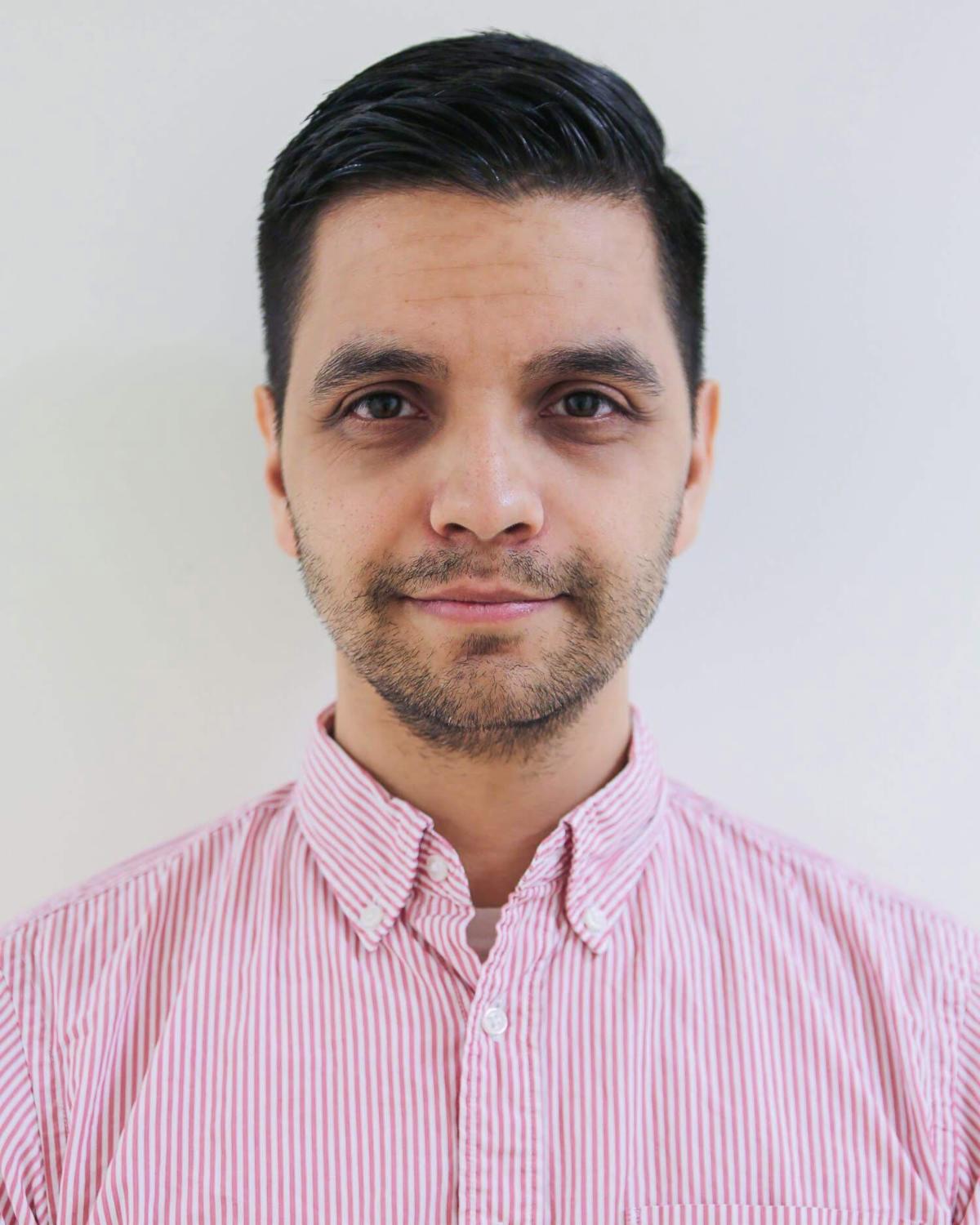
José E. Diaz is a Research Assistant Professor in the STAR Program and Department of Medicine at SUNY Downstate Health Sciences University. Dr. Diaz’s research centers on contextualizing health inequities, including HIV and substance use, among sexually minoritized populations, with an emphasis on care/treatment access and Hispanic/Latino/x/e (Latine) sexual minoritized men (SMM). His recent work examined how intersectional stigma and resilience are linked to past-year substance use treatment utilization among Latine SMM who use stimulants (i.e., cocaine, methamphetamine). He has collaborated on studies exploring the feasibility of home blood/urine specimen collection for laboratory testing of relevant health indicators (e.g., HIV viral load, recent substance use) to potentially support treatment disengaged SMM. Lastly, Dr. Diaz recently completed work on a longitudinal study seeking to examine how neighborhood contexts and social networks impact HIV care outcomes among Black and Latine SMM with HIV who live in New York City. His primary mentor is Dr. Sabina Hirshfield. | | |
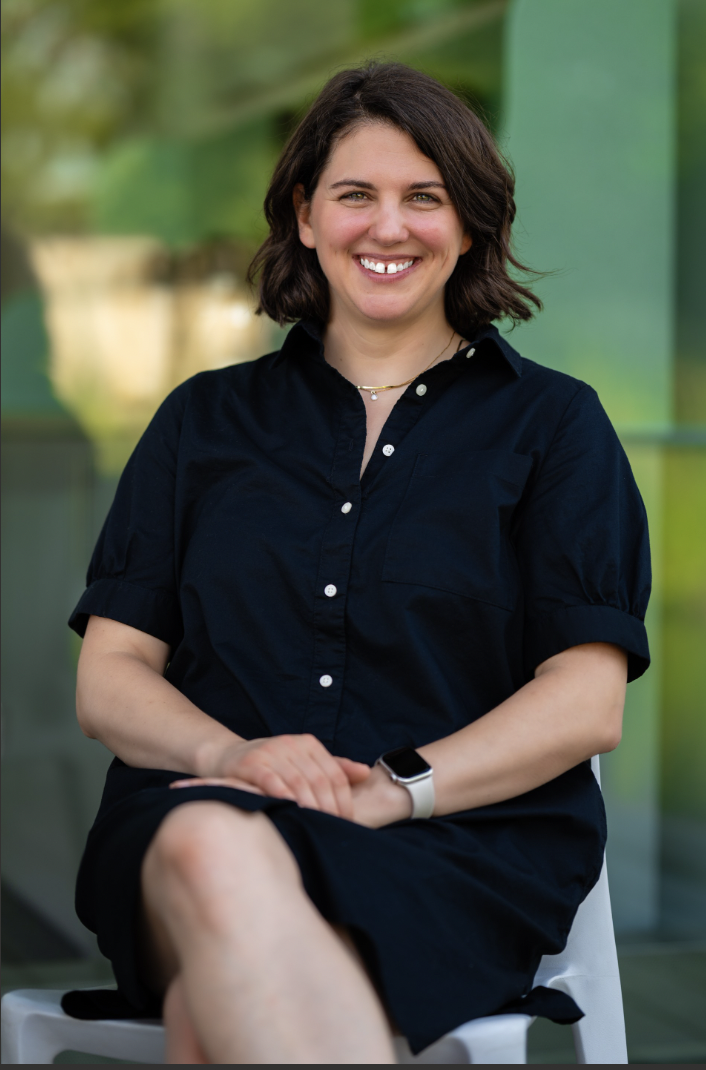
Dr. Zoe Neale is an Assistant Professor in the Department of Psychiatry at SUNY Downstate Health Sciences University. She earned her Ph.D. in Clinical Psychology from Virginia Commonwealth University, where her NIAAA F31-funded research focused on integrating genetics into alcohol use prevention for youth. Her T32 postdoctoral fellowship at Boston University and the VA Boston Healthcare System afforded specialized clinical and research training in traumatic stress, with an emphasis on neurobiological correlates and dementia risk in veterans. Dr. Neale's current research explores the intersections of trauma, genetics, and neurodevelopment, with a particular emphasis on alcohol use, post-traumatic stress disorder, and brain health (e.g., neural functioning, dementia) across the lifespan. Dr. Neale is also committed to conducting research that expands understanding of genetics in underrepresented groups, with the goal of promoting health equity and advancing precision medicine for individuals from all backgrounds. Her primary mentor is Dr. Jacquelyn Meyers. | |
|
What do you look forward to gaining from the Junior Faculty program?
I am excited about the TRANSPORT Junior Faculty program as it provides an invaluable opportunity to advance my research and grantsmanship skills, particularly in the context of health disparities. I very much look forward to connecting with fellow scholars and mentors who share a passion for addressing these critical issues. Through this program, I hope to gain deeper insights into translational research and further refine my work on the genomics of trauma, alcohol, and aging, with the goal of informing interventions that promote brain health and resilience in diverse populations.
| | | | | |