Connecting our collective potential to purposeful action. | | A Transition Year for Ohio—and Why It Matters Who Stays Connected | | |
In nine months, Ohio will swear in a new Governor. Whoever takes office will do so without having previously held elected office, stepping into a role that directly shapes how decisions which are affecting children, families, and communities are made. For anyone who cares about how Ohio approaches these issues—even from the outside—that transition alone makes 2026 a year worth watching closely.
This is also the final year of Governor Mike DeWine’s eight‑year administration. Across state agencies, there is a visible effort to bring long‑running initiatives to a point of resolution and to finalize work that has been under development for years. End‑of‑term compression like this is familiar in government, but its effect depends heavily on what comes next and how much continuity exists through change.
Governor DeWine has been widely recognized for giving sustained attention to issues impacting children and families, including behavioral health, child protection, and family stability. That level of focus from a governor is uncommon nationally, and it should not be assumed that it automatically carries forward with new leadership. Whether and how that emphasis continues will depend on early priorities, staffing decisions, and how well context carries through the transition.
Those choices will be made within an enormous fiscal frame. The State Fiscal Year 2028–2029 operating budget is projected to exceed $120 billion, with a significant share supporting health care, behavioral health, child welfare, and family‑focused services. Medicaid alone serves nearly three million Ohioans, including more than one million children. Decisions made over the next year will shape service access, workforce stability, and capacity across communities statewide.
| | |
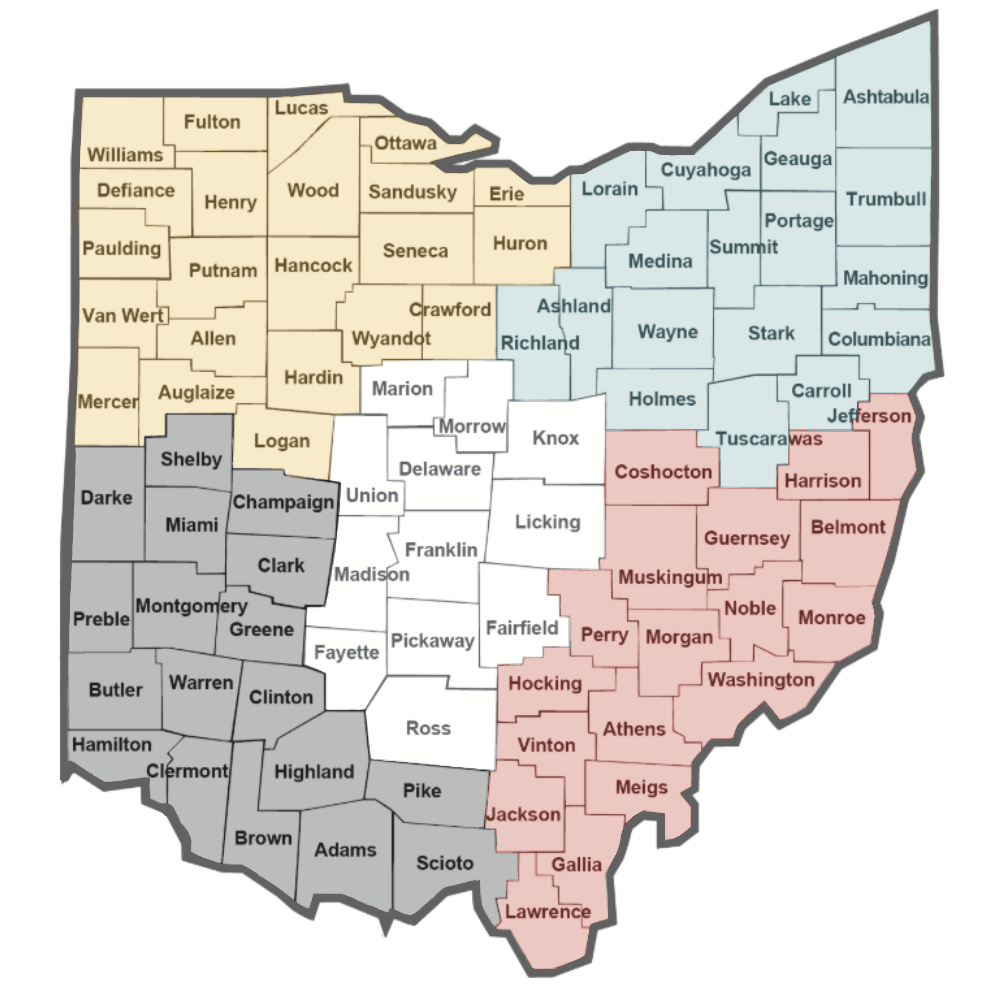
This year’s gubernatorial election marks a period of transition following eight years of relative stability and growth for child and family services under Governor DeWine. As Ohio enters this next chapter, Community Conversations are taking the Alliance to every corner of the state to hear directly from local partners about the perspectives, challenges, and opportunities shaping our work.
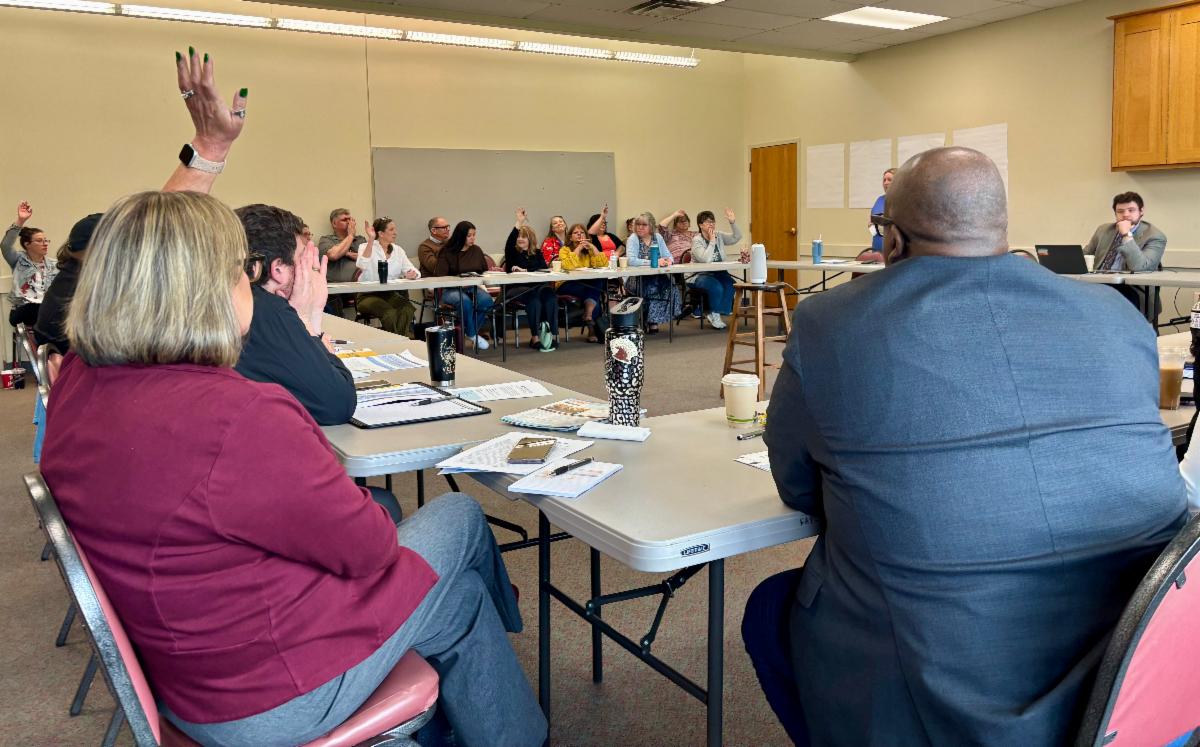
We are midway through this series, having recently held Community Conversations in Central and Southeast Ohio. While clear differences exist between regions, several shared themes continue to emerge. Investments like OhioRISE and Mobile Response and Stabilization Services (MRSS) are widely seen as gamechangers, yet persistent service gaps remain – particularly in rural areas and for young people who are ineligible for Medicaid. Despite siloes, collaboration—especially when led by Family and Children First Councils (FCFCs)—is driving positive outcomes for families and communities. These observations, combined with insights still ahead, will help shape a blueprint for families, providers, partners, and decision makers to better understand the system’s design, strengths, and areas for improvement.
| |
If you live or work outside of the regions we have already visited, we look forward to connecting with you later this year! Additional details about upcoming Community Conversations will be shared later this summer. In the meantime, please consider saving the following dates:
- Northeast Ohio: June 4, 2026, at the Akron-Summit County Library
- Northwest Ohio: July 30, 2026
- Southwest Ohio: September 3, 2026
| | |
Since becoming a licensed Foster Care and Adoption Agency in 2018, Journey Home Foster Care has focused on addressing gaps in care for Ohio’s youth. The agency expanded its continuum of services in 2023 with a Transitional Living Arrangement and, in January 2026, opened the Rovella Roundtree Home for Youth, a licensed group home named in honor of early board member Rovella Roundtree. The home, created to meet the need for structured, trauma‑informed congregate care, serves up to 10 boys, ages 11-18, offering stability, emotional support, and growth opportunities.
Led by Executive Director Charity Wheeler and Director of Congregate Care Kaysey Brokaw, the program aligns with OAC and CARF standards and emphasizes strong relationships and accountability. Youth receive 24/7 support, on‑site behavioral health services through Quality Moments, LLC, therapeutic programming, and independent living skill development. The home reflects Journey Home’s mission to provide safety, connection, and pathways to long‑term fulfillment.
| |
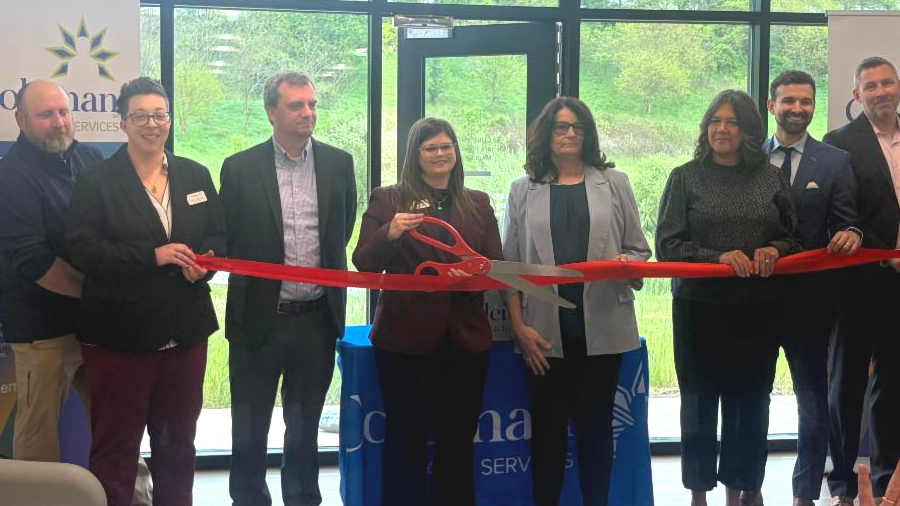
In other news, Coleman Health Services opened a new Behavioral Health Urgent Care Center in St.Clairsville, expanding same-day mental health access in Belmont County.
| | |
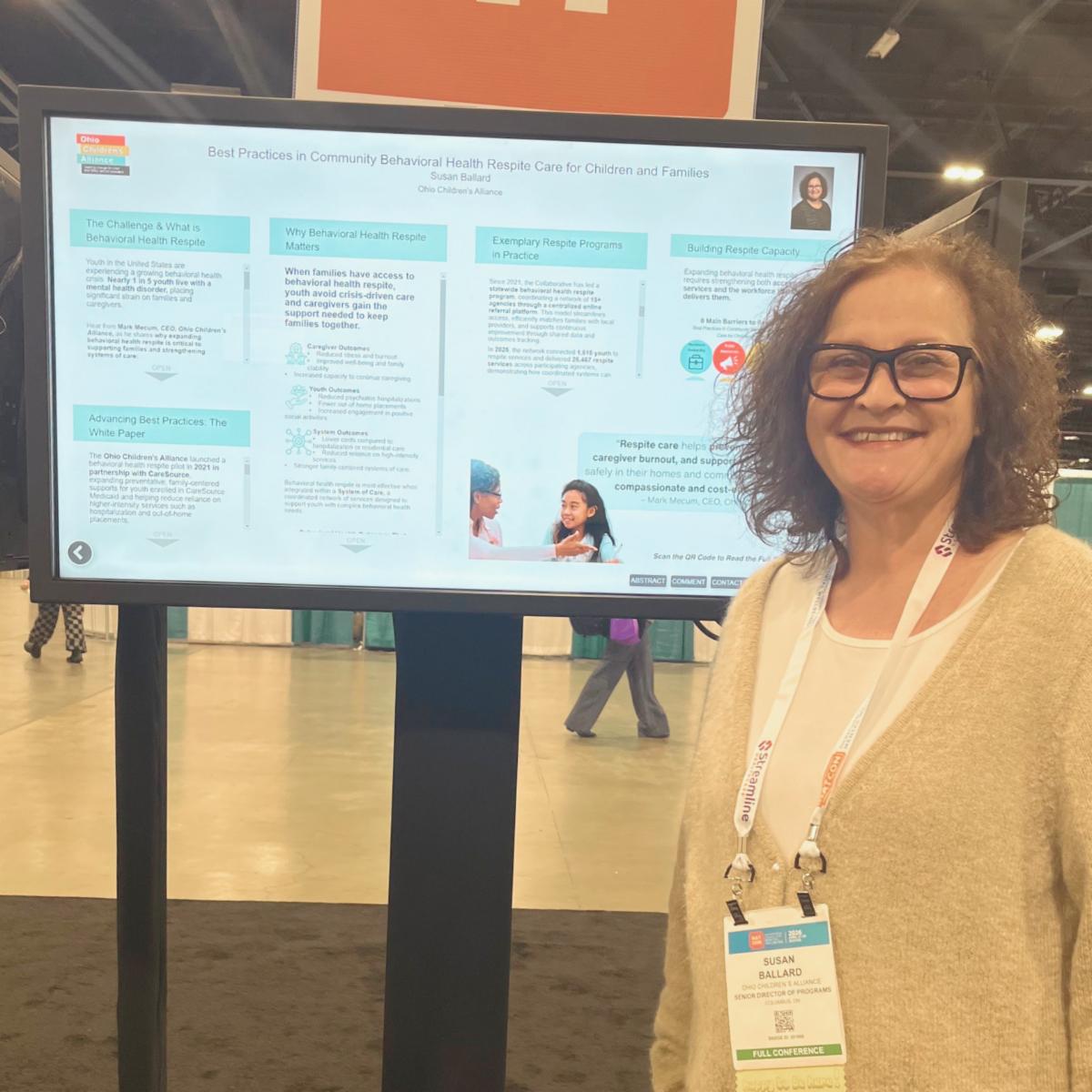
We're proud to share several exciting milestones and accomplishments across our network. Recently, our Senior Director of Programs, Susan Ballard presented at NatCon, highlighting how behavioral health respite can be expanded and strengthened through emerging best practices, workforce strategies, and innovative models that better support youth and families. We're honored to help advance this important national conversation and encourage you to explore full findings and recommendations.
| |
The Collaborative is also celebrating one year since the implementation of Warm Handoff Specialists in April 2025. View this flyer to learn more about the program and find regional contact information.
In addition, Ohio Reach is welcoming nine new designations in 2026. This reflects a growing commitment from campuses across the state to better support students with foster care experience. "Students with foster care experience succeed when campuses are prepared to support them," said Mark Mecum. "Ohio Reach helps create those opportunities for success, and it's encouraging to see nine more institutions deepen their commitment to this work in 2026."
| | Ohio youth continue to make an impact on the national stage. Rei Scott, Caidyn Bearfield, and Gabrielle Craft, will represent the ACF Chafee Housing Continuous Learning Design Project at a national convening in Bethesda, Maryland, through the Community Young Adult Panel. Bridges participants also joined Governor DeWine for the signing of the "A Home for Every Child Initiative" and contributed to First Lady Melania Trump's Fostering the Future initiative, where Jordan Deaton shared his lived experience to inform policy conversations. | |
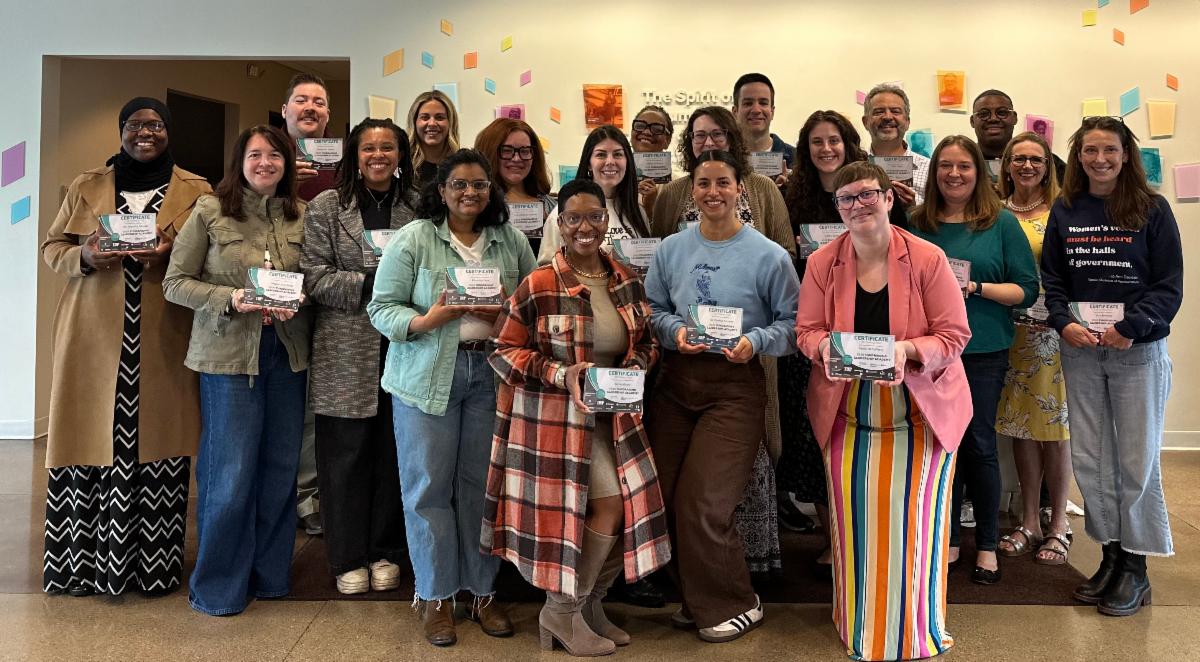
We're also proud of our Senior Coordinator of New Business Development, Haley Farver, who graduated from the 9th Fundraising Leadership Academy through The Columbus Foundation's Nonprofit Forum. The program equips nonprofit leaders with practical, data-driven fundraising tools.
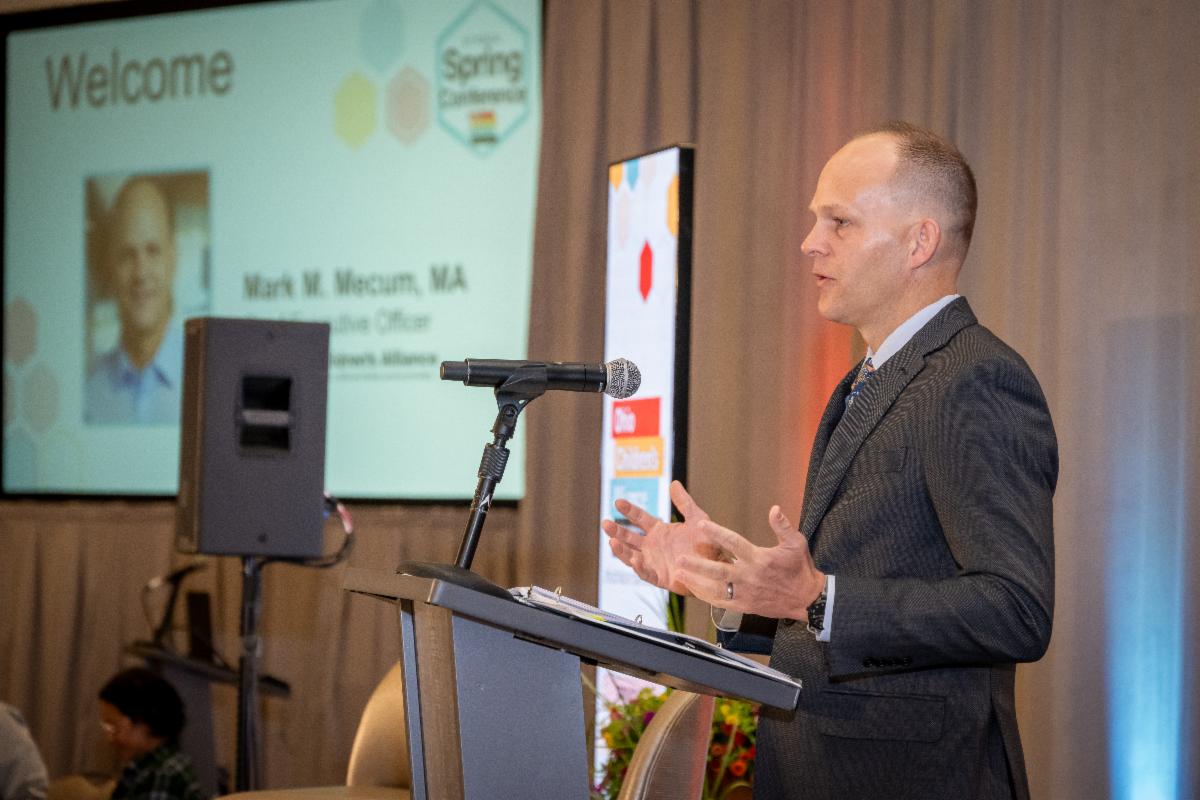
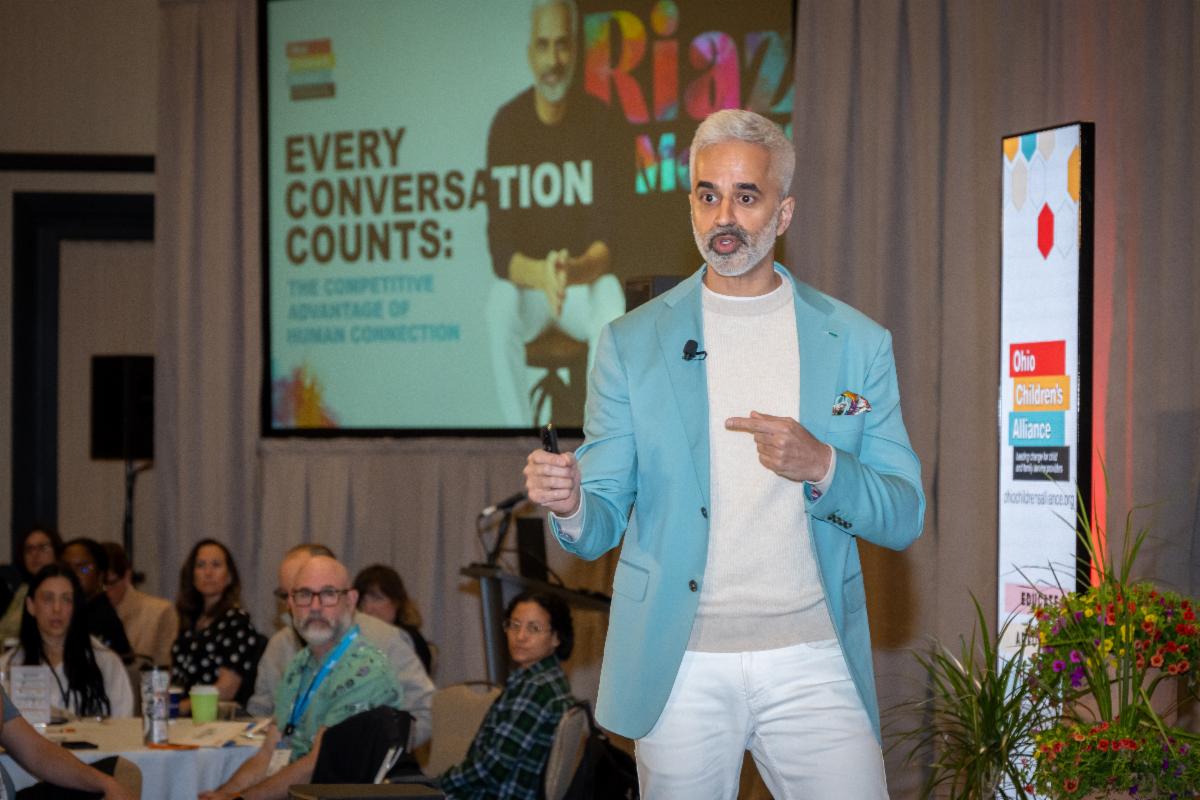
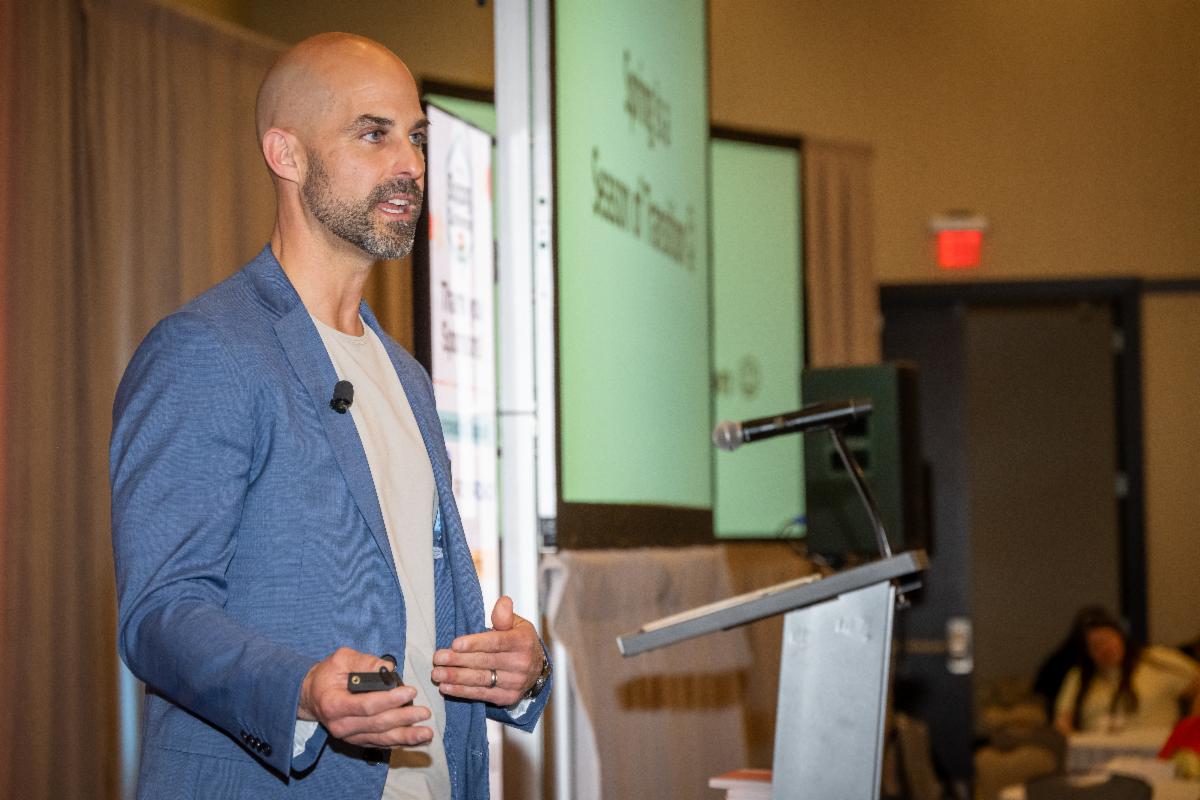
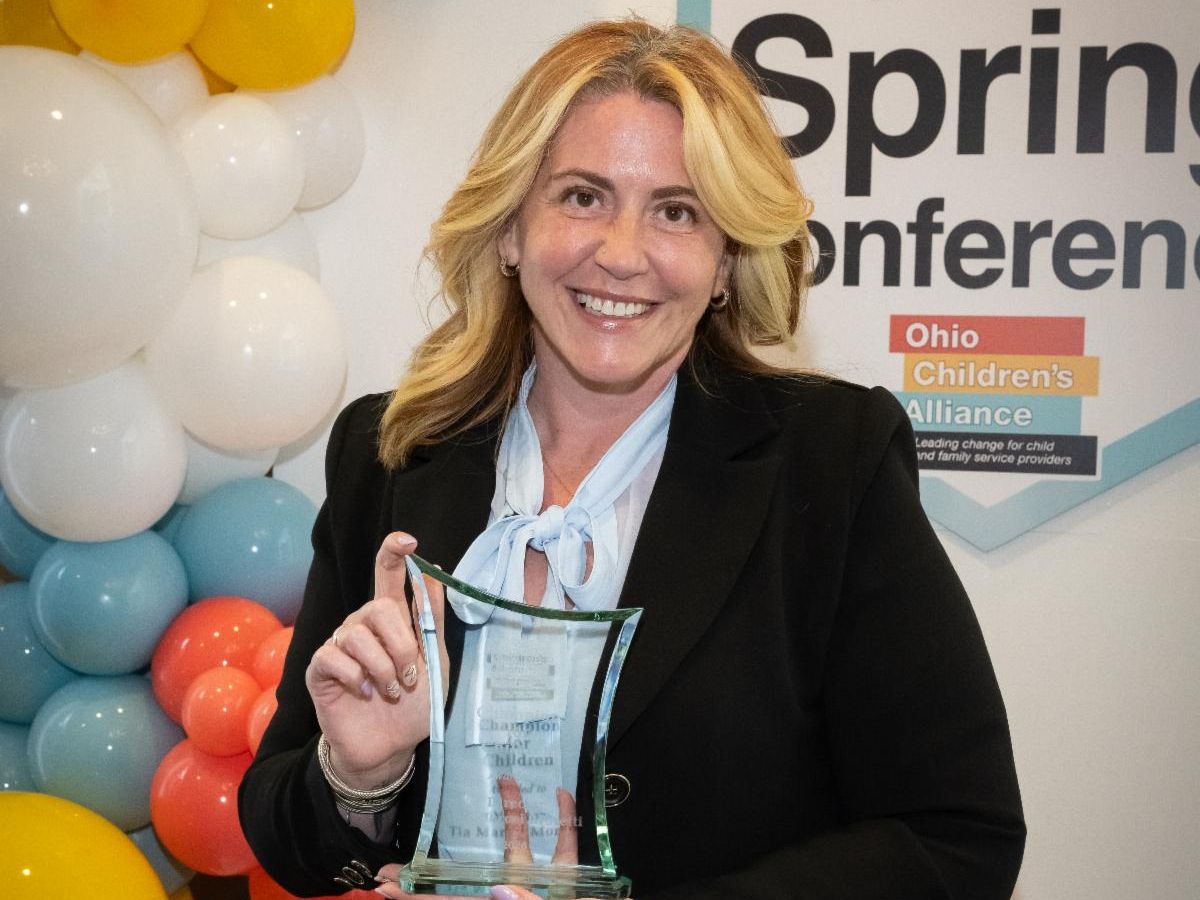
| | More than 450 behavioral health, child welfare, and government leaders gathered for the Alliance's 50th Annual Spring Conference to connect, learn, and plan for impact. Speakers Riaz Meghji and Mark Ostach highlighted the importance of human connection, while breakout sessions explored data, staff engagement, innovation, and trust. The conference concluded with Tia Marcel Moretti, Director, ODBH, receiving the 2026 Champion for Children Award in recognition of her leadership and commitment to improving outcomes for Ohio's children and families. | | Riaz Meghji, Human Connection Expert; Author of Every Conversation Counts: The 5 Habits of Human Connection That Build Extraordinary Relationships | | Mark Ostach, Bestselling Author; 2x TED Speaker; Human Connection & Digital Wellness Expert | | Tia Marcel Moretti, Director, Ohio Department of Behavioral Health | | Save the Date: The 2026 Ohio Children's Alliance System of Care Summit will take place October 26-27, 2026 at the Renaissance Columbus Westerville-Polaris Hotel. More details and registration information will be shared soon. | The Alliance also continues its HIT Learning Community Webinar Series with free June sessions on patient portals and optimizing EHR quality data, sponsored by the Center for Innovative Practices at Case Western Reserve University. Register here. | | |
The Ohio Children's Alliance is expanding support for Ohio's behavioral health workforce through new financial incentives for respite providers and residential staff training. Incentives ranging from $500 to $2,500 are available to independent practitioners and behavioral health agencies serving Paint Valley, Logan and Champaign counties, and Belmont, Harrison, and Monroe counties. Funding supports practitioner onboarding, employee referrals, retention efforts, recruitment campaigns, and expansion into new service areas. Applications are accepted on a rolling basis through September 15, 2026, or until funding is exhausted. Learn more about Behavioral Health Respite Incentives here.
The Alliance is also helping residential centers and group homes meet new DCY Residential Staff Core Training requirements through an added financial incentive. Agencies in good standing can qualify when 75% of staff working with children and 100% of administrators complete the training by May 22, 2026. Click here to register for the course, and apply for incentive dollars here.
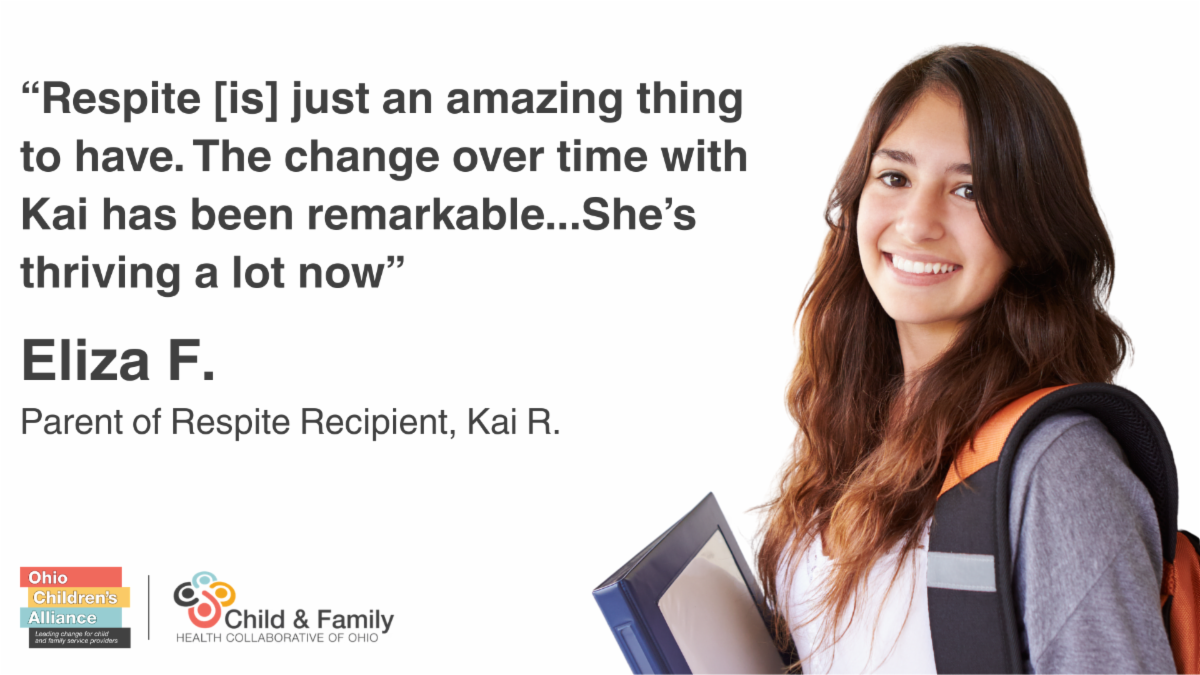
| | We're honored to share Kai R.'s story, which highlights the meaningful impact of behavioral health respite on youth and families. Through respite, Kai has found space to manage anxiety, explore her interests, and build confidence with the support of her respite provider, Madison. At the same time, respite offers caregivers like Kai's mother, Eliza, a much-needed break from daily stress, giving them a moment to recharge while knowing their child is in trusted hands. Together, their experiences reflect how consistent support, encouragement, and understanding can make a lasting difference. Stories like Kai's show how respite services strengthen families and help youth thrive. | | |
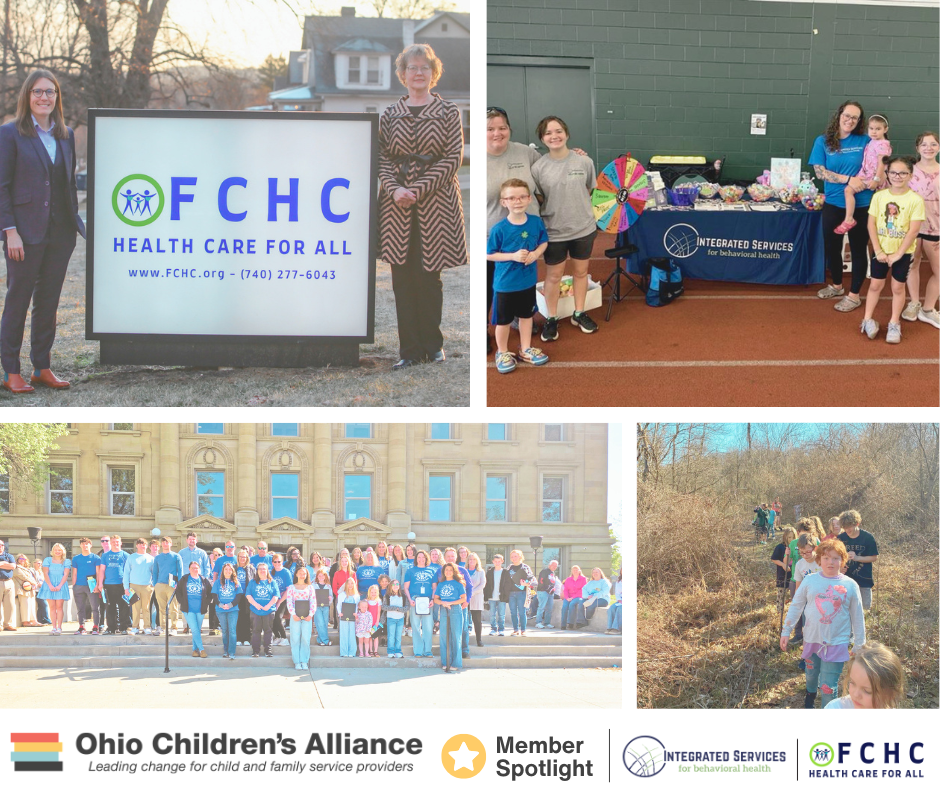
We're pleased to feature Integrated Services for Behavioral Health (ISBH) in our quarterly Member Spotlight series. ISBH serves Southeastern and Central Ohio with a broad range of behavioral health services that support children, adults, and families through community-based, relationship-driven care. Their work reflects a strong commitment to meeting people where they are and reducing barriers to access across rural and Appalachian communities.
We're grateful for ISBH's engagement as an Alliance member and their willingness to share perspective and insight with peers across the network. In conversation, CEO Sam Shafer emphasized the importance of learning from the direct experiences of community-based staff and elevating the voices of those doing the work every day, an approach that strengthens both practice and partnership across the field.
This spotlight celebrates ISBH's continued efforts to expand access to care and build stronger systems of support for Ohio's children, families, and communities.
| | | | |