Lea nuestro boletín en español

What We Love Now -- Magic Tissue Boxes

Every household has tissues for cleaning noses and picking up little messes. But did you know that pulling an item from a tissue box can be a fun, tactile activity for a child who is blind or has low vision?  We found several choices you can buy, but we love how the weighted bottom makes this magic tissue box more stable. Buy it HERE.


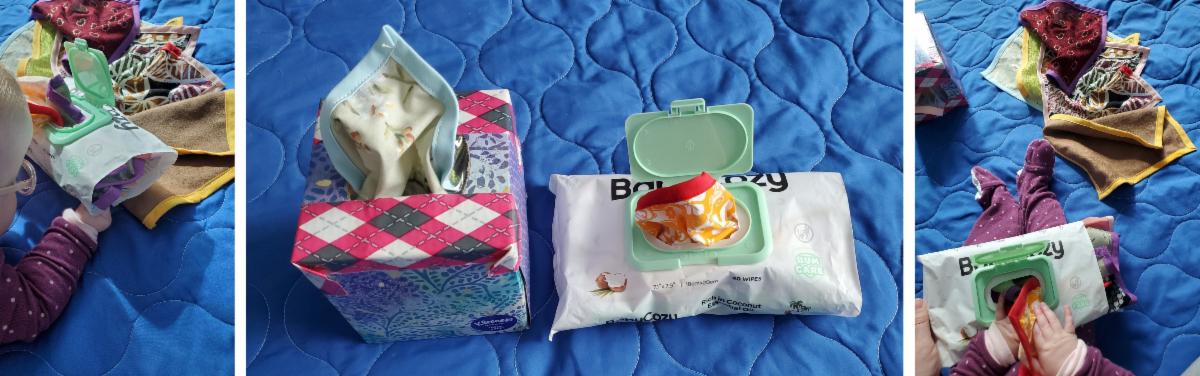
You can also create your own magic tissue box like the one made by A Shared Vision parent. She made two versions for her daughter. One is made from an empty cardboard tissue box, reinforced with some colorful tape. She used an empty plastic wipes container for the other. She left the plastic lid on the wipes package and cut a hole in each end so her child could choose which opening to pull a “tissue” from. The plastic packaging even makes a crinkly sound when her daughter holds it.


For the “tissues,” the mom sewed a variety of little handkerchiefs out of brightly colored fabric. When her daughter pulled out a handkerchief, she learned how to stuff it back in the package again.


When your child outgrows this toy, you can continue building their dexterity with bigger household items that have openings, such as pulling pipe cleaners out of colanders or clothing, toys, and other small objects out of laundry baskets.

Play in Your Own Kitchen Band

Everyday objects in the kitchen or around the home can be played with to expose your child to a variety of new sounds, textures, and sources of vibration – all musical concepts that you can use while you play with your child. It also encourages tactile exploration with everyday objects.


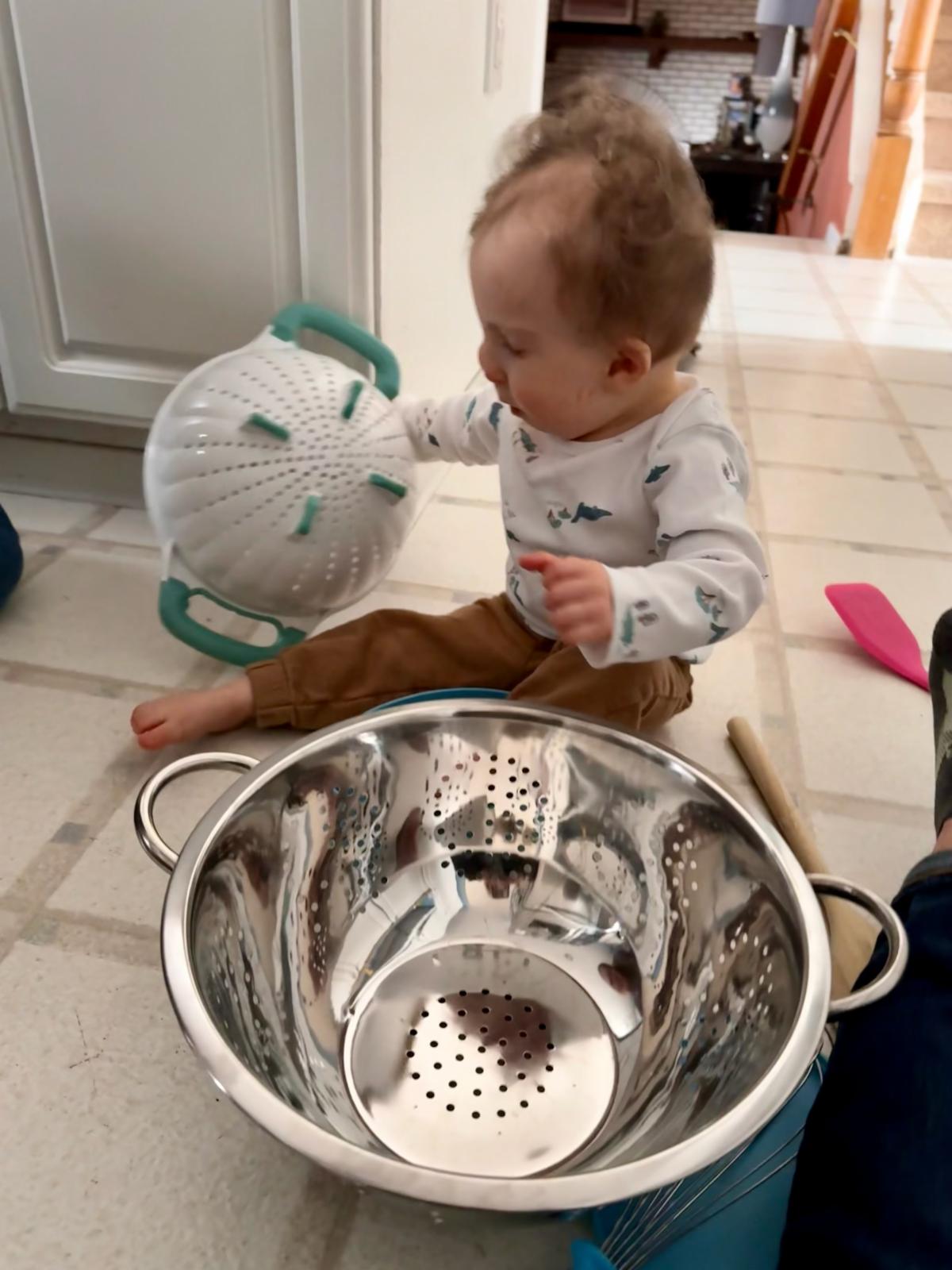
Some of our favorite kitchen “instruments” include pots and lids, wooden spoons, rubber spatulas, measuring spoons, cookie sheets, plastic cups and food containers in different sizes, and colanders.


Experiment with different materials too. When your child bangs on it with a spoon, a metal colander will make a different sound than a plastic one, and the shine might hold your child’s attention longer.


Try this Learning Experience HERE with music therapist Amanda Bryant, MM, MT-BC, NMT Fellow.

How To Prepare for Your Child's Eye Exam


After vision concerns have been identified, you’re told that your child should visit a pediatric ophthalmologist. Preparing for the eye exam will help you feel more confident walking into that appointment. Teachers from A Shared Vision often accompany our families on doctors’ visits. An EI-TVI can help you take notes, record the doctor’s instructions, and explain medical terminology. She can even teach you how to best advocate for your child.


“The first thing I tell my families is to bring a spiral-bound notebook to every doctor’s appointment,” explains Paula Landry, an EI-TVI from A Shared Vision. “Taking notes is an easy way to remember important information, keep track of your questions, and even jot down your feelings during the appointment.”


Get more tips on how to prepare for your child’s eye exam HERE, and make sure you’re asking all the right questions with this CHECKLIST.

The Language of Hands


Deaf-Blind Awareness Week is June 22-June 28 in honor of Helen Keller’s birthday on June 27. We can learn so much about dual sensory loss starting with our hands. People with combined vision and hearing loss learn to communicate with their hands. Not only are hands important tools for accomplishing daily routines, but hands also become a person’s sense organ like their eyes and ears and a voice for expression.


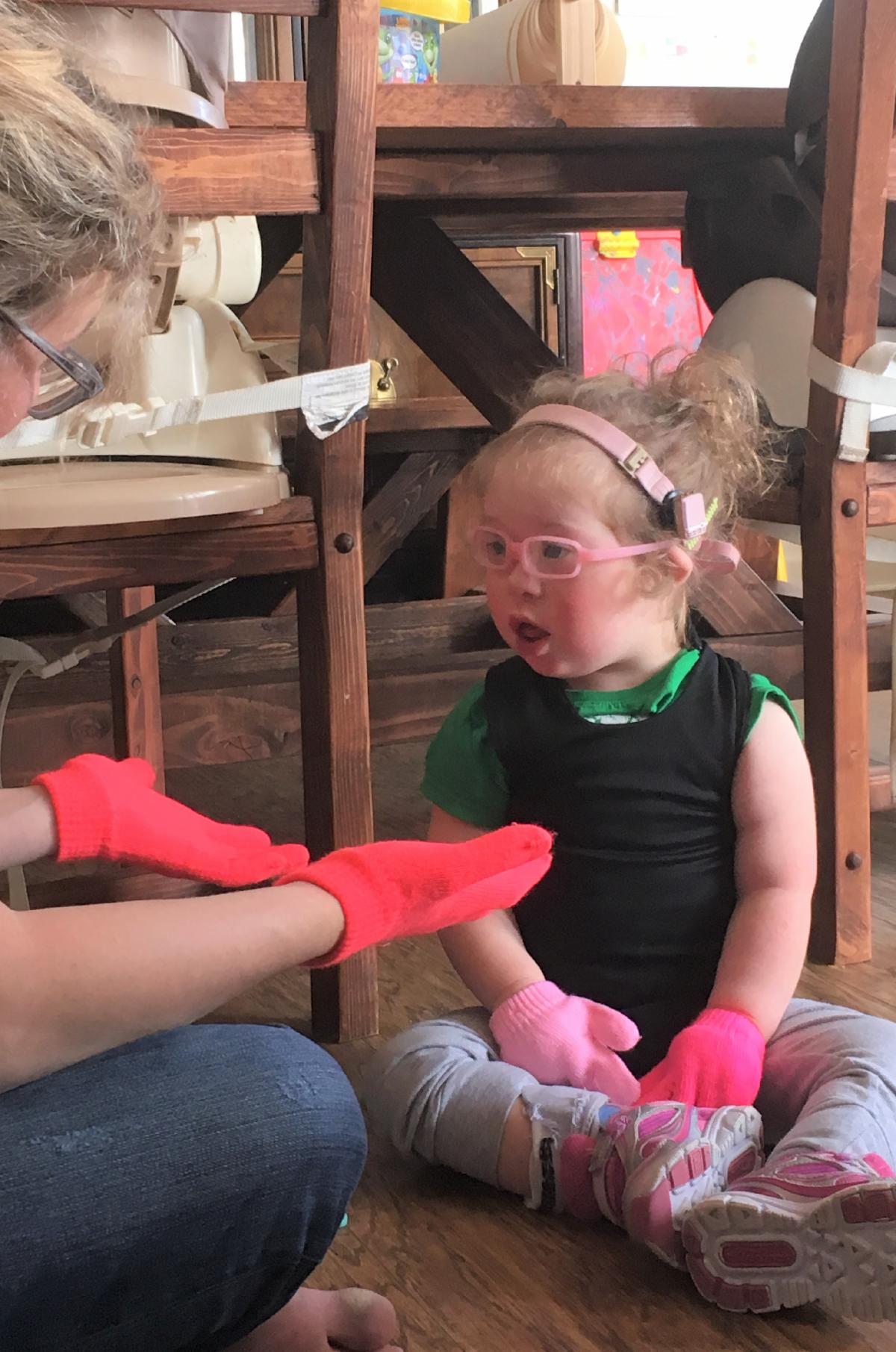
A Shared Vision’s teachers occasionally work with families who have a very young child with dual sensory loss. They teach parents learn how to “read” their child’s hands, how to interact with their child using cues and strategies such as hand under hand, help them develop important tactile skills, and provide opportunities for their child to access their environment. Parents learn how to “speak the language of the hands to the hands” with their child.


Learn more about the importance of hands for a person who is deafblind HERE.

Sign Up for 2025 Vision Screening Training

Announcing the 2025 release of our highly successful Vision Screening Protocol© for early intervention professionals! This update incorporates feedback from Colorado’s top pediatric ophthalmologists and optometrists, enhancing the precision and effectiveness of the tool with more specific recommendations for caregivers. Additionally, we have integrated a HIPAA-compliant cloud-based platform to greatly streamline the administration of the protocol. Caregivers can take the Vision Screening Questionnaire© on ANY device, and there are no PDFs to download or print.


Sign up for trainings in July HERE.  An on-demand instructional video about the protocol will be available soon.

A Shared Vision is a 501(c)(3) nonprofit and the leading provider of in-home and community early intervention vision services in Colorado. We inspire and empower families to nurture the development of their very young children who are blind or visually impaired so that all children may discover their brightest future.
Share this email:
Facebook  Twitter  Instagram