Hey {First Name},
Most, yes, most of the great films that make it to the screen are works of collaboration. This is obvious when they hit the theatres as there are so many people involved: the director, set designer, sound people, special effects, locations and the rest but the real collaboration, that is getting the script to the point where all this will happen, occurs long before this.
Screenwriters and TV Show Creators that are fortunate enough to have writing partners already have a leg up on this. One writer may be great with story and forward moving ideas but terrible at structure; wonderful at dialogue and description but have cliché ideas about the world and tone of the show and this is where the other writing partner comes in and they hammer away melding in what they both do great.
But what about the writer who works by themself and basically just gets “notes”? Probably in for a slower ride. One reason for this is that a lot of notes are very general and the people giving them have no idea of how to correct it in a real and literary screenwriting sense. Producers or even readers can tell a writer what is not working (in their scale-ridden eyes) but they cannot tell them how to fix it in tandem and in concert with the creative principles' writers are already using, leaving the writer to fret about the “note under the note”.
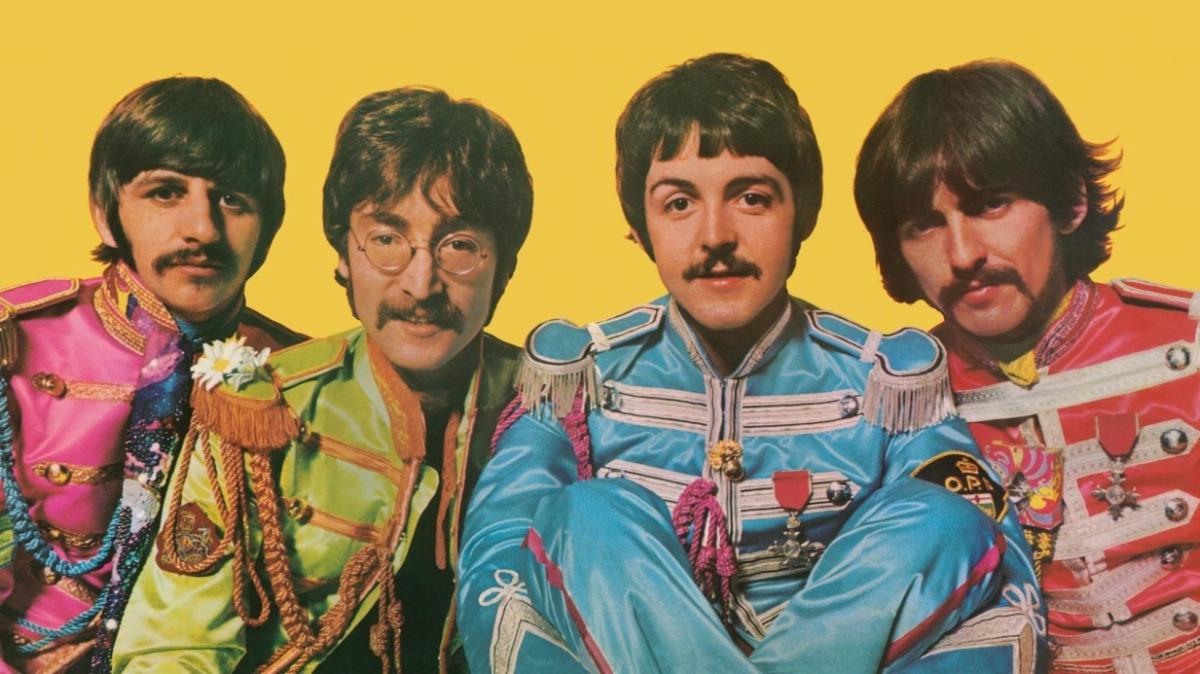
The members of “The Beatles” did fine on their own but when they were the “Fab Four” and actively collaborated with each other on their music they were magic.
Marc Normand, the initial writer of “Shakespeare in Love” had real trouble getting the film made when he first wrote it, and for years after. “A pretty good script but has issues”. However, when writer Tom Stoppard came on and did some revisions, the magic, and the awards happened.
I got news for you: It happens more than you think at this level. A lot of great writers and movies that made it to the screen either found the magic or went out and hired it.
One of my current clients has a great Voice on the page, a vivid imagination, and wonderful characters but he had an issue with structure. During our collaboration we worked all of that out and he now has one of the best scripts I was ever involved in.
I have more stories like this, but the point is that Active Collaboration saves a lot of time, a, whole, lot, of, time, and a lot more pages.
If you want to know more about Active Collaboration set up a call with me at Story Builders.
|
Screenwriters and TV writers: What is your personal statement in life, the concept and way you see the world that influences or drives you? What are the values, philosophies, and belief systems you live by? How is that seen on the page? How is that twisted on the page for dark characters, anti-heroes, noir or comedy?
What is it that you want, no, need, to say in your stories? How are you saying it through a character or event in a nuanced and in a never-before-seen way that it could have only come from you and your life experiences? This is usually found in the internal story or a thematic recurring pop and could be amusing as well—but it is a cool twist nonetheless that you integrated and nobody else does it the same way.
What about your method of expression? Sure, you get your points across, but you are not taking anybody else’s style or putting yourself in a box. What do you center on in your stories, your common topic of exploration regardless of the genre, subject or time period and how is this seen?
And this great and unique writing Voice of yours should permeate every aspect of the script and in all tenets: exposition, narration, hooks, conventions, surprises, reversals, twists and of course character and relationships. So, when you add You to the story of the group twenty-somethings you bring a whole fresh and new slant to it. This is what producers mean when they say, “we want something that is the same but different”. They want you. Are you going to give it to them?
|
How are you creating a fresh slant on your story by bringing your own unique Voice to every single aspect of it? I can help you with that—stop by. |
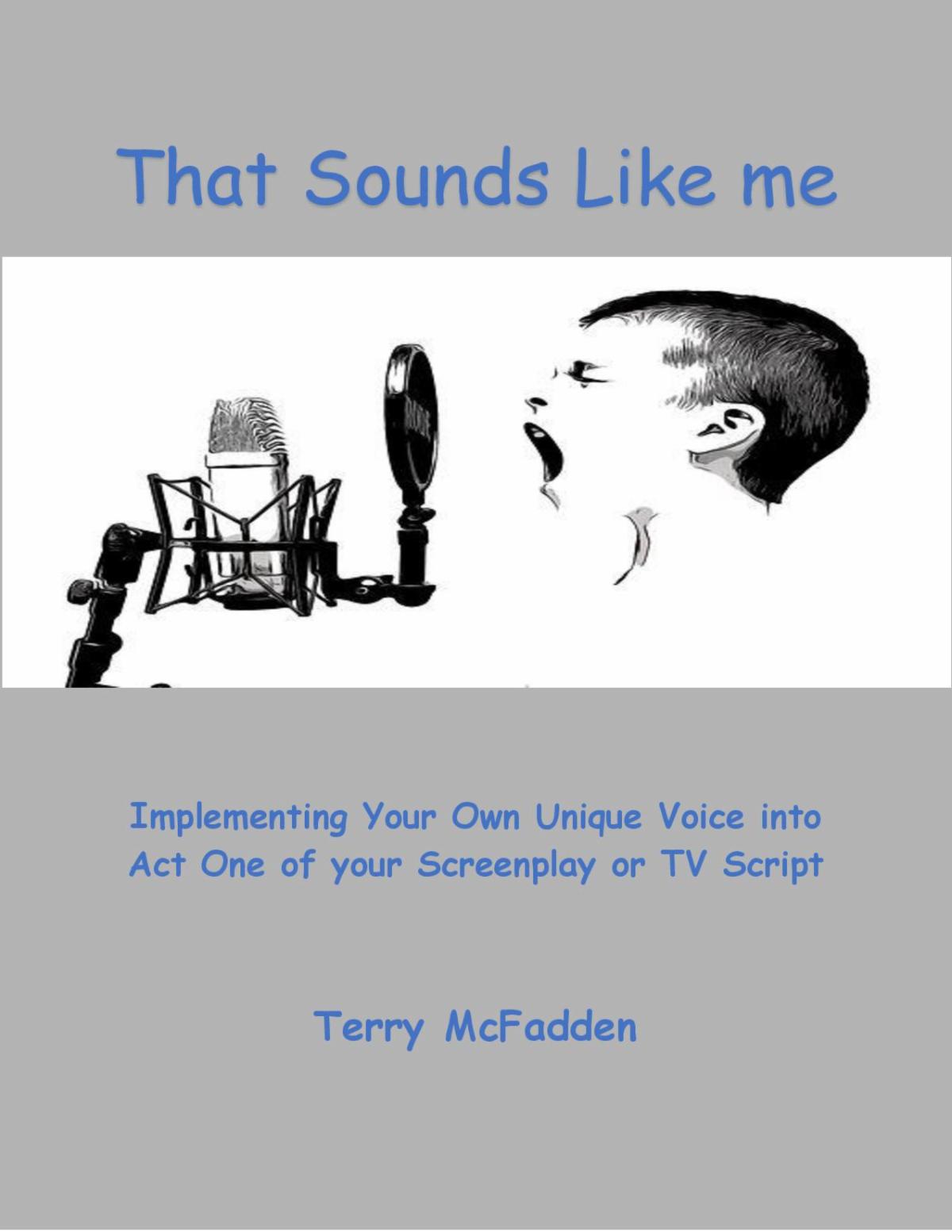
Here's what Professor Richard Walter, screenwriter, novelist, lecturer as well as the former professor and longtime head of UCLA's legendary Master of Fine Arts program in screenwriting says about “That Sounds Like Me”:
"That Sounds Like Me is compact and to-the-point, as worthy screenplays should be. In his infectious, engaging voice, Terry McFadden provides practical, hands-on advice to screenwriters regarding strategies for finding their own".
|
This 45-page E book takes a comprehensive approach to the usual refrains on getting how you see your world and your slant on life to the page. By delving into and illustrating how the writer’s natural and unique Voice must influence all aspects of the process, it demonstrates how story tools such as Opening Image; Tone and Feel; Hooks; Character Construction; Allegories, Metaphors and Themes work together, complement each other, are part of the same world and why.
Click on the book or E-mail us at Terrintoit@att.net to get your complimentary copy of the book.
|
Dual Development: You don't have to go it alone.
So, should you have only a partially written script, an idea for a script or a smattering of scenes that are not yet coming together for you, then, “Dual Development” would be the service to consider.
From Idea to finished Screenplay or TV Pilot we are with you every step of the way.
More info, click on the laptop.
|
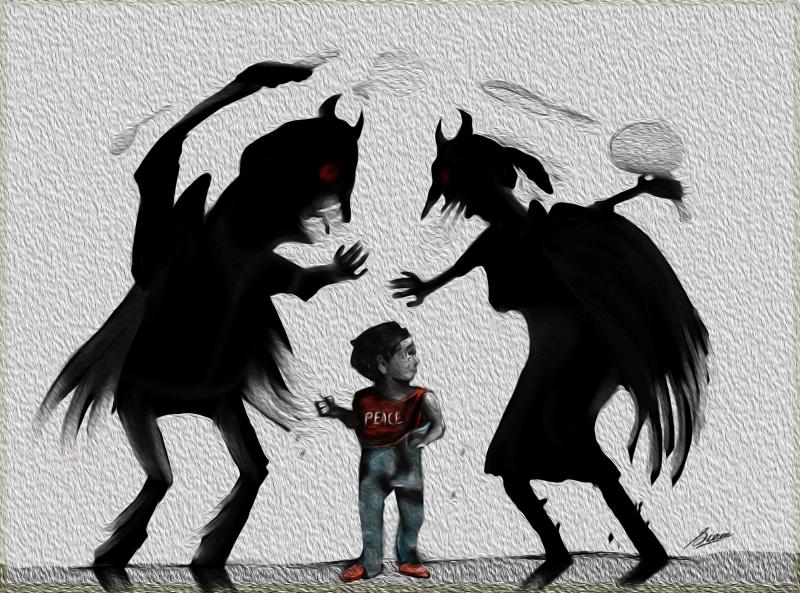
And for all you writers who grew up in a crazy house and lived to tell about it, we have just the thing for you. (Dysfunctional Writers Only).
"Turn Your Trauma Into Your Drama...or Comedy".
Click on your parents.
|
Let's talk about your script, story or project. We offer a free 30 minute phone consultation at no obligation. |
|
|