|
|
April 18, 2023
Spring Issue #4
|
Weekly activities and lessons to keep your child thinking and progressing all year long. |
|
"When you take risks, you learn that there will be times when you succeed, and there will be times when you fail, and both are equally important."
|
|
Hello and Happy Tuesday!
So much excitement is in the air. I attribute it to the loud singing by all the birds. Well, maybe it is because of the end of the year and all the activities filling our calendars. Regardless of how busy you are, I hope you are doing well and just loving these changes in the weather.
This week's flyer is packed with heaps of fun and educational activities. The book recommendation is a fantastic read and story about self-discovery, acceptance, and friendship. I wish I could read this book aloud to my classes. It provided so much clarity on the controversial and real subject of gender identity. Check it out. You will not be sorry! The Inquiry Quest is a fun way to explore animal adaptations. Don't think it is too simple. Experiencing this lesson in real life is very powerful. Also, there are three fresh, new story starters, a research topic, three challenging new math problems, and great a computer strategy game. Enjoy and have a fantastic week.
If you know anybody who you think would benefit from the weekly learning activities in this flyer, please share it with your friends and encourage them to join The McManus Files mailing list by following the links on this page.
Peace,
Mr. McManus
|
|
If you feel your child might benefit from a group or individual tutoring program to prepare them for the next phase of their education, please contact McManus Tutoring.
Programs are structured so that students learn independence, accountability, and self-possession. They will develop a repeatable structure that can be used to build success in the future.
|
|
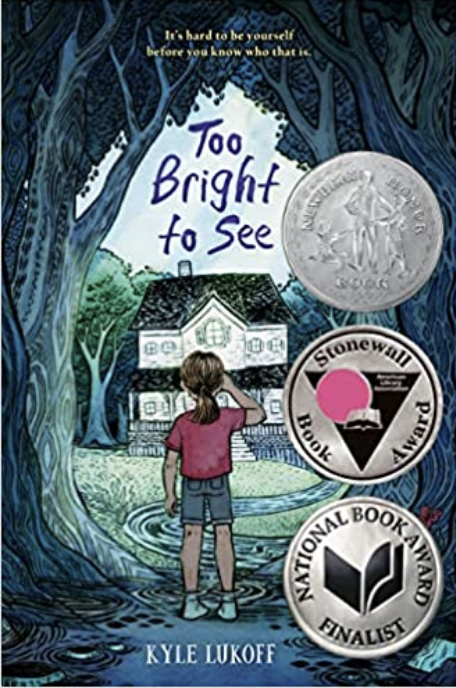
Too Bright to See
by Kyle Lukoff
|
|
|
|
It's the summer before middle school and eleven-year-old Bug's best friend Moira has decided the two of them need to use the next few months to prepare. For Moira, this means figuring out the right clothes to wear, learning how to put on makeup, and deciding which boys are cuter in their yearbook photos than in real life. But none of this is all that appealing to Bug, who doesn't particularly want to spend more time trying to understand how to be a girl. Besides, there's something more important to worry about: A ghost is haunting Bug's eerie old house in rural Vermont...and maybe haunting Bug in particular. As Bug begins to untangle the mystery of who this ghost is and what they're trying to say, an altogether different truth comes to light--Bug is transgender. Words can’t express the gratitude I have for the author of this book and the lives it will positively impact. This is such a wonderful book about a path of self discovery, and an excellent read for tweens and the friends and family that support them. This book will open up great conversations.Enjoy!
|
|
|
|
|
Designer Ears
Make “better” ears!
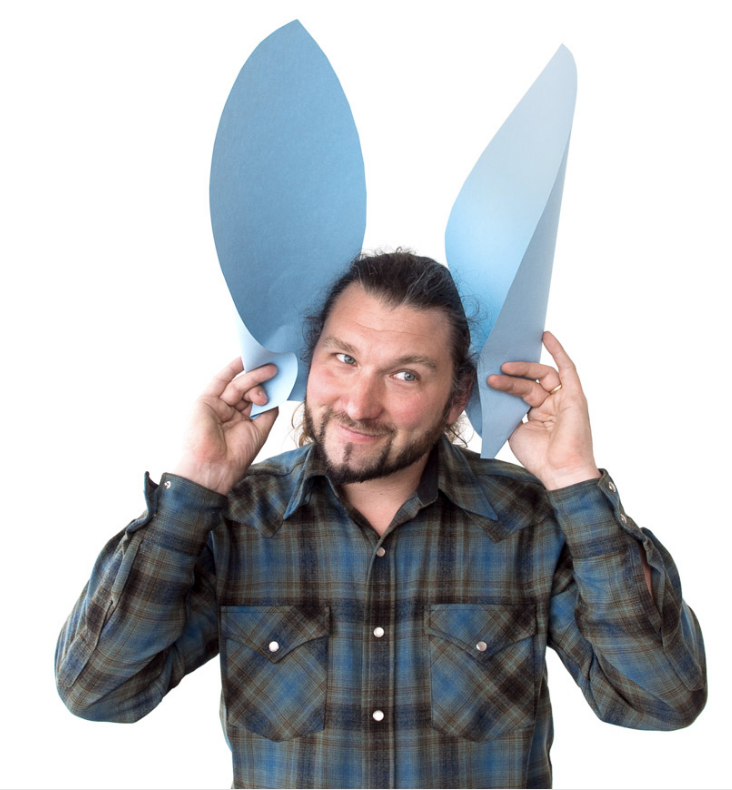
Why do animals’ ears look different from yours? What would life be like if your ears were shaped differently? Make new ears for yourself and find out.
|
|
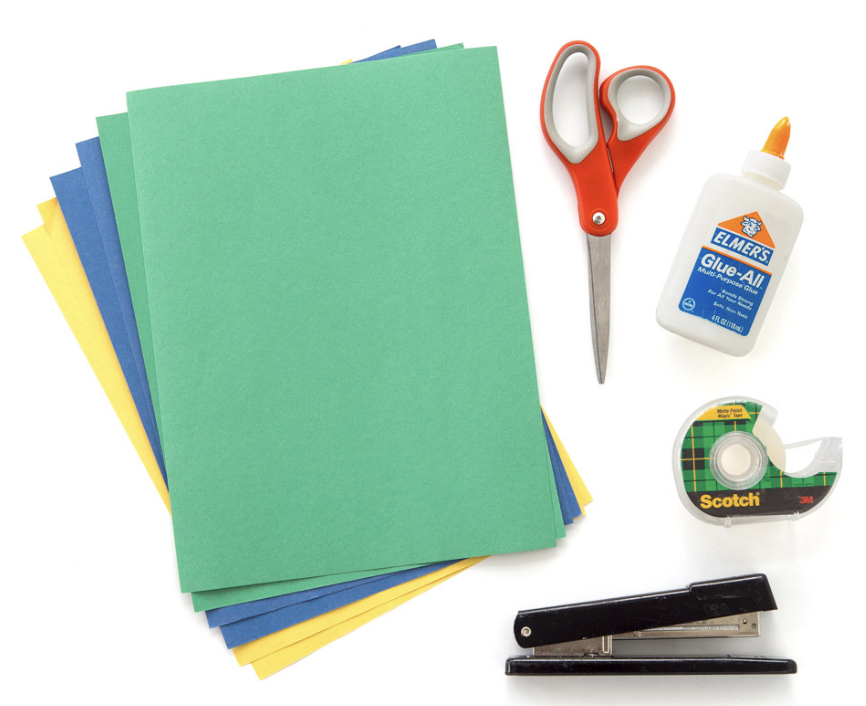
Tools and Materials
- Scissors
- Tape
- Glue
- Stapler and staples
- A variety of construction materials including (but not limited to) construction paper, cardboard, plastic pieces, or Styrofoam, plastic containers and trays (clean yogurt cups and meat trays, for starters), craft sticks, and so on
- Pictures of animals’ ears
|
|
|
Assembly
Use your materials to fashion new outer ears, or pinnae, for yourself. Look at pictures of animal ears if you need ideas or inspiration. (Be careful not to cover the opening to your own ear when you make these new ear shapes—you want to collect sound in new ways, not block it!)
|
|
To Do and Notice
Compare your normal hearing with what you can hear when you wear the new ears you’ve made. What happens when you wear tall, thin ears like those on a horse? What happens when you wear ears with flaps over them, like a basset hound’s? Can you invent a shape you don’t see in nature?
Trade the ears you made with others to see how differently shaped ears collect sound. What are the advantages and disadvantages of changing the shape of your ear? Does one design work better than the others? Do things sound different if you’re wearing two different types of ears?
Look at the animal pictures again. You might have some clues now about why each of these animals has the kinds of ears they do.
|
|
What’s Going On?
You’ll probably find that the ear designs that amplify sounds the best will be funnel shaped and have large pinnae, or outer ear flaps. The pinnae of human ears (and most animal ears) act like funnels, collecting and directing sound into the inner ear, so our brains can detect and analyze what we hear.
Ears can also tell us about an animal’s lifestyle. Some animals (such as dogs, elephants, and whales, for instance) can hear frequencies too high or low for us to hear. In some owls, one ear is set slightly higher than the other. This allows them to pinpoint the position of prey while in flight, assessing location in an up-and-down plane, in addition to left and right.
Animals that have very large ears (jackrabbits and foxes, for example), can generally hear very well, or at a great distance. Big ears can help animals locate prey, avoid predators, and find others of their kind.
Large ears can also provide extra surface area to radiate heat away from the body. In animals that cannot sweat as we do, having an expanse of blood vessels close to the skin’s surface allows excess body heat to escape. In fact, ear shape is one way you can tell African elephants from Indian elephants: Elephants adapted to live in the hot African climate have bigger ears than Indian elephants have.
Going Further
You might notice that your “designer ears” magnify a lot of background noise. Big pinnae funnel every sound to the ear—often a problem for people who wear hearing aids.
|
|
Three Writing Prompts and an Essay Topic
These prompts and questions will help jump-start your daily writing. Just as it's important to read for at least 30 minutes each day, you should also write for 30 minutes a day. Don't worry about your organization or spelling, just write!
"As rain pounded against the cabin’s window, my last candle began to flicker..."
"My sister was claustrophobic and hated bright colors, so when dozens of clowns began boarding the already crowded bus, it was the last straw."
"Stuck on the roof of the office building without a cell phone, we tried waving to cars on the roadway below, but..."
|
|
April 18th
Today is the anniversary or the great San Francisco Earthquake of 1906. It is one of the most devastating and significant earthquakes of all time and it completely altered our beloved Bay Area. As we've seen recently in Turkey and Syria, earthquakes are real and can cause serious destruction.
Prompt
Talk with your family about your preparedness for an earthquake or natural disaster. Do you have an escape plan from your home and a safe meeting place outside? Research how you can get more ready and things you and your family can do to be better prepared for an earthquake
|
|
PLAY
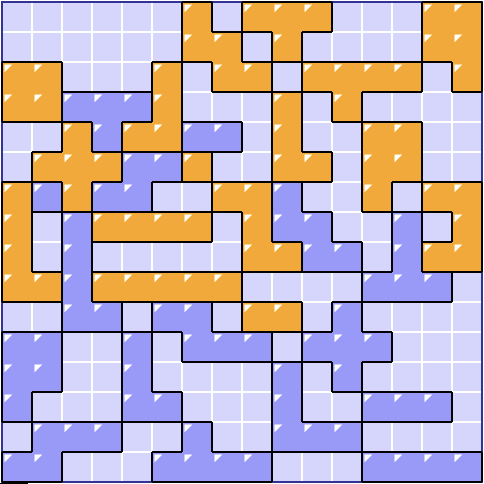
Blockomino
Click the game or this link to try this fun strategy game.
|
|
|
|
|
|
|
|