|
|
December 6, 2022
Winter Issue #2
|
Weekly activities and lessons to keep your child thinking and progressing all year long. |
|
“Knowing trees, I understand the meaning of patience. Knowing grass, I can appreciate persistence.” |
|
Good Tuesday,
I hope you are all doing well and had fantastic Thanksgiving Holidays. The break was nice, but like so many teachers, once we step away from the classroom for a break, our immune system catches up with us and a cold or the flu sneaks it. Luckly the World Cup was on.
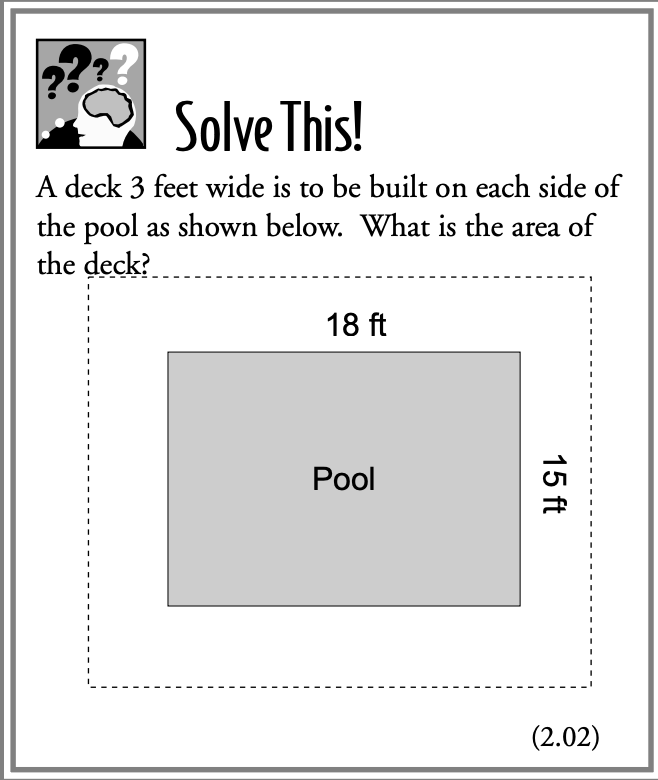
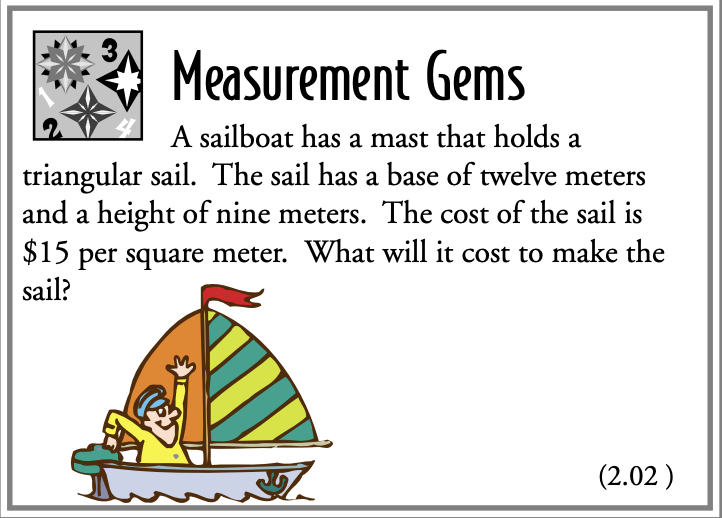
Enjoy this weeks flyer... One of my all time favorite teaching novels, a cool experiment for the industrious fort builders, three great writing prompts and a flash of challenging math problems. It can't get any better. Stay warm, stay dry, and take care of yourselves.
If you know anybody who you think would benefit from the weekly learning activities in this flyer, please share it with your friends and encourage them to join The McManus Files mailing list by following the links on this page.
Be kind,
Mr. McManus
|
|
If you feel your child might benefit from a group or individual tutoring program to prepare them for the next phase of their education, please contact McManus Tutoring.
Programs are structured so that students learn independence, accountability, and self-possession. They will develop a repeatable structure that can be used to build success in the future.
|
|
The Elephant's Girl
by Celesta Rimington
|
|
|
|
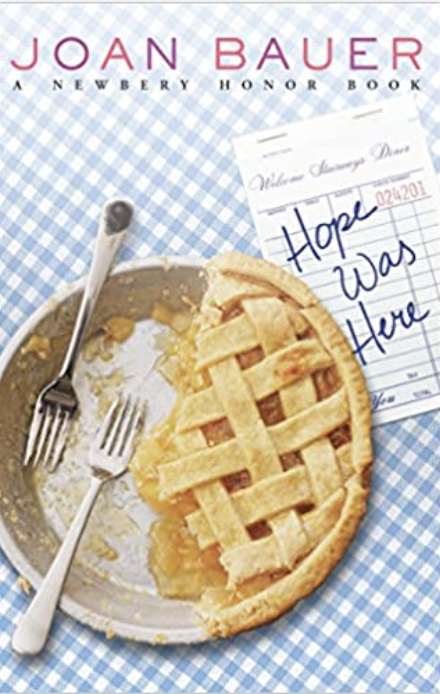
When it comes to creating strong, independent, and funny teenaged female characters, Bauer is in a class by herself. This book, told in a fast-paced, multilayered story with humor does not gloss over the struggles, worries and hopes for security every teenager experiences. When Hope and her aunt move to small-town Wisconsin to take over the local diner, Hope's not sure what to expect. But what they find is that the owner, G.T., isn't quite ready to give up yet--in fact, he's decided to run for mayor against a corrupt candidate. And as Hope starts to make her place at the diner, she also finds herself caught up in G.T.'s campaign--particularly his visions for the future. After all, as G.T. points out, everyone can use a little hope to help get through the tough times. even Hope herself.This is an exceptional young-readers’ novel, told with a strong voice and plenty of humor, and liable to catch you up in its whirl of competing emotions.
Enjoy!
|
|
|
|
|
How long will your trash bag live? |
|
The U.S. Environmental Protection Agency estimates that the average American generates 4.6 pounds of trash per day. With nearly 300 million people living in our country that is a significant amount of waste in need of a home. Biodegradable products are designed to decompose, or break down, faster than normal products, thus reducing the total waste our country needs to store in a landfill. This experiment examines the initial decomposition of biodegradable bags and compares that to common paper and plastic grocery bags exposed to the same conditions. |
|
Research Question:
- What type of bags do you use to bring your groceries home? What type of bags do you get at other stores? What happens to these bags once you get home? How many bags to you accumulate every week? Multiply this number by 52 for the yearly total.
- What does biodegradable mean to you? What items do you think would biodegrade easily? What conditions would help an item biodegrade?
- Given the results of your experiment, what type of bags do you think we should use more of? Less of?
- What do the results mean for your household?
|
|
|
|
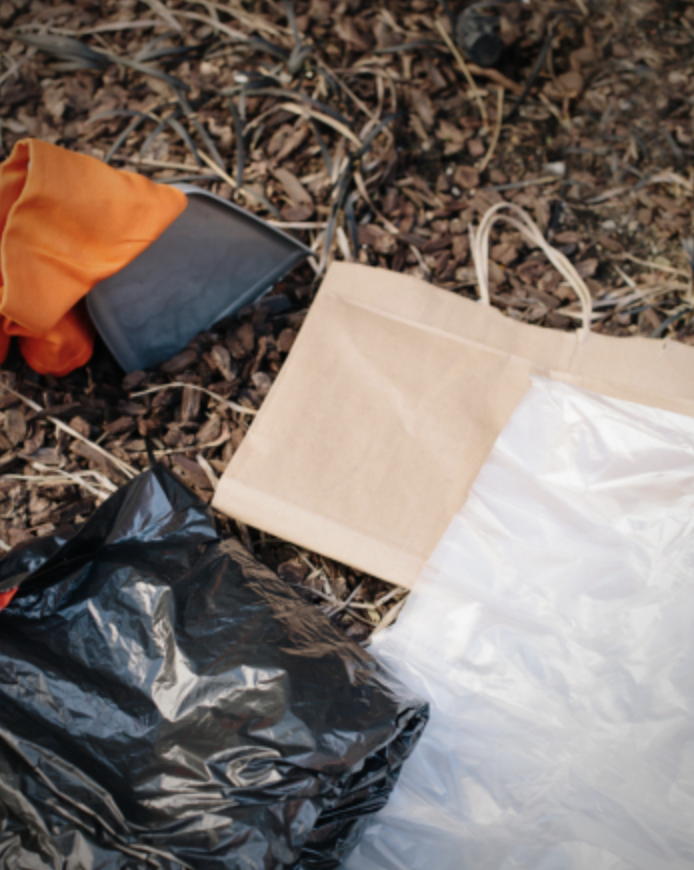
- Paper bag
- Plastic grocery or trash bag
- Bag marked biodegradable
- Shovel
- 3 paint stirrers
- Marker(s)
|
|
|
|
|
Experimental Procedure:
- Collect your three test bags. Examine the texture, color, and strength of each bag and record notes. Take a photograph of each.
- Identify three locations to bury your bags at school or at home.
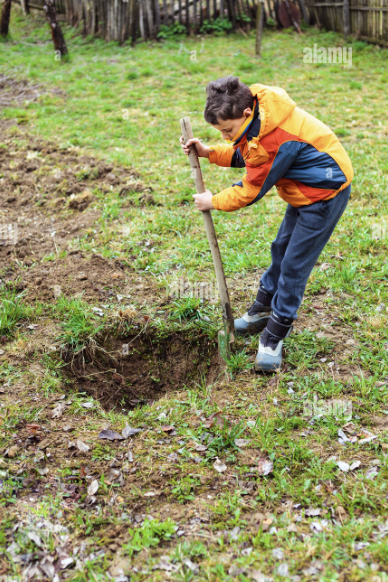
- Dig one-foot deep holes at each location. Place one bag at the bottom and replace soil on top. Mark each site with a paint stirrer. Remember to label each stirrer with the bag type or a code so you know what is buried at each location. (Fertile soil is the best choice for this experiment as it will catalyze and biodegrading. If you have a compost pile, this is an ideal place to bury the test bags.) Mark this date on your calendar.
- At one-month intervals dig up each bag and re-examine the texture, color, and strength. Record any observations and take a photograph.
- Repeat step 4 for three to six months. (It can take years for objects to biodegrade so a longer time period will produce more obvious results.)
- At the end of your experiment, remove the bags (or their remains), make one last observation, and dispose of properly. (Remember to refill the holes in your yard!)
- Examine your results and prepare your presentation.
|
|
Three Writing Prompts and an Essay Topic
These prompts and questions will help jump-start your daily writing. Just as it's important to read for at least 30 minutes each day, you should also write for 30 minutes a day. Don't worry about your organization or spelling, just write!
"I went to outer space with three dinosaurs and couldn’t believe it when our spaceship…"
"I went to see a movie with my best friend when suddenly…"
“A detective and K-9 partner were given the task of …”
|
|
December 6th
Born today in Salzburg, Austria, in 1756 was the man some people regard as the greatest musical genius of all time: Wolfgang Amadeus Mozart. Mozart began composing his own pieces at age 5, and toured Europe as a concert pianist at age 6. Although he composed numerous piano works and operas like Don Giovanni and The Magic Flute for both an Archbishop and an Emperor, Mozart constantly had to borrow money to live. He died penniless in 1791 at the age of 35.
Prompt: Can you imagine being so famous at such a young age? Have you ever heard any of Mozart's music? If not, borrow a CD from your local library or search the internet to hear some beautiful music. Which piece is your favorite? Why?
|
|
Try a KenKen
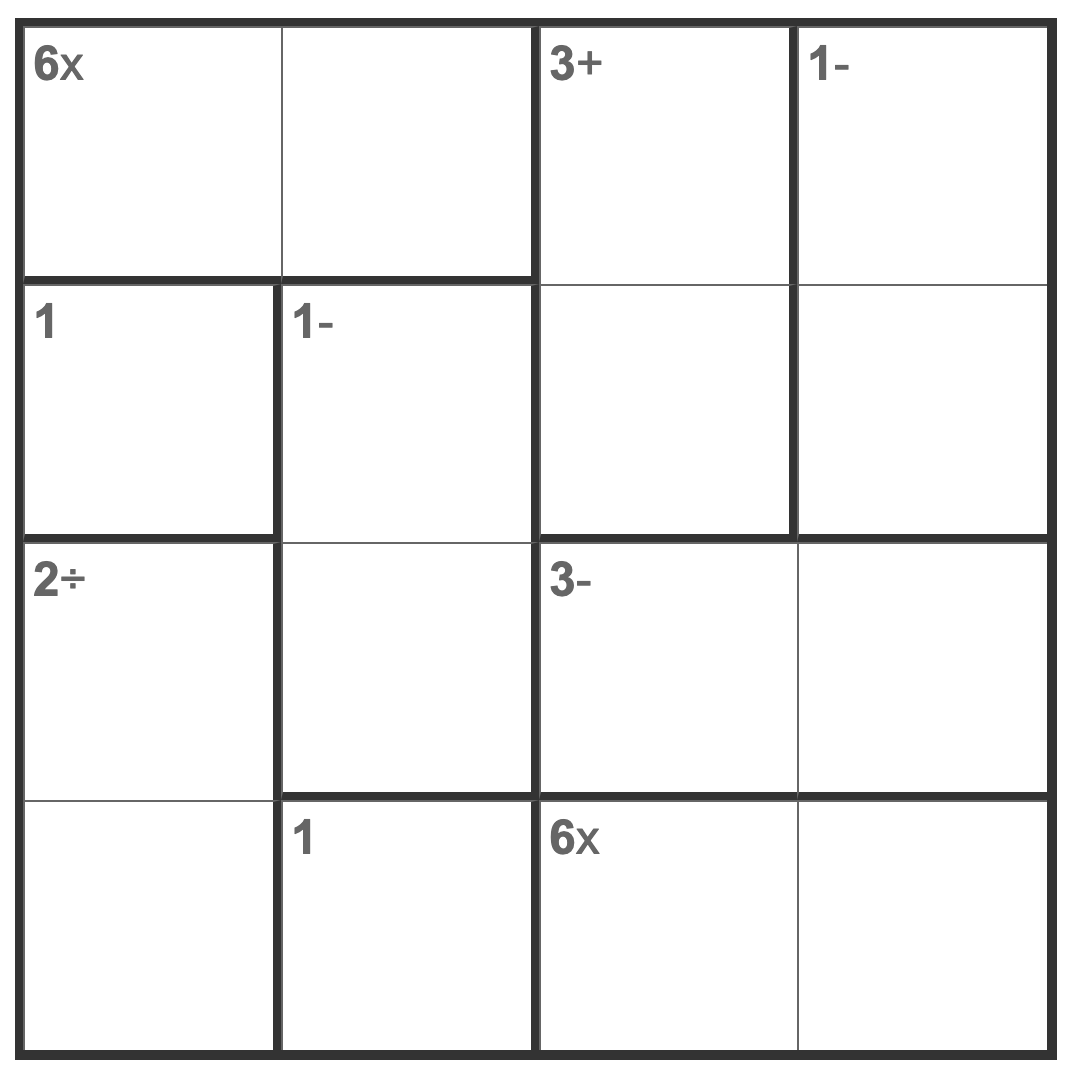
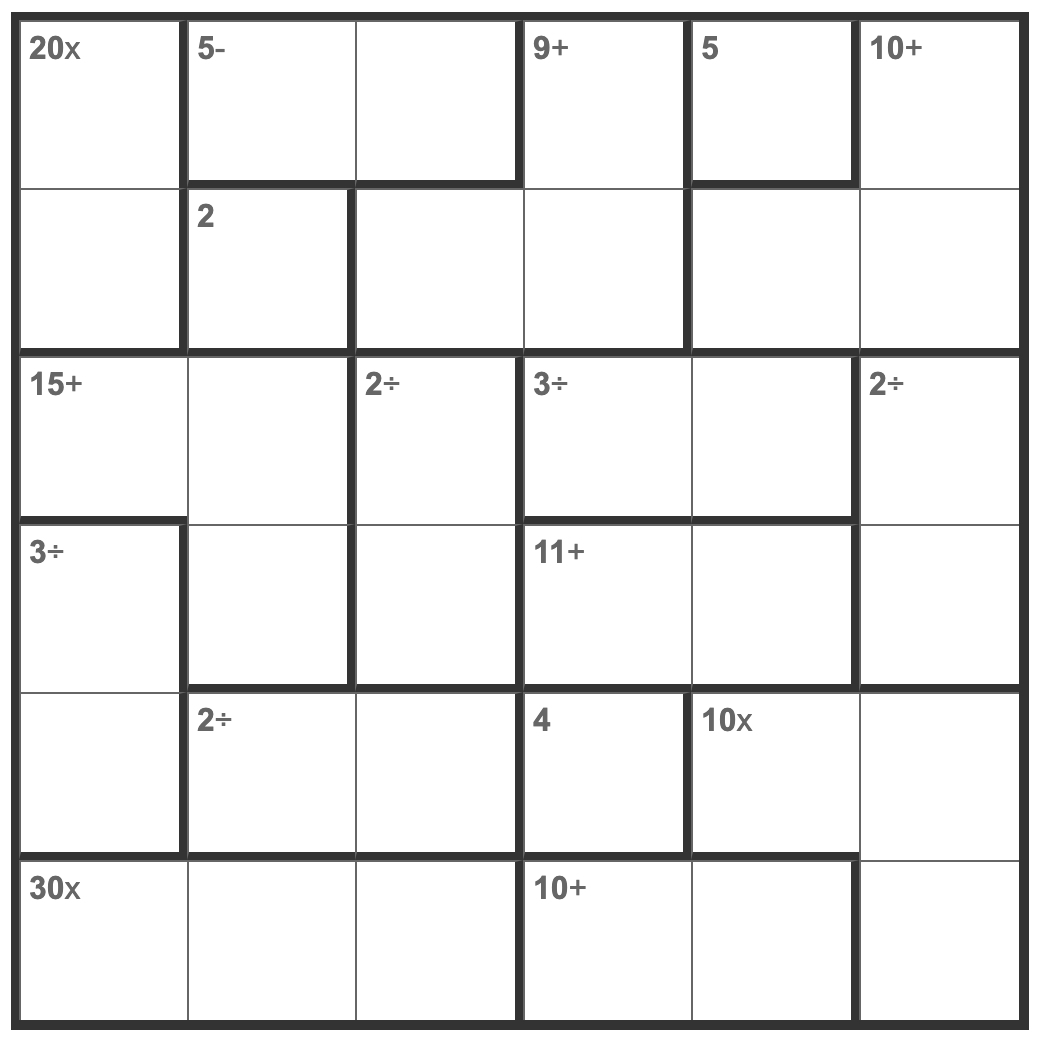
Sudoko is too busy for me, and I get overwhelmed with all the tiny boxes. About 15 years ago, I discovered KenKen puzzles which use the same logic as Sudoko but with a math twist. With practice they get easier. Give KenKen a try... Here is a medium and an easy puzzle
|
|
Rules For Playing KenKen
The numbers you use in a KenKen puzzle depend on the size of the grid you choose. A 3 x 3 grid (3 squares across, 3 squares down) means you use the numbers 1, 2, and 3. In a 4 x 4 grid, use numbers 1 to 4. A 5x5 grid requires you use the numbers 1 to 5, and so on.
The numbers in each heavily outlined set of squares, called cages, must combine (in any order) to produce the target number in the top corner using the mathematic operation indicated (+, -, ×, ÷).
Here's how you play:
- Use each number only once per row, once per column.
- Cages with just one square should be filled in with the target number in the top corner.
- A number can be repeated within a cage as long as it is not in the same row or column.
|
|
|
|
|
|
|