|
|
February 28, 2023
Winter Issue #13
|
Weekly activities and lessons to keep your child thinking and progressing all year long. |
|
"Watch your thoughts, they become words. Watch your words, they become actions. Watch your actions, they become habit."
|
|
Happy Tuesday,
I hope you all have a restful and fun President's Week. I was able to work at an Lego design and engineering camp over the break. It was amazing to watch children of all ages immediately take to building to solve problems and then coding their machines to do a task. The smiles were unforgettable.
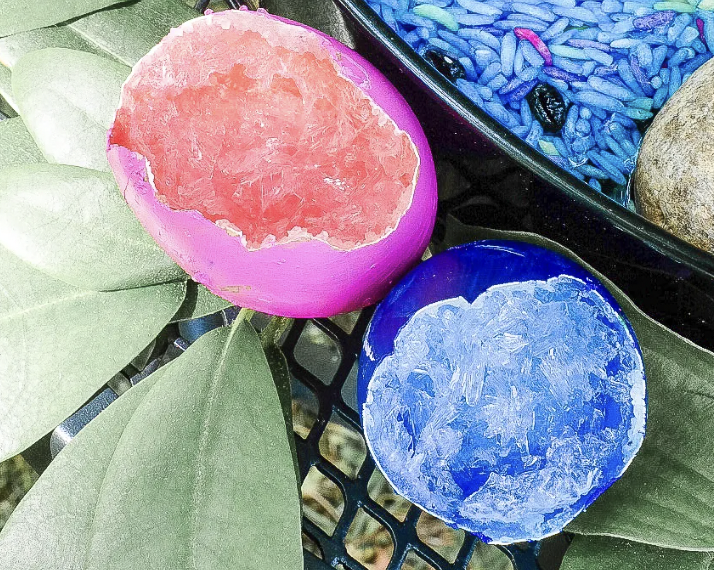
I'm excited to share this week's flyer. I've wanted to publish this Inquiry Quest for sometime now. The time just seemed right with all these rainy days. I've never done it before, but it looks super fun and with Easter around the corner - why not :-) Industrious little builders could even decorate the outside of the egg to make it look like an actual little rock. I stumbled across the novel recommendation over the break, and it was pure joy reading it. It has a wonderful message about community and working together. I know your young reader will enjoy this book as well. Keep on writing - 20 minutes a day and never stop thinking. Have a great week.
If you know anybody who you think would benefit from the weekly learning activities in this flyer, please share it with your friends and encourage them to join The McManus Files mailing list by following the links on this page.
Stay positive,
Mr. McManus
|
|
If you feel your child might benefit from a group or individual tutoring program to prepare them for the next phase of their education, please contact McManus Tutoring.
Programs are structured so that students learn independence, accountability, and self-possession. They will develop a repeatable structure that can be used to build success in the future.
|
|
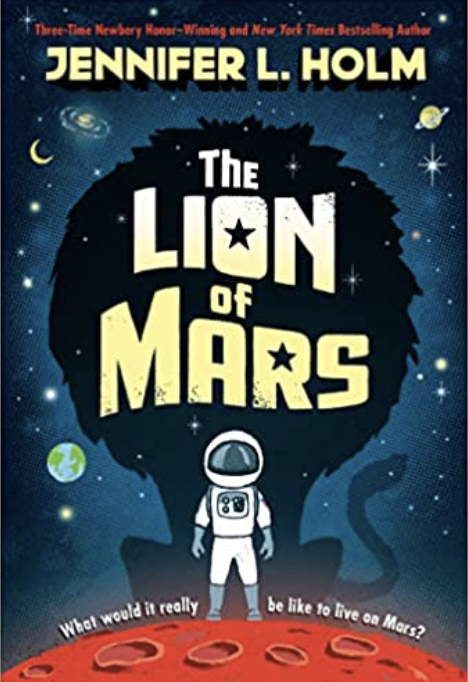
The Lion of Mars
by Jennifer L. Holm
|
|
|
|
The Lion on Mars is a simple yet engrossing story that explores what growing up as a child on Mars would be like in the future. This book grabbed my attention from the get go with the scientific information woven through the fictional story told through the eye's of a child. Bell is just like any other kid. He loves cats, eats all kinds of cake, and is curious about everything. Oh, and he lives on another planet! Living on Mars comes with a ton of rules. Like don’t go outside without a buddy. Always keep a glow stick in your pocket. And no contact with the kids in the other settlements. Ever. When a virus breaks out among the adults, the children are the only ones who can help. It's up to Bell - a regular kid in a very different world - to uncover the truth and save his family ... and unite an entire planet. This was a wonderful book that shows how important being a community and a good neighbor is. Enjoy!
|
|
|
|
|
|
|
AMAZING
EGG
SHELL GEODES
|
|
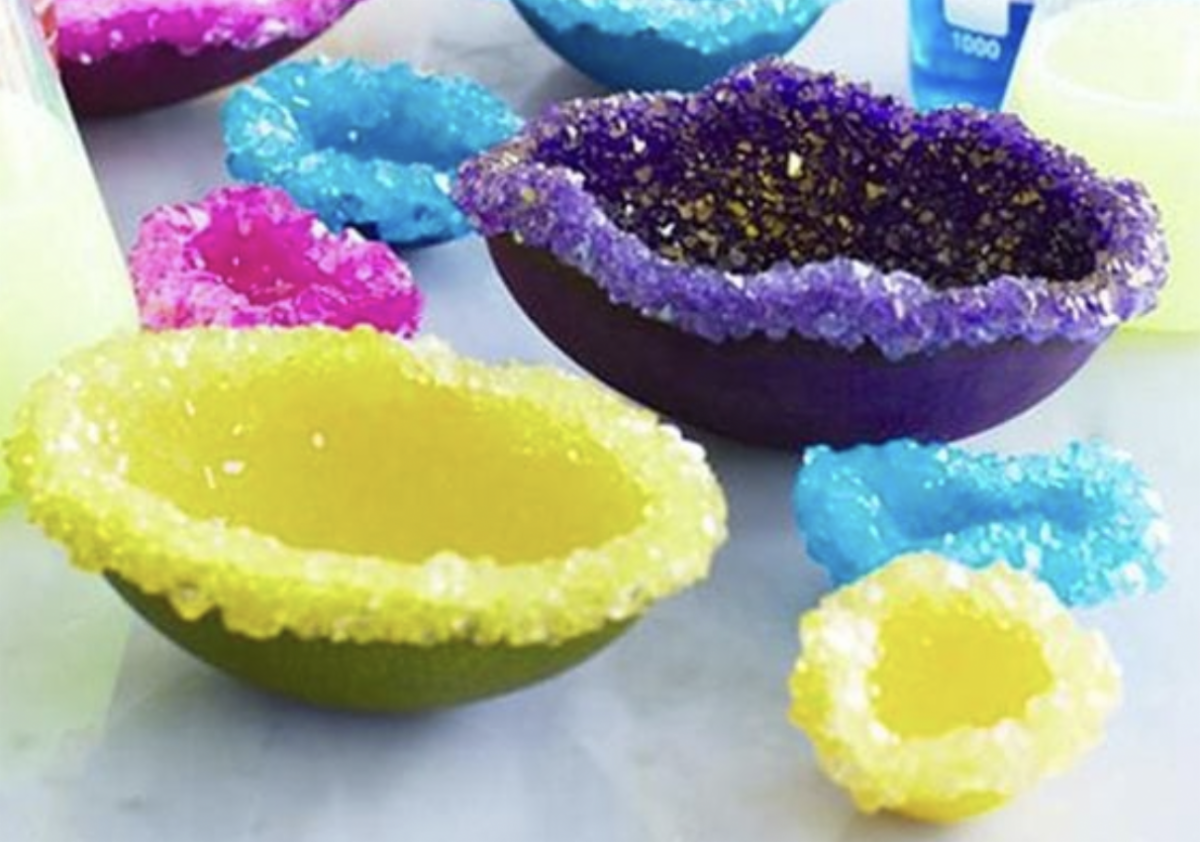
The magic of crystals never fails to amaze! Crystal experiments are a great way to learn about supersaturated solutions. In this one, you’ll wind up with some amazing eggshell geodes. |
|
Make Your Own Egg Shell
Geodes in 5 EASY STEPS!
Materials you’ll need:
- Egg Shells – try to use a small fork to break them gently. Different shaped shells make for fun shaped geodes!
- Egg Carton
- White Glue
- Epsom Salt
- Water
- Tooth Picks
- Food Coloring
- Paint
- Patience
|
|
|
|
Step 1:
Clean out egg shells. Do this by gently washing under warm water and using your finger or a small brush on the inside of the shell.
Make sure both layers of membranes are removed!
Step 2:
Once your egg shells are completely dry from their bath, it’s time to begin!
Going one egg shell at a time, use a small paint brush to gently paint a layer of white glue into the egg shells. After the inside is painted with glue, gently sprinkle on epsom salt onto the glue. I placed the finished ones in a plastic egg carton. Repeat for all your shells.
|
|
Step 3:
Boil 1 cup of water in a saucepan.
Once boiling, stir in 1/2 cup of epsom salt and stir until it is completely dissolved.
Once dissolved continue to add in 1 tbsp of epsom salt at a time to stir into the water until it stops dissolving. Don’t add more then 1/2 a cup more.
Step 4:
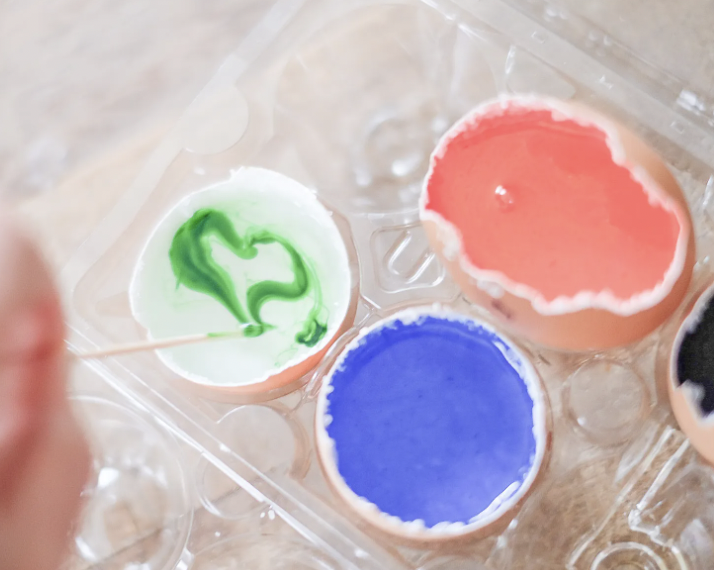
Pour your mixture into each egg shell and fill to the top. Once all filled add in one drop of food coloring and use a toothpick to gently stir the coloring into the water.
Step 5:
Patience! Check on your geodes every day and use a tooth pick to gently break up any hardening over the top layer. Do this every day and two weeks they’ll be formed! We made these 1 year ago and still play with them all. the time!
|
|
|
|
|
Three Writing Prompts and an Essay Topic
These prompts and questions will help jump-start your daily writing. Just as it's important to read for at least 30 minutes each day, you should also write for 30 minutes a day. Don't worry about your organization or spelling, just write!
"It sounded like a trumpet, but it was coming from a …"
"At school today, everyone wanted to know about my new …"
"My dad taught me how to use a metal detector, and today I found a …"
|
|
February 14th
Asheville, North Carolina, celebrates its annual Comedy Classic weekend at this time of the year. It reminds people of the importance of laughter to help get over everyday problems.
Prompt:
What makes you laugh? A funny movie? Silly jokes? A favorite comedian or television show? Share what tickles your funny bone!!
|
|
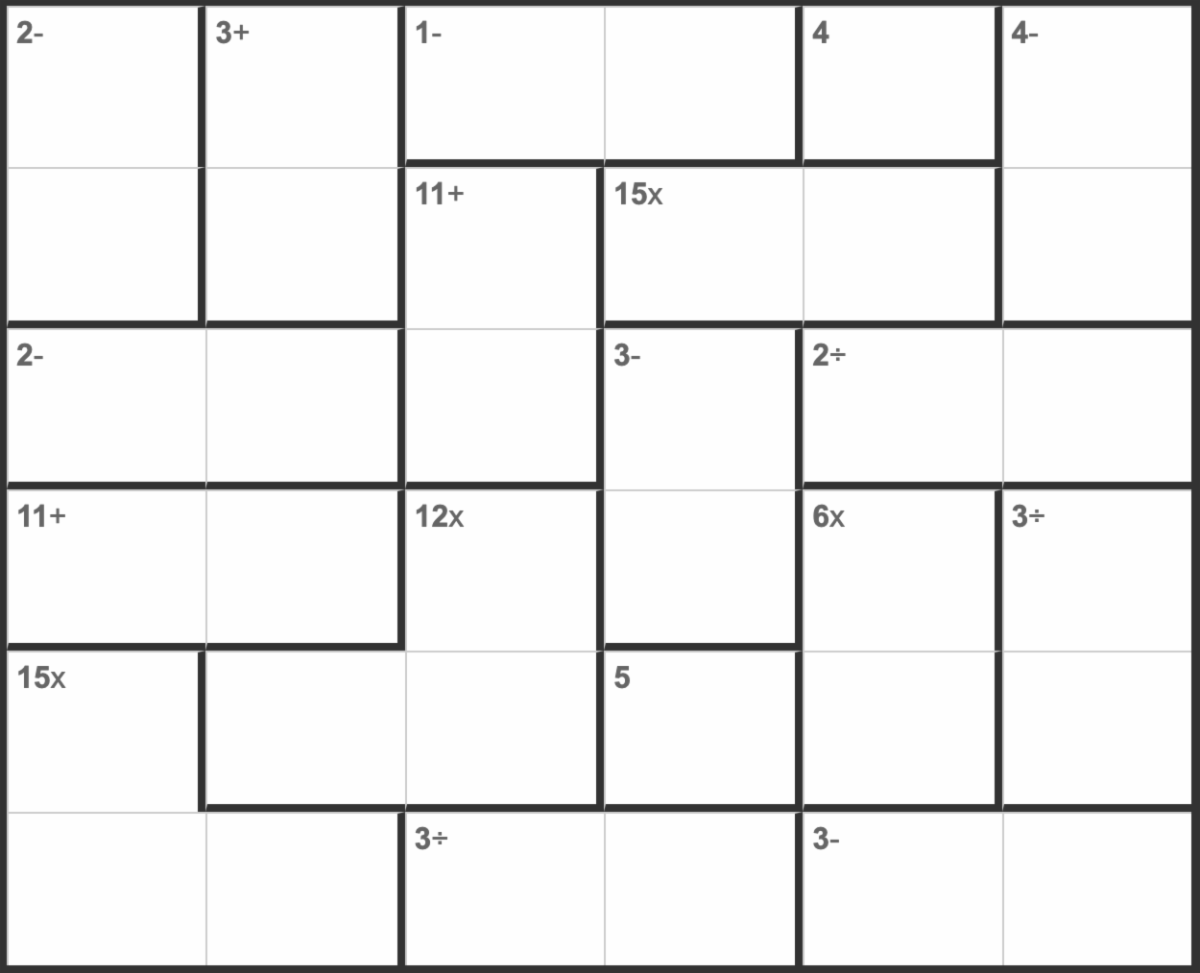
Try a KenKen
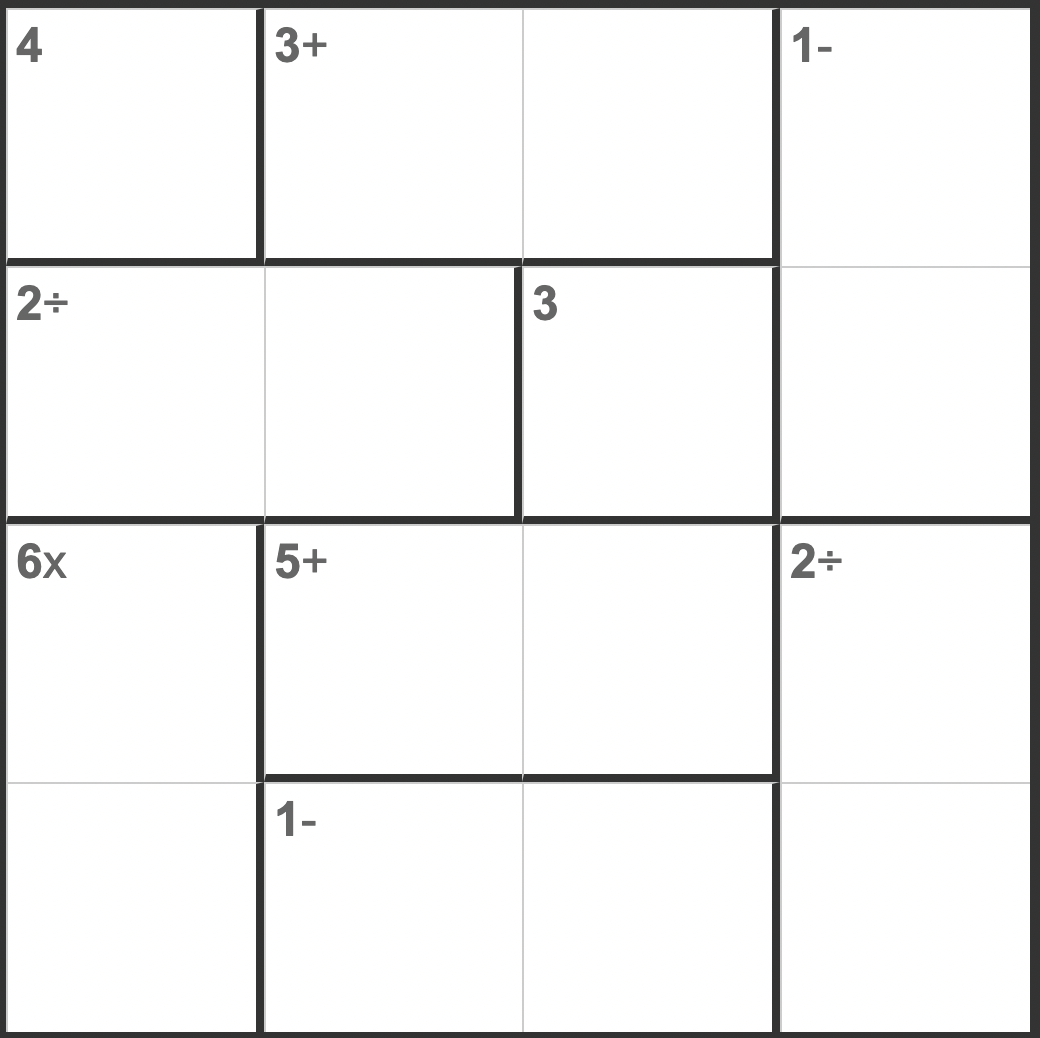
Sudoko is too busy for me, and I get overwhelmed with all the tiny boxes. About 15 years ago, I discovered KenKen puzzles which use the same logic as Sudoko but with a math twist. With practice they get easier. Give KenKen a try... Here is a medium and an easy puzzle
|
|
Rules For Playing KenKen
The numbers you use in a KenKen puzzle depend on the size of the grid you choose. A 3 x 3 grid (3 squares across, 3 squares down) means you use the numbers 1, 2, and 3. In a 4 x 4 grid, use numbers 1 to 4. A 5x5 grid requires you use the numbers 1 to 5, and so on.
The numbers in each heavily outlined set of squares, called cages, must combine (in any order) to produce the target number in the top corner using the mathematic operation indicated (+, -, ×, ÷).
Here's how you play:
- Use each number only once per row, once per column.
- Cages with just one square should be filled in with the target number in the top corner.
- A number can be repeated within a cage as long as it is not in the same row or column.
|
|
|
|
|
|
|