|
|
February 7, 2023
Winter Issue #11
|
Weekly activities and lessons to keep your child thinking and progressing all year long. |
|
“Luck? I don’t know anything about luck. I’ve never banked on it and I’m afraid of people who do. Luck to me is something else: Hard work...”
|
|
Hello,
I have such a love-hate relationship with conference week. I love reviewing and sharing the student's growth and progress with their family. I will never get tired of seeing the look of pride and relief on the parent's and student's faces. However, I do not like the 1:30 dismissal. The day is simply too short for all the work we want to get complete in the day. I'll survive because I simply don't want to stay at school until 5:00 :-) Thank you for always making conferences such a productive experience.
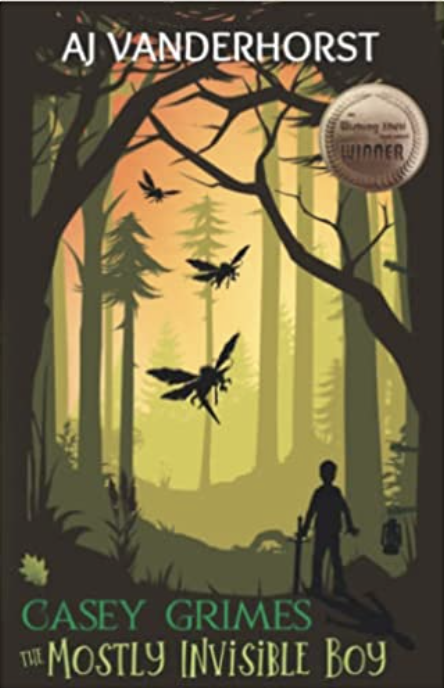
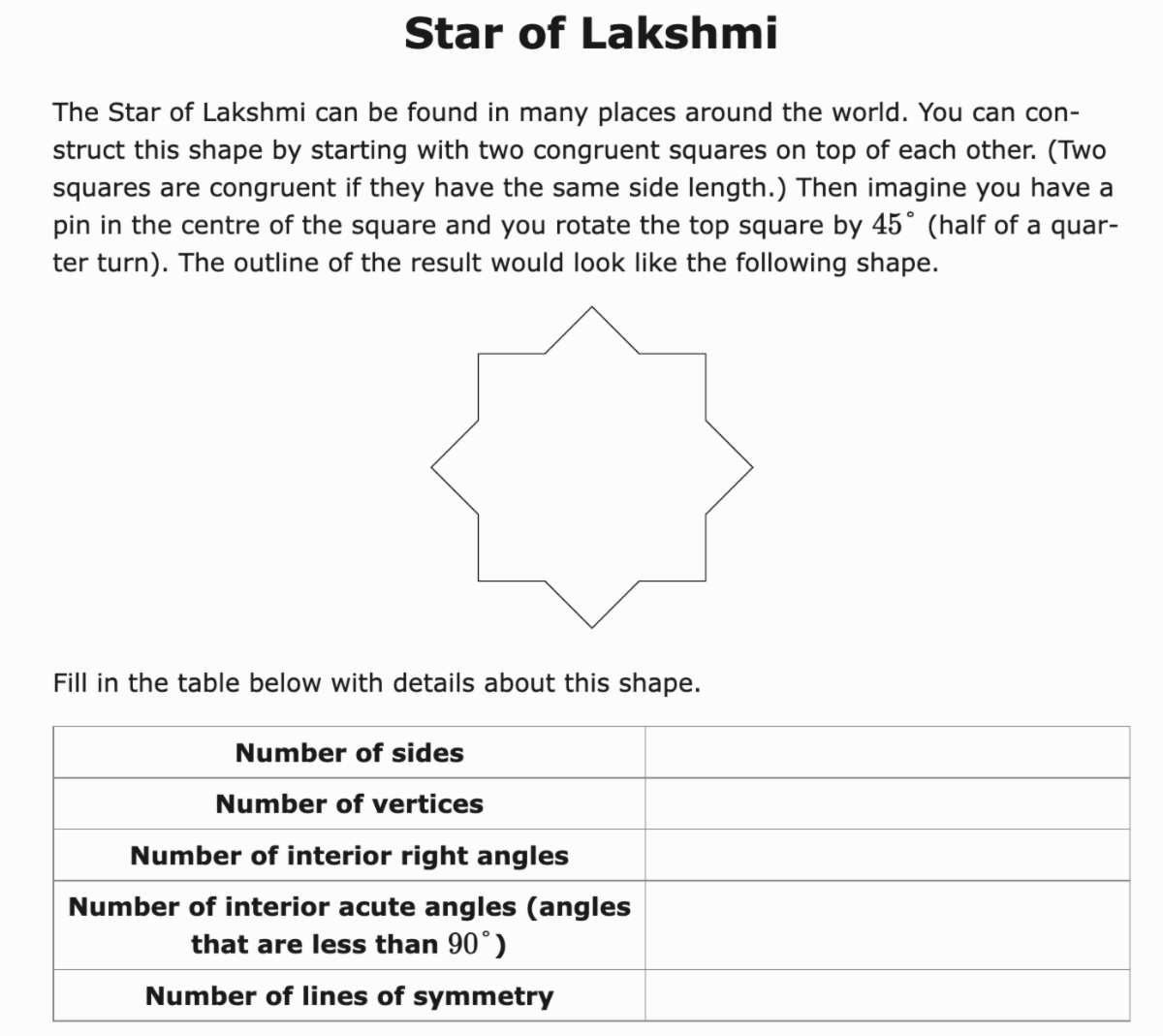
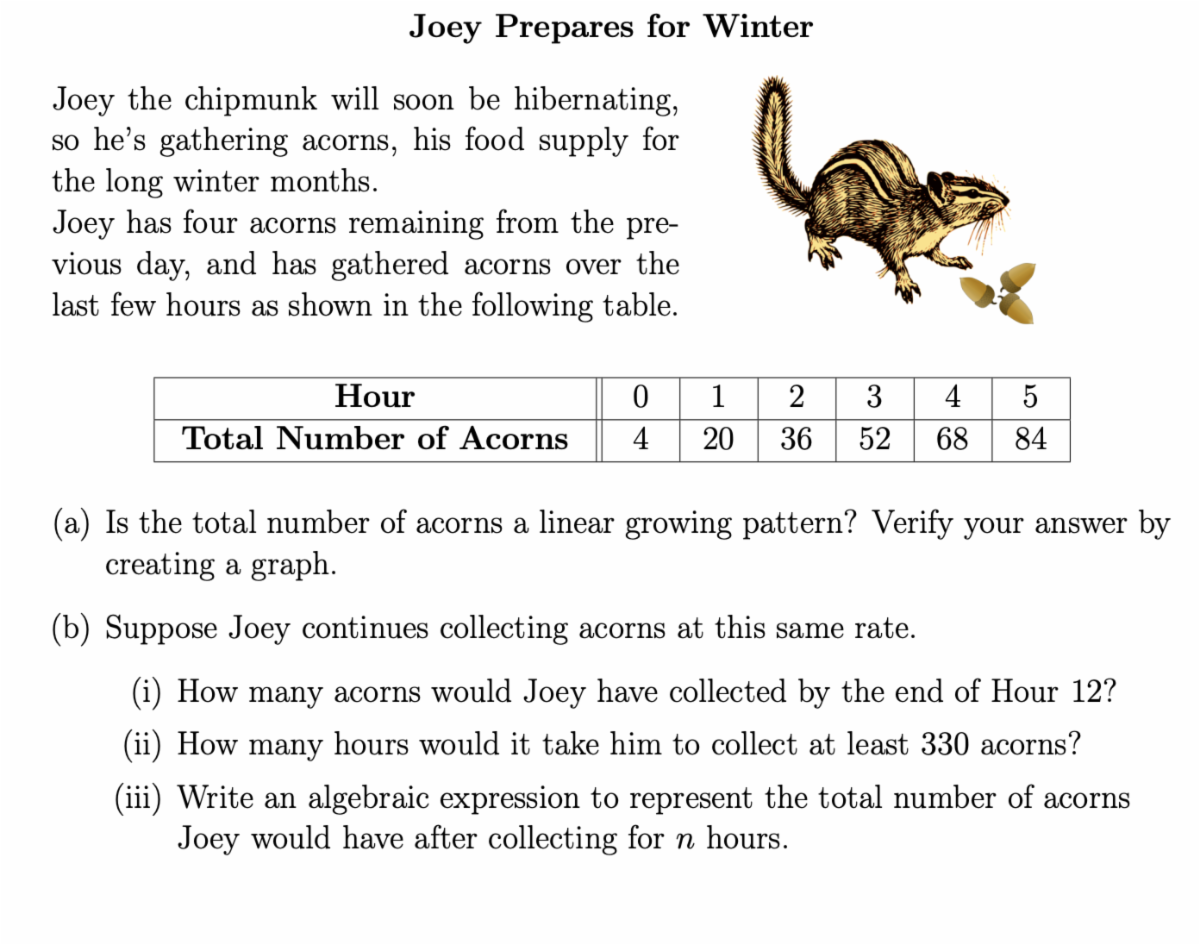
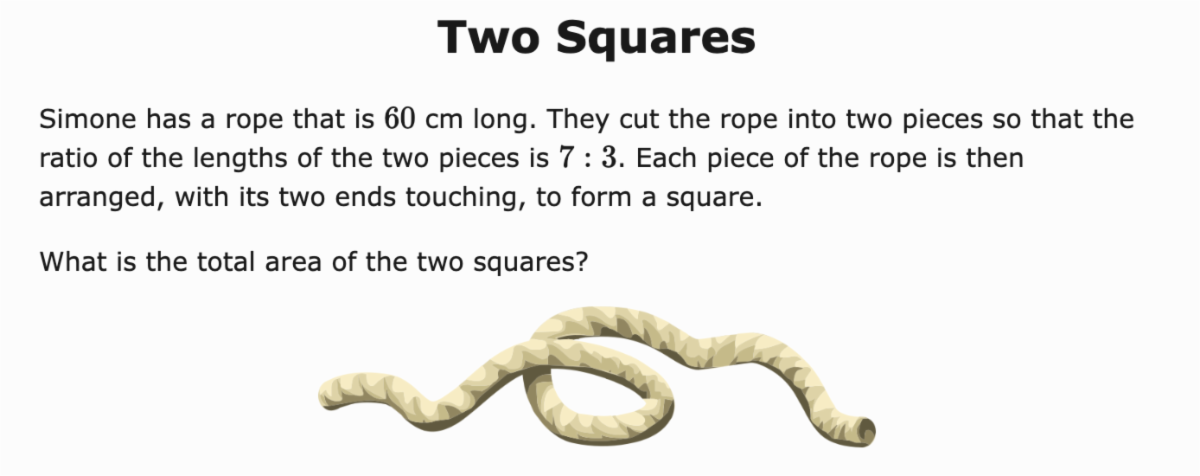
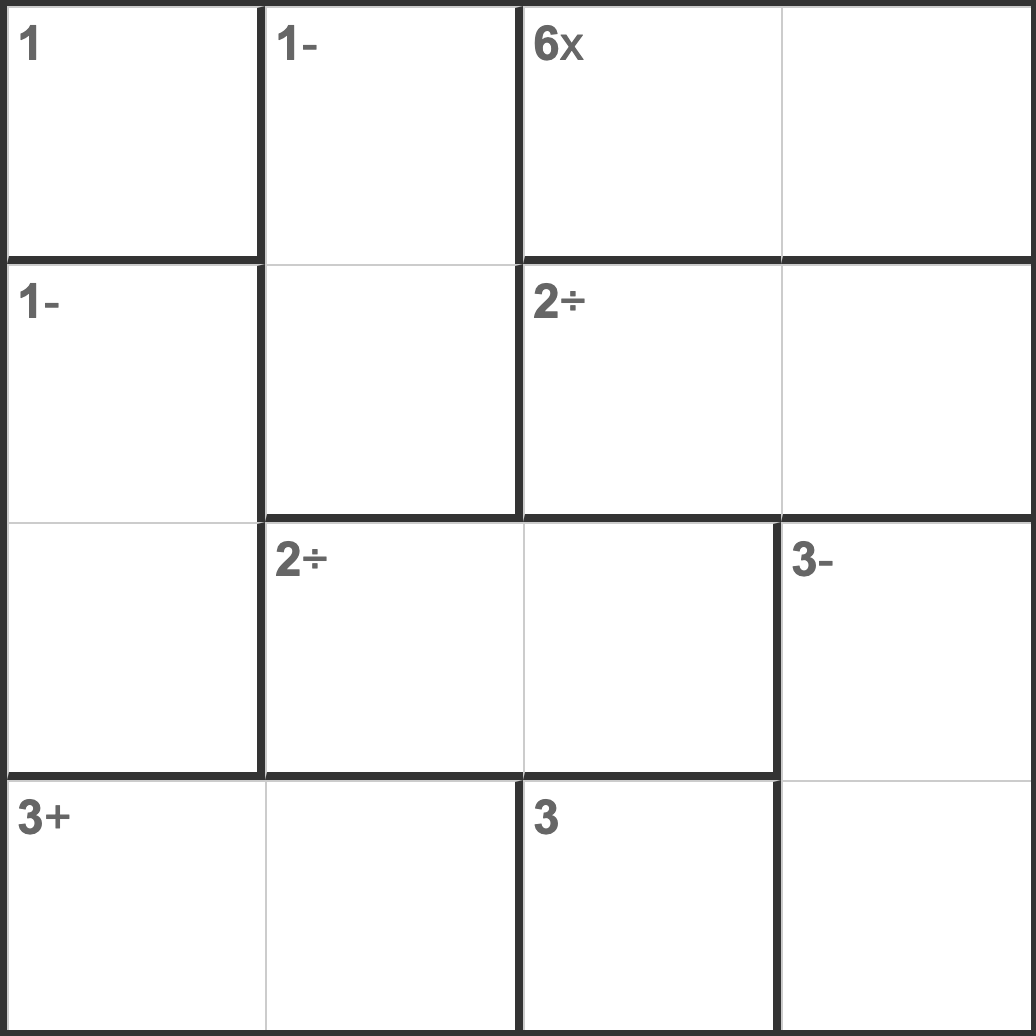
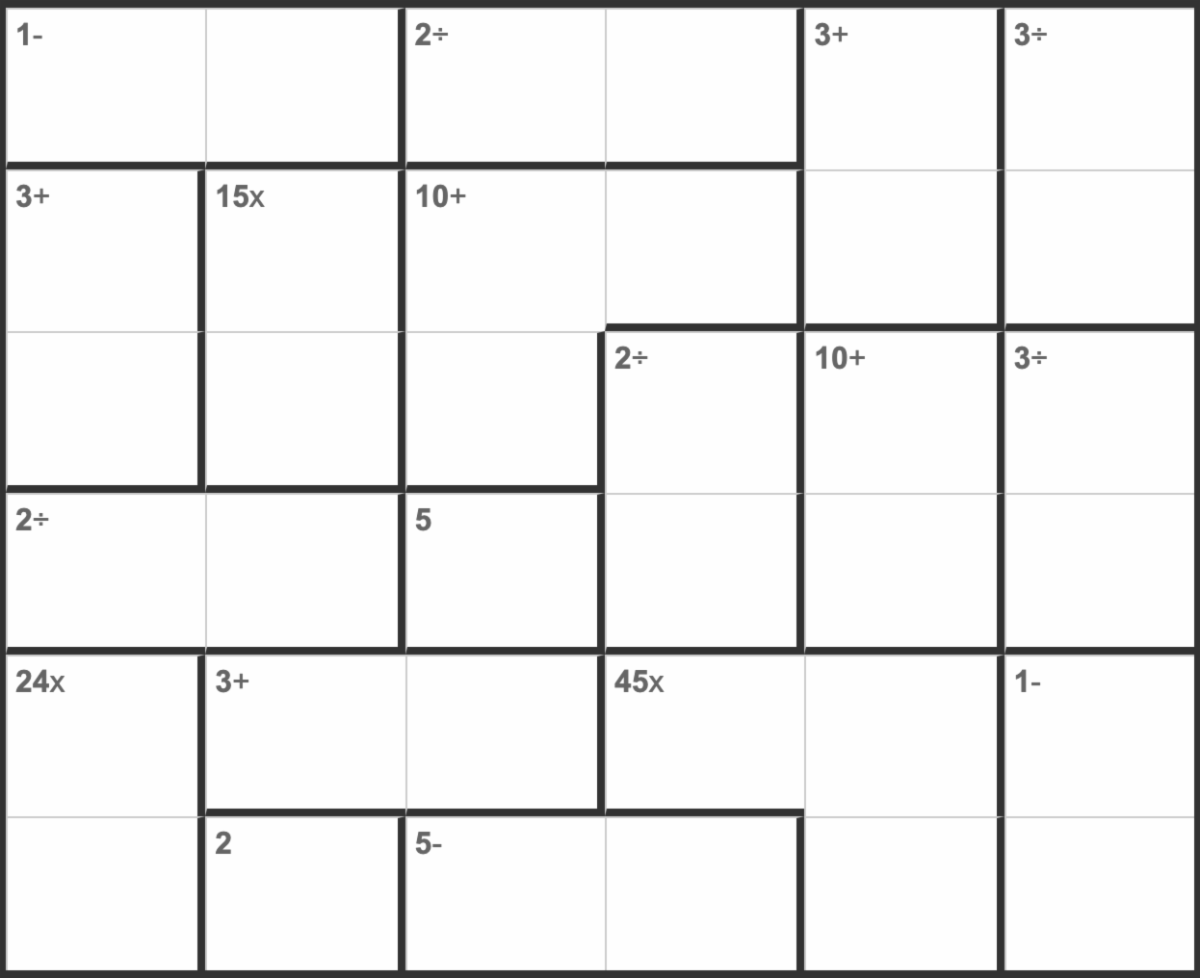
This week's flyer introduces a book series that will grab and enthrall any young reader. It is so hard to find books that have strong male characters with strong moral stories. This book is full lessons about courage, tenacity and skills with a battle-axe. It is perfect for middle grade readers--not too scary but enough to keep you flipping the pages. Surprises at every turn keep the plot moving at a quick pace. The flyer also has a great little design activity, four great writing prompts, three math problems and two KenKen challenges. I hope you enjoy the activities.
If you know anybody who you think would benefit from the weekly learning activities in this flyer, please share it with your friends and encourage them to join The McManus Files mailing list by following the links on this page.
With joy,
Mr. McManus
|
|
If you feel your child might benefit from a group or individual tutoring program to prepare them for the next phase of their education, please contact McManus Tutoring.
Programs are structured so that students learn independence, accountability, and self-possession. They will develop a repeatable structure that can be used to build success in the future.
|
|
The Mostly Invisible Boy
by AJ Vanderhorst
|
|
|
|
I had a fun read with this fast-paced middle grade fantasy (adventure) book with all the monsters a kid could ever hope for. The author's writing style is along the lines of Roland Dahl, one of my favorites. The beginning introduces us to Casey Grimes, a lonely eleven-year-old who feels like he must be invisible at school. The author paints a vivid picture of this main character by letting us into bits of his life, wearing a high visibility vest to school, and the zoo of origami animals in his locker. His life-changing adventure begins when he discovers an ancient oak with amazing qualities in the forest behind his house. Any young reader who loves, adventure, excitement, monsters, and getting out of life-threatening situations would love this book! It is fast-paced with short chapters to keep the reader reading. I wish Ms. Jones would have played a larger role in the book. I kept waiting for her to appear in the magical land or have an important part in the adventure. But on the whole, it is a very engaging book. You will be happy to know this is book one of a series about Casey Grimes and his adventures. Enjoy!
|
|
|
|
|
The Engineering Challenge
Design a Back Scratcher
|
|
Design and create a back-scratching tool that will reach a pesky itch.
Have you ever had an itch that you couldn’t reach? Maybe you found a handy tree or a really long stick. Whatever you used or did, you used a tool that needed to:
- Stay together
- Reach the unreachable spot
- Be sturdy enough to scratch the itch without breaking
In this activity, you’ll find items and test them to see if they make a good back scratching tool or not.
|
|
WHAT YOU DO
DESIGN: Think of three to five things that you could use as materials to build a back-scratching tool. Making a drawing or describing it to someone might help you understand what materials you will need.
CREATE: Build it! If your tool idea is made up of more than one item, try different ways of attaching those items together, like tape or ties.
TEST: Test it! Try out your tool on yourself, and ask someone else to try it, too.
LEARN: Did the tool scratch the itch? Did it stay together? Was it strong enough? What could you change?
Change a part of your design or do something completely different. Keep creating and testing.
|
|
POSSIBLE MATERIALS
You can use practically anything for your back scratcher. Try long items, multiple short items, items of different shapes and densities, whatever you can imagine! Think creatively and find out through trial and error what works and what doesn’t.
|
TAKE THE CHALLENGE FURTHER!
- Design a tool that:
- Folds up to fit in a pocket
- Scratches two places at the same time
- Is hands-free
- Acts like a roller
|
|
Three Writing Prompts and an Essay Topic
These prompts and questions will help jump-start your daily writing. Just as it's important to read for at least 30 minutes each day, you should also write for 30 minutes a day. Don't worry about your organization or spelling, just write!
"Every day, the same strange thing happens…"
"From the next room, I heard my little sister laughing hysterically…”
"The day began normally until I noticed an odd smell coming from the kitchen sink…"
|
|
February 7th
The Great American Pizza Bake begins today! "Healthy" pizza is served in restaurants and pizza parlors nationwide to focus public attention on the importance of eating healthy foods.
Prompt:
What is your favorite kind of pizza? Why? Do you think pizza can ever be good for you? Explain.
|
|
Try a KenKen
Sudoko is too busy for me, and I get overwhelmed with all the tiny boxes. About 15 years ago, I discovered KenKen puzzles which use the same logic as Sudoko but with a math twist. With practice they get easier. Give KenKen a try... Here is a medium and an easy puzzle
|
|
Rules For Playing KenKen
The numbers you use in a KenKen puzzle depend on the size of the grid you choose. A 3 x 3 grid (3 squares across, 3 squares down) means you use the numbers 1, 2, and 3. In a 4 x 4 grid, use numbers 1 to 4. A 5x5 grid requires you use the numbers 1 to 5, and so on.
The numbers in each heavily outlined set of squares, called cages, must combine (in any order) to produce the target number in the top corner using the mathematic operation indicated (+, -, ×, ÷).
Here's how you play:
- Use each number only once per row, once per column.
- Cages with just one square should be filled in with the target number in the top corner.
- A number can be repeated within a cage as long as it is not in the same row or column.
|
|
|
|
|
|
|