|
|
January 31, 2023
Winter Issue #10
|
Weekly activities and lessons to keep your child thinking and progressing all year long. |
|
“I believe any success in life is made by going into an area with a blind, furious optimism.”
|
|
Hello and Happy Tuesday,
I hope you are doing well and keeping warm. These mornings have been so cold. Brrrrrr. January has been a ride as far a weather goes, but now that February is here, spring is just around the corner. It is amazing that we will have another week off this month :-)
This weeks flyer contains an amazing book recommendation. I'm so glad I found this new novel. It was such a fun read. I loved the lessons about friendship and staying true to oneself. I am certain you and your family will love this book, too. This would make an excellent read aloud. The Inquiry Quest is a quick journey into bases and acids. The activity doesn't take long, but the lesson will last a life time.
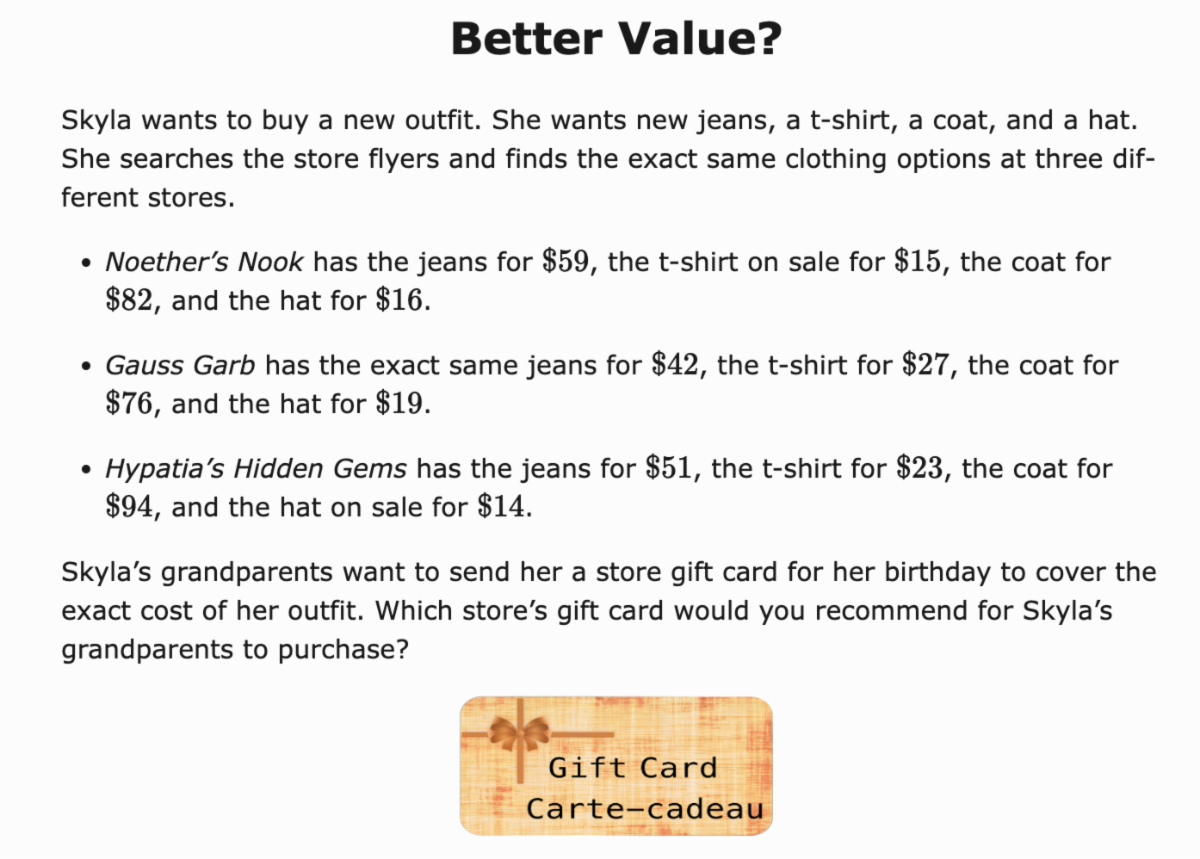
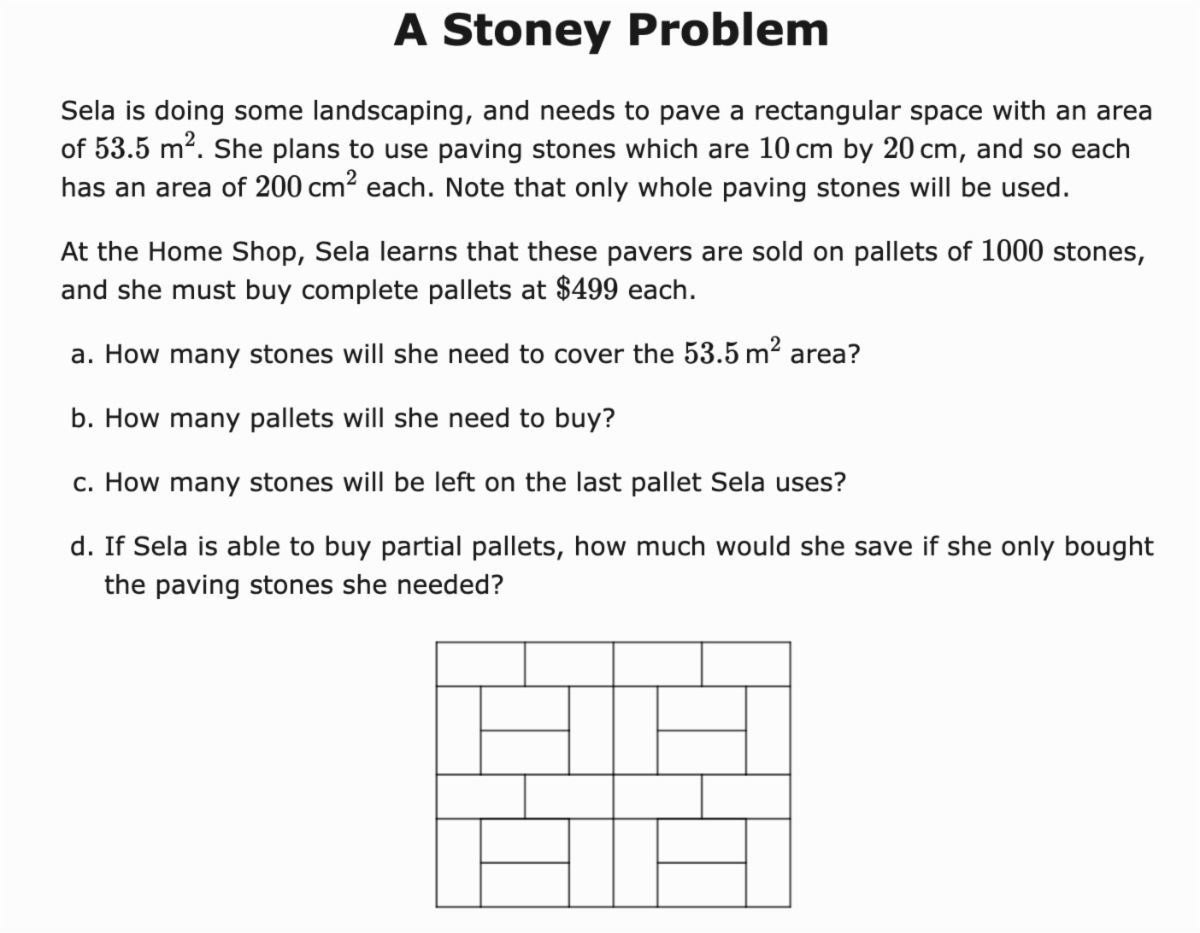
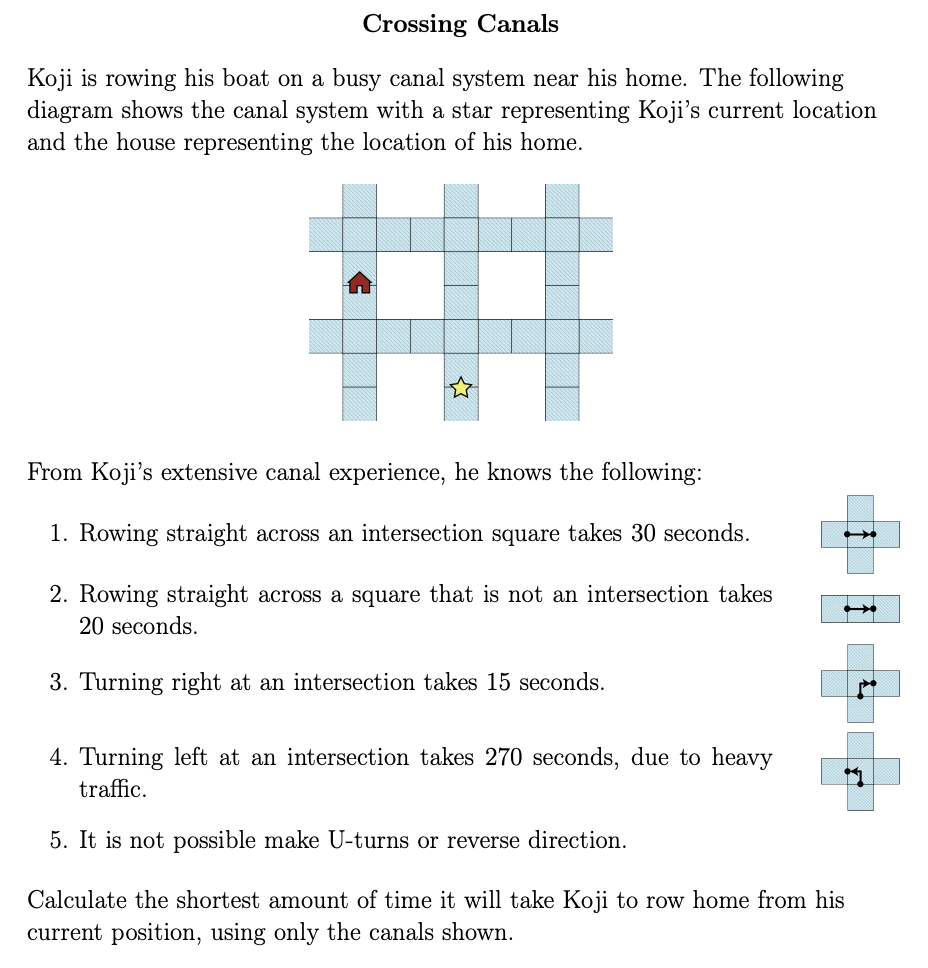
Remember to keep reading and writing everyday. For children to truly improve in these skills they need independent, daily practice. The writing prompts below are great for encouraging reluctant writers. The math problems as well are wonderful family activities. If you feel your child needs more practice in math, these problems will spark great conversations and opportunities practice many different math skills. Have a fun week.
If you know anybody who you think would benefit from the weekly learning activities in this flyer, please share it with your friends and encourage them to join The McManus Files mailing list by following the links on this page.
Be happy,
Mr. McManus
|
|
If you feel your child might benefit from a group or individual tutoring program to prepare them for the next phase of their education, please contact McManus Tutoring.
Programs are structured so that students learn independence, accountability, and self-possession. They will develop a repeatable structure that can be used to build success in the future.
|
|
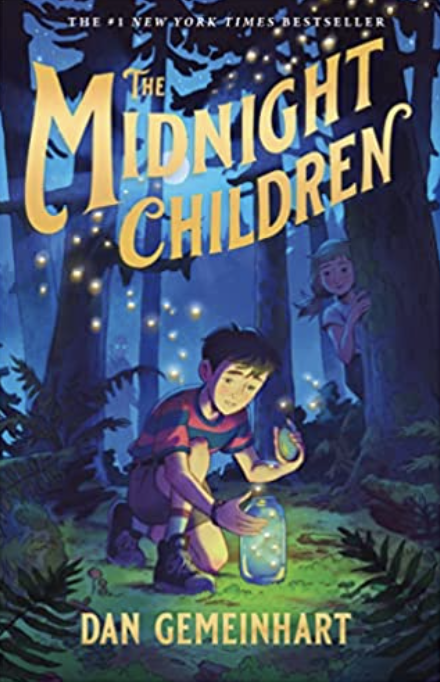
The Midnight Children
by Dan Gemeinhart
|
|
|
|
I read a lot of middle grade fiction for work and for pleasure, and this book stands out. The story is great, but it is the characters, setting, and most of all the writing that make it one for the ages. The voice is so fresh and innovative. For example, the author uses a completely different style of writing for the villain, making him even more sinister and creepy. The setting involves a deep, dark wood, and old house with surprises in the basement, and a slaughterhouse, and somehow, the book isn't overly scary - there is enough weirdness and the characters are so engaging they keep it from crossing that line. The story tugs at the heart of any kid, or former kid, who struggled to find their place. It’s a story of fierce friendship, bravery, loyalty, and finding―or making―a place to belong. I can't recommend this rare tale about second chances and being true to both self and friends enough. Enjoy!
|
|
|
|
|
Watch Acids and Bases Produce Colors!
|
|
You can create a concoction of simple household ingredients that changes colors as acids and bases are added! This magic mixture is called a "pH indicator," a chemical compound that is added to a solution in order to visually determine its acidity or basicity. While many items (such as cabbage juice) have this ability, this mixture of turmeric and rubbing alcohol possesses the unique trait of being able to change BACK to its original color. Science has never been this fun! |
|
Materials Needed
- Bowl
- ¼ cup water
- ¼ cup vinegar
- ½ teaspoon tumeric
- ½ cup rubbing alcohol
- 1 teaspoon baking soda
- Clear drinking glass
|
|
|
What You Do:
1. Combine the turmeric and rubbing alcohol in the bowl.
2. Mix the baking soda and water in the glass.
3. Pour a sufficient amount of the turmeric/alcohol combination into the glass to effect a color change. What do you observe? What color was produced?
4. Pour the vinegar into the glass.
5.Pour a sufficient amount of the turmeric/alcohol combination into the glass to effect a color change. What do you observe? What color was produced?
|
What's Going On?
Adding the pH indicator to the basic solution should have turned it red. Adding an acid (vinegar) made it foam and revert to its original yellow color.
|
|
Three Writing Prompts and an Essay Topic
These prompts and questions will help jump-start your daily writing. Just as it's important to read for at least 30 minutes each day, you should also write for 30 minutes a day. Don't worry about your organization or spelling, just write!
"I’ve always been afraid of spiders, but the world was counting on me, so I pushed through."
"One minute, I was sitting quietly reading a book; the next thing I knew, I was running away from…”
"My favorite teddy bear was nowhere to be found, but suddenly…"
|
|
January 24th
Jack Roosevelt (Jackie) Robinson, the first African-American to play major league baseball, was born today in 1919 in Cairo, Georgia. Jackie played with the Brooklyn Dodgers from 1947 to 1956. He was voted the National League's Most Valuable Player in 1949, and was elected to the Baseball Hall of Fame in 1962.
Prompt:
It isn't easy being the first person to accomplish something ion a public way. When Robinson began playing professional baseball, other players and fans spat at him and called him mean names. What qualities do you think Robinson must have had to overcome such obstacles?
|
|
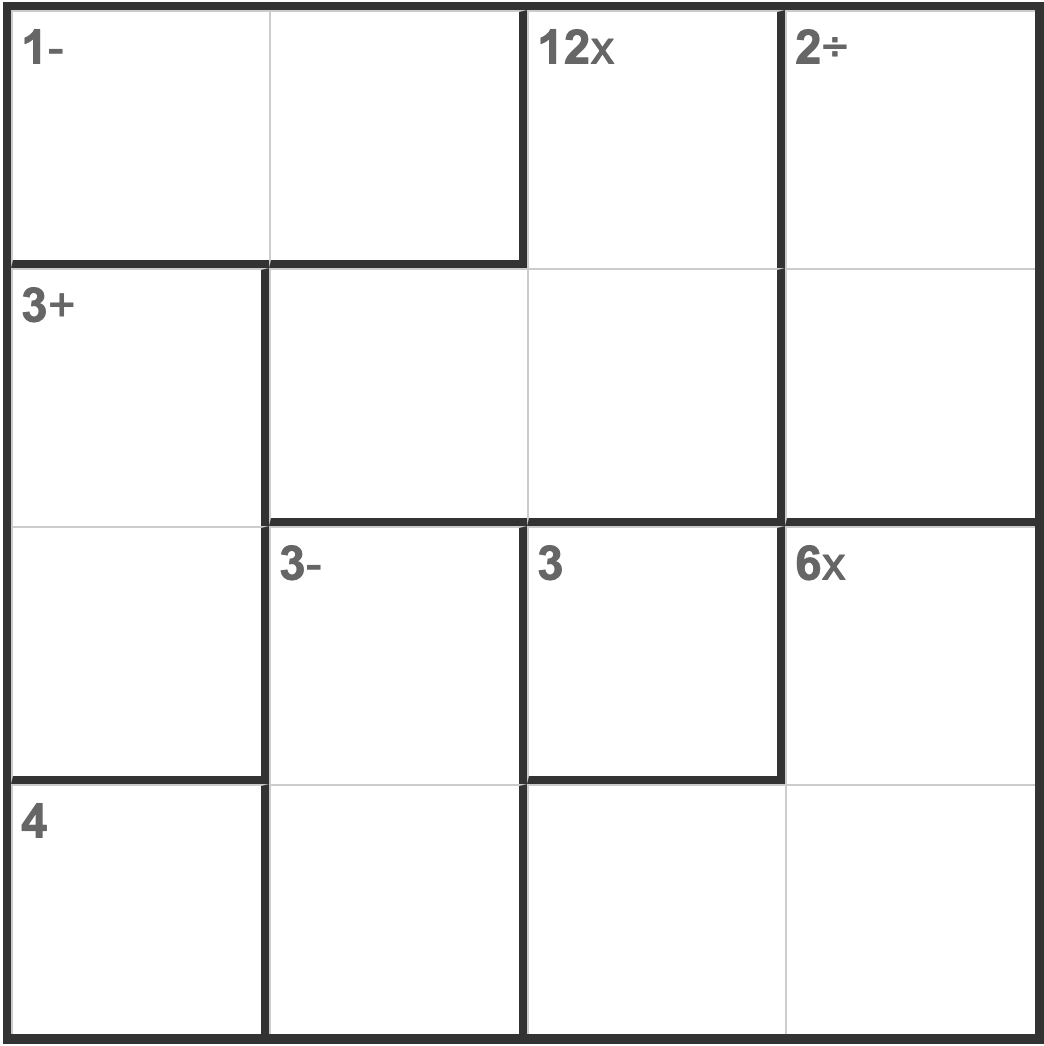
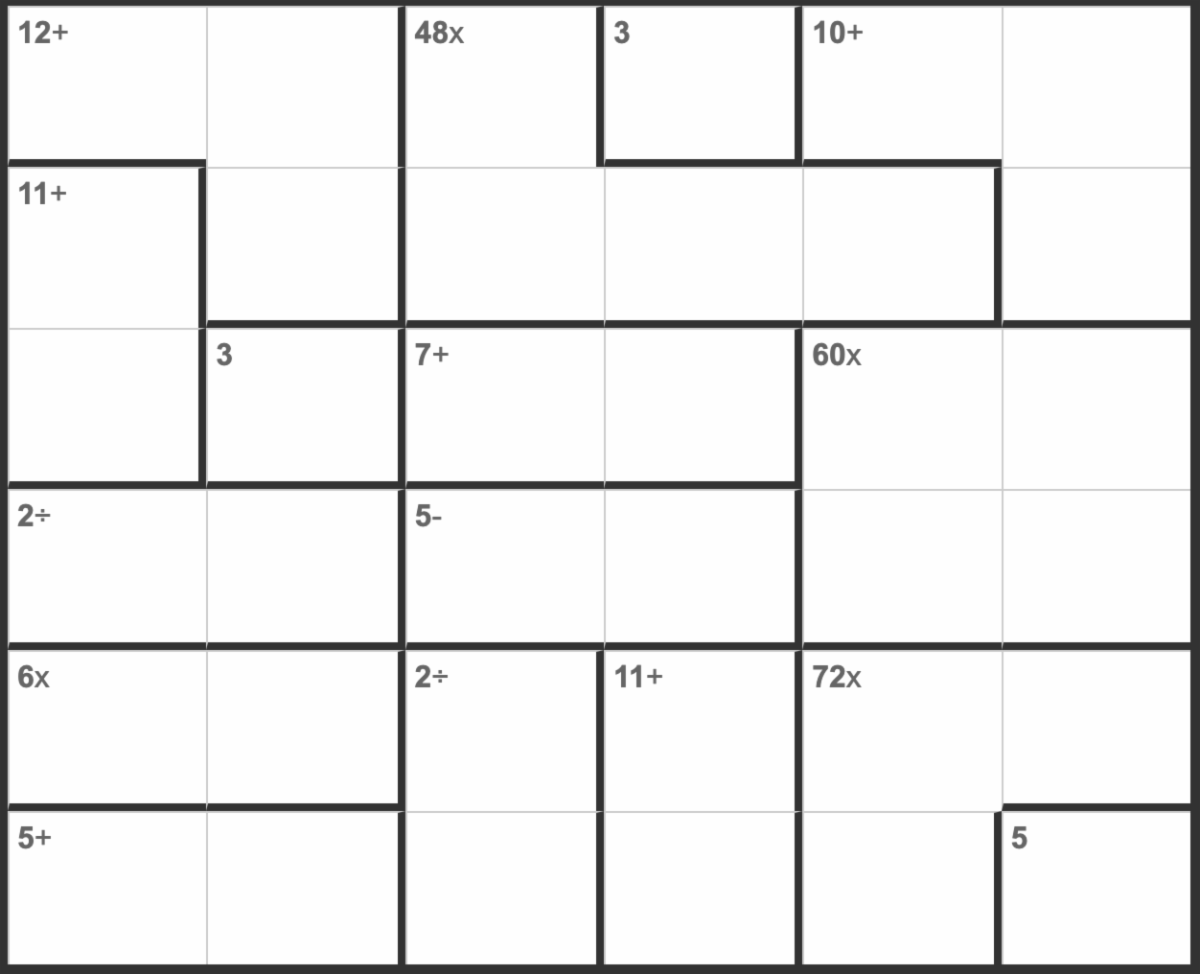
Try a KenKen
Sudoko is too busy for me, and I get overwhelmed with all the tiny boxes. About 15 years ago, I discovered KenKen puzzles which use the same logic as Sudoko but with a math twist. With practice they get easier. Give KenKen a try... Here is a medium and an easy puzzle
|
|
Rules For Playing KenKen
The numbers you use in a KenKen puzzle depend on the size of the grid you choose. A 3 x 3 grid (3 squares across, 3 squares down) means you use the numbers 1, 2, and 3. In a 4 x 4 grid, use numbers 1 to 4. A 5x5 grid requires you use the numbers 1 to 5, and so on.
The numbers in each heavily outlined set of squares, called cages, must combine (in any order) to produce the target number in the top corner using the mathematic operation indicated (+, -, ×, ÷).
Here's how you play:
- Use each number only once per row, once per column.
- Cages with just one square should be filled in with the target number in the top corner.
- A number can be repeated within a cage as long as it is not in the same row or column.
|
|
|
|
|
|
|