|
|
November 29, 2022
Winter Issue #1
|
Weekly activities and lessons to keep your child thinking and progressing all year long. |
|
"Earth and sky, woods and fields, lakes and rivers, the mountain and the sea, are excellent schoolmasters, and teach of us more than we can ever learn from books."
|
|
Hello
I hope everyone had a restful Thanksgiving Holiday week. Winter is here, rain is coming, and decorated holiday houses are popping up all over the neighborhood. I'm not sure if it is that my class is starting to come together, or report cards come out this week, or if better behavior choices are being made to get on the good side of the present list, but during these few hectic weeks before the Winter Recess, we get a ton of work done. I love this session for that reason.
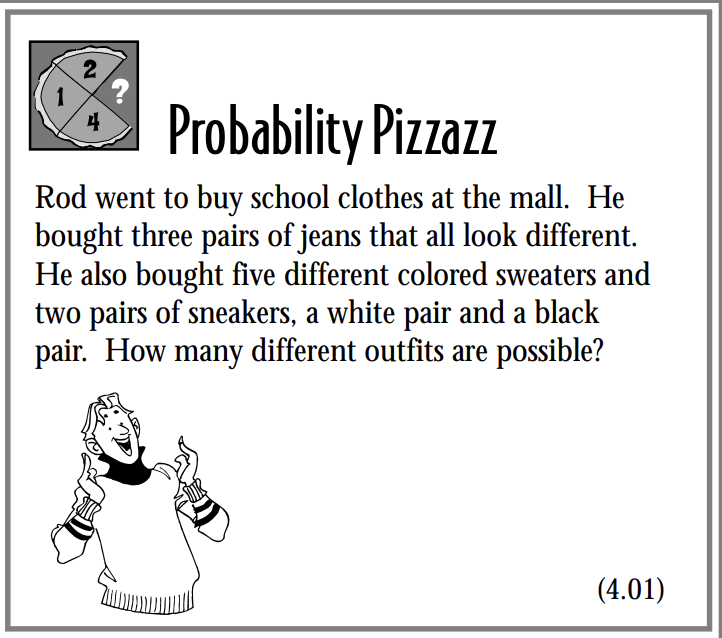
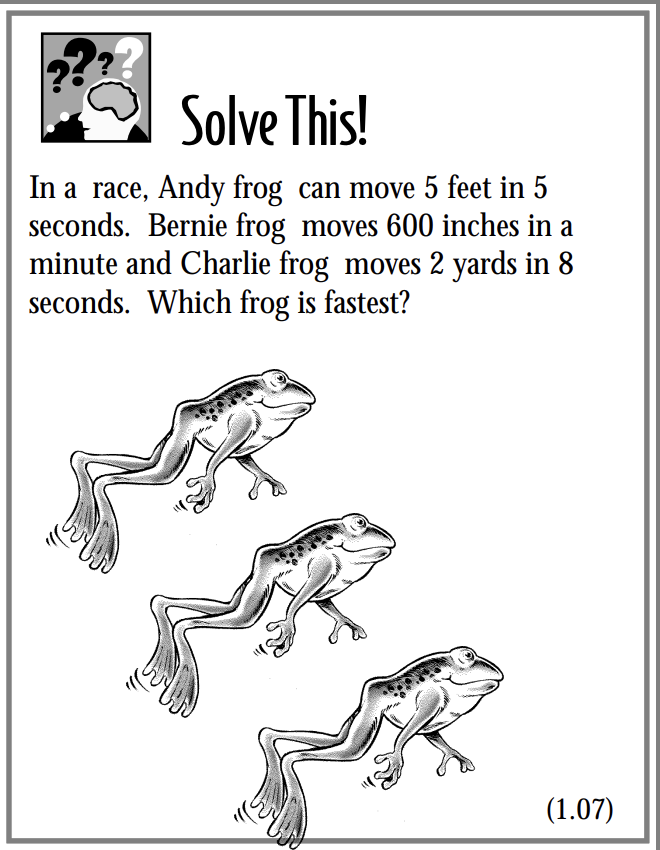
With that being said, I know there is still plenty of down time for extra learning outside of school. In this week's flyer, I've got a great book recommendation, a fun and easy science investigation, four engaging writing prompts and some challenging math problems. Plus... the addition of two KenKen puzzles. I hope you enjoy all the fun this flyer can bring.
If you know anybody who you think would benefit from the weekly learning activities in this flyer, please share it with your friends and encourage them to join The McManus Files mailing list by following the links on this page.
Happy Thanksgiving,
Mr. McManus
|
|
If you feel your child might benefit from a group or individual tutoring program to prepare them for the next phase of their education, please contact McManus Tutoring.
Programs are structured so that students learn independence, accountability, and self-possession. They will develop a repeatable structure that can be used to build success in the future.
|
|
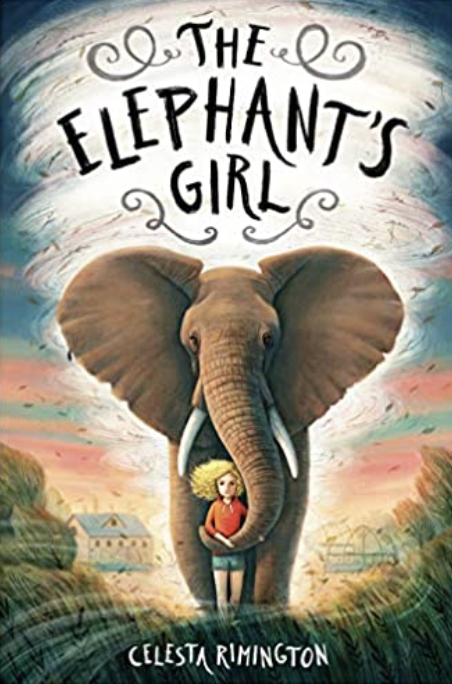
The Elephant's Girl
by Celesta Rimington
|
|
|
|
An elephant never forgets...but Lexington Willow can't remember her past. When she was a toddler, a tornado swept her away from everyone and everything she knew and landed her near an enclosure in a Nebraska zoo, where an elephant named Nyah protected her from the storm. With no trace of her family, Lex grew up at the zoo with her foster father, Roger; her best friend, Fisher; and the wind whispering in her ear. Now that she's twelve, Lex is finally old enough to help with the elephants. But during their first training session, Nyah sends her a telepathic image of the woods outside the zoo. Despite the wind's protests, Lex decides to investigate Nyah's message and gets wrapped up in an adventure involving ghosts, lost treasure, and a puzzle that might be the key to finding her family. Can Lex summon the courage to hunt for who she really is--and why the tornado brought her here all those years ago? Enjoy!
|
|
|
|
|
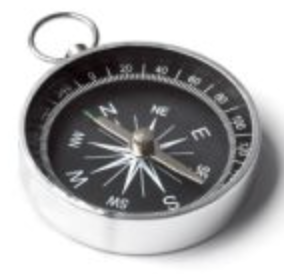
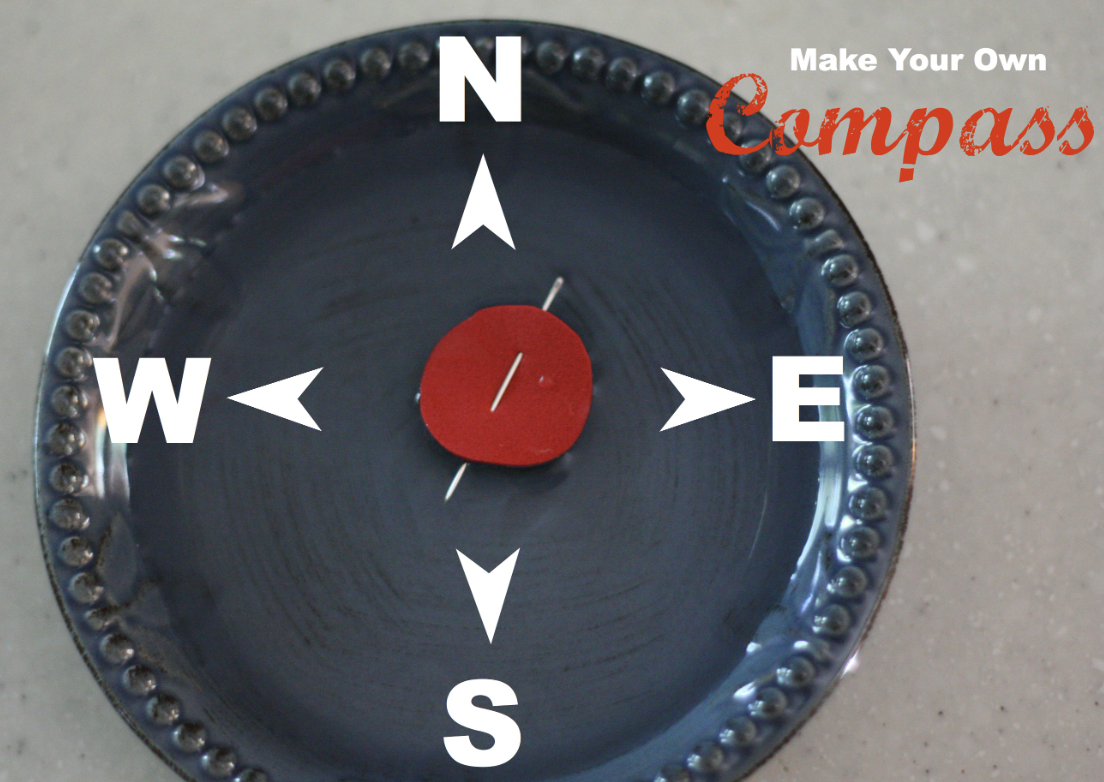
This project demonstrates how you can make your own compass using a magnetized needle. It also allows you to compare magnetic north and geographic north. |
|
Research Question:
- How can you make your own compass?
- How far off is magnetic north from geographic north?
Did you know that the earth acts like a giant magnet? It even has a magnetic north and south pole. Nope, the magnetic north pole is not at the geographic North Pole – but they’re close enough to make a compass that works through magnetism.
|
|
|
|
- Cardboard
- Scissors
- Ruler
- Plastic cup
- Pen
- Needle
- Magnet
- Cork
- Tape
- Water
|
|
|
|
|
Experimental Procedure:
- Cut out a large cardboard circle that is about an inch wider on each side than the mouth of the cup.
- Cut a smaller circle from the center of the large circle. The smaller circle should be just a bit smaller than the mouth of the cup.
- Divide the remaining doughnut into four equal quadrants, and label the quadrants with the letters N, S, E, and W.
- Stroke a needle with a magnet from eye to tip 30 times. Make sure to stroke it in the same direction each time.
- Cut a cork lengthwise down the middle. Lay the cork so that its new flat (cut) surface faces upwards.
- Tape the needle to the flat surface, facing it in the same direction as the cork.
- Fill the cup with water, almost to the rim.
- Place the doughnut cutout over the mouth of the cup, so that the hole is directly over the water.
- Place the cork on the water’s surface so that the needle is pointing from north to south.
- Try out your compass, and compare it with the results of a real compass. Alternatively, look at a map of your area to figure out where you are, and see whether magnetic north and geographic north are very different from each other.
|
|
Three Writing Prompts and an Essay Topic
These prompts and questions will help jump-start your daily writing. Just as it's important to read for at least 30 minutes each day, you should also write for 30 minutes a day. Don't worry about your organization or spelling, just write!
"I looked around the room. There was nobody else there except Quincey…"
"I never actually thought it would be possible, until…"
“I can talk to animals. It’s just something I’ve always been able to do. I didn’t even know it was weird until...”
|
|
November 29th
Achoo! Cold and flu season is here. Some people think cold weather makes people sick, but that's not true. Actually, cold weather simply forces people inside, where germs can spread around more easily.
Prompt: Think of a time you were sick with a cold or flu. Describe your sick feelings with colors; for example, "My stomach felt lime green." Explain why you chose each color.
|
|
Try a KenKen
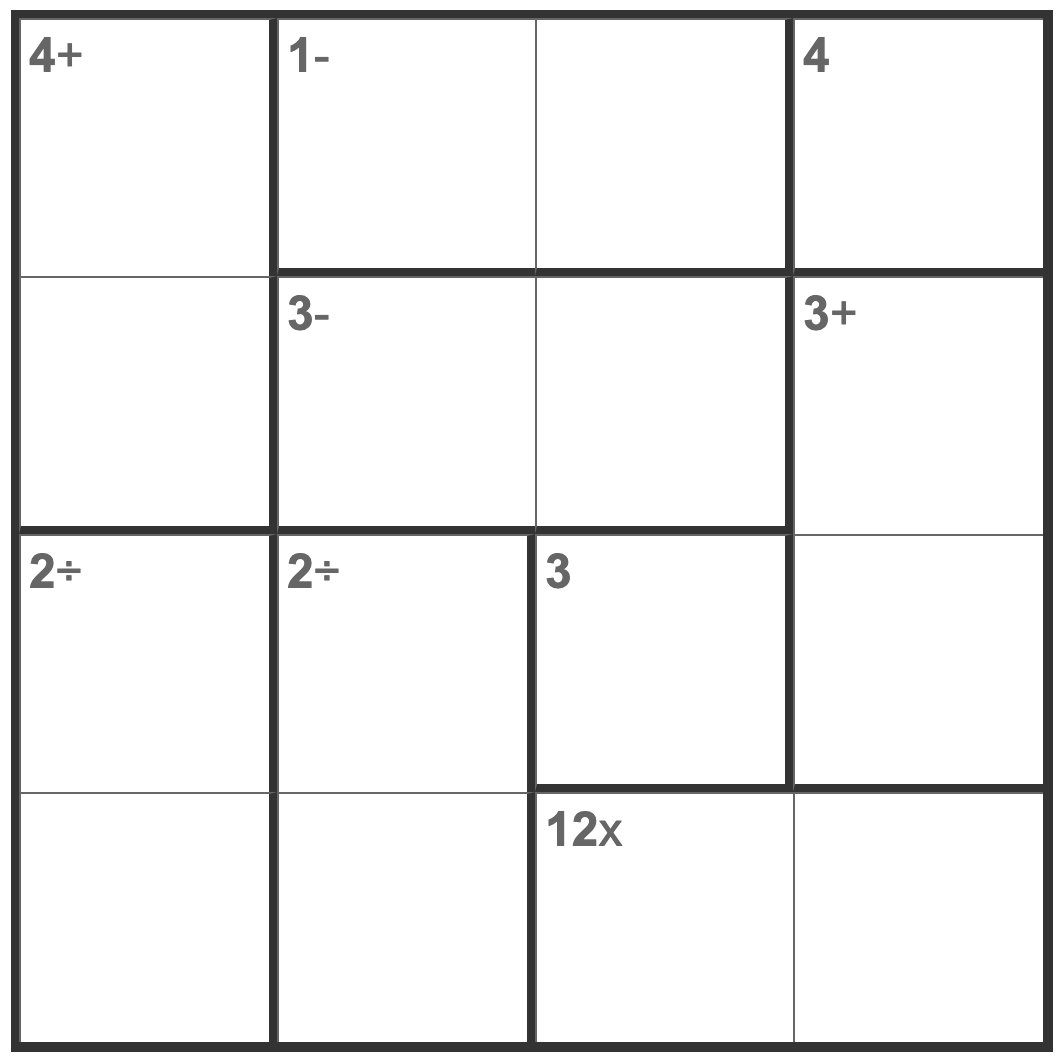
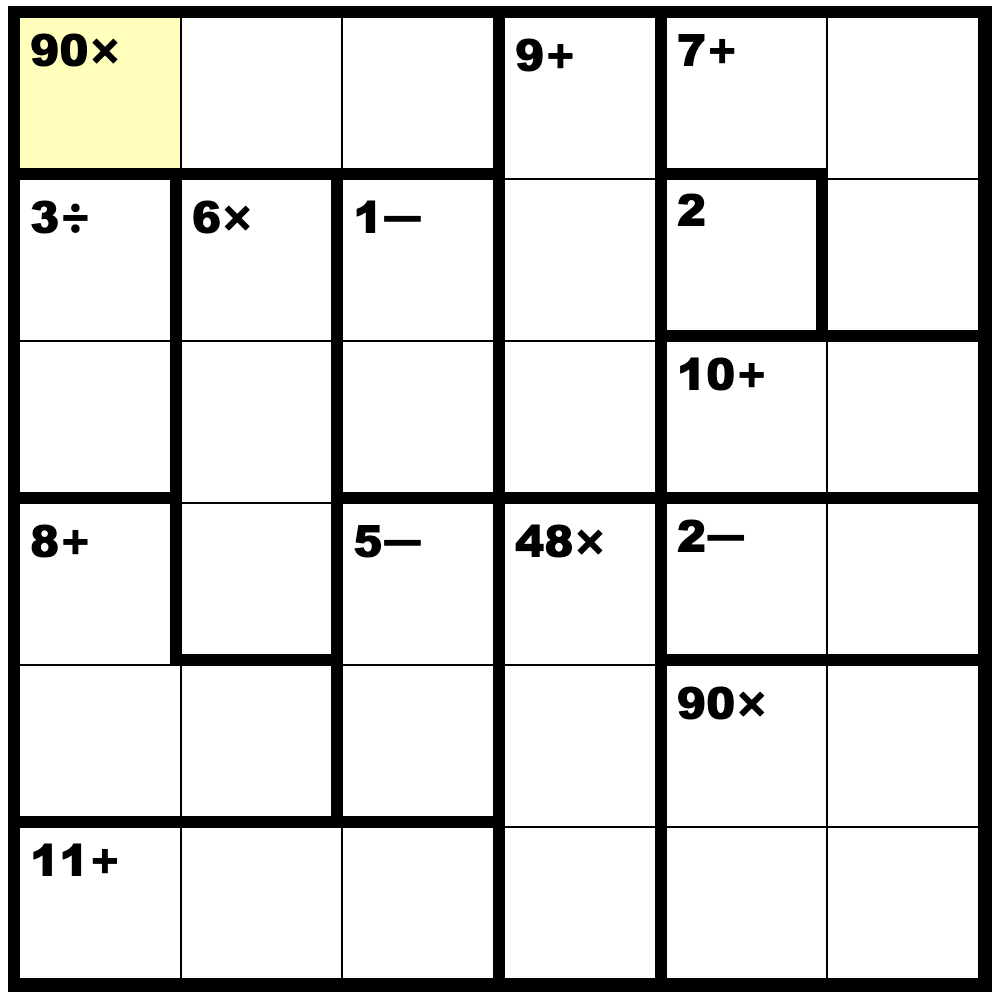
Sudoko is too busy for me, and I get overwhelmed with all the tiny boxes. About 15 years ago, I discovered KenKen puzzles which use the same logic as Sudoko but with a math twist. With practice they get easier. Give KenKen a try... Here is a medium and an easy puzzle
|
|
Rules For Playing KenKen
The numbers you use in a KenKen puzzle depend on the size of the grid you choose. A 3 x 3 grid (3 squares across, 3 squares down) means you use the numbers 1, 2, and 3. In a 4 x 4 grid, use numbers 1 to 4. A 5x5 grid requires you use the numbers 1 to 5, and so on.
The numbers in each heavily outlined set of squares, called cages, must combine (in any order) to produce the target number in the top corner using the mathematic operation indicated (+, -, ×, ÷).
Here's how you play:
- Use each number only once per row, once per column.
- Cages with just one square should be filled in with the target number in the top corner.
- A number can be repeated within a cage as long as it is not in the same row or column.
|
|
|
|
|
|
|