Interested in sponsoring an issue of
The Menopause Minute®?
Or, if you have a desire to write, we'd love to print your article!
|
Interested in starting a Red Hot Mamas
® program in you area?
|
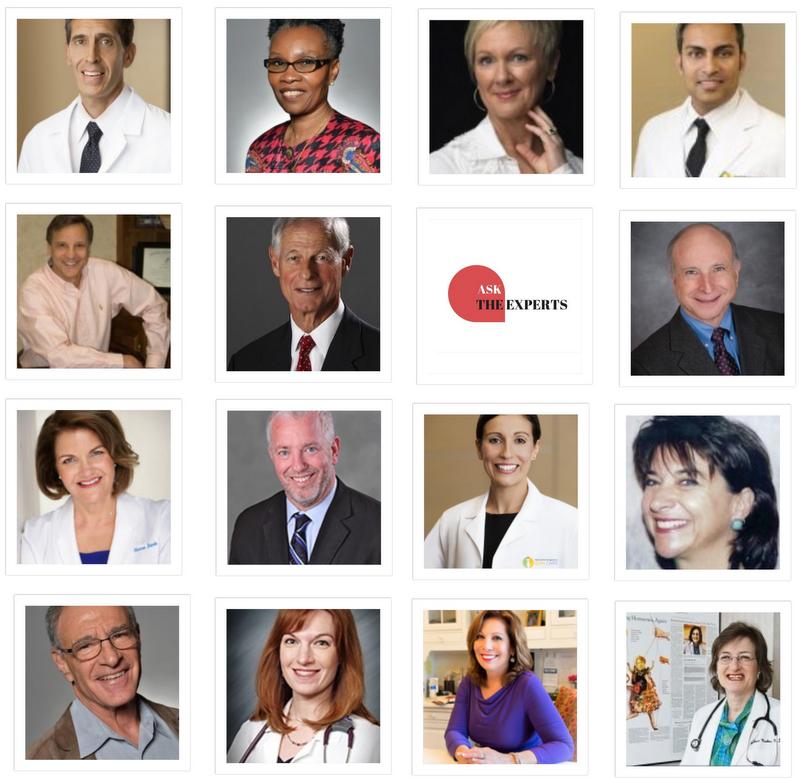
Our experts Dr. Mary Jane Minkin,
Dr. Mache Seibel,
Barb Dehn RN, MS, NP, FAANP,
Dr. Michael Goodman,
Dr. Verna Brooks-McKenzie, Dr. Murray Freedman, Francis Barbieri, Jr. DDS, Dr. MeLanie Modjoros,, Dr. Natalya Danilyants, Dr. Paul Mackoul, Dr.
Barb DePree, Pam Rand RD, LDN, CDOE, RYT, Dr. Rupen Baxi, Dr. Eric I. Mitchnick, MD, FACS
and
Karen Giblin field questions from our members.
Submit your question.
|
|
Dear Red Hot Mamas,
I enjoy reading your newsletter and thank you for providing such great information. I need your advice on how I can avoid getting bladder infections. I most appreciate you helping me with this issue.
Thank you.
Jenna
|
|
Dear Jenna,
First, good hygiene is important. Wiping from front to back after having a bowel movement is helpful. Wash up before having sex and urinate after it to rinse out any germs that many have been introduced into the urinary tract during sex. Also, be sure to drink plenty of water and relieve yourself often. And, certainly steer clear of scented and irritating feminine products (douches, pads, tampons, deodorant sprays). Take showers instead of baths. Wear cotton underwear and avoid tight fitting pants that hold in moisture. Curb your intake of drinking caffeine and soft drinks as they may irritate the urethra. If these self-help measures don't work, see your doctor. Your doctor may recommend a prescribed medication treatment option to fix the problem of frequent bladder infections. It's important to get checked out to pinpoint the problem. Hope this information is of help to you and thank you for writing to Red Hot Mamas.
|
|
 |
|
|
FROM THE EDITOR...KAREN GIBLIN
|
"All the flowers of tomorrow are in the seeds of yesterday"...
- Italian proverb
 Dear Red Hot Mamas,
Happy Mother's Day! We all are aware that it's undoubtedly going to be an altered Mother's Day this year for many of us. There will be no family get-togethers in our homes, or Sunday brunches at restaurants. And, we will be celebrating Mother's Day in possibly very unique ways. The traditions which we celebrated in the past are certainly behind us because of the changes we have had to make to stay safe and healthy during the coronavirus pandemic.
COVID 19 has hit all us hard, and has presented new challenges, as well as new changes which we must make in our daily lives. Holidays, such as Mother's Day may be a challenge but it should not prevent us from spending time together. A lot of us can do this through video calls to one another. Everyone seems to be doing this now - Zoom church services, online business video meetings, exercise programs, and even happy hours spent together. I must admit, I haven't mastered how all of this works, as I am truly not as tech-savvy as I should be. But, it is an option to spending time with our loved ones on Mother's Day. Just remember, that if you are planning a Zoom get-together, be sure the older folks know how it works ahead of time! So, plan ahead.
In conclusion, we have had to readjust how we do our usual things, but this should not discourage us to not share our love. I do hope that you can make this a memorable Mother's Day. Seize the opportunity to be innovative while you shelter in place to celebrate this special occasion.
Happy Mother's Day, however you choose to celebrate it this year!
Stay Safe and Healthy,
Karen Giblin
|
|
Are You Playing Your Part in Prevention of Osteoporosis?
|
Written by Karen Giblin
Founder and President, Red Hot Mamas
|
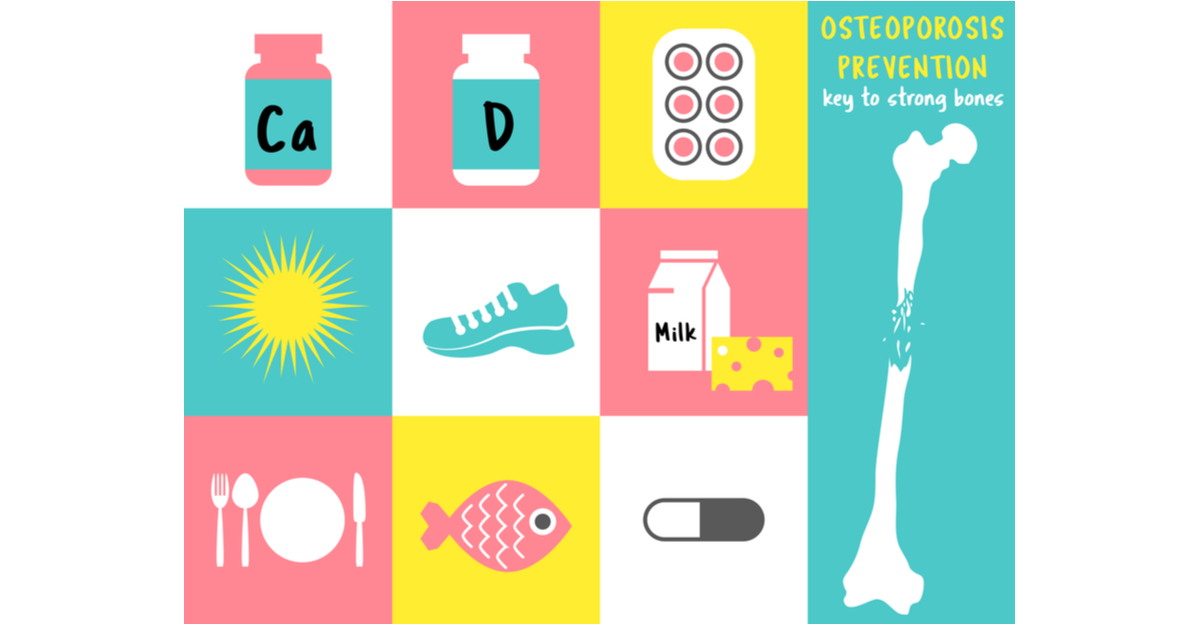
Osteoporosis is a silent and progressive disease which causes your bones to become weak and brittle increasing their risk of fracture. The most common bones that break are in the hip, back, and wrist. Fragile, brittle bones can break even after mild exertions (coughing, lifting items, a minor bump, fall, or even when hugging). Osteoporosis is insidious because you can't see, or feel it. Many people don't know they have osteoporosis until a bone breaks.
As women, we have an increased risk for developing osteoporosis due to our hormonal influences. All women are vulnerable to develop osteoporosis and our vulnerability increases as we get older. Our bones are the sturdiest in our 20's but bone loss usually starts around age 30. And, as we age, our bones become thinner and lighter. Estrogen helps keep our bones strong. When women experience menopause at an average age of 51, their estrogen levels fall and some women experience up to a 20% loss of bone mass in the 5 to 7 years following menopause.
You can take steps to keep your bones strong for a lifetime but you must understand your risks and take preventive measures to maintain healthy bones.
Understanding your risk...Here are several risk factors:
- Age - your risk of osteoporosis increases with age
- Gender - women are 4 times more likely to have osteoporosis than men
- Early menopause - if you have had an early menopause before age 45
- Menopause - estrogen levels drop and women experience a dramatic change in bone
- Family history - of osteoporosis
- Nutrition - if your diet is low in both calcium and vitamin D because these play a role in building and maintaining bone strength
- Physical activity - bone formation occurs in response to physical activity so refrain from a sedentary lifestyle
- Smoking - reduces the production of bone cells (osteoblasts)
- Drinking too much alcohol
- Corticosteroid drugs taken for a long time
- Certain conditions such as celiac disease, hyperthyroidism
- Underweight or have suffered from an eating disorder
Playing your part in prevention...
The best way is to stop osteoporosis before it starts by taking the following steps:
- Measure your height. If you see any decrease in height it may be a sign of osteoporosis
- Weigh yourself. Low body weight is a risk factor for osteoporosis
- Get regular medical checkups
- Provide your doctor with a complete family and personal medical history. Make a list of risk factors. Bring a complete list of all medications you take regularly and include over the counter medications and nutritional supplements
- Have a baseline bone density test
- Ask your doctor what exercise is appropriate for you. Get regular weight-bearing exercise. But be careful about activities that might cause you to fall. Strength training will help build bone and stretching exercises to improve flexibility and balance to reduce falls
- Eat foods that build bone - consume foods that contain calcium and vitamin D. Calcium rich foods include (spinach, kale, soybeans, some fish-like sardines and salmon, and calcium fortified orange juice). Foods that provide vitamin D include (some fatty fish-tuna, mackerel, salmon), cheese, egg yolks, and some dairy products like orange juice)
- Don't overdo it by drinking too much caffeine or alcohol
- Get plenty of sun exposure for vitamin D
- Wear solid type shoes when you go outdoors
- Check your home for fall hazards. Make sure you don't trip on items within your house
- Stop smoking
- Talk to your doctor about available treatments if you are at high risk of osteoporosis or already experiencing bone loss
|
|
How To Deal With The Frustrations Associated With Everyday Sexism
|
Written by Brooke Faulkner
|
Boasting a lucrative career that spans decades, the actor
Keanu Reeves often makes headlines when he walks the red carpet. But in November 2019, he effectively caused a media firestorm - all thanks to the gorgeous woman on his arm at the LAMCA Art + Film Gala. Instead of a 20-something supermodel or influencer, the 55-year-old actor attended the event arm-in-arm with Alexandra Grant, a 46-year-old philanthropist who has silver hair and visible wrinkles.
The fact that the press had somewhat of a field day reporting that Reeves was dating someone in his age bracket is indicative of a much larger issue. Of course, menopausal and post-menopausal women know the trials and tribulations of daily sexism all too well. A 2019 report from PayScale found that, for every dollar earned by men, women bring in $0.79. Further, women are far less likely to hold high-level jobs, but much more likely to experience gender discrimination in the workplace.
The sad truth is that sexism goes well beyond (often significant) gender pay gaps and workplace discrimination. From catcalling and youthful expectations where aesthetics are concerned to discrimination in healthcare settings, small and seemingly harmless instances of everyday sexism are rampant within modern society. The effects of everyday sexism can be detrimental to your overall well being: Pervasive sexism can negatively affect your mental health and even lead to physical health problems.
Thus, from both a health and humanitarian standpoint, it's imperative that older women work to help maintain and normalize equality between men and women. And while it's important to work towards fixing the big issues, you can start small and make a huge impact by speaking up against blatant sexism in your everyday life.
Sexism on the Road
Sexism is fueled in part by stereotypes, and misogynistic individuals love to pigeonhole women. We're often marked as more emotional than men, less talented when it comes to STEM fields, and much more dangerous behind the wheel. Of course, stereotypes aren't always based on any real evidence, and research indicates that women are actually safer drivers than men.
A 2010 New York City traffic study determined that a whopping "80% of all crashes in a five-year period in which pedestrians were seriously injured or killed involved men who were driving." It's hard to argue with such striking data, which indicates that men are much more prone to aggression and overconfidence while driving than women. So the next time you hear a man scoff about "women drivers," perhaps refer them to research proving otherwise.
The common misconceptions surrounding women and driving ability also go hand-in-hand with discrimination when it comes to buying a car while female. Women are more likely to end up being sold a so-called "lemon," or paying more for a vehicle than it's worth. In order to get a fair price on your next vehicle, make sure to do your research, practice effective negotiation tactics, and don't be afraid to speak up if you believe you're being hoodwinked.
Dealing with Sexism in Healthcare Settings
Thanks to gendered and ageist stereotypes, you may expect to deal with sexism when buying a car. This type of discrimination is frustrating and annoying but typically doesn't impact your health. Unfortunately, everyday sexism is also the name of the game for many health professionals, putting your wellbeing at risk.
Gender bias in healthcare settings has been the subject of numerous studies over the years, especially when it comes to chronic pain. As reported in a comprehensive 2018 study by Samulowitz, Eriksson, et al: "In recent years, a variety of examples have been presented in which men and women have been treated differently for the same diseases, medically unmotivated, across a wide range of medical fields including psoriasis, neck pain, heart disease, and polypharmacy." Put simply, women, especially those going through menopause, just aren't taken as seriously when we report symptoms to healthcare providers, especially invisible symptoms.
Further, while women are more likely to experience chronic pain, such as neck pain, we are less likely to receive treatment. And as we age, we may experience pain on a more frequent basis, which can have psychological effects as well as physical. Medical professionals claim that pain impacts your mood on a molecular level, leading to increased irritability, anxiety, and depression. Thus, it's imperative that you not allow gender bias to impact your healthcare needs, and switch providers if you feel that you're not being taken seriously.
Rallying Against Everyday Sexism
It's hard to believe that, in 2020, women are still dealing with sexism in nearly every aspect of our lives, from buying cars to addressing medical issues. For many of us, gender bias even exists in the workplace, where we may be paid less, demeaned with pet names like "honey" or "darling," or considered less intelligent than our male co-workers.
But we don't have to stay quiet about it. In fact, a group of anchorwomen at NY1, New York City's first 24-hour local news television station, filed a discrimination lawsuit in 2019, citing both age and gender discrimination. The brave women range in age from 40 to 61, and they are an apt example of older women taking on leadership and advocacy roles in recent years.
The number of females in Fortune 500 roles are also growing, according to Washington State University. Yet despite upward trends, women remain vastly underrepresented at the executive level, holding only about 5.2% of the nation's top jobs. Clearly, there's still plenty of work to be done in the realm of female inclusivity in today's competitive job market.
No matter if you're a high-level executive or are eyeing retirement, at the end of the day, you're not alone in experiencing everyday sexism. Therein lies the greatest opportunity to promote change when it comes to gender bias: By banding together in social groups of like-minded women who have had enough misogyny for one lifetime, we can both vent our frustrations and work towards the overall elimination of sexism.
Author Bio: Brooke Faulkner is a mother of two and animal lover from Portland, Oregon.
|
|
|