|
Call Capital EAP
to set up an appointment!
518.465.3813
| |  |
| |
🌷 Welcome to the April Edition of the Mentor Newsletter! 🌷
April is a month of growth—when the days get longer, the sun shines a little brighter, and everything begins to bloom. It’s a natural reminder that change can be beautiful and that even small steps can lead to meaningful progress.
Whether you're embracing a fresh routine, spring cleaning your space (or your mindset), or simply soaking up the extra daylight, we’re here to support your journey with helpful tools and resources.
Let’s take a breath, reset with intention, and welcome a season of possibility. Here’s to a grounded, refreshed, and energized April!
🌼 Your friends at Capital EAP
| | |
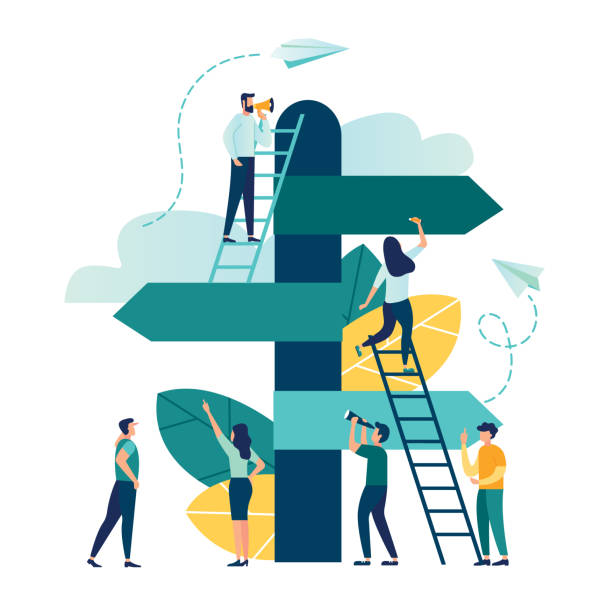
Navigating the Unknown
Grounding Yourself Through Uncertainty
By: Oreoluwa Afolabi, MHC EAP Intern
| | |
So much happens in life and while there are things or events that we can foresee and control, there are lots of things or events that can happen that we have no idea about, and that can be mind boggling. In these moments, we are likely to feel out of control, frustrated, anxiety might kick in, one can be confused and stressed out which could have a negative impact on both our physical and mental health. There are so many steps or activities one can engage in to help manage the feelings that come up during these times, some include:
Focus on what you can control
Instead of spending time dwelling on things you cannot control, identify things that are within your reach and take your time to work on them. This can include breaking down larger tasks into smaller ones to help tackle them, focusing on the things that bring you joy- family, your work, goals, an activity you love doing, just about anything.
Use of positive affirmations
In moments where we feel out of control due to uncertainty, our mind tends to dwell on negative thoughts. Saying words of affirmation helps negate the negative thoughts that are coming up for you. It also helps reinforce one’s belief to be able to overcome challenges which builds resilience and growth.
Use of Vagus nerve exercises
Exercises like singing, humming, and deep breathing help relieve the stress one might be feeling when dealing with uncertainty. Take a step back and be mindful of your breathing and connect with your body sensations; this can also be done during meditation, getting a massage or just sitting still; all to help one feel better in the moment.
Reflect on your past successes
While you cannot foresee what’s to come, you can take time to acknowledge your past wins. Give yourself credit! You have probably been through stressful situations in the past- you overcame it, reflect on what you did during that time to help get you through and think about what you can do differently now.
Engage in self-care
When dealing with things beyond our control, we are likely to forget about ourselves. Don’t let stress take over your whole life, explore ways to help release stress. Get enough sleep, eat healthily and exercise. Be kind to yourself and remind yourself that it might take a while to resolve whatever issue is at hand, be patient with yourself.
Thinking about the future is unavoidable and while that can stir up emotions and feelings for us, having guidelines can help one have a better outlook on things. Incorporating these steps into our daily lives can help manage what comes up for us and how to be able to keep moving forward. If you or someone you know is struggling mentally due to troubles with uncertainty, our counselors at Capital EAP are here to guide you every step of the way. You can reach out to us at 518-465-3813 to connect with our intake team to help you set up an appointment.
| | |
Understanding Implicit Bias
Checking In and Challenging Our Thoughts this Diversity Month
By: Denelle Abel, LMHC, EAP Clinical Supervisor
| | |
As we celebrate Diversity Month, it's essential to reflect on the hidden assumptions that shape our perspectives. Implicit biases—unconscious attitudes or stereotypes—can influence our behavior and decision-making without us realizing it. Recognizing and challenging these biases is not only an act of self-care but a vital step toward creating more inclusive environments in our workplaces and communities.
Implicit bias refers to the automatic and often unintentional associations we make about people based on their race, gender, age, or other characteristics. These biases are formed through exposure to cultural stereotypes and personal experiences, and they can affect our perceptions, judgments, and actions in subtle ways. While we may consciously reject prejudice, implicit biases can still lurk beneath the surface, influencing how we interact with others. Acknowledging that we all possess these biases is a powerful starting point for change.
Self-reflection is crucial in identifying and interrupting implicit biases. During Diversity Month, consider setting aside time for regular self-check-ins. Ask yourself reflective questions like:
- What assumptions am I making about others?
- How do my experiences and background shape my perceptions?
- In what situations have I noticed my judgments might be influenced by bias?
Mindfulness practices can be especially useful here. By becoming more aware of our thoughts and emotions in the moment, we create space to notice biased thinking as it arises. This increased self-awareness not only helps us understand our internal processes but also empowers us to choose a different response. Keeping a journal of your reflections can be a tangible way to track your progress over time.
Once you've identified instances of implicit bias, the next step is to challenge them actively. One effective method is to practice cognitive restructuring, a technique borrowed from cognitive-behavioral therapy (CBT). This involves:
-
Recognizing the Bias: Become aware when a biased thought surfaces.
-
Questioning Its Validity: Ask yourself whether this thought is based on objective evidence or merely a stereotype.
-
Reframing Your Perspective: Replace the biased thought with a more balanced, fact-based view. For instance, if you catch yourself making assumptions about someone's capabilities based on their appearance, remind yourself of their unique strengths and past achievements.
Another useful strategy is to expose yourself to counter-stereotypical examples. Engaging with diverse perspectives—whether through reading, conversations, or community events—can help challenge and reshape the automatic associations your mind has formed. This process is not about forcing yourself to adopt a particular viewpoint; rather, it's about expanding your understanding and appreciating the complexity of individuals beyond surface-level characteristics.
Interrupting implicit biases is an ongoing process. Here are some practical tips to help in day-to-day situations:
-
Pause Before Acting: When you feel a snap judgment forming, take a moment to pause and breathe. This brief pause can help disrupt automatic responses and give you a chance to reassess the situation.
-
Engage in Active Listening: Practice listening fully without judgment. By focusing on what the other person is saying, you create a more authentic connection that transcends pre-existing assumptions.
-
Seek Feedback: Invite trusted colleagues or friends to provide honest feedback about your interactions. They might notice patterns that you have overlooked.
-
Commit to Lifelong Learning: Implicit bias is a complex and evolving topic. Regularly attend workshops, read relevant literature, and participate in discussions that challenge your current viewpoints.
As we honor Diversity Month, let us commit to a journey of self-examination and growth. Implicit biases are not definitive of who we are, but they do offer insight into areas where we can improve. By checking in with ourselves, challenging automatic thoughts, and actively interrupting biased behaviors, we create a more inclusive environment not only for those around us but for ourselves as well.
Embrace this opportunity to learn, evolve, and build connections that celebrate the rich tapestry of our diverse world. If you would like assistance in challenging your implicit bias or like to explore ways to celebrate diversity in your community and workplaces our counselors at Capital EAP are available to help guide you on this journey. You can reach out to us at 518-465-3813 to connect with our intake team, who can help you set up an appointment.
| | |
The Power of Pets:
How Pets Can Improve Your Mental Health & Wellness
By: Meryl Trembley, LMSW, EAP Clinician
| | |
In honor of National Pet Day on April 11th, this article focuses on the many ways pets can positively impact mental health and overall well-being. National Pet Day encourages people to show their pets extra love and attention—and to consider adoption. It’s a time to appreciate the joy pets bring to our lives while also recognizing the importance of animal welfare and the needs of animals still in shelters.
Ways to Celebrate National Pet Day:
- Spend quality time with your pet
- Donate to a local shelter
- Volunteer at an animal welfare organization
- Set up an outdoor shelter for stray cats (kitten season is upon us!)
- Consider adopting or fostering a pet from a shelter
- Use the hashtag #NationalPetDay to raise awareness
- Schedule a vet visit to prioritize your pet’s health
- Update pet ID tags with current contact information
Pets have a profound impact on mental health and wellness, regardless of size or species. They offer companionship and social interaction, showing up non-judgmentally and offering unconditional love—something especially meaningful to those who may feel lonely or isolated. They also encourage social interaction through activities like walks, dog parks, and pet store visits.
Simply being in the presence of pets can be calming. Interacting with them reduces stress hormones like cortisol and increases the release of “feel-good” chemicals. Petting an animal can elicit relaxation and positive emotions. Caring for pets also serves as a distraction from stressors and helps ground us in the present moment.
Fun fact: Research suggests that a cat’s purr—thanks to its low-frequency vibrations—can reduce stress, anxiety, and even blood pressure.
| |
The Physical & Emotional Benefits of Pets
Pets also support physical wellness. They encourage activity through walks, outdoor time, or simply engaging with their routines. Pets of all kinds can be leash- or harness-trained, or taken on outings with strollers or backpacks for safety.
Daily pet care builds structure and predictability—something especially helpful for individuals managing mental health challenges. Providing for a pet also promotes a sense of responsibility and purpose, increasing compassion for both animals and oneself.
For children, pets can teach empathy, kindness, and the ability to read social cues and body language. They offer a natural way to develop emotional intelligence and interpersonal skills.
| |
Thinking of Adopting or Fostering?
If you or someone you know is considering bringing a pet into your life, there are many paths to find a perfect fit. Some organizations specialize by animal type, breed, or offer foster-to-adopt options. Adoption can be more affordable and helps reduce reliance on puppy mills and irresponsible breeders.
According to the ASPCA, about 6.3 million companion animals enter shelters each year in the U.S.—3.1 million dogs and 3.2 million cats. Local rescue organizations include:
- Mohawk Hudson Humane Society
- Animal Protective Foundation
- Whiskers Animal Benevolent League
| | |
If you’re looking to improve your well-being through the companionship of a pet,
or if you're struggling with isolation, Capital EAP counselors are here to help.
Call us at 518-465-3813 to speak with our intake team and schedule an appointment.
| | |
Libraries as Wellness Resources:
Supporting Your Mental Health and More
By: Terry McMaster, LMSW, EAP Clinician
| | |
This article will explore the value of libraries to the public in terms of helping our readers identify and access materials to improve mental health. But first—some history.
The earliest known libraries were collections of documents written on clay tablets, written in the earliest form of script called “cuneiform.” These early libraries developed in what is now Syria. Libraries also developed in the state of Sumer—an ancient region that is now southern Iraq. These were both within the “Fertile Cresent,” from Mesopotamia to the Nile. But the earliest libraries were private and not open to the public.
Early public libraries are known to have existed throughout the ancient world—in Rome, in Athens, and in the Middle East. The earliest library of clay tablets dates back to about 2600 BCE. It is reported that writing was invented a little before 3000 BCE (BCE means “before the common era”). The earliest inscribed clay tablets were of commercial transactions and inventories; they were not items for public distribution or works of literature.
The Evolution of Writing Materials
Developments were made in the materials that could be written upon and preserved. During a long period of change papyrus was used, and over the centuries manuscripts made use of materials such as vellum, calf skin, and leather. The first paper-like material was made from papyrus in Egypt in the third millennium—2560 to 2550 BCE.
The production of paper is known to have first occurred in China, and the earliest archaeological evidence of paper is from Gansu Province dating to about 179 BCE. Prior to the invention of paper, the Chinese were writing on bone and bamboo. Paper is made primarily from wood pulp, which is prepared in such a way as to create a smooth writing surface, and, of course, it took centuries to improve this process.
| | |
Modern Libraries and Everyday Access
Nowadays paper is cheap and available everywhere. We take it for granted. And we take public libraries for granted as well, because Americans have fairly easy access to both public and, with permission, private libraries. In most libraries that we have access to today, people can find pretty much any information they want, whether general or mental health-related information.
A Personal Connection
I know quite a bit about libraries because I have spent so much time in them over the years. My interest in reading didn’t actually take off until I was in 9th grade, when we started reading books and plays in English class that were of interest to me. Before that year, I thought the range of material we had to read in school was the most boring stuff on Earth. I not only learned to love reading and libraries, my first career was as a professional reference librarian, having gotten a Master’s in Library and Information Studies at Syracuse University.
Libraries and Mental Health Support
Libraries have a wealth of information and resources in the realm of mental health. Just about anything you want to find you can find, whether in books, magazines, journals, brochures and in online resources. Most librarians are not specialists in helping people find mental health resources, but most of them will be able to point you in the right direction.
Whether you are searching for information on anxiety, depression, ADHD, or some type of general or serious mental illness, most public libraries will either have materials for you to look at, or they can order through inter-librarian loan the materials you want. And, of course, a lot of what our readers may be looking for can be found online and printed off for you, sometimes for free and sometimes for a nominal fee, which is to offset the cost of paper. Plus there are digital printed resources and audio books and videos that you can access from your home—you don’t even need to visit your local library.
Go Beyond the Public Library
Don’t stop at public libraries. There are numerous academic libraries in the Capital District. College and university libraries will generally have more specific and technical materials and resources than do public libraries. And the rule of thumb is that academic libraries can be used by people in the community; they are not restricted to being used only by members of the academic community.
| | April Celebrations and Highlights! | | |
Stress Awareness Month
Stress is a part of life—but unmanaged stress can impact our mood, relationships, sleep, and even our physical health. This month is a chance to pause, check in with yourself, and practice healthy ways to cope.
Try this: Take five minutes to do a breathing exercise, go for a short walk, or try a guided meditation from our resource library.
Think about this: What’s one source of stress you can manage differently this month—with boundaries, support, or a mindset shift?
| | | | | |
Counseling Awareness Month
Counseling isn’t just for crisis—it's a space to grow, reflect, and reset. This month honors mental health professionals and reminds us that seeking support is a strength, not a weakness.
Try this: Schedule a check-in with a Capital EAP counselor—no issue is too big or too small. Preventative care is powerful.
Think about this: What area of your life could benefit from extra support, encouragement, or perspective?
| | |
Alcohol Awareness Month
Alcohol misuse can silently impact physical and mental health, relationships, and productivity. Awareness starts with honest reflection and informed choices.
Try this: Take a break from alcohol for a few days—or the whole month—and notice how your body and mood respond.
Think about this: How does your relationship with alcohol support or hinder your goals, energy, and well-being?
| |
| |
Earth Day – April 22
Caring for the planet supports both environmental and personal well-being. Earth Day is a reminder that small, intentional actions matter—and that reconnecting with nature benefits our mental health, too.
Try this: Take your next break outside, plant something green, or join a local cleanup event in your neighborhood.
Think about this: How does spending time in nature—or protecting it—make you feel more grounded or connected?
| | |
Autism Acceptance Month
Autism is a natural part of the human experience—and acceptance means creating space for everyone to thrive. This month encourages us to move beyond awareness and embrace inclusion, understanding, and neurodiversity.
Try this: Listen to the voices of autistic individuals through books, blogs, or social media. Support autistic-owned businesses or advocacy organizations.
Think about this: What assumptions do you hold about neurodiversity? How can you be more supportive of different ways of thinking, communicating, or experiencing the world?
| | | | |
Administrative Professionals Day – April 23
Behind every well-run workplace is a team of administrative professionals keeping things organized, supported, and moving forward. This day is a chance to recognize their essential contributions.
Try this: Thank the administrative professionals you work with—whether it’s a handwritten note, a small treat, or a heartfelt email.
Think about this: How would your daily work change without their behind-the-scenes care? Appreciation goes a long way.
| | This April, take time to reflect, take action, and celebrate the moments that bring us together! | | |
✨Benefit Spotlight✨
Financial Advisement
Less Stress. More Control. A Brighter Financial Future.
| | |
Whether you're navigating student loans, saving for a big life goal, or simply trying to feel less overwhelmed about money—you're not alone. And you don't have to figure it all out by yourself.
As a Capital EAP member, you have exclusive access to personalized financial guidance to help you take control of your money—without pressure or judgment.
🌟 What You Get:
-
A FREE consultation with a licensed financial advisor
-
A 15% discount on their hourly rate if you continue services
Think of it as your personal guide for:
✔ Budgeting smarter
✔ Paying down debt
✔ Planning for retirement
✔ Building savings or credit
✔ Feeling more confident with your money
Take one small step today—it could make a big difference tomorrow.
📞 Call Capital EAP at 518-465-3813 to get connected.
| | Support & Community Resources - April Edition | | This season is all about growth—and that includes reaching out, getting support, or learning something new. Whether you're looking to strengthen your well-being or connect with local services, here are a few trusted Capital Region resources to explore this April. | | |
If you’re feeling overwhelmed, this nonjudgmental space is open 24/7 to help you de-stress and find your next step.
The Living Room at IPH
Location: Albany, NY
Focus: Crisis support and peer counseling in a calm, welcoming setting
Website: www.iphny.org
April is Sexual Assault Awareness Month. You are not alone—confidential help is always available.
Albany County Crime Victim
and Sexual Violence Center
Location: Albany, NY
Focus: Free support for survivors of sexual assault, harassment, and trauma
Website: www.albanycounty.com/cvsvc
Looking for a safe, affirming space? This trusted local resource is here for support and connection.
Pride Center of the Capital Region
Location: Albany, NY
Focus: LGBTQ+ support, mental health referrals, and inclusive community programming
Website: www.capitalpridecenter.org
The bikes are back! Ride into spring, get active, and explore your city the fun (and healthy) way.
CDPHP Cycle!
Location: Albany, Schenectady, Troy, Saratoga
Focus: Affordable bike share program for commuting or recreation
Website: www.cdphpcycle.org
| | |
Eat well and grow local! Get involved with gardening, farmers markets, and cooking workshops.
Capital Roots – Urban Grow Center
Location: Troy, NY
Focus: Fresh food access, community gardens, and wellness programming
Website: www.capitalroots.org
From composting tips to healthy recipes, CCE has tools to help you thrive this spring.
Cornell Cooperative Extension – Capital Region
Location: Albany County and beyond
Focus: Nutrition, gardening, sustainability, youth programs
Website: albany.cce.cornell.edu
If you or someone you know is in need of housing support this spring, Joseph’s House offers care without judgment.
Joseph’s House & Shelter
Location: Troy, NY
Focus: Emergency shelter, housing assistance, outreach services
Website: www.josephshousetroy.org
| | |
💬 Need help finding the right resource?
Our Success Coaching program can help you navigate local services and support — from food assistance and housing resources to finding a summer camp for your kids or learning how to grow your own produce. This one-on-one support is included with your EAP benefits and tailored to your needs.
📞 Reach out to Capital EAP at 518-465-3813 to connect with a Success Coach today.
| | Your Local Community Events Board | | Capital Region April Events! | | |
Osi Audu: The Self in African Art Exhibition
April 1–19
Opalka Gallary, Albany, NY
Explore contemporary African art through the works of Osi Audu, focusing on themes of identity and self. More Info
NAMI Ending the Silence:
A Mental Health Presentation for School Staff
April 4 @ 4:30PM
Online, Available for Schools in the Capital Region NAMI Capital Region NY offers "Ending the Silence," a free, evidence-based presentation designed for middle and high school students, school staff, and parents or guardians. This program aims to raise awareness and provide education about mental health conditions, emphasizing early intervention and the importance of seeking help. More Info
Autism Expo 2025
April 6 @ 12 - 3PM
Saratoga Springs City Center, NY
Join Saratoga Bridges for their annual Autism Awareness Fair, featuring resources, activities, and support for individuals with autism and their families. More Info
Crafters Supplies Give and Take
April 12 & April 13
475 Moe Road, Clifton Park, NY
Bring your extra craft supplies and pick up something new! A free exchange event open to all local crafters. More Info
| | |
Flower Power! at the Albany Public Library
April 15 @ 3:00 PM
Albany Public Library, Albany, NY
Engage in a free, family-friendly event celebrating spring with crafts and activities centered around flowers. More Info
Earth Day Celebration
April 20 @ 11:00 AM
Schenectady Central Park, Schenectady, NY
Join local organizations for eco-friendly activities, crafts for kids, and info booths focused on sustainability and nature. More Info
The Power of Homestead - New York State Museum
April 20 @ 1:00 PM
New York State Museum, Albany, NY
Learn about the historical significance of homesteading in New York State during this educational program. More Info
Troy Night Out
April 25 @ 5:00 PM – 9:00 PM
Downtown Troy, NY
Explore Troy's vibrant arts scene with gallery openings, music performances, and special events during this monthly celebration. More Info
| | Upcoming Free Behavioral Workshops | | |
All workshops held through the Behavioral Workshop are free for Capital EAP Members.
**All Workshop Webinars are recorded, and registrants will be sent a link to the recording post-webinar that will be available for 24 hrs post presentation**
(If you have any questions, please reach out to our EAP Account Manager, LLaRock@CapitalCounseling.org)
| |
| How did you like this email? | | | |
Solutions for Work & Life
518.465.3813
Mental Health | Work-Life Balance | Family Support | Education
| | | | |