Call Capital EAP at
518.465.3813
to set up an appointment!
|
|
MEMBER SERVICES
Log-in Required
|
|
|
Signs and Symptoms of an Eating Disorder
By: Sonya Ervin & Phil Rainer, LCSW
|
|
According to the National Eating Disorder Association, eating disorders affect about 20 million women and 10 million men in the United States. Research has showed that body image, poor self-esteem, dieting fads and fat shaming all contribute to the development of eating disorders not just in young girls but both men and women of all ages and social classes. National Eating Disorder Awareness Week is a National campaign that takes place every year in order to raise awareness about eating disorders and provide resources for those who are curious about the disorders or who are interested in seeking treatment. Cited from the National Eating Disorder Website: “Our 2019 theme,
Come as You Are
, highlights NEDA’s movement towards inclusivity in the greater eating disorder community and our goal of unifying the field of eating disorders. In particular,
Come As You Are
sends a message to individuals at all stages of body acceptance and eating disorders recovery that their stories are valid. We invite everyone, especially those whose stories have not been widely recognized, to have the opportunity to speak out, share their experiences, and connect with others.
We aim to start conversations with a variety of communities that struggle at comparable rates to those traditionally thought of as struggling with eating disorders. We hope to offer them an opportunity to share their stories, see themselves in others’ stories, and recognize that their experiences are valid and welcome, no matter where they are in relationship to food or their bodies.”
|
|
There are several different types of eating disorders including, Anorexia Nervosa, Bulimia Nervosa, and Binge Eating disorder, etc. Although each is unique and characterized by different symptoms, they are all associated with extreme emotions, beliefs, and behaviors related to weight and food.
Anorexia Nervosa:
Approximately 90-95% of individuals with Anorexia Nervosa are female, and it is one of the most common mental health diagnoses in young women. Most individuals with this illness fail to recognize the seriousness of the illness. Health consequences include dehydration, muscle loss, overall weakness, abnormally low heart rate and blood pressure resulting in increased risk of heart failure, eventual loss of bone density, and possible kidney damage. Anorexia Nervosa can be life threatening.
The signs and symptoms include:
- Self-esteem issues related to body image
- Inadequate food intake and an extreme low body weight
- Extreme fear or anxiety of weight gain or becoming “fat”
- An obsession with weight, food, calories, and/or dieting
- Denial of hunger or consistent excuses to avoid meal times or situations involving food
- Purging (vomiting or laxative use) to further avoid weight loss may be accompanied with Anorexia.
|
|
Meet our new EAP Counselor, Marion White!
|
|
Marion received her Bachelor’s degree from University at Albany in Psychology with a double minor in Education and Sociology. She received her Master’s degree from University at Albany in Mental Health Counseling. While in school, she participated in a research lab for several years focusing on multiculturalism and the effect of racism on mental health and wellness. Marion has experience working with individuals with Traumatic Brain Injury, Grief and Loss, Anxiety Disorders, Mood Disorders, Generalized Stress, Interpersonal Relationships, Personality Disorders, Autism Spectrum Disorders and Neurological Disorders. Marion specializes in Cognitive-Behavioral therapy, Adjustment and Rehabilitation Counseling, and Solution-Focused Therapy. Marion is a firm believer in a client’s independent role in their own treatment, and encourages clients to actively use various tools and strategies to live a more fulfilling life.
|
|
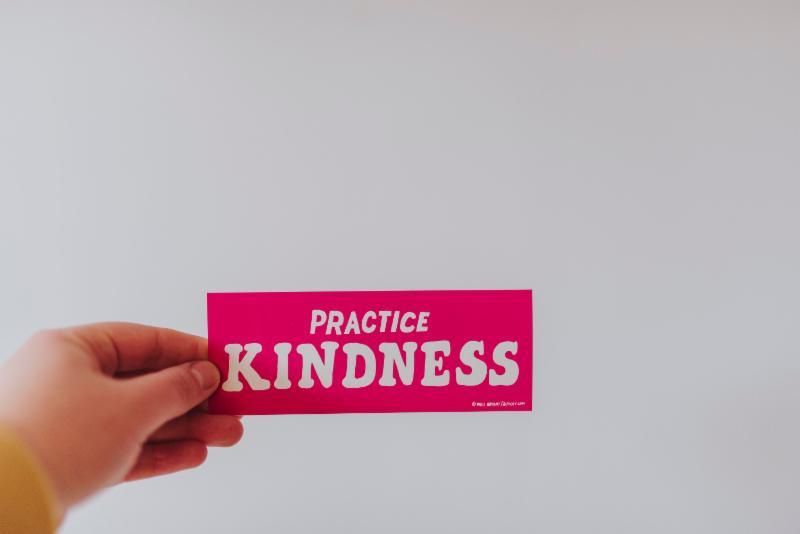
Random Acts of Kindness
By: Marion White, MS-LP
|
|
We’ve all heard such phrases as “paying it forward” and “do unto others”, but it turns out there’s actually a substantial amount of scientific backing behind the principle of doing good for others. We all know that
doing
good
feels
good, but there are also a multitude of other benefits that profit not only others, but ourselves as well.
According to research, being kind to others has a whole slew of benefits; kindness can
increase
:
A 2010 Harvard Business School survey of happiness in 136 countries found that people who are altruistic—in this case, people who were generous financially, such as with charitable donations—were happiest overall.
|
|
Home Energy Assistance Program (HEAP)
|
|
Winter is here and with it comes the promise of frigid winds that can
draft into your home, as well as snow and ice that can cause damage to a number of home utilities. For some, the cost alone for heating a home can be crippling. Keeping yourself or your loved ones warm during the long blustery months need not be a source of stress.
The
Home Energy Assistance Program
(HEAP) can help those that qualify for benefits with issues such as:
- Lack of heating fuel
- Utility Service shut off
- Repair or replacement of heating equipment
- Heat related emergencies
HEAP
is available to those who:
- Meet the required HEAP household income guidelines
- Receive SNAP benefits, Temporary Assistance, or SSI
- Have someone living with them under age 6, age 60 or older or permanently disabled.
|
|
Check out your Nutrition Benefit!
|
Your
Capital EAP benefit includes, an
in-person nutritional consultation with a Board Certified RD/N. You also receive
unlimited phone-based 15 minute consultations.
Your nutrition benefit includes:
- Assistance with chronic medical conditions
- Weight loss or moderation
- Individually customized health and fitness goals
- Navigating food allergies, dietary sensitivities and intolerance
- Understanding food labels
- Information on dietary supplements
- Help with motivation to stay on your healthy eating plan
Call Capital EAP at
518.465.3813
to schedule your appointment with our nutritionist today!
|
|
|
|
Stay mindful of your calorie intake. Tracking your food keeps you accountable, and studies show that those who keep journals or track calories through an app are more successful at weight loss than those who don’t.
|
|
2/6
- Increasing Utilization w/ Amanda Keller
2/27
- Work Life Balance w/ Amanda Keller
3/6
- Strategies for Better Self-Care w/ Phil Rainer
3/19
- No More Stinkin' Thinkin' w/ Marion White
All Webinars take place at
2PM
.
|
|
|
Solutions for Work & Life
Mental Health | Work-Life Balance | Family Support | Education
|
|
|
|
|
|
|