NEWTON NEWS

December 11, 2025

Upcoming Events


Wednesday, December 17

Community Public Comment Session with the VT Senate Education Committee

White River Valley High School

2:30 - 4:30PM


December 22 - January 2

No School

Holiday Break


Tuesday, January 6

School Board Meeting

5:30PM


Tuesday, January 13

PTA Meeting

7:00PM


Friday, December 16

Early Dismissal

12:00PM


Monday, January 19

No School

Martin Luther King Jr. Day


Classroom News


Kindergarten

Ms. Teachout


Hooray for snow! 


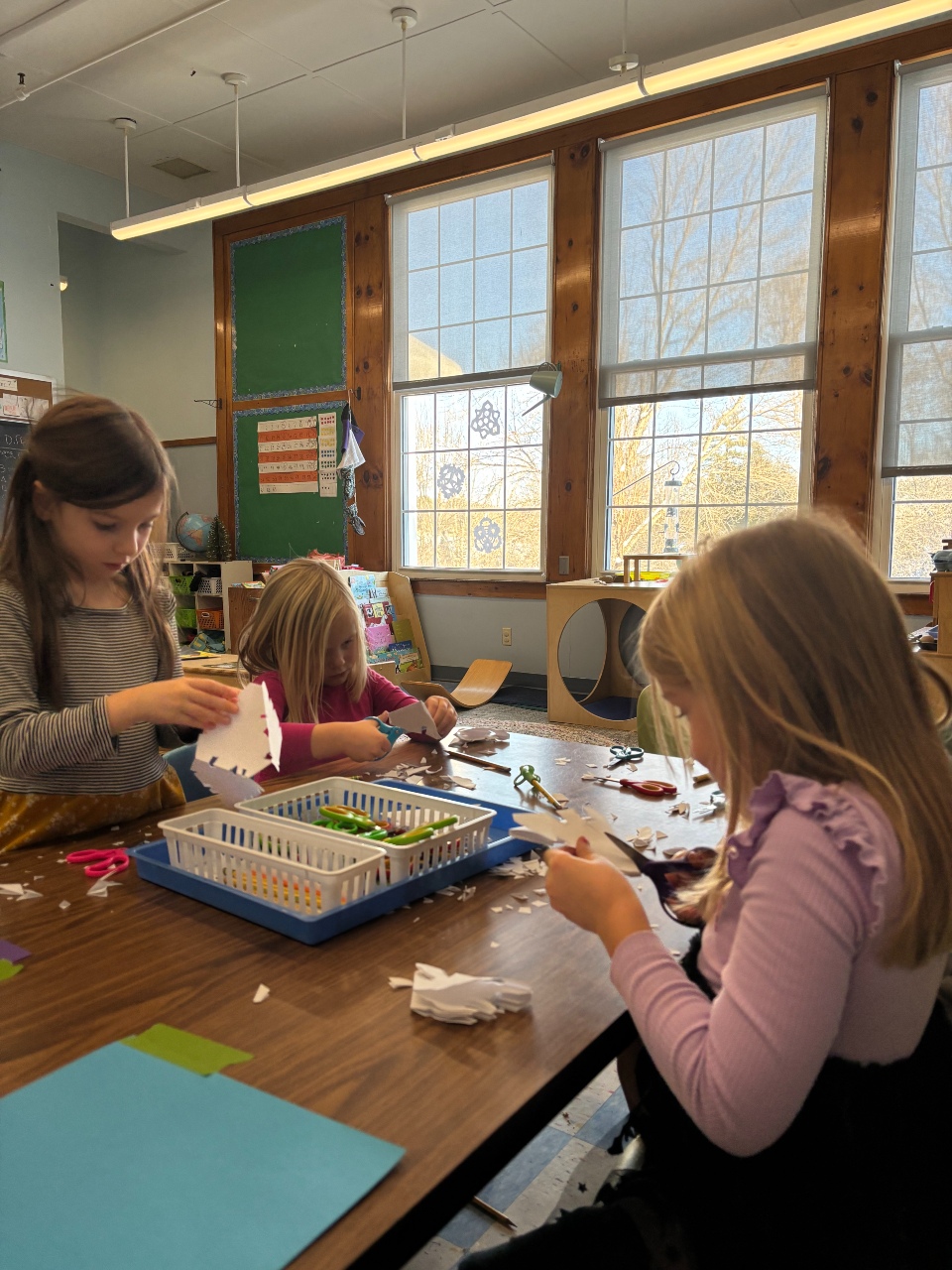
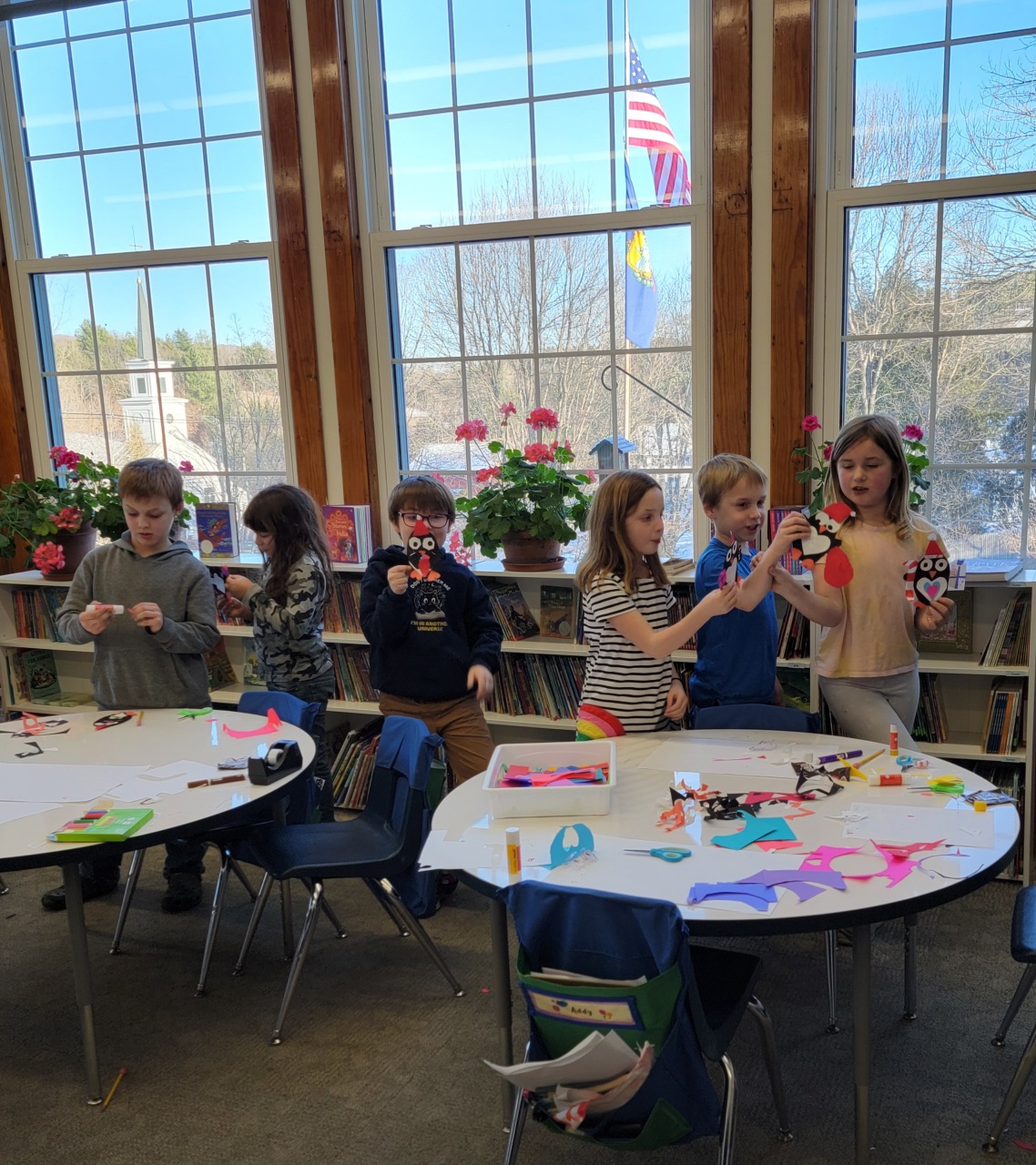
We are still working on our weather “module” for our EL curriculum. There are 4 “modules” per year. Each one uses a science or social studies theme to create opportunities for reading complex texts (fiction and non-fiction) and to practice drawing, writing about and discussing themes. Snow gave us a chance to connect it all with a twist of magic and awe. Last week’s forest day came right after a snow day on Tuesday - the flakes were spectacular! We could see all six arms. The following day we read Snowflake Bently by Jacqueline Briggs Martin (Illustrated by Vermont’s own Mary Azarian!). We unfolded an uncut paper snowflake to discover that a triangle turns into a trapezoid which turns into a hexagon and then folded it all back up to cut paper snowflakes for our window and classroom door.


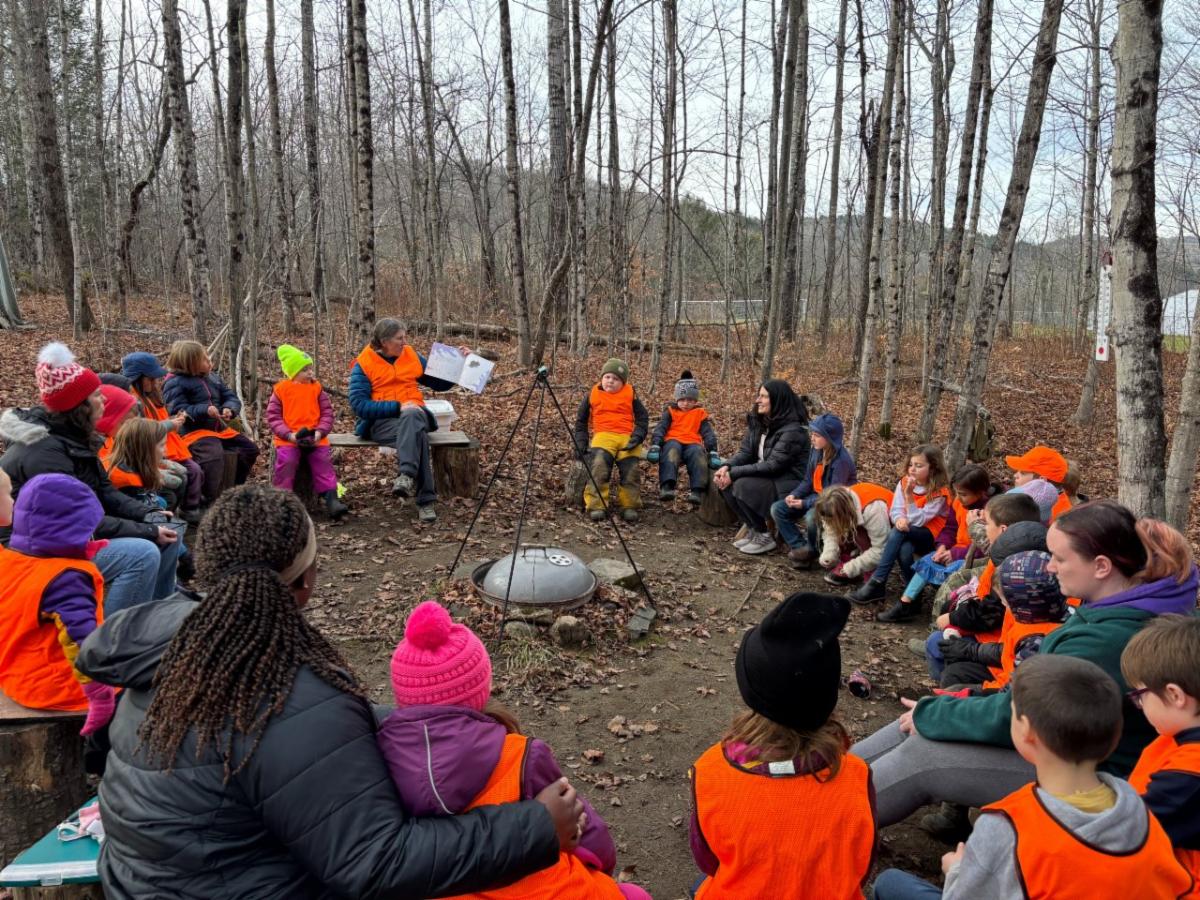
Here is a picture of kindergarteners cutting snowflakes as well as k-2 sharing a story in the forest prior to Thanksgiving.


Second Grade

Ms. Panella


In second grade we’ve been reading different versions of Cinderella from around the world together and discussing the different aspects of the stories. Each student then chose two of the versions and wrote a comparison hand paragraph on the similarities between them. Next they’ll be contrasting the same two stories with a paragraph on the differences.


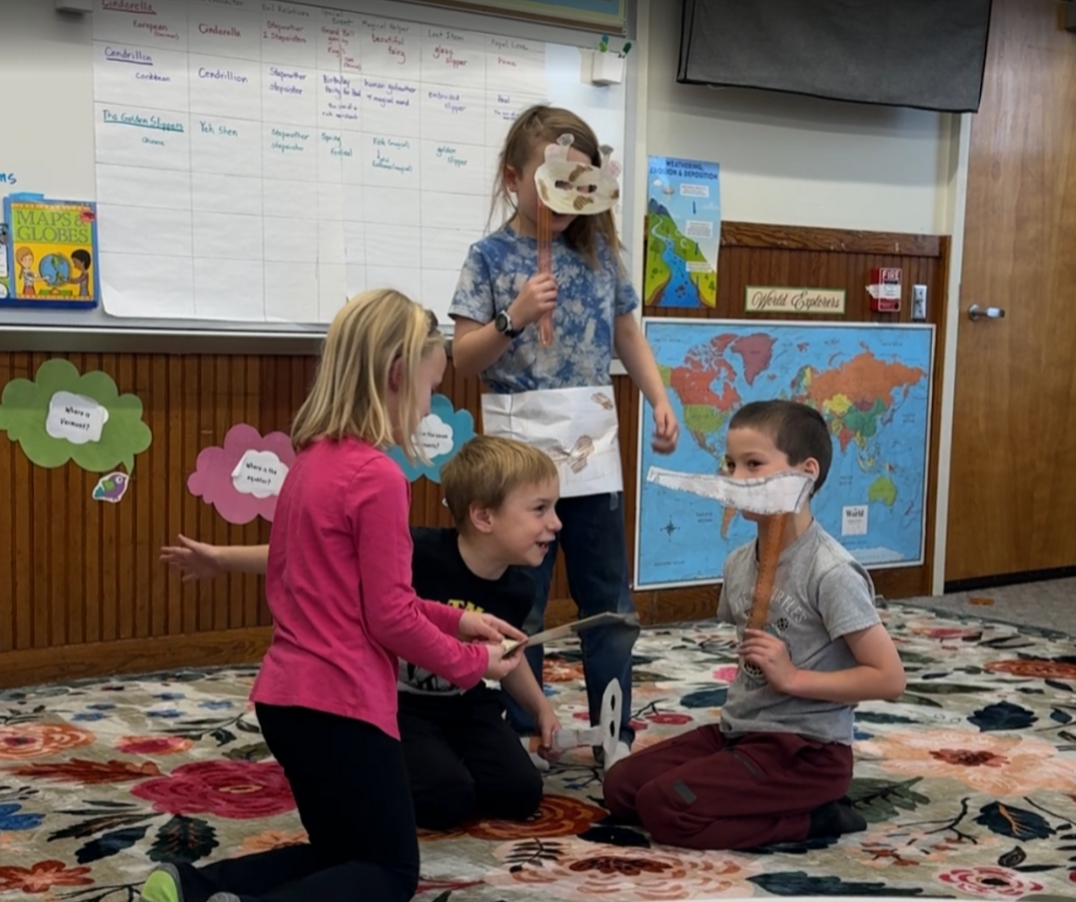
In reading groups, half the class read the Japanese folktale, The Grateful Crane, and half read the African folktale, The Motata Tree, answering questions from the text. Afterwards, they had a great time performing them for the kindergarten and first grade classes, complete with homemade costumes and props.  


Finally, in conjunction with our new Number Corner unit on geometric shapes and lines of symmetry, we have been learning origami, including cups, boxes, and samurai helmets!


Middle School Social Studies

Mr. Breen


Fifth and 6th grades just finished their projects in which they designed a country as part of our "What is a State?" lesson. We're moving now into forms of government and the origins of democracy in Ancient Greece, which will include reading Pericles' Funeral Oration. Students are continuing to build their vocabulary for an upcoming vocabulary quiz, and lessons continue to be available to check on Google Classroom. 


Seventh and 8th grades are now moving into the Bronze Age, beginning with a look at early medicine through the Ebers Papyrus, a document containing an Egyptian diagnosis and treatment for diabetes, the first of its kind. We'l be working with a translation that includes the original hieroglyphs, so students can see how this translation process works and the complications therein. After that, we'll be looking at Mesopotamia, stopping to read some of Hammurabi's Code. Later in the year students will write a research paper comparing particular parts of society in different early civilizations (EX: medicine in Bronze Age China vs. medicine in Mesopotamia). Before that, we'll be looking at the ethics of museum collections, focusing a bit on the Elgin Marbles, Rosetta Stone, and other artifacts that have been obtained by European museums. This will become an argumentative paper. 


Middle School Science

Ms. Hardy


After doing several labs to study potential and kinetic energy, students in grades five and six are now building paper roller coasters. Seventh and eighth graders completed the chemistry unit and are now studying biology with a focus on cells. All classes are now having regular assessments and working on study skills. Tests are a part of school and life. Here are some tips.

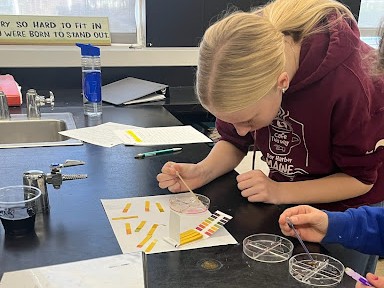
Seventh and eighth graders measure the pH of common substances.

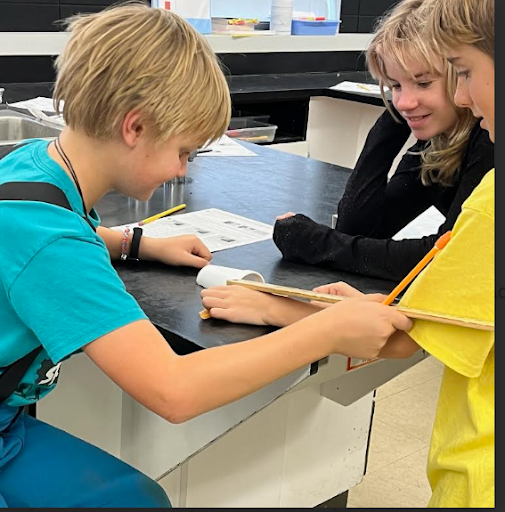
Fifth graders experiment with elastic Potential energy.


Spanish

Profe Katie


¡Feliz diciembre! 


Kindergarteners are in the midst of our "números" (numbers) unit, where we are not just practicing the names for numbers in Spanish, but also being able to ask about and describe how many "¿Cuántos?" there are of something. We are doing interactive conversation activities, games, and songs. Ask your child: "¿Cuántos hay?" and see if they can tell you how many of something there are in Spanish.


In October and November, students in grades 1-3 did some lessons about fall, monarch butterflies, and describing animals based on color, what they eat, and where they live. We are now practicing using full sentences to describe los animales del zoológico (animals at the zoo). Students will be completing their own project where they choose an animal and describe it using full sentences in Spanish on a poster. They are doing such an amazing job!


Fourth grade students are starting a sneak-peak of MS 5th grade Spanish, doing some

lessons with more literacy involved. We have been practicing the phrases: "este es" (this is), "se llama" (calls themself), "dice" (says), "¿Cómo te llamas?" (How do you call yourself?), and "me llamo" (I call myself). We are writing original class stories, playing games, and interpreting whole passages in Spanish. 


In middle school, all students finished up assessments for Trimester 1 before break, and did such an amazing job showing what they know and pushing through the challenge.


Spanish 1a (5th and 6th graders) did listening, reading, and writing assessments in the form of narratives, particularly focusing on the words "ve" (sees), "camina" (walks), and "corre" (runs), along with "dice" (says) and "se llama" (calls themselves). Check in with your child about how the assessments felt to them!


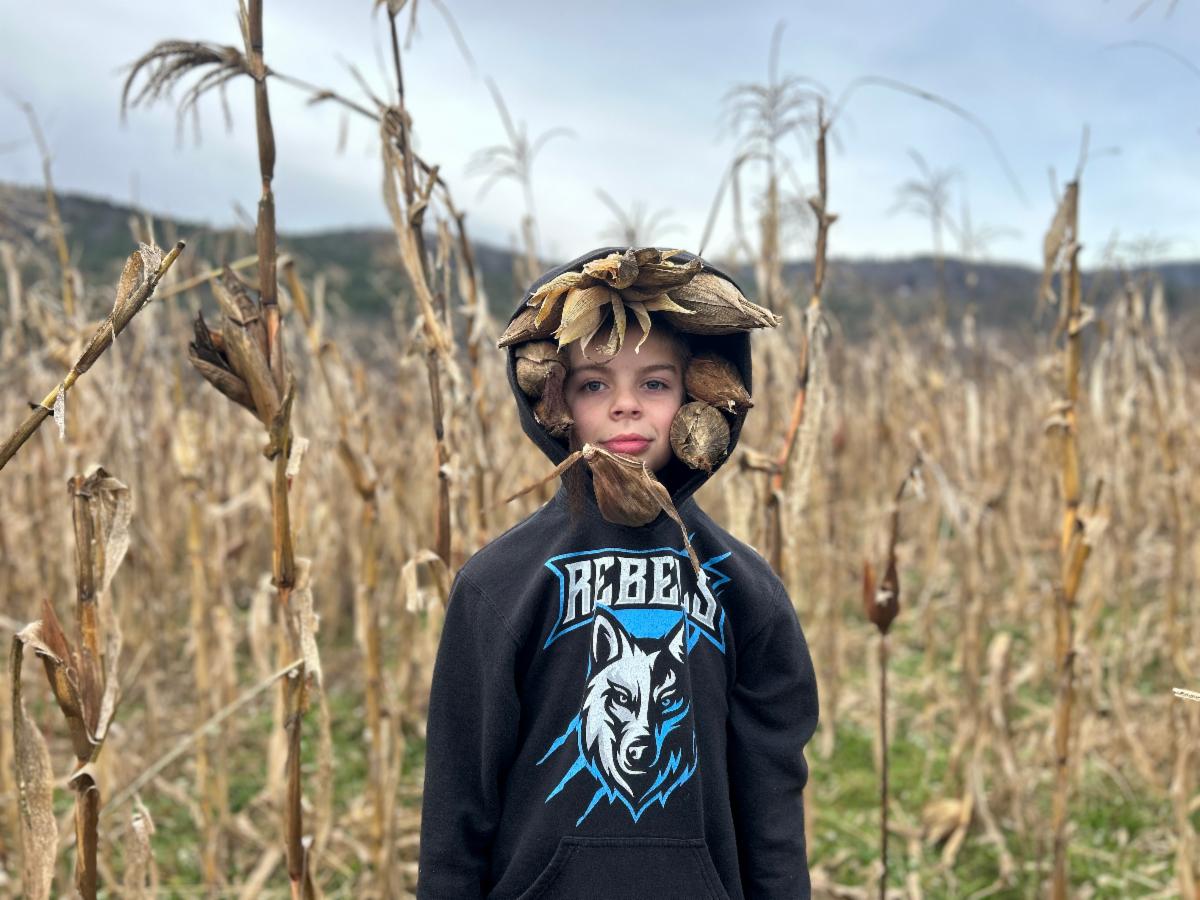
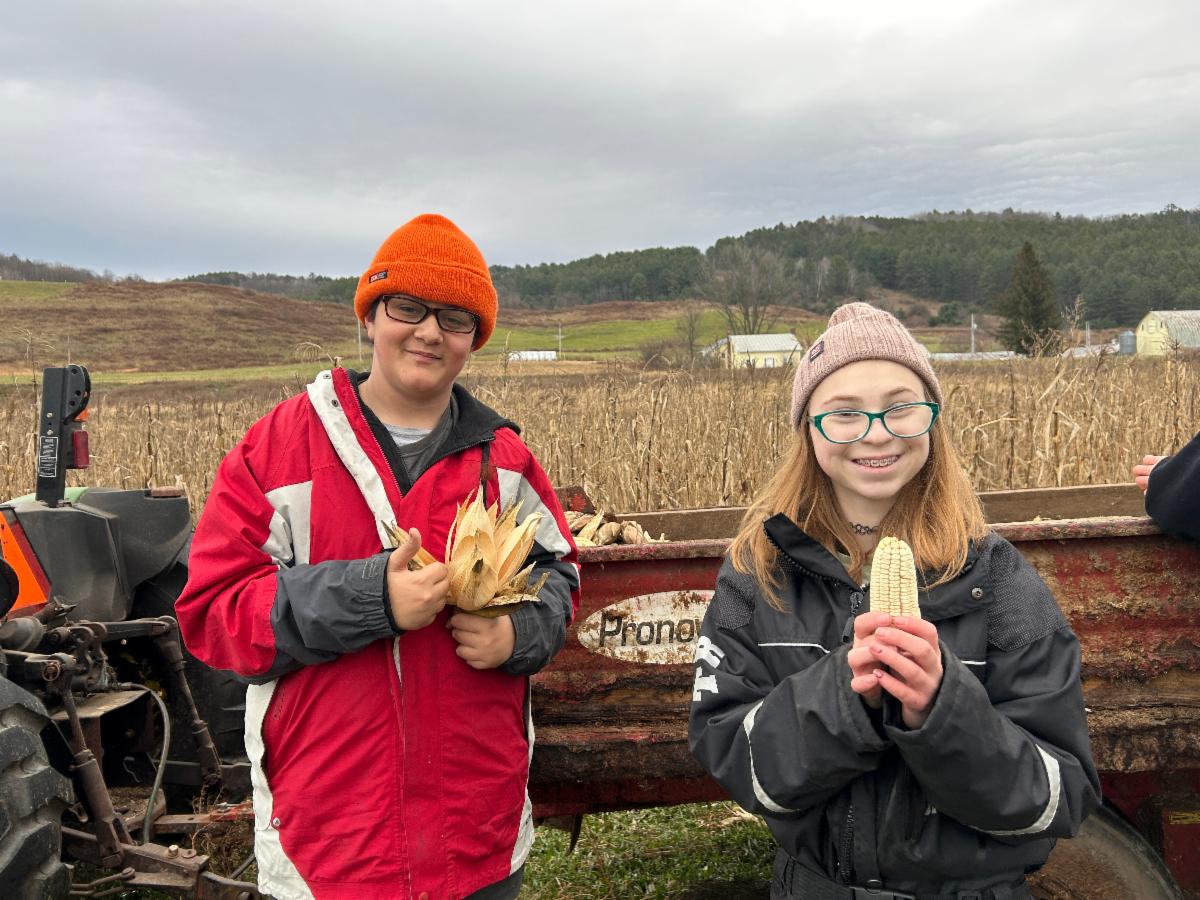
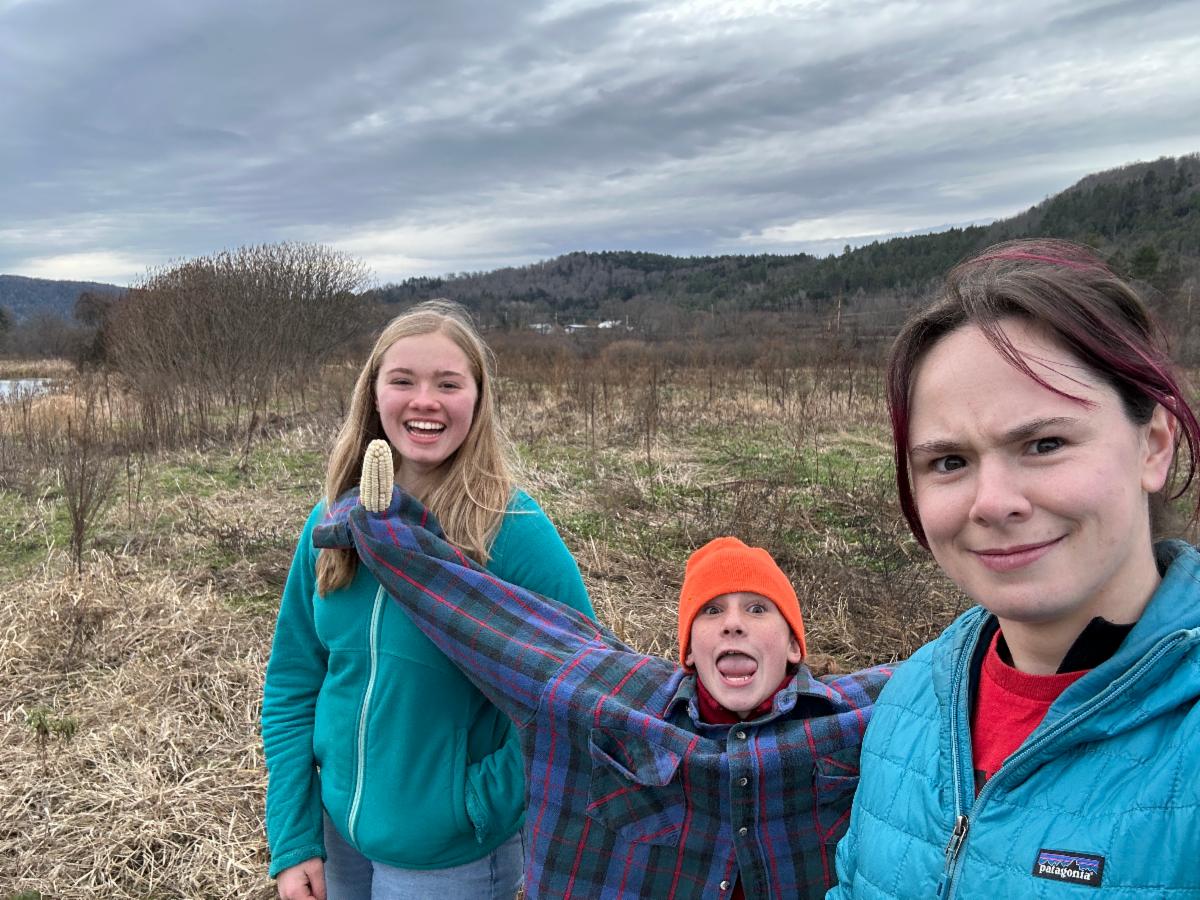
Spanish 1c (7th and 8th graders) did listening, reading, and writing assessments: with the listening and reading assessments being narratives, and the writing being a short informational piece about the Castells (Human Towers) of Tarragona, Catalonia, Spain. We focused on the phrases: "tienes que" (you have to), "puede (hacer)" (can (do/make)), "le ayuda" (helps him/her/them), and "simpático" (nice). Their ability to provide information, create complex sentences, and add original and detailed ideas to their writing as Spanish 1 students is incredible! Also, we spent the Tuesday before November break helping Nando at Moon and Stars with the corn harvest. It was a fun, community-filled morning. Thank you Nando for having us!


If you have any questions or concerns about report cards, or anything else, feel free to reach out at kmilligan@wrvsu.org.


Nurse's Corner

Nurse Kerri


Hi Newton Community- 


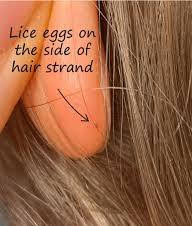
I just want to refresh a recent post of the lice protocols (see the Google doc link below) as there is still evidence for this need. Please remind your kids to keep their heads apart from others and to maintain appropriate space. Also -the sharing of clothing is not recommended either.