|
A Remarkable History
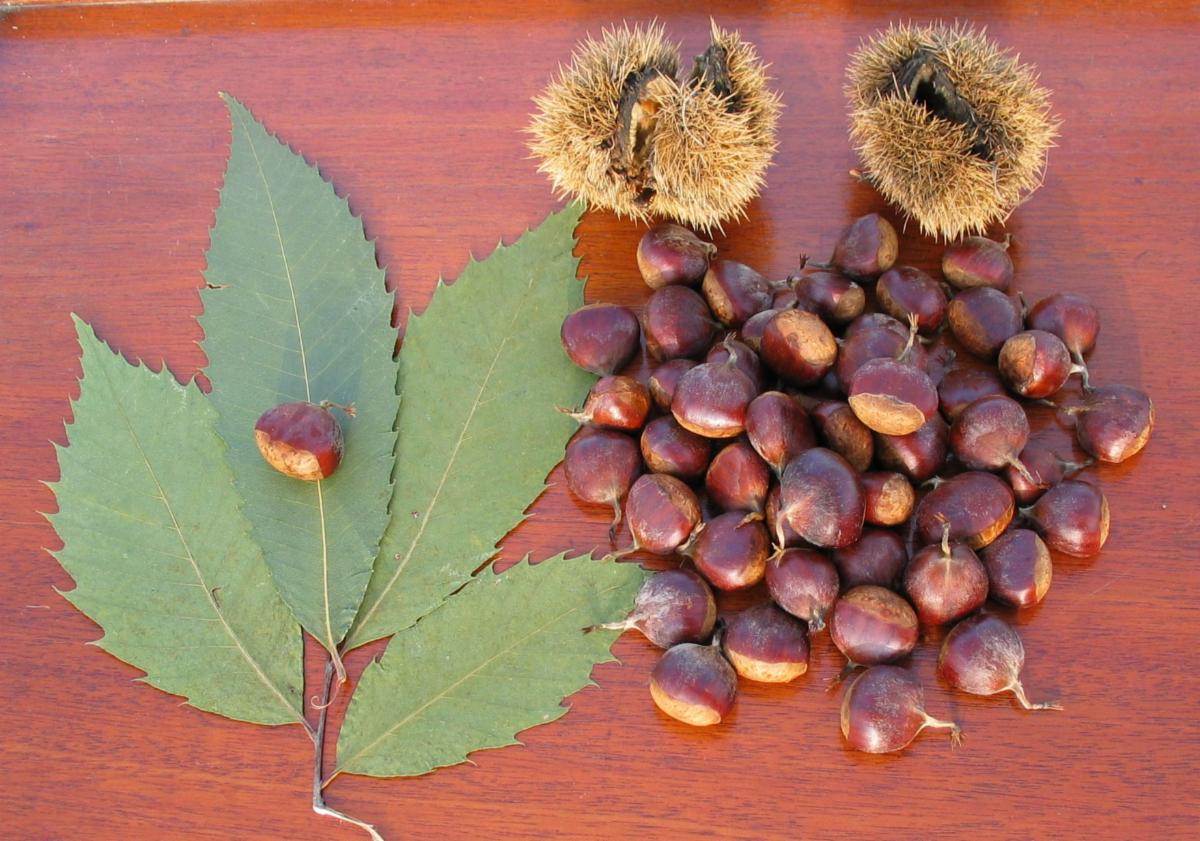
American chestnut trees (Castanea dentata) are native to the eastern United States, where they once dominated vast stretches of forest. For thousands of years, they provided an important food source for wildlife and people alike.
That changed in the early 1900s, when a devastating fungal disease known as chestnut blight (Cryphonectria parasitica) was accidentally introduced in New York City. The disease spread rapidly through eastern forests, killing virtually all mature American chestnut trees over the following decades.
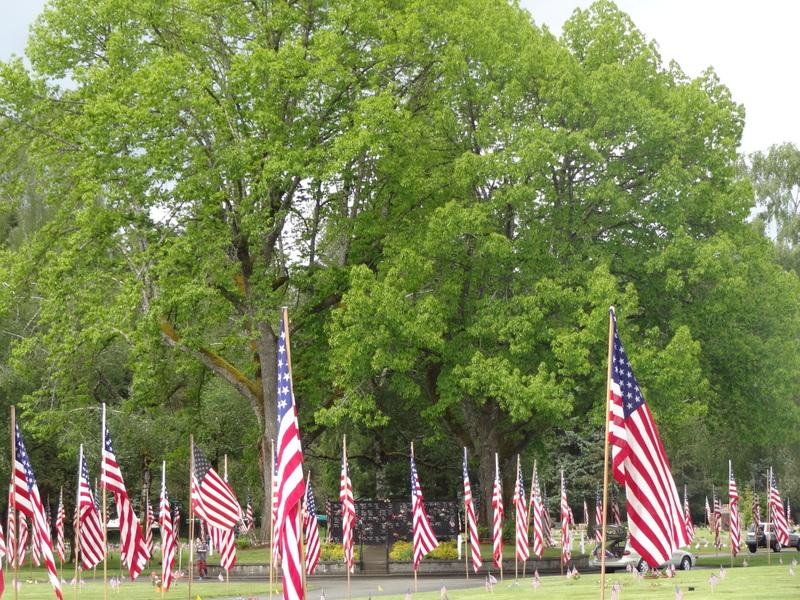
Fortunately, two American chestnut trees planted in 1846 on pioneer settler Jesse Ferguson's farm in Tumwater escaped the devastation. Protected by their geographic isolation on the West Coast, the trees survived and continue to produce abundant chestnuts today.
In 2023, the trees were designated Tumwater Heritage Trees. They have also earned recognition as Champion Trees by American Forests, placing them among the largest American chestnuts in the nation.
Just how big are they? When the larger tree was measured for the National Register of Champion Trees in 2018, it boasted some impressive dimensions:
- Trunk circumference: 237 inches (nearly 20 feet!)
- Height: 93.5 feet
- Crown spread: 94.67 feet
A marble marker commemorating these remarkable trees was donated by Premier Memorial, a supplier of cemetery and public memorials.
Next time you're in Tumwater, stop by Mills & Mills Memorial Park and see these living pieces of history for yourself!
Want to learn more? Read How the American Chestnut Tree Died Out for a closer look at the disease that nearly wiped out this once-abundant American tree.
|