The Ombuds Observer

January 2026 | Edition 007

Welcome to the January 2026 issue of The Ombuds Observer! Each issue brings helpful tips and timely updates on education loans, as well as a few insights to make the whole process a little less overwhelming. We’re glad you’re here!

Spotlight

U.S. Department of Education Delays Involuntary Collections Amid Ongoing Student Loan Repayment Improvements

On January 7, 2026, our office issued a Borrower Alert reminding Connecticut student loan borrowers that may have defaulted on student loan payments that the U.S. Department of Education (ED) would begin sending out wage garnishment notices. Some CT borrowers may have received these notices; however, ED has paused wage garnishment and federal tax refund seizures.


Originally scheduled to start in early 2026, this enforcement action has been suspended indefinitely as ED works to implement major student loan repayment reforms under the One Big Beautiful Bill Act (OBBBA/OB3) which are slated to take effect July 1, 2026. ED additionally states in their January 16 press release this pause will, “…give borrowers more options to repay their loans…and provid[e] an additional opportunity for borrowers to rehabilitate their federal student loans…”

Borrowers in default are encouraged to explore their options for resolving their defaulted student loans.

Repayment Rundown

Some Student Loan Forgiveness Can Now Be Taxed


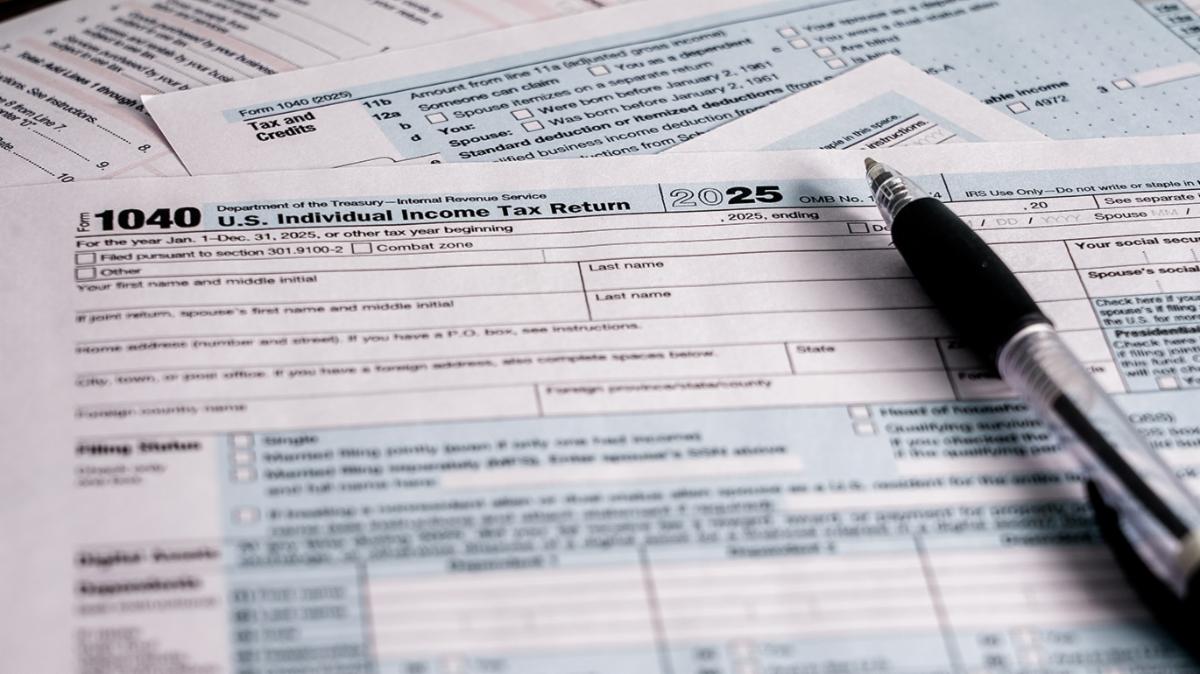
January 1, 2026 – A temporary rule enacted under the American Rescue Plan Act (ARP) of 2021 excluding discharged student loan debt from taxation has expired as of December 31, 2025. The provision under ARP stipulated that modified or discharged student loan debt (federal, institutional, or private) during the period of December 31, 2020, through December 31, 2025, would be excluded from an individual’s income when they file their tax returns.


Now that that provision has expired, some borrowers who reach forgiveness milestones in 2026 and beyond could be impacted by this change and could potentially leave them with a hefty tax bill. It is important to note, however, that this provision does not affect all types of student loan forgiveness. Federal Student Aid notes, “According to the Internal Revenue Service (IRS), student loan amounts forgiven under [Public Service Loan Forgiveness] PSLF or TEPSLF aren’t considered income for tax purposes. For more information, check with the IRS or a tax advisor.” Additionally, a recent settlement agreement between ED and the American Federation of Teachers (AFT) ensures that borrowers who became eligible for forgiveness in 2025 will not owe federal taxes on the forgiven amounts, even if their debts are discharged after 2025.


Additional Reading:


NASFAA | Welcome to 2026: Some Student Loan Forgiveness is Now Taxable

CNBC | Borrowers won’t owe federal income taxes on student debt forgiven in 2025

Saving on a Valuable Education (SAVE) Plan Reminder


Our December Spotlight highlighted the proposed joint settlement agreement between the U.S. Department of Education (ED) and the State of Missouri that would potentially end the SAVE repayment plan. While there have not been further updates as of this release, and the settlement is still awaiting approval by the court, we’d like to remind CT borrowers enrolled in SAVE to begin exploring other repayment options, if they have not already done so.

QUICK RECAP


As part of the proposed agreement, ED agrees it will:


  • NOT enroll any new borrowers in the SAVE Plan,
  • DENY any pending SAVE applications, and
  • MOVE ALL current SAVE borrowers into available repayment plans

Smart Moves

Check Your Repayment Status


Log on to Federal Student Aid to understand whether you are in default, delinquent, or in a repayment plan — and check if wage garnishment or tax refund offset notices apply to you.

Explore Alternative Repayment Plans


With SAVE ending and Income-Driven Repayment (IDR) options changing, consider whether Income-Based Repayment (IBR) or other plans suit your income and goals.

Plan for Potential Tax Liability


If you’re nearing forgiveness under an IDR plan, consult a tax professional about the impact of taxable forgiveness in 2026.

Stay Informed on Processing Delays


Because of legal challenges and plan revisions, applications and forgiveness processing may be delayed — stay in close contact with your servicer.

Office Buzz

Our Webinar Series Launches in February 2026!


Please join our office as we partner with Student Debt Crisis Center (SDCC) to launch the first of a free five-part webinar series dedicated to helping Connecticut borrowers stay informed on all the upcoming changes to student loan repayment. The series will run monthly through April 2026. Registration information for the first in the series is below.

Feb 04, 2026 07:00pm ET - Feb 04, 2026 08:00pm ET

Add to Google · Outlook Web · Outlook Mobile · Yahoo · iCal

Virtual location

You will receive a confirmation email with a URL.

Stay tuned to this space for future webinar information!

REMINDER: Bookings is Live!


Just a quick reminder that our online appointment portal launched last month! We've had a great response and we're so excited we can offer this convenient way to connect with Connecticut borrowers. A link to the portal has also been added to our navigation bar below for any future questions you may have. We look forward to continuing to connect with you!


LinkedIn

Subscribe | Student Loan Repayment Guide | File a Complaint | Book an Appointment