This paper gives a brief overview of the QI approach, explores QI measures and potential approaches to measurement, discusses how EMSC actively applies QI to advance its mission, highlights successful examples of QI as applied to improving pediatric emergency care, and discusses opportunities for EMSC stakeholders to actively engage in existing and future QI efforts.
|
|
Encourage others to sign up for the PEDReady weekly newsbrief, the PE
2
ARL, by sharing this link:
http://bit.ly/flpearl
|
|
Focus |
Pediatric EMS Protocols & SOPs
|
|
1. Pediatric EMS Protocols & SOPs
|
|
Background:
Prehospital EMS providers use several tools to assist them in being “PEDReady.” Pediatric and family-centered prehospital care protocols are one of the most important components of pediatric emergency preparedness. Children make up a small percentage of EMS patients and critically ill pediatric encounters are rare, making protocols even more important!
There is tremendous variation regarding EMS protocols at state, regional and local levels. Most often, protocols are determined at a local level by the EMS medical director and agency. Some states have detailed state-level protocols for adults and pediatric.
There are several models for pediatric and adult EMS protocols and SOPs:
- Protocols organized by disease, complaint or injury category with combined adult and pediatric protocols or subcategories
- Specific pediatric protocols separate from adult protocols
- Protocols organized by level of provider (EMT, EMT-P, etc.), or
- A combination of these models based on the most common pediatric conditions.
Evidence-Based Guidelines (EBGs) vs. Protocols:
Over the last decade, a number of national evidenced-based guidelines have been published. These are great resources but are often long documents. The pediatric EBGs represent a methodical approach to evaluating existing evidence in order to build the most effective care guidelines. While not protocols alone, EBGs are great tools to use when building protocols and have already been implemented in a number of states. Currently published guidelines include pediatric seizure management and pain control for traumatic injuries.
To learn more about…
- The Development of Evidence-based Prehospital Guidelines Using a GRADE-based Methodology, click here
- Pediatric Prehospital Seizure Management EBG, click here
- EBG for Prehospital Analgesia in Trauma, click here
- An EIIC repository of pediatric EMS EBGs, click here
- The 2017 NASEMSO National Model EMS Clinical Guidelines that include some pediatric guidelines, click here
- Pediatric trauma clinical guideline resources, click here
Pediatric EMS Protocol Examples:
Each agency must determine the best pediatric protocols for their setting; however, there are some great local and national examples. Protocol development is a tedious process and it is great to have other examples. Email pedready@jax.ufl.edu for your pediatric protocol questions and review the following resources.
1)
Connecticut provides a great example of coded protocols by level of provider:
|
|
2)
Iowa
provides a great example of individual pediatric-specific state protocols.
3)
LA County
: In general, each protocol will have a corresponding pediatric-specific protocol. The pediatric protocols are identified with a letter “P” at the end of the protocol number and have the Los Angeles County teddy bear symbol.
4) Additional websites that include pediatric protocol examples:
|
|
General EMS Protocol Development Resources:
|
|
- EMS protocol apps
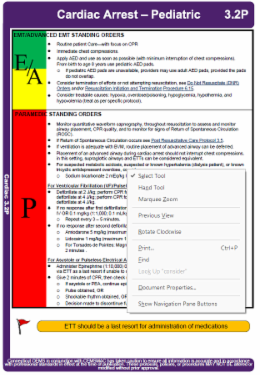
- Many states and agencies, like Maine (pictured), have apps for their EMS protocols that you can review
|
|
|
ED and Hospital Role in Pediatric EMS Protocols and SOPs
- Offer to review your local agency’s pediatric protocols
- If your ED, trauma, hospital or pediatric specialists develop new protocols, share with the EMS agencies in your catchman area
- Remember that EMS has limited medications, equipment and personnel! Their protocols will be different in some aspects from hospital/ED practice
|
|
2. PEDReady Education Champions
|
|
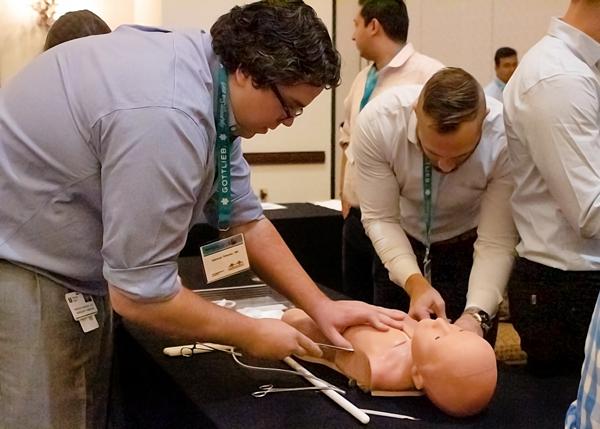
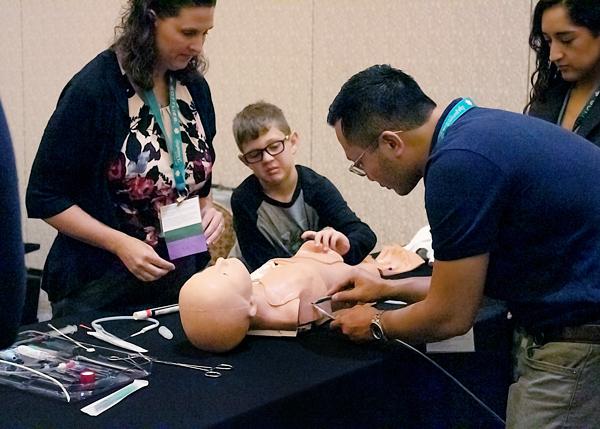
Thanks to FCEP Pediatric Committee members for running a sold-out Pediatric Trauma workshop at Symposium by the Sea 2019! Faculty included pediatric champions Drs. Corinne Bria, Shiva Kalidindi, John Misdary, Vanessa Perez, Tricia Swan, Todd Wylie & Cristina Zeretzke-Bien.
|
|
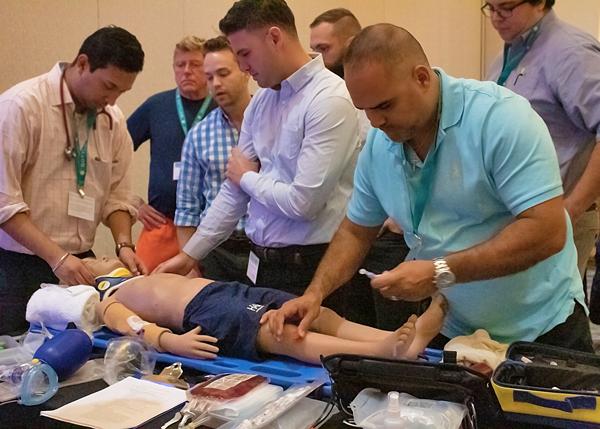
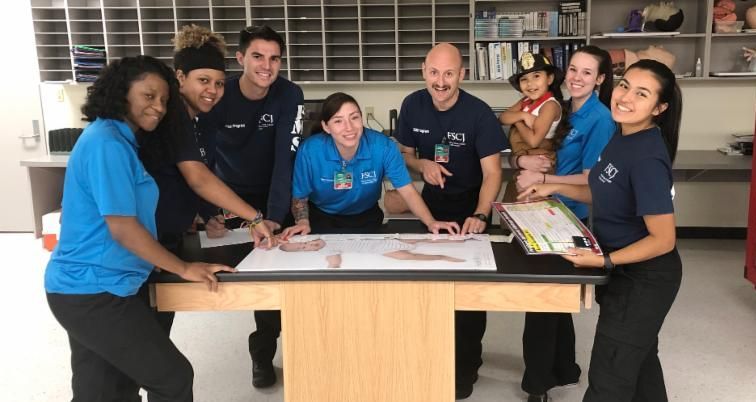
And at Florida State College at Jacksonville last month, 42 EMT students utilized the Scenarios in Seconds package to enhance their understanding of the pediatric length-based resuscitation tape and patient assessment. According to pediatric champion Thomas McCrone, MPA, PMD, training was well-received, which made the instruction efficient and beneficial.
|
|
3. Upcoming Pediatric Emergency Events
|
|
Free Workshop: Florida Resuscitation Academy
(new!)
Multiple dates & locations
The Florida Resuscitation Academy teaches high-performance CPR to EMS personnel, hospitalists and local health care providers through a free, one-day training program. This course will transform the way you think about and manages cardiac arrests.
Upcoming sessions in Florida:
- Highlands County: August 15
- Monroe County: August 16
- Walton County: August 21
|
|
|
Free Webinar:
What Every Pediatrician Needs to Know About Child Passenger Safety
(new!)
August 21, 2019 | 1:00-2:00 pm
Hosted by: Pediatric Care Online
Speaker: Benjamin Hoffman, MD, FAAP, CPST-I
Topics include basic principles of child passenger safety (CPS) science; five ways car safety seats help prevent injury to children; best practice recommendations for appropriate child passenger restraint; and identification of CPS community resources, including children with special health care needs.
|
|
|
Caring for Critical Kids Conference
August 22-23, 2019 | Gainesville, FL
Hosted by: UF Health ShandsCair
Join UF Health ShandsCair to learn more about caring for children with critical medical and trauma needs. Thursday is lecture day; Friday is skills lab day.
|
|
|
Children's Disaster Services Workshop
October 11-12, 2019 | Tampa, FL
Hosted by: Child Life Disaster Relief
This is a specialized training for Certified Child Life Professionals only. Certified child life specialists are invited to register. Ten PDU’s are available.
|
|
|
Pediatric Care After Resuscitation (PCAR) Course
Dec 2-3, 2019 | Jacksonville, FL
The mission of TCAR (Trauma Care After Resuscitation) Education Programs is to expand the knowledge base and clinical reasoning skills of nurses who work with injured patients anywhere along the trauma continuum of care, particularly in the post-resuscitation phase.
|
|
|
Thanks for being a Pediatric Champion!
|
|
The Florida PEDReady Program
|
|
|
|
|
|
|
|