Health Tip: Your brain on screens is not the same as your brain on books. Neuroscience now shows that when we swap pages for pixels, it’s not just a convenient change of format—we are also altering how our brains process and retain information, with significant implications for readers of all ages.


Children with just one book at home are nearly twice as likely to meet literacy and numeracy standards as those without, regardless of income, education, or geography. Beyond developing basic literacy, physical books foster crucial parent–child interactions that build social-emotional and cognitive skills. Children who spend more time reading books have greater connections between brain regions involved in language processing and cognitive control. In contrast, the children who spent more time using screen-based media demonstrated fewer connections between these same regions. These cortical alterations from screen exposure start early and may lead to underdevelopment in brain regions that underlie higher-order processes such as attention, memory, and social skills.


The tactile experience of holding a book, feeling its weight, and turning pages supports spatial memory and helps readers create a mental map of the text, aiding comprehension and recall. Screens tend to encourage what researchers call a ‘shallowing effect’ in our reading behavior. Instead of sustained, focused reading, we tend to skip between sections more frequently and engage in surface-level scanning rather than deep analysis. This leads to weaker memory formation, particularly for sequential details, as readers often resort to spotting keywords rather than processing the text thoroughly.


We cannot step back—the technology is here. But we cannot ditch the books.

CLICK HERE TO REQUEST ANY OF OUR THERAPISTS

Therapeutic Shaking for Self-Care - OPEN TO THE PUBLIC

Sunday, April 13, 2-5 pm

$93.60 REGULAR or $78 EARLY BIRD by 4/6/25

Hands in Healing Institute, 6708 Foothill Blvd., Tujunga, CA 91042


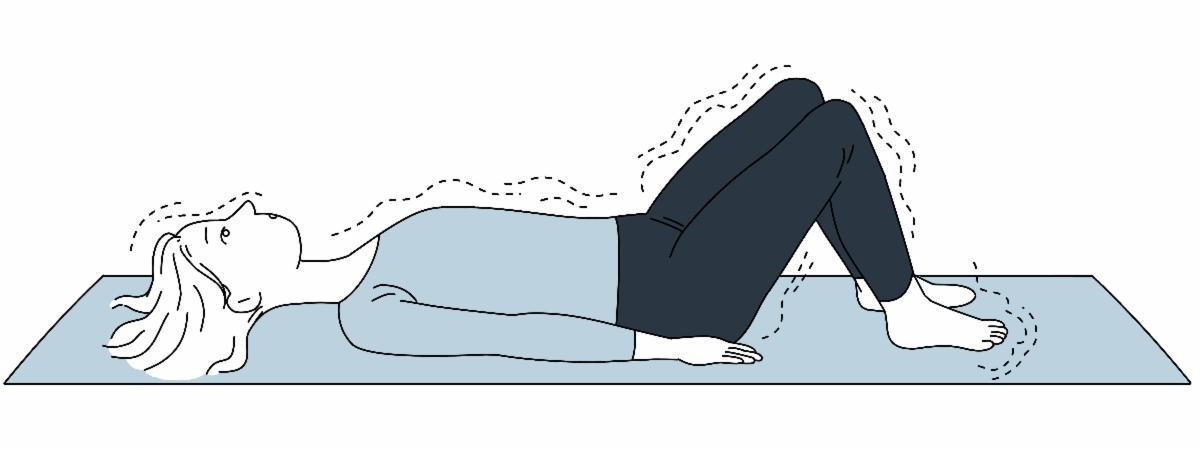
TRE or Tension, Stress and Trauma Release Exercises, illicit a powerful innate mechanism of gentle shaking (neurogenic tremors) that helps people rebound from physical and psychological stress, tension and trauma. TRE resets the nervous system after experiencing stressful events, assisting recovery and increasing resilience.


Regardless of whether stress or trauma is physical, emotional or psychological in origin, ultimately it is the body which responds by contracting and bracing. Unresolved fight, flight and freeze patterns need to be discharged from the body in order to return to a calm, relaxed state of homeostasis. Unlike other methods of stress reduction TRE does not just offer temporary relief, it offers permanent release.


TRE uses a series of simple exercises to invoke gentle therapeutic tremors that are then able to be self-regulated.


This workshop will provide a history of TRE, an explanation on how it works, then participants will learn the protocol for their own self-care. There will be enough practice time for a true healing experience that can be repeated at home for continued self-care treatments.


REGISTER HERE!


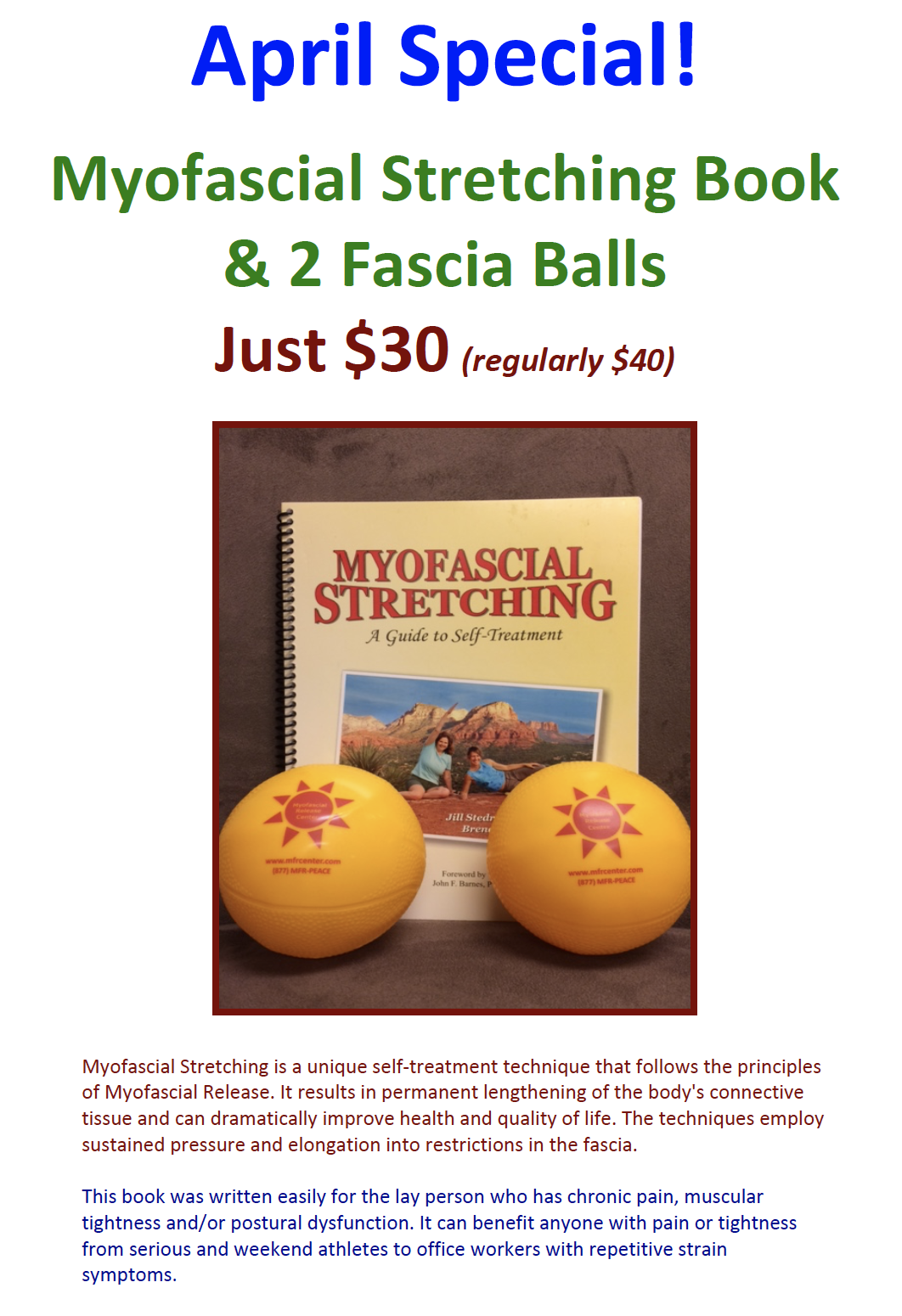
ORDER HERE FOR IN OFFICE PICK UP!
Like us on Facebook here!