|
Teas of Sri Lanka
Sri Lanka, formerly known as Ceylon, is a tropical island off the southeast coast of India. Most of the island is covered with plains that range from flat to soft hills; however, the center of the island is mountainous, with its highest point at an elevation slightly higher than 8,200 feet.
Tea was first planted in the mid-1800's with cuttings that were brought from India in order to replace the coffee plantations that were failing due to a rust that was destroying the plants. Today there are a little over 500 tea manufacturers in Sri Lanka, making the tea industry one of the country's largest employers. The tea grown here is often referred to as Ceylon tea and it is harvested throughout the year because of the warm, tropical climate.
Sri Lanka is the fourth largest producer of tea in the world and it predominantly produces orthodox teas in order to preserve the unique flavors and characteristics of the tea leaves and terroir where they are grown. Some estates, however, have begun to produce CTC tea, with a focus on strength and boldness, in order to increase their production. Ceylon black tea is popular around the world and accounts for the majority of Sri Lanka's tea production. Several estates also produce limited quantities of green and white teas.
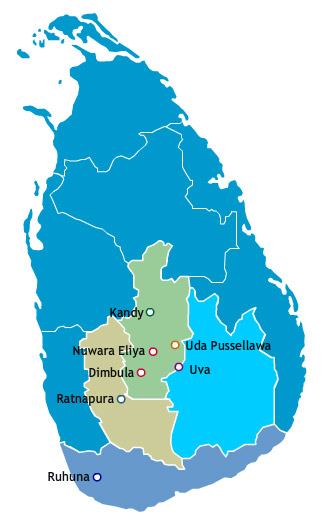
Ceylon teas are generally classified by the elevation at which they are grown, the region in which they are grown, and sometimes the name of the estate. Elevation has the greatest influence on the characteristics of Ceylon teas. There are three elevation classifications, each of which produces teas with distinctive qualities: 1) low-grown, which are produced at elevations up to 2,000 feet; 2) mid-grown, which are produced at elevations ranging from 2,000 to 4,000 feet; and 3) high-grown, which are produced at elevations above 4,000 feet.
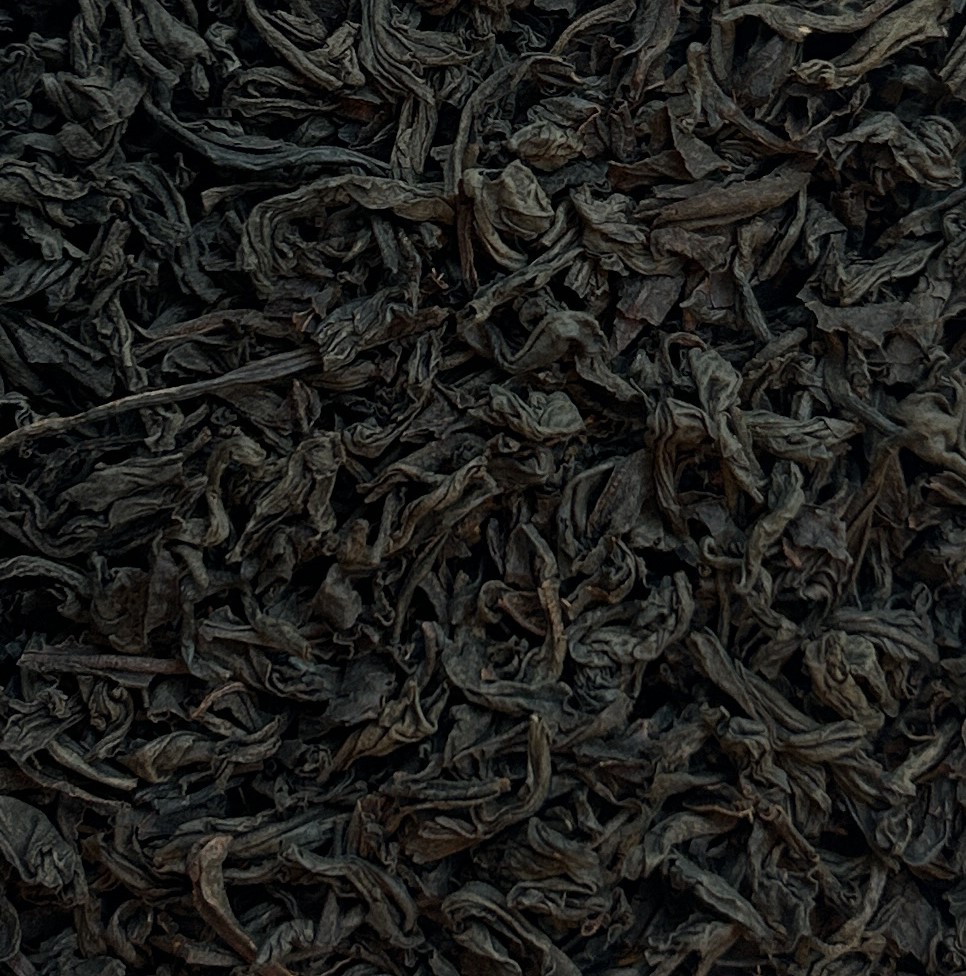
Low-grown teas account for about 55 percent of Sri Lanka's tea production and tend to be full-bodied and strong. Ruhuna and Sabaragamuwa are the two low-grown regions. The New Vithanakande Estate is located in the Ratnapura district of Sabaragamuwa that produces popular teas that are rich and complex. I offer the OP grade, which is a long, twisted leaf black tea.
Mid-grown teas account for only about 16 percent of tea-production and they tend to be rich and flavorful. The main mid-grown region is Kandy and the teas from its gardens are mainly exported to Europe and Australia.
High-grown teas account for about 25 percent of production and are the most sought-after. They tend to be highly aromatic, medium-bodied, and flavorful. Four of the main high-grown regions are Nuwara Eliya, Dimbulla, Uda Pussellawa and Uva. The Kenilworth Estate is located in the Dimbulla region in an area that borders the Kandy (mid-grown) region. Its black teas are known for their consistent high quality and tend to have the characteristics of both growing regions.
Due to the varying elevations and climatic conditions on Sri Lanka, the characteristics of Ceylon black teas run the full spectrum of typical black tea characteristics. Two last teas of note in my menu - the Ceylon OP Decaf Black Tea is a blend of low-grown teas and yields a smooth, robust cup, while the English Breakfast Decaf Black Tea is a blend of high-grown teas, yielding a medium-bodied, rich and aromatic infusion.
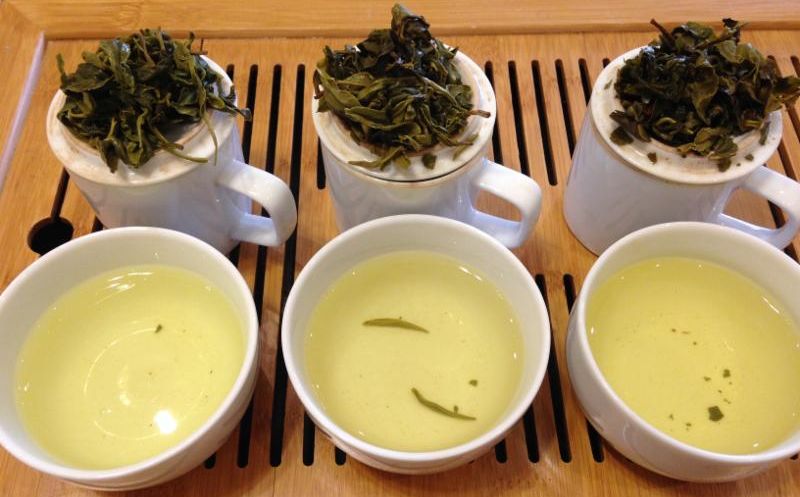
While the vast majority of tea produced on Sri Lanka is black, the Idulgashinna Estate produces a lovely green tea. This is the first certified organic tea garden in Sri Lanka and the first to produce green tea. It is located in the high-grown Uva region.
Even though I do not have an extensive selection of teas from Sri Lanka, the teas I offer capture the essence of Ceylon teas. They can be found in the online shop https://www.pleasuresoftea.com. To easily find them, type Sri Lanka in the search box or the name of the tea. Each tea will have a description about where and how the tea is grown, along with aromatic and taste profiles. Enjoy your visit to Sri Lanka and feel free to share your experience! :)
|