September 2026 Newsletter


I hope you are well! :)


The first day of autumn is only a few weeks away and the seasonal autumn blends will all be available on September 10th in the online shop at https://www.pleasuresoftea.com. The entire selection of returning favorites is listed toward the bottom of this newsletter. A new shipment of scone mixes has also arrived and will be available on 9/10, including the seasonal flavors of Maple and Pumpkin Pie. Limited supply of the summer teas remain, so be sure to grab what you need before they are gone.


The 26th Annual Women's Expo is less than a month away and details are below!


This month we are back to our worldwide travels to tea-producing countries and we will be exploring several countries in Africa. In this newsletter I discuss a general overview of tea production in Africa and introduce teas from Kenya and Malawi. Next month I will finish up our discovery in the remaining countries that we will "visit".


Thank you for all who have been putting updates in the Comments section when placing your orders. I love to hear about what's new in your lives, so please continue to share! :)


Enjoy the remaining days of summer. As always, I appreciate your continued support of my small business!! :)

-- Kristine, NBC-HWC, FDN-P, AIM, CFNC

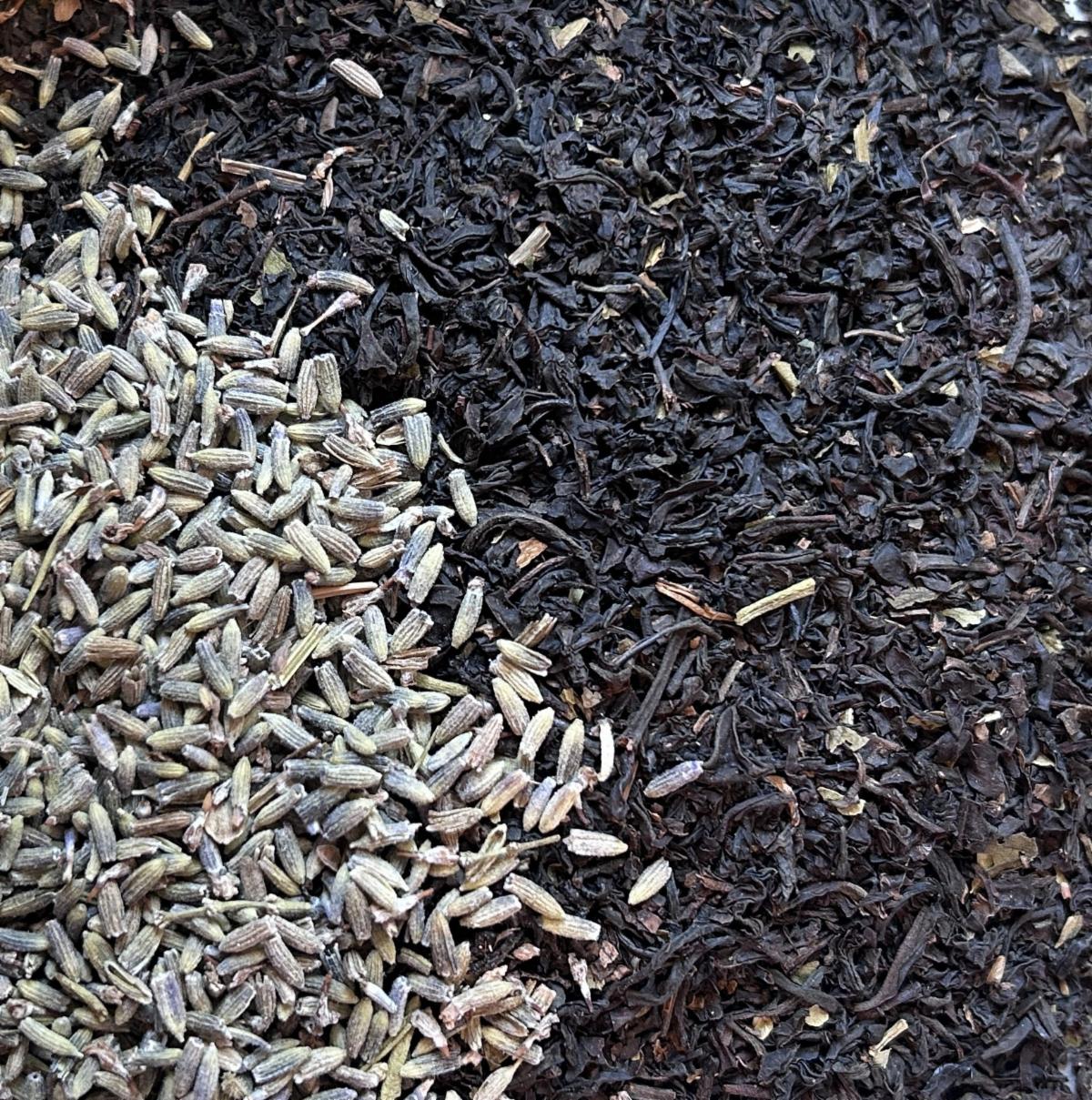
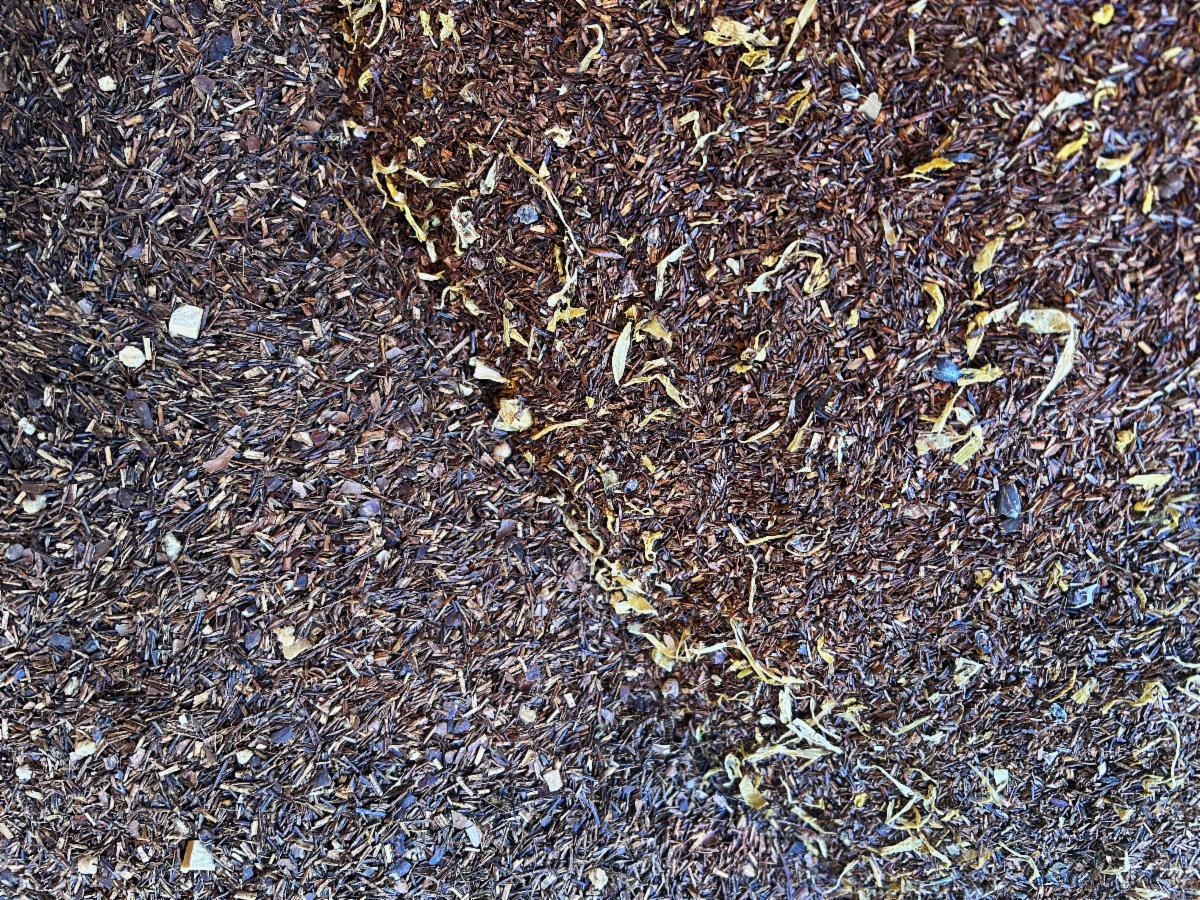
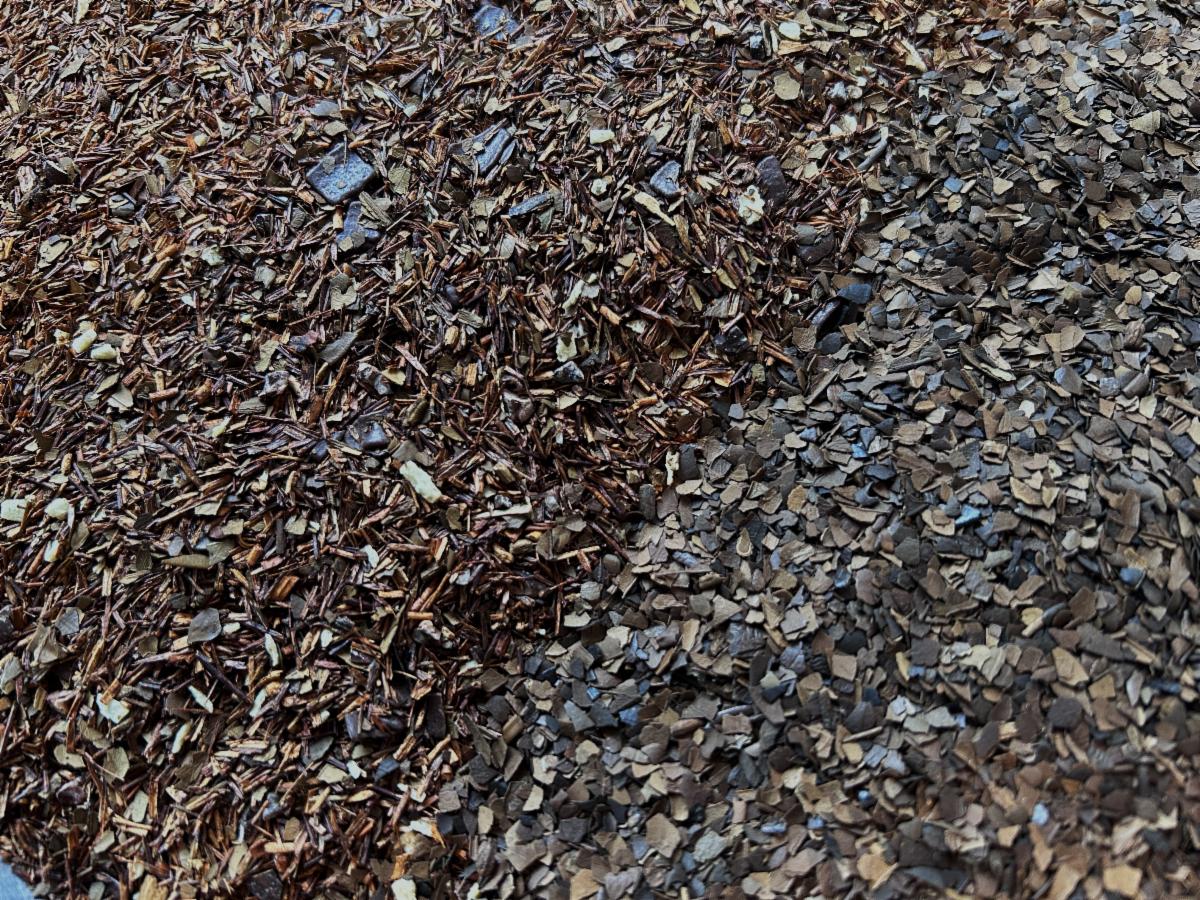
Raspberry Black Tea is back in stock! And so is Ceremonial Grade Matcha by the ounce...and now it's organic! Blended up fresh batches of Black Currant Lavender Black Tea, Rooibos Chocolate Toffee Herbal Tisane and Yerba Mate Chocolate Herbal Tisane :)

Women's Expo 


Save the date - the 26th Annual Women's Expo will be on Thursday, October 1st! Be sure to support the hardworking, creative and talented women entrepreneurs who will be exhibiting at this year's event. Once again I am supporting the event as a Friend of the Expo and will be there in spirit ;)


When: Thursday, October 1st

Time: 11:00 AM to 6:00 PM

Where: Middle Country Public Library

101 Eastwood Boulevard, Centereach


Check out the event's website womensexpoli.org or Facebook page Women's EXPO LI


Gift Certificates


As a reminder, you may redeem any outstanding gift certificates in the online shop! To redeem, please input the following information in the Comments section in the cart: compliments of, especially for, gift certificate number, amount, and date. You will still need to input your credit card, but only the balance will be charged, if there is one. Gift certificates never expire - I put an expiration date on them because I want them to be used, not forgotten in a pile of paper ;).


Need to purchase an e-gift certificate? Feel free to email me at kristine@infuseteabarny.com - be sure to include name from and to and the gift certificate amount. I will email you an invoice that you may pay online. The gift certificates will be emailed to you and you can either email it to the recipient or print it out and give it to them.

Teas of Africa Part I


The history of tea production in Africa follows that of European colonial settlement and expansion on the continent. After colonies were established by England, Portugal, The Netherlands, Germany, Belgium, France and others, the governments began to establish tea estates in order to support the expansive European thirst for tea. Tea was first planted in South Africa in the mid-19th Century, followed by Malawi in the 1870s; however, it was not until the early 20th Century that tea really took off.


Africa is a major producer of tea. Most of the tea estates are located in the eastern Rift area on the high-elevation plateaus; however, there are several in the western part and on the islands off the eastern coast. The rich, volcanic soil and subtropical climate on the plateaus is ideal for growing tea. Over the past one hundred years, tea production has focused primarily on CTC (crush, tear, curl) black teas destined for the commodity market. These teas are generally included in blends that are known for their strength and full body and ability to hold up to the addition of milk. However, in recent years, some estates have begun experimenting in the production of artisanal orthodox-produced teas for the specialty tea market, of which I have particular interest. African tea-production is an interesting combination of small-scale farmers and large corporations, with the farmers growing much of the leaf material and the corporations handling a majority of the processing.


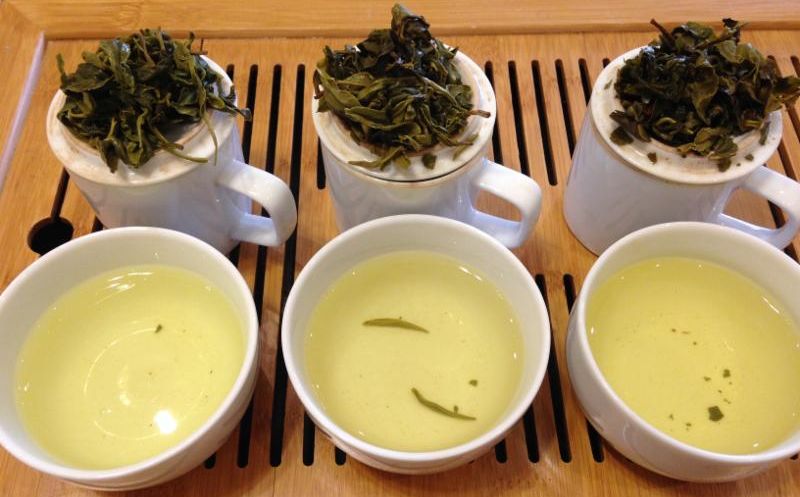
The first country on our African tour is Kenya. Even though tea production was established in Kenya by the British only in the early 1900's, it is by far the largest producer of tea in Africa and the third largest producer of tea in the world at 8% of total global production. The climate of Kenya is ideal for the Camellia sinensis assamica tea bushes that were predominantly transplanted there and the majority of the tea gardens are situated at higher elevations between 4,900 to 8,900 feet. There are more than 500,000 small-holder tea farmers and 100 factories that process the raw leaf material. They are located throughout the western part of the country in the main growing areas of the Kericho Highlands, Kisii Highlands, Nandi Hills, Mount Kenya, and the Aberdares. Kenyan teas historically have been known more for the strength they add to the cup than for being refined or complex. These teas are predominantly processed as CTC (crush, tear, curl) teas and used in blends in teabags, although a very limited amount of good quality orthodox and experimental teas are produced. These teas include black, green, wulong, and white. Several notable gardens producing good quality teas include Tinderet, Milima, Kangaita and Kaproret, a black tea from the latter of which I offer in the online shop. Kaproret's black tea is unique in that it is crafted from Camellia sinensis sinensis plants, instead of the more prevalent assamica plants, which yields a more refined experience in the cup.


Malawi is one of the oldest producers of tea and it ranks fourth in total African production. I have an extensive offering of teas from the Satemwa Estate, which I wrote about in the June 2026 Newsletter. It is important to note that rooibos and honeybush from South Africa are tisanes, not true teas, and I wrote about these wonderful caffeine-free herbs in the November 2022 Newsletter. There are detailed descriptions for the Kaproret Estate Kenyan Black Tea and the teas from the Satemwa Estate in Malawi in the online shop https://www.pleasuresoftea.com. Join next month as we finish up our exploration of African teas :)

New Teas


Your favorite autumn blends have returned and will be available in the online shop on September 10th! Here's the line-up: Apple Molasses Black Tea, Gingered Vanilla Toddy Black Tea, Oatmeal Raisin Cookie Black Tea, Pumpkin Pie Black Tea, Roasted Chestnut Black & Green Tea with Yerba Maté Blend, Maple Walnut Green Tea, Rooibos Maple Walnut Herbal Tisane, Rooibos Pumpkin Crème Herbal Tisane, and Rooibos Pumpkin Spice Herbal Tisane. And a new shipment of scones mixes has also arrived, including the seasonal flavors Maple and Pumpkin Spice. These truly are the best scone mixes and do not contain any unpronounceable or questionable ingredients. Yum! :)


Limited supply of the following summer teas are still available: Minted Coconut Lime Green Tea, Coconut Fruit Punch Fruit Tisane, Kiwi Peach Fruit Tisane, and Watermelon Fruit Tisane.

The Pleasures of Tea

www.pleasuresoftea.com - online shop


**************************************

500+ Loose Leaf Teas, Herbal Tisanes & Functional/Medicinal Herbs

Certified - Tea Professional, Tea Sommelier & Tea Health Expert

Forever Student of the Art & Science of Herbalism

NBWHC Board-Certified Health & Wellness Coach, Certified Functional Diagnostic Nutrition Practitioner, MRC Certified Healthy Gut Practitioner, Certified Advanced Integrative Metabolic Specialist, & Certified Functional Nutrition Counselor - Vitality Holistic Wellness


Facebook  
ABC Logo
STI Logo