Wednesday Weblog for April 29, 2026 | | Corrections: Last week there were two errors in the Weblog. First the date was wrong, and secondly it was unclear about the date of the Red Sox game that required parking downtown and a stroll up Boylston Street. It was not the day of the Marathon Bombings, but a few days before on Opening Day of the season. Apologies to all, and thanks to those with sharp eyes and feedback skills. | | |
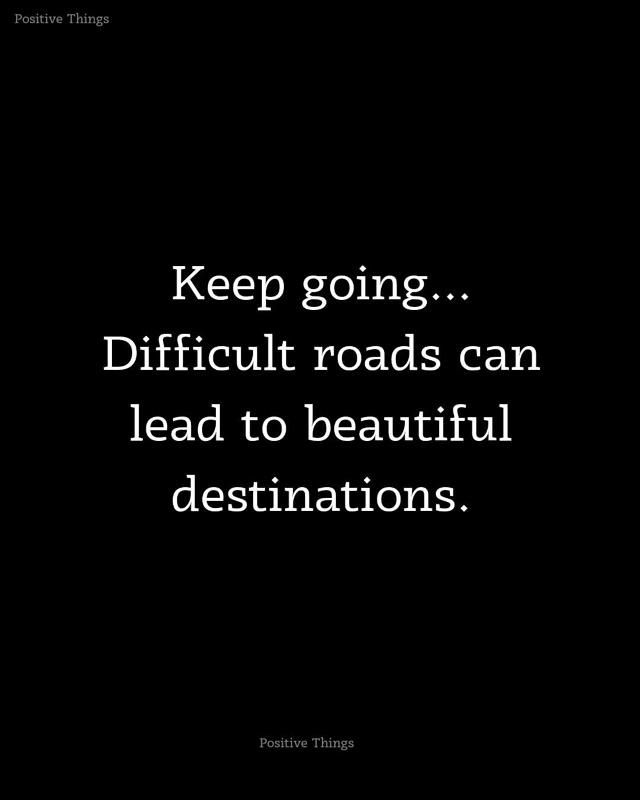
"It does not matter how slowly you go as long as you do not stop."
-- Confucius
| | |
My effort to conduct keynote remarks and author events is underway. In addition to the University of Massachusetts Club event in Boston on May 15th, I will be speaking at the Irish Cultural Centre in Canton on May 5th.
I am excited about this next phase of my career and how well it blends with the Weblog and my consulting work. The overall updated theme is something I am calling "Observational Leadership" and emphasizing that there are a lot of moments that we may miss that could teach us something.
| | The Quiet Decisions That Define Us | | |
Not all decisions are loud.
Some don’t come with a spotlight, a deadline, or even much thought at all. There’s no announcement, no recognition, and certainly no celebration. Most of the important decisions we make happen quietly—often invisibly—and usually without anyone else noticing.
And yet, they shape us more than the ones everyone sees.
Lately, I’ve been thinking about the quiet decisions.
| | |
The ones we don’t talk about at meetings. The ones that don’t show up on résumés or performance reviews. The ones that don’t make for great storytelling at a dinner party—but somehow matter more than almost anything else. You know the ones.
- The decision to start now instead of later.
- The decision to follow through when no one is checking.
- The decision to do something the right way when the easier way would probably go unnoticed.
I’ve been making a few of these decisions myself.
| | |
Some are small, almost laughable. A daily negotiation with my waistline. A promise to start something early that somehow gets renegotiated until tomorrow. The kind of decisions that don’t feel important in the moment—but start to add up if you ignore them long enough.
Others are a little more meaningful.
- The decision to follow through when it would be easier not to.
- The decision to hold back in a conversation when saying less is actually harder than saying more.
- The decision to stay consistent when no one is watching—and no one would ever know the difference.
| | |
These are not dramatic moments. They don’t feel like turning points. But they are.
That’s the part that’s easy to miss.
We tend to think of growth and change as something that happens in big, visible ways. A new job. A major decision. A bold move. And those things matter. But more often than not, progress is built in the background—through small, repeated decisions that don’t look like much at the time.
| | |
Leadership works the same way.
In fact, if you pay attention, most leadership doesn’t happen in front of a group at all.
It shows up in the quiet decisions.
- In whether you prepare for a meeting that you could probably “wing.”
- In whether you follow up on something you said you would do.
- In whether you choose clarity over convenience, even when it takes more effort.
No one applauds those decisions. No one sends a thank-you note for being consistent. But people notice. They may not say it out loud, but they notice. And over time, those quiet decisions begin to form a pattern. A reputation. A level of trust.
That’s the part of leadership that doesn’t get announced. It gets observed.
Which is why I’ve come to believe that some of the most important leadership work we do isn’t about leading others at all. It’s about leading ourselves—especially in the moments where it would be easy not to.
| | |
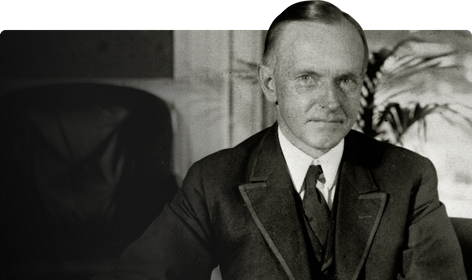
My favorite quote of all time from fellow Massachusetts guy, President Calvin Coolidge:
“Nothing in the world can take the place of persistence. Talent will not; nothing is more common than unsuccessful people with talent. Genius will not; unrewarded genius is almost a proverb. Education will not; the world is full of educated derelicts. Persistence and determination alone are omnipotent.”
| |
It’s a powerful idea, and it’s often shared in big, bold contexts—goals, careers, achievements.
But I think it applies just as much—maybe more—to the quiet decisions.
Because persistence isn’t just about pushing through something dramatic.
- It’s about continuing in the absence of recognition.
- It’s about making the right decision repeatedly, even when the results aren’t immediate.
- It’s about choosing discipline over default, again and again, until it becomes part of who you are.
That’s not glamorous. It’s not always fun. And it’s rarely something we talk about. But it’s real. And if you start to look for it, you’ll see it everywhere.
| | |
You’ll see it in the colleague who consistently shows up prepared.
In the parent who keeps their patience one more time than they thought they could.
In the individual who decides—quietly—to try again after something didn’t go their way.
No announcement. No spotlight. Just a decision. And then another one. And then another. That’s how most meaningful progress actually happens. Not all at once. But over time.
So here’s something I’ve been trying to do more of lately. Not make every decision perfectly. Just notice them.
- Notice when the moment presents itself.
- Notice when there’s a choice—easy or right, now or later, comfortable or disciplined.
- And then, more often than not, choose the version of the decision that moves things forward, even if only slightly.
That’s it.
| | |
No grand strategy. No dramatic overhaul.
Just a little more awareness. A little more intention. A little more consistency in the moments that don’t seem like they matter—but do.
Because those are the moments that build something. Quietly. Over time.
And if you’re honest, you probably have a few of those quiet decisions in front of you right now. We all do. The question isn’t whether they’re there. The question is whether we’re paying attention to them.
And if we are—what we choose to do next.
| | Surprise Photo at the End: A Different Generation | | Joe's Positive Post of the Week | | Join the Smart Subscribers | | If you are reading this on a social media platform, click below and you'll automatically receive a 'different' story every week on Wednesday. | | |
The Roll Call of states and countries where readers reside: Arizona, California, Colorado, Connecticut, Delaware, Florida, Georgia, Hawaii, Illinois, Indiana, Iowa, Kansas, Kentucky, Louisiana, Maine, Massachusetts, Michigan, Mississippi, Missouri, Montana, New Hampshire, New Jersey, New Mexico, New York, North Carolina, North Dakota, Ohio, Pennsylvania, Puerto Rico, Rhode Island, South Carolina, South Dakota, Tennessee, Texas, Vermont, Virginia, Washington and Washington DC, Wisconsin plus Canada, Conch Republic, Australia and the United Kingdom.
| | Refer a friend to Sign Up for the Wednesday Weblog | | |
Ed Doherty
774-479-8831
www.ambroselanden.com
ed-doherty@outlook.com
Forgive any typos please.
| | | | | |