Volume 1 Issue 6

June 2025

The RECap

A newsletter from South Coast Research and Extension Center

and UC Cooperative Extension Orange County


Featuring:


  • Event Recap


  • In The Media


  • Program Spotlight


  • Employee Spotlight


  • Pro Tips


  • Upcoming Events

Happy Summer!


In this issue, we are proud to share recaps of the UC Landscape Plant Irrigation Trial team's Spring Open House and the California Invasive Species Action Week talks. We are excited to highlight the 4-H Youth Development Program and our Urban Forestry and Natural Resources Advisor, Beatriz Nobua-Behrmann. Additionally, the amazing work of two of our advisors was featured in the media and we have some fun events to add to your calendar!


Be sure to scroll through to stay in-the-know about what South Coast REC and UCCE Orange County are up to this summer. Lastly, make sure to stop by and see us during the Orange County Fair from July 18th to August 17th!


Sincerely,

Lindsey Pedroncelli, Ph.D., Interim Director of South Coast REC

and

Rita Clemons, Director of UCCE Orange County


P.S. If you do not wish to receive this newsletter in the future, please unsubscribe at the bottom of this email.

Event Recap

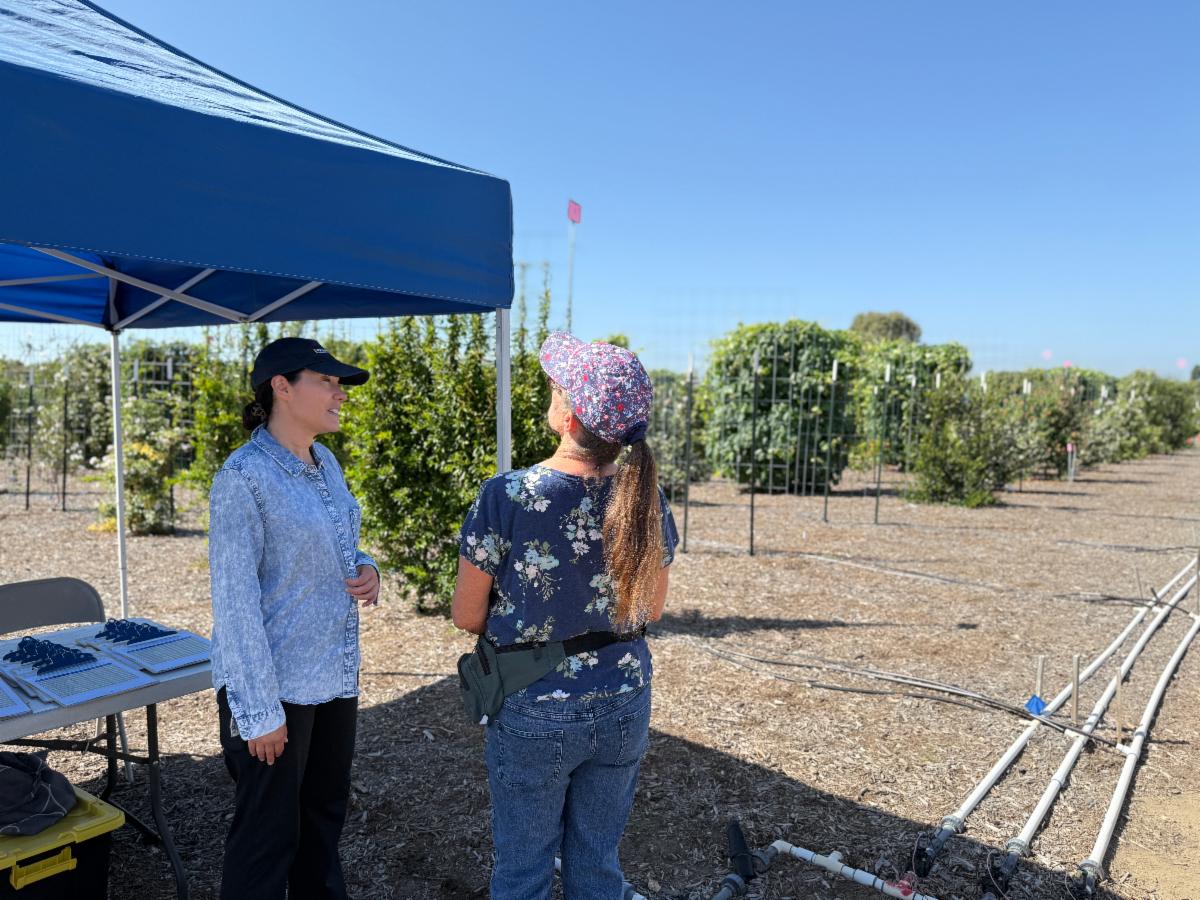
Natalie Levy talks with a field day attendee.

Check out the recap video below.


UC Landscape Plant Irrigation Trials Spring Open House


The UC Landscape Plant Irrigation Trials team hosted their Spring Open House for their Climate Ready Vines for the Western United States urban cooling, deficit irrigation project.


During the open house, attendees had the opportunity to evaluate the aesthetic quality of the 10 different vine species being tested in the trial. The trial is studying the cooling abilities and aesthetic qualities of these 10 vine species under 3 different irrigation treatments, which correspond to 3 different evapotranspiration levels.


The main goal of the project is to see which plants perform best under which irrigation treatments and how they are able to cool the environment immediately surrounding the plant, with the hope of helping to combat the urban heat island effect.


At South Coast REC, this project is being led by our Soil Health and Organic Materials Management Advisor, Natalie Levy, Ph.D., along with her team of research assistants: Nathan Lo, Brandon Hsu, and Uma Pant.

California Invasive Species Action Week Lunchtime Talks 


Recordings of all five of the California Invasive Species Action Week Lunchtime Talks are now available for viewing here or go directly to the Lunchtime Talk that most interests you:


In The Media

SoCal Youth Inspired by UCCE Advisor’s Passion for Water Conservation

by Michael Hsu

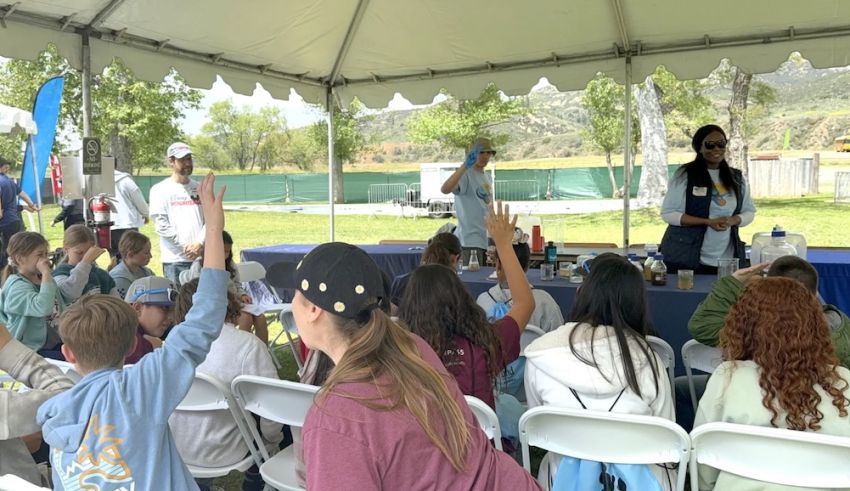
Esther Lofton leads a lively discussion about water filtration during the Children's Water Education Festival in Orange County.


May was Water Awareness Month and Urban Watershed Resilience Advisor, Esther Lofton, Ph.D., participated in several community events to educate the public and celebrate water.


Click here to read the full article.

Invasive beetles are killing oak trees in Southern California

by Caroline D. Champlin

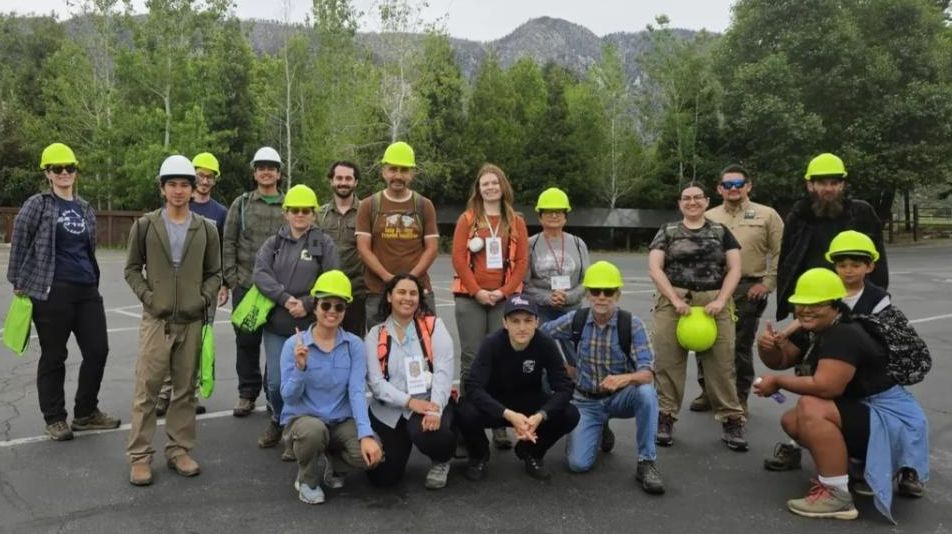
The San Bernardino group kicked off the first of six GSOB blitzes held in Southern California. Jan Gonzales/UCANR


Over the last few weeks we saw community science in action during the first-ever ‘GSOB Blitz’, a series of events aimed at educating the public about Gold Spotted Oak Borer (GSOB) and evaluating trees for GSOB damage.


Click here to read the full article.

Program Spotlight

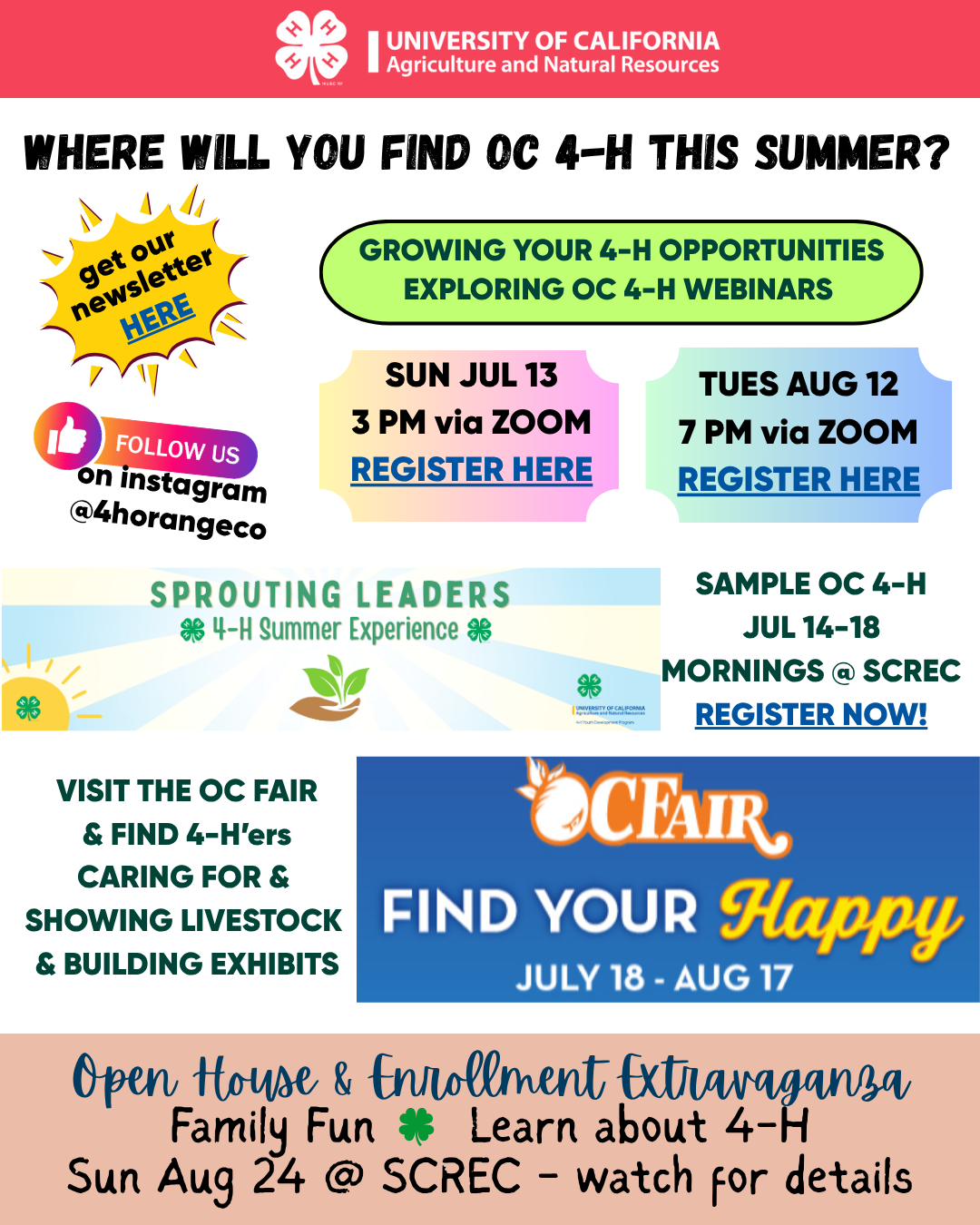
4-H Youth Development Program

Employee Spotlight

Get to know

Beatriz Nobua-Behrmann

Urban Forestry and Natural Resources Advisor serving Orange and Los Angeles Counties

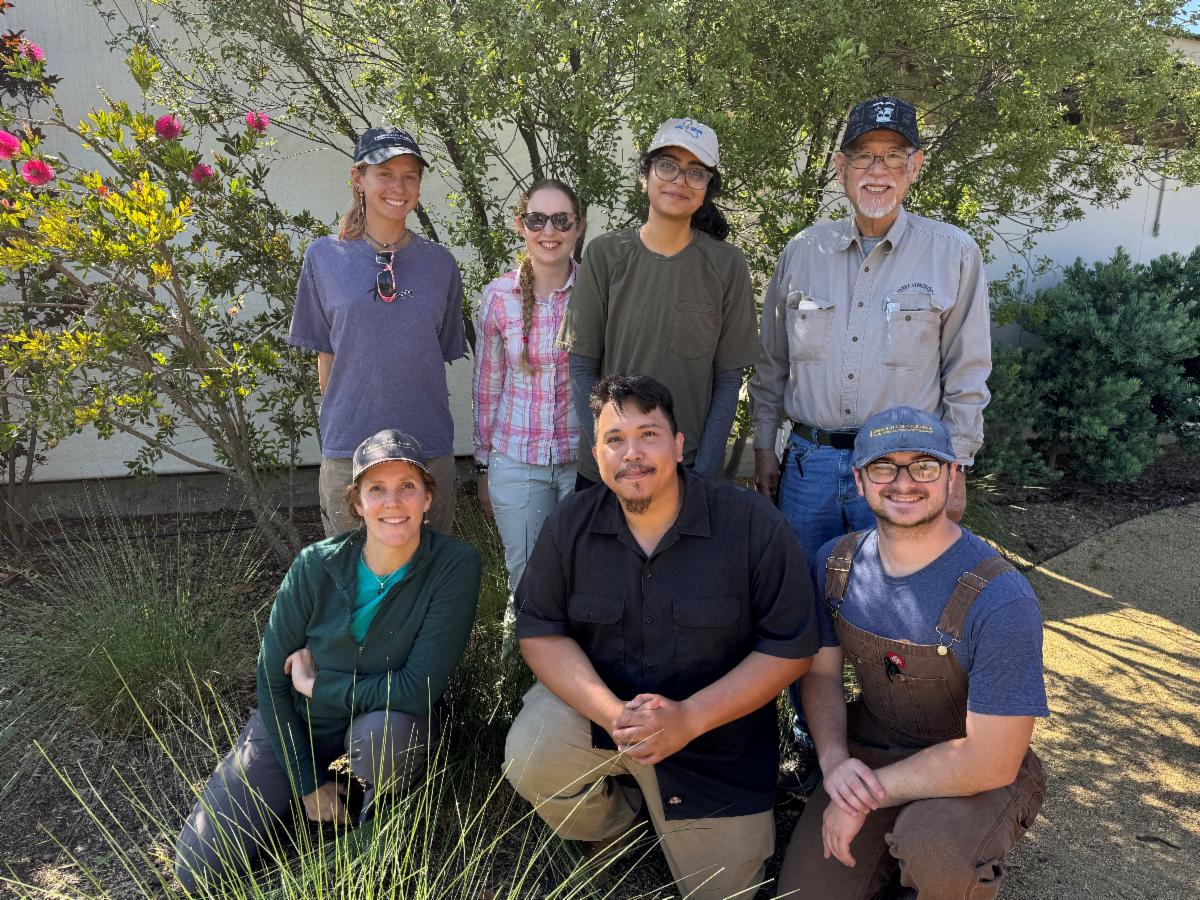
Left to right, top row: Elle Overs, Jennifer Shedden, Saathvika Deshpande, John Kabashima

Bottom row: Beatriz Nobua-Behrmann, Cristian Burgos, David Landis


Hi, I'm Beatriz Nobua-Behrmann, the Urban Forestry and Natural Resources Advisor for Orange and Los Angeles Counties. I’ve been with UC ANR since 2017, first as a Research assistant, and as an Advisor since 2019.


What does a "typical" day look like for you?

There’s really no such thing as a “typical” day in my work (and that’s one of the things I love most about it!). Some days, I’m out in the field checking trees for signs of invasive pests like the goldspotted oak borer or Asian citrus psyllid, setting traps to monitor Argentine ants and yellowjacket wasps, or testing new, low-impact strategies to manage tree pests in urban landscapes. I’m fortunate to have a fantastic team (pictured above) that handles much of the fieldwork, and their support makes this work possible.


Other days, I’m collaborating with city staff, researchers, and state agencies across California to create science-based plans for managing invasive species like the invasive shothole borers. I also spend a lot of time making sure our research reaches the people who need it, through workshops for arborists, landscapers, and park staff, or community outreach in partnership with UC Master Gardeners and California Naturalists. One of the most exciting recent projects is the GSOB Blitz, which we launched this June. It’s a volunteer-driven effort to track goldspotted oak borer infestations across Southern California. We had a great response: people were excited to participate, learned how to identify signs of infestation, and collected valuable data from across the region. Seeing that kind of community engagement and impact is one of the most rewarding parts of what I do.


What part of your work are you most excited about or proud of right now?

What I’m most excited about right now is how our research is helping improve how invasive pests like the invasive shothole borers (ISHB) are managed in urban areas. We’ve developed science-based management guidelines that are now being used in places like Orange County parks. These include practical steps like monitoring for early signs of infestation, removing severely affected trees, and using targeted treatments only when necessary. It’s rewarding to see how research can lead to real, on-the-ground solutions that help protect valuable trees, reduce reliance on pesticides, and slow the spread of the pest.


More recently, I’ve been studying how infestations progress over time, and the results have been encouraging. In areas where best practices are in place, many lightly infested trees are starting to recover on their own. This is the first time we’ve been able to clearly document that tree recovery is possible, something we hadn’t seen at scale before. That finding gives us a more hopeful outlook: it shows that we can not only manage infestations more effectively, but also help trees survive and bounce back. Of course, we still lose some along the way, which is why preventing the spread of the pest remains essential. But knowing that recovery is possible with the right approach is a big step forward, and it’s something I’m proud to contribute to.


What’s your favorite fruit/vegetable we grow at SCREC?

There’s so many delicious things being grown at the SCREC, it’s hard to pick! But the avocados, persimmons, and pineapple guavas are among my favorites. It’s always a treat when the Master Gardeners place them in the shared produce bins.


Here are a few website where people can find more information about invasive tree pests, how to manage them, and how to prevent their spread:


Pro Tips

Tips, tricks, and advice from our program experts

July in the Garden

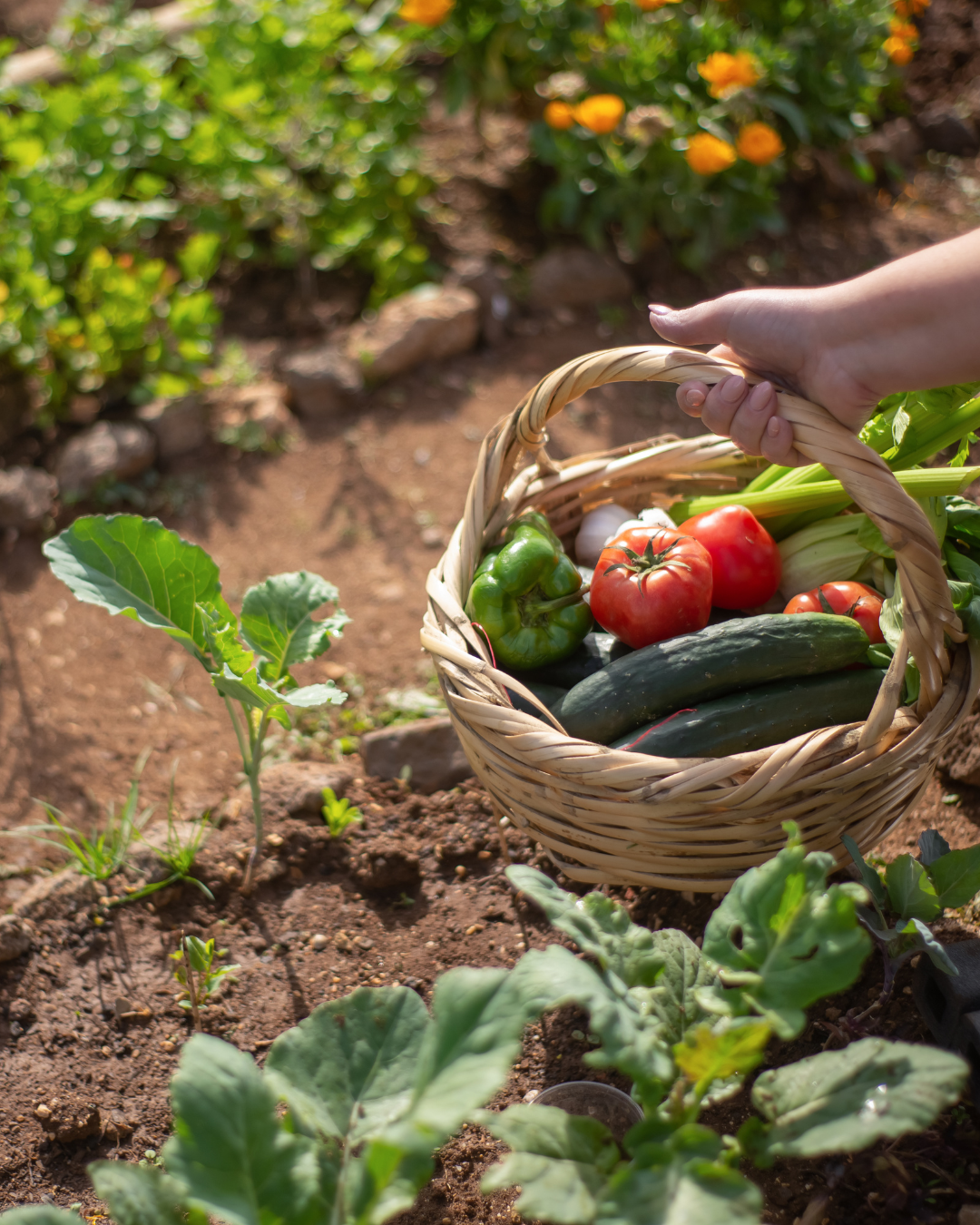
July is a busy month in the garden to nurture new plantings and keep an eye on the established ones. Summer crops should be watered consistently and fertilized for the warmer months ahead. Meanwhile, keep an eye on weeds, pests and disease. Investing time this month will help mitigate problems later in the season.


Check your irrigation system for leaks, and make any seasonal adjustments.


Planting schedules are general guidelines and will depend on your particular microclimate and current weather patterns.


Learn More

Urban Watershed Resilience

Water Use Efficiency (WUE)


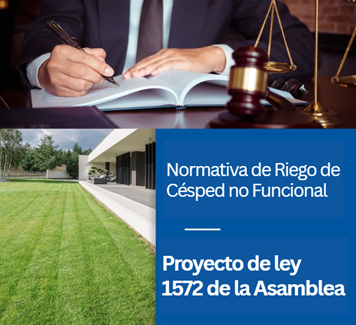
California is getting serious about saving water! Assembly Bill (AB) 1572, enacted on October 13th, 2023, targets nonfunctional turf by restricting the use of potable water on decorative grass in commercial, industrial, and institutional areas. That means less waste and more water for what truly matters: our communities and environment.


📲 Want to learn more about this bill?


👉 Visit our blog to read more [Smart Water Living: Urban Water Efficiency in SoCal]


You can also follow us on social media to stay up to date and connected.

Eficiencia en el Uso del Agua (WUE)

¡California se toma en serio el ahorro de agua! Proyecto de Ley de la Asamblea (AB) 1572, promulgada el 13th de Octubre de 2023, se dirige al césped no funcional al restringir el uso de agua potable en césped decorativo en áreas comerciales, industriales e institucionales. Eso significa menos residuos y más agua para lo que realmente importa: nuestras comunidades y nuestro medio ambiente.


📲 ¿Quieres saber más sobre este proyecto de ley?


👉 Visita nuestro blog para leer más [Vida Inteligente con el Agua: Eficiencia Hídrica Urbana en el Sur de California]


También puedes seguirnos en las redes sociales para mantenerte conectado.

Upcoming Events

California Master Beekeeper Program Events

Interested in learning about beekeeping? Sign up for a CAMBP OC Workshop for Beekeepers!


Workshop topics include:

  • Checking overwinter colonies
  • Managing for honey production
  • Swarming & robbing prevention
  • Checking for diseases & queen health
  • Preparing a split to requeen
  • Feeding techniques
  • Completing a hive inspection
  • Strategies to requeen
  • Mite test load & control
  • Honey extraction technique  


Upcoming workshops are on:

  • July 12, 2025
  • October 18, 2025


Have you ever toured an apiary? Sign up for a California Master Beekeeper Apiary Tour!


Tours are from 10am-12pm on the following dates:


  • Friday, July 11th
  • Saturday, August 23rd
  • Saturday, September 6th


Interested in becoming a UC Master Gardener?

Orange County will be conducting its next volunteer training program beginning in late 2025 and continuing through mid-May 2026. Master Gardeners are volunteers who extend research-based knowledge and information on home horticulture, pest management, and sustainable landscape practices to the residents of California.


On September 4, 2025, join us either in person at 10:00am or on Zoom at 6:00pm for an information session!


Learn more about becoming a UC Master Gardener

Mark Your Calendars!

October 11, 2025 is our annual Open House

Watch the recap of last year's open house below.

October 11, 2025 9:00am to 2:00pm

7601 Irvine Blvd. Irvine, CA 92618


Potential activities include:

  • A tractor tour of the research center
  • A pumpkin u-pick (pending harvest availability)
  • Presentations from our expert researchers
  • Hands-on demonstrations from our program leaders
  • Prizes and giveaways


Is there a certain activity or topic you would like to see highlighted at the Open House? Let us know here by August 1, 2025.

Instagram  Email  Web
How did you like this email?
Positive        Neutral        Negative

Fill out this survey to let us know what kind of content you want to see in future newsletters: bit.ly/TheRECapNewsletterContent