|
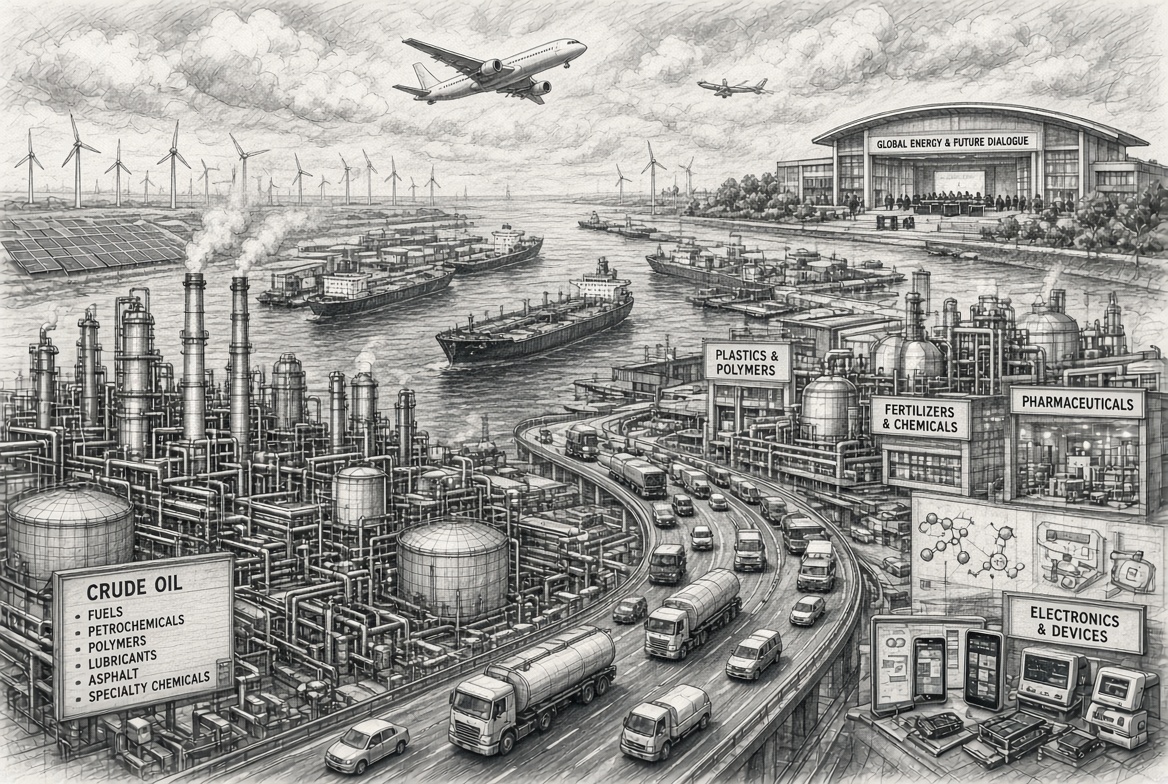
The greatest strength of the CO2 Coalition is the expertise of its members. This week, two of our members, Ronald Stein and Yoshihiro Muronaka, co-authored an article examining how the June 2026 Bonn Climate Conference revealed the lack of a path to decarbonization, while highlighting that modern economies depend on hydrocarbons for transportation fuels, thousands of products manufactured from crude oil, and the generation of electricity.
The article notes that Bonn negotiators could not resolve disagreements over a mitigation program to address climate change or the continued relevance of a mitigation target of 1.5°C. Both major emitters of carbon dioxide and developing nations resisted committing to new obligations in favor of protecting energy security and industrial interests.
Wind and solar may generate some electricity, but they cannot provide hydrocarbon feedstock (used for making plastics, fuels, and fertilizer) or reliable power at night or in calm weather. Claims that conflicts, such as the Iran war, are accelerating a shift to intermittent sources overlook their higher full-system costs that are likely to impede their development, the continued expansion of coal’s use in China despite its neutrality pledges, and the practical energy choices of countries such as Turkey, which prioritizes nuclear alongside other sources.
Nations must deal with the reality of their own supply chains and the needs of their citizens, as demonstrated by the use of high-emission private jets by attendees traveling to the conference.
The piece by Stein and Muronaka concludes that resilience comes from diverse energy mixes and continued biological and technological reliance on carbon, not enforced elimination of carbon.
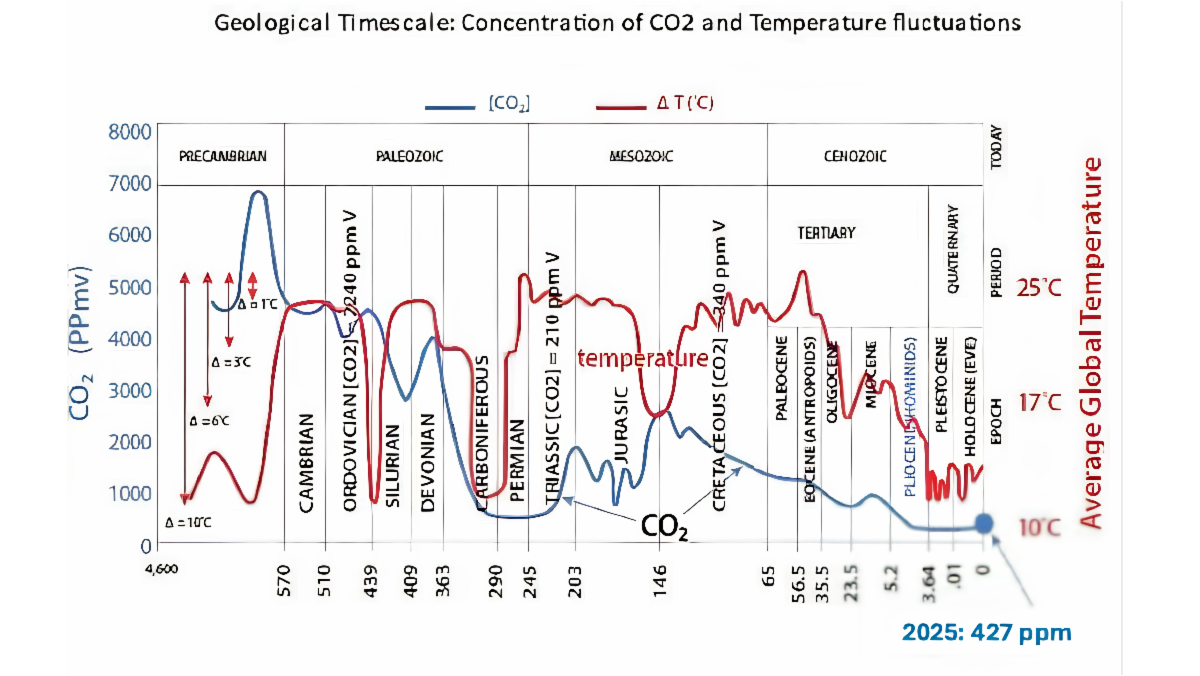
This analysis confirms the CO2 Coalition’s long-held view that fossil fuels remain foundational to prosperity, and carbon dioxide is an essential plant nutrient rather than a pollutant that needs to be eliminated at any cost.
Policies that treat hydrocarbons as dispensable impose economic burdens and energy insecurity for no environmental benefit and seek to achieve the impossible in trying to eliminate carbon, a foundational element of life and civilization. Recognition of these physical and economic realities serves both human welfare and environmental stewardship.
Advancing Our Message with Ads
We are hoping to educate, through advertisements, those who have not heard of CO2’s many benefits. Through polling, the messages of the advertising campaign have been proven effective in opening the minds of those who have been told that a climate crisis is “settled science.” Many of those hearing the truth have expressed relief from an unnecessary anxiety. We encourage you to share our ads and their great message with the world!
|